Why Floaters That Pulse With Heartbeat Could Signal Eye Pressure
Ever catch a floater in your vision that seems to move in sync with your heartbeat? Yeah, I’ve been there—and honestly, it freaked me out at first. I was lying in bed one night, trying to relax, and suddenly noticed this strange pulsing dot bouncing along to the rhythm of my pulse. I blinked, rubbed my eyes, but nope—it was still there, like some weird little drummer jamming to my heart’s beat. Turns out, it wasn’t just in my head. Floaters that pulse with your heartbeat are a real thing, and they might be telling you more than you think about what’s going on inside your eyes—and even the rest of your body.
What Are Floaters That Pulse With Heartbeat?
Floaters themselves are usually harmless—those drifting specks, strings, or cobweb-like shadows that seem to float across your line of sight. But when they *pulse* in sync with your heartbeat? That’s where things get interesting. These rhythmic floaters are often more noticeable in specific lighting conditions—like staring at a white wall or screen—or when your blood pressure spikes. I noticed mine more after a particularly stressful week and way too much caffeine.
The pulsing sensation may stem from increased ocular blood flow or elevated intracranial pressure—both of which can subtly shift the vitreous fluid or tug on the retina. And yep, your body’s pulse can be strong enough to transmit movement to your eye structures, especially if there’s inflammation, structural weakness, or pressure imbalance.
What Causes This Pulsing Effect?
- Blood Pressure Surges: When your blood pressure rises, it affects the delicate vessels in your eyes. If you’ve ever experienced floaters during high blood pressure spikes, the heartbeat sync might not be far behind.
- Eye Inflammation or Infections: Uveitis and other inflammatory eye conditions can change how light enters your eye and interacts with floaters. A pulsing floater might actually be a symptom of underlying inflammation.
- Vitreous Detachment: As we age (or if you’re highly nearsighted like me), the vitreous gel in your eye pulls away from the retina. A partial detachment can result in new floaters that shift or pulse as your eye moves—or as blood pumps through nearby vessels.
When Should You Be Concerned?

Most floaters are benign, and even the pulsing kind doesn’t automatically mean something scary is happening. But here’s the deal—if they’re new, increasing in number, or accompanied by flashes of light or vision loss, don’t wait it out. I once had a friend who ignored these signs after a hiking trip, thinking it was just dehydration. He ended up needing urgent retinal laser treatment. Not kidding.
- Floaters with light flashes: Could indicate retinal tearing or detachment—emergency level stuff.
- Pulsing floaters that don’t go away: Might point to chronic eye pressure changes or vascular irregularities.
- Floaters with pain or vision distortion: This isn’t normal and may relate to something like diabetic retinopathy or even ocular migraines.
Conditions That Could Be Behind It

I remember Googling endlessly trying to figure out why I could “see” my pulse. Turns out, several potential culprits could be behind this unnerving visual quirk:
- Retinal Vein Occlusion: This condition reduces blood flow from the eye and may cause a throbbing pressure sensation, sometimes linked to persistent floaters.
- Autoimmune Disorders: These can quietly inflame various eye structures, making any floaters more visible—and rhythmic. Check out this resource on floaters and autoimmune conditions.
- Eye Trauma or Surgery: Floaters can develop or worsen after trauma—especially if there was any bleeding inside the eye. It’s not uncommon to experience new floaters post-surgery or injury.
Is It Always Related to the Eyes?

Not necessarily. Some doctors believe that floaters that pulse with your heartbeat may also signal deeper systemic issues. Think about it—your eye is part of a larger network of blood vessels, nerves, and tissues. So if something’s off with your heart rate, blood pressure, or cerebrospinal fluid balance, your eyes might be one of the first places it shows up.
One particularly eye-opening read for me was this piece about how head trauma can trigger pulsing floaters. Even a mild concussion can shift how your brain processes visual input and how pressure affects your optic nerve. It’s worth noting.
So, What Should You Do?
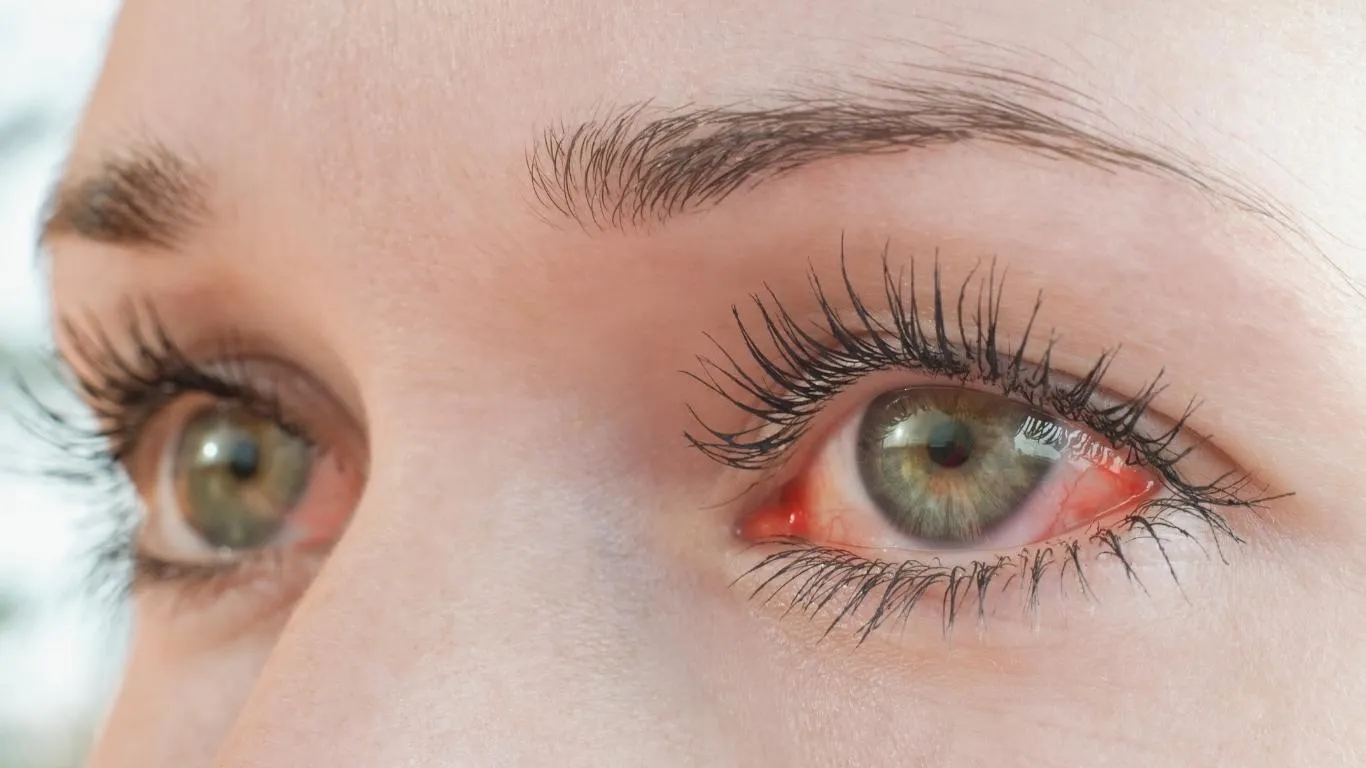
First, don’t panic—easier said than done, I know. I practically camped out in front of my mirror trying to “catch” the floater in action. But what helped me most was tracking when it occurred, how long it lasted, and what I was doing or feeling physically at the time. This info was super helpful when I finally saw an ophthalmologist.
If this sounds like something you’re experiencing, start by learning the broader basics in this pillar article on floaters. It covers causes, symptoms, and treatment in detail. You’ll also want to check out common floaters causes for a wider context if yours seem to pulse randomly or only in certain conditions.
For those dealing with floaters daily, learning to tell normal from not-normal is key. Understanding how they behave—and when they change—can literally save your sight.
#LNF

Camellia Wulansari is a dedicated Medical Assistant at a local clinic and a passionate health writer at Healthusias.com. With years of hands-on experience in patient care and a deep interest in preventive medicine, she bridges the gap between clinical knowledge and accessible health information. Camellia specializes in writing about digestive health, chronic conditions like GERD and hypertension, respiratory issues, and autoimmune diseases, aiming to empower readers with practical, easy-to-understand insights. When she’s not assisting patients or writing, you’ll find her enjoying quiet mornings with coffee and a medical journal in hand—or jamming to her favorite metal band, Lamb of God.