Why Floaters That Pulse With Quiet Music Rhythms Feel So Distracting
Ever noticed strange little specks or strands floating in your vision that seem to dance along with the soft beats of your favorite slow jams? Yeah, me too. I remember once, lying back with my headphones on, vibing to some chill lo-fi, and suddenly realizing those pesky floaters were pulsing in sync with the bass. It felt surreal, like my eyes had their own visualizer. But what’s the deal with floaters that pulse with quiet music rhythms? Is it just my over-imaginative brain, or is there a real connection between music, eye floaters, and how we perceive them?
Understanding the Basics: What Are Eye Floaters?
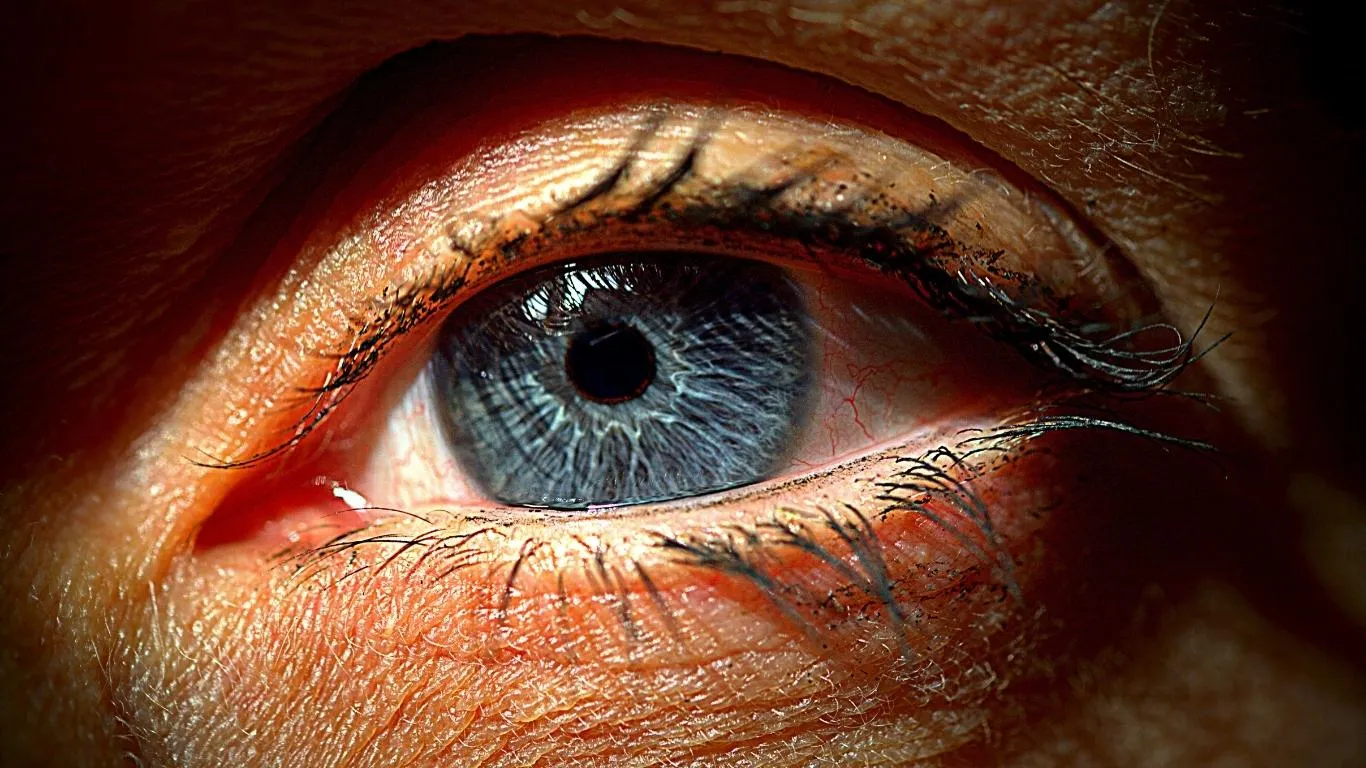
Eye floaters are those tiny specks, threads, or cobweb-like structures that drift around in your field of vision. They’re actually little bits of collagen or cellular debris floating in the vitreous — that gel-like substance filling the back of your eyeballs. While most of us get used to them, there are times when they seem to act up, like when you’re looking at a bright sky or, oddly enough, when you’re chilling to soft music. The main guide on eye floaters dives deep into what causes these visual quirks and why they become more noticeable at certain times.
Why Do Floaters Pulse with Quiet Music?

Here’s where things get interesting. Floaters themselves don’t “hear” music, but your perception of them can change with external stimuli. When you’re listening to quiet, rhythmic music, your brain naturally tunes into the flow and cadence of the sound. Combine that with minimal external distractions (like dim lighting or a blank ceiling), and those floaters might appear to “move” or pulse in sync with the beat. It’s a form of sensory cross-talk, where your focus on rhythm enhances visual awareness of things that are usually ignored.
I stumbled across an article about floaters appearing after meditation or silence, and it hit home. It’s the same principle. Quiet environments sharpen your awareness, and suddenly, you notice things like floaters behaving in weird, rhythmic patterns. It’s not that they’re pulsing with the music—it’s your perception amplifying them.
The Role of Vitreous Syneresis and Subtle Movements

One of the sneaky culprits behind floaters becoming more noticeable is vitreous syneresis—a fancy term for the natural shrinking and liquifying of the gel inside your eyes as you age. As the vitreous becomes less solid, floaters become more mobile and sensitive to subtle eye and head movements. So, when you’re lying still and listening to a soft, repetitive beat, even tiny eye muscle twitches or pulse-induced micro-vibrations can make floaters seem like they’re “dancing” to the rhythm.
There’s a fascinating read on how vitreous syneresis affects floater behavior, especially in low-activity settings. It explains why activities like meditating, relaxing, or listening to soft music can suddenly make these floaters center stage in your vision.
Could Music Rhythms Actually Trigger Floater Movement?
So, is it possible that low-frequency vibrations from music physically affect the vitreous humor and stir up floaters? Probably not in a significant way. The human eye is well-protected, and subtle sound waves from headphones aren’t strong enough to jiggle the vitreous gel. But—and this is a big but—your heartbeat, pulse, and breathing patterns do synchronize with the rhythm of the music. This internal sync can create the illusion that floaters are pulsing along with the beat. A similar phenomenon happens with floaters that seem to “pulse” while sitting in silence with heightened awareness.
If you’ve ever wondered about the connection between bodily rhythms and floaters, the article on floaters that pulse with your heartbeat offers some pretty eye-opening insights. It’s all about internal feedback loops between your circulatory system and visual perception.
Environmental Factors That Amplify Floater Visibility
Ever noticed how floaters become super obvious when you’re staring at a white wall or lying under a bright ceiling lamp? The environment plays a huge role in how visible floaters are. Smooth, monotone backgrounds (like the ceiling when you’re lying in bed listening to music) give floaters the perfect stage to show off. Combine this with the mellow beats of a chill track, and voilà—suddenly they’re “grooving” along.
There’s a lot of overlap with how bright lighting and contrast impact floater visibility. Dim lights may help, but the key factor is always the contrast between your visual focus and the floater’s translucent structure.
When Should You Worry About Pulsating Floaters?

Okay, here’s the serious part. Most floaters are harmless and just annoying, but if you suddenly notice a shower of new floaters, flashing lights, or a curtain-like shadow in your vision, that’s a red flag. This could be a sign of retinal tears or detachment, which needs urgent medical attention. The article on dangerous floater signs gives you a checklist of when to stop ignoring them and see a doctor.
For casual floater annoyances like the ones that pulse with soft music, though, it’s often more about learning to manage perception and controlling environmental triggers.
Practical Ways to Manage Floaters That Pulse with Music Rhythms
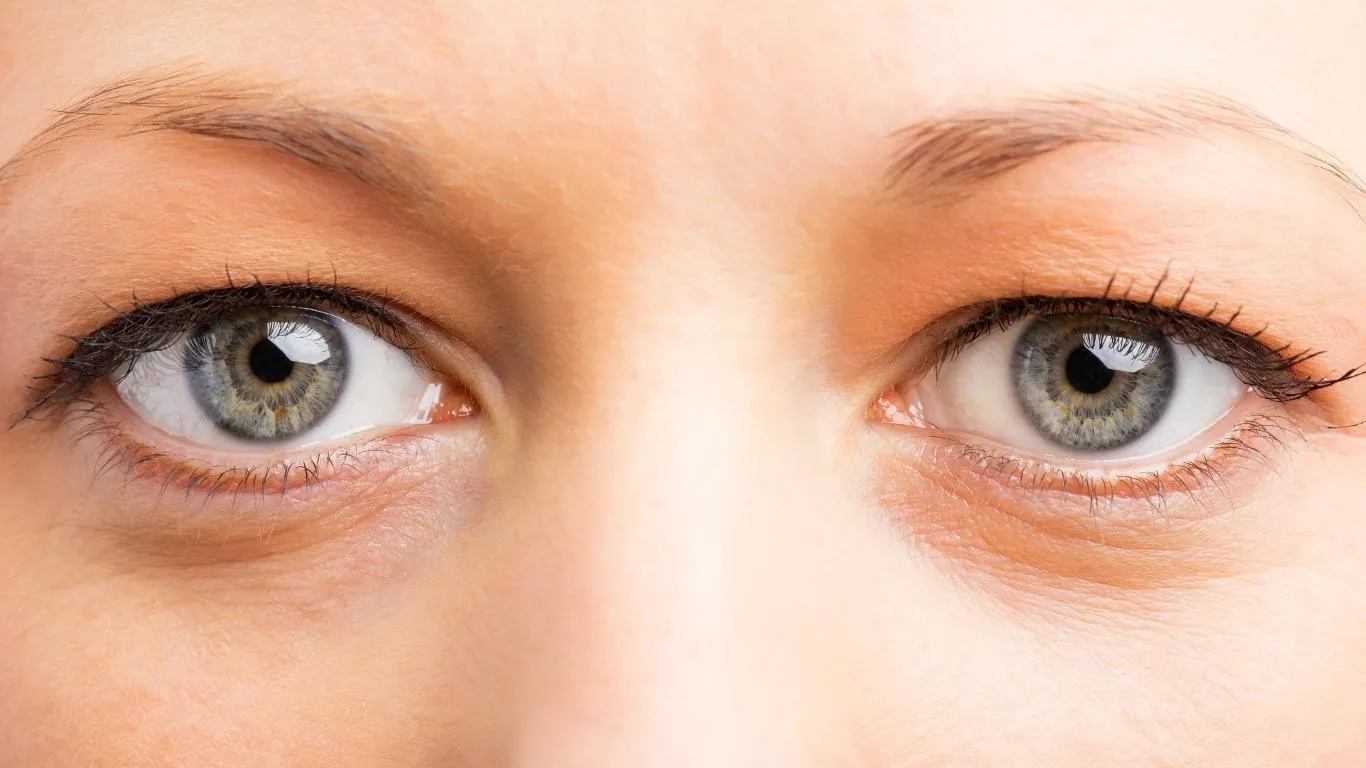
Managing these pulsing floaters isn’t about eliminating them completely—let’s be real, most of us aren’t signing up for eye surgery over a few squiggly lines. But there are practical ways to reduce how noticeable they are, especially when you’re in that zone, vibing to quiet music.
- Adjust Your Lighting: Soft ambient lighting reduces contrast, making floaters less obvious. Avoid bright, single-source lights when you’re relaxing with music.
- Change Your Gaze Focus: Simple eye movement exercises, like rolling your eyes in slow circles, can shift floaters out of your direct line of sight.
- Hydrate Regularly: Believe it or not, dehydration can make floaters more prominent. There’s a solid piece on dehydration worsening floaters that’s worth a look.
- Mindful Breathing: Slow, deep breaths can reduce that internal “pulse sync” sensation that makes floaters feel like they’re dancing to the music.
Natural Remedies: Do They Help Floaters That Pulse?
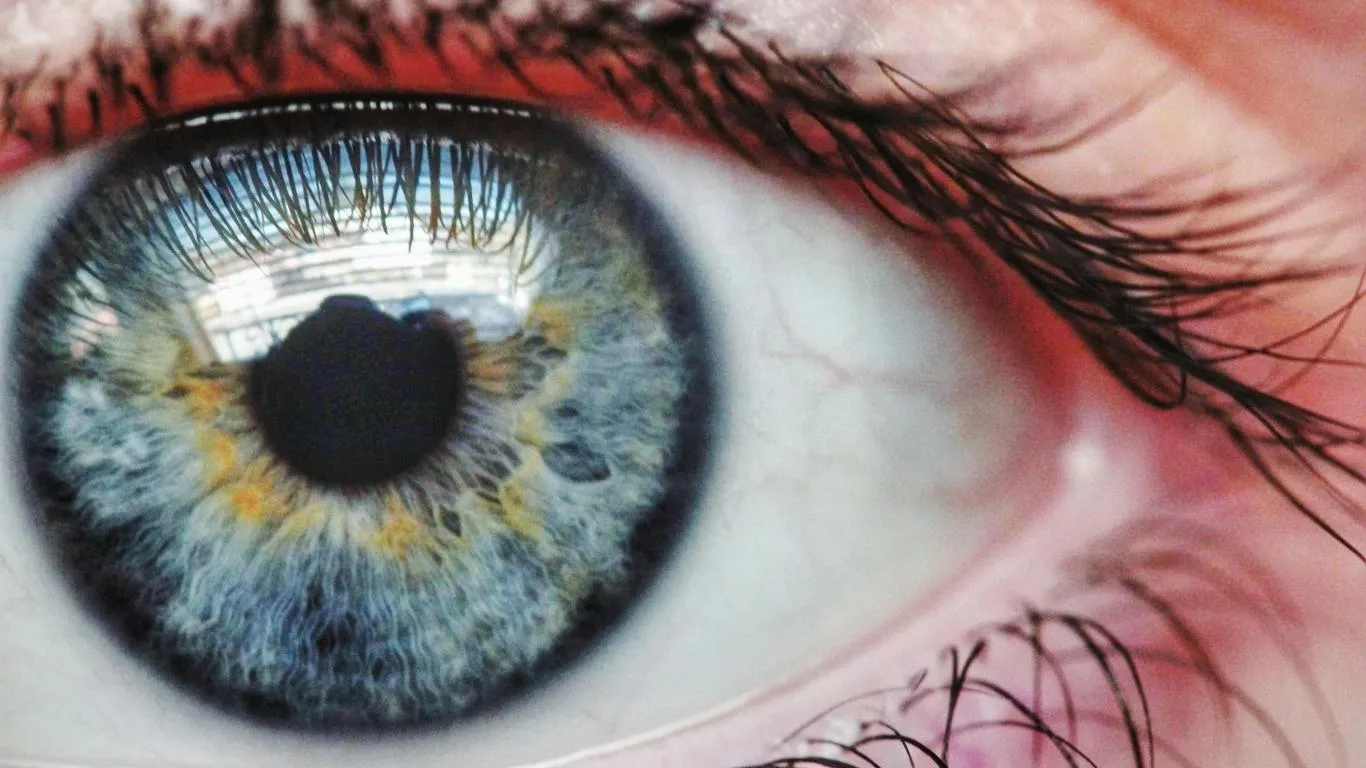
Let’s get this out of the way—there’s no magic vitamin or herb that will make floaters vanish overnight. But certain supplements can promote overall eye health and potentially reduce floater perception over time. Omega-3s, lutein, and antioxidants like Vitamin C are frequently discussed in the context of eye clarity.
I experimented with a lutein-rich diet after reading about its role in maintaining vitreous transparency. While it didn’t “cure” my floaters, I did feel like my eyes became less sensitive to contrast changes, which made those rhythmic pulses less distracting during my late-night chill playlists. There’s a detailed guide on supplements for floaters that cuts through the hype and gives practical advice.
Is Laser or Surgical Treatment Worth Considering?
For those who find floaters severely affecting their quality of life, laser vitreolysis or vitrectomy are treatment options. But—and this is important—they are not decisions to take lightly. Surgery has its risks, and for something as benign as floaters that pulse with soft music, most ophthalmologists will advise against it unless it’s truly impacting daily function.
The comprehensive guide on floater treatments walks through the pros and cons of each method, so you’re equipped with the right questions to ask if you ever consider going that route.
Are Floaters That Pulse a Sign of Eye Fatigue?
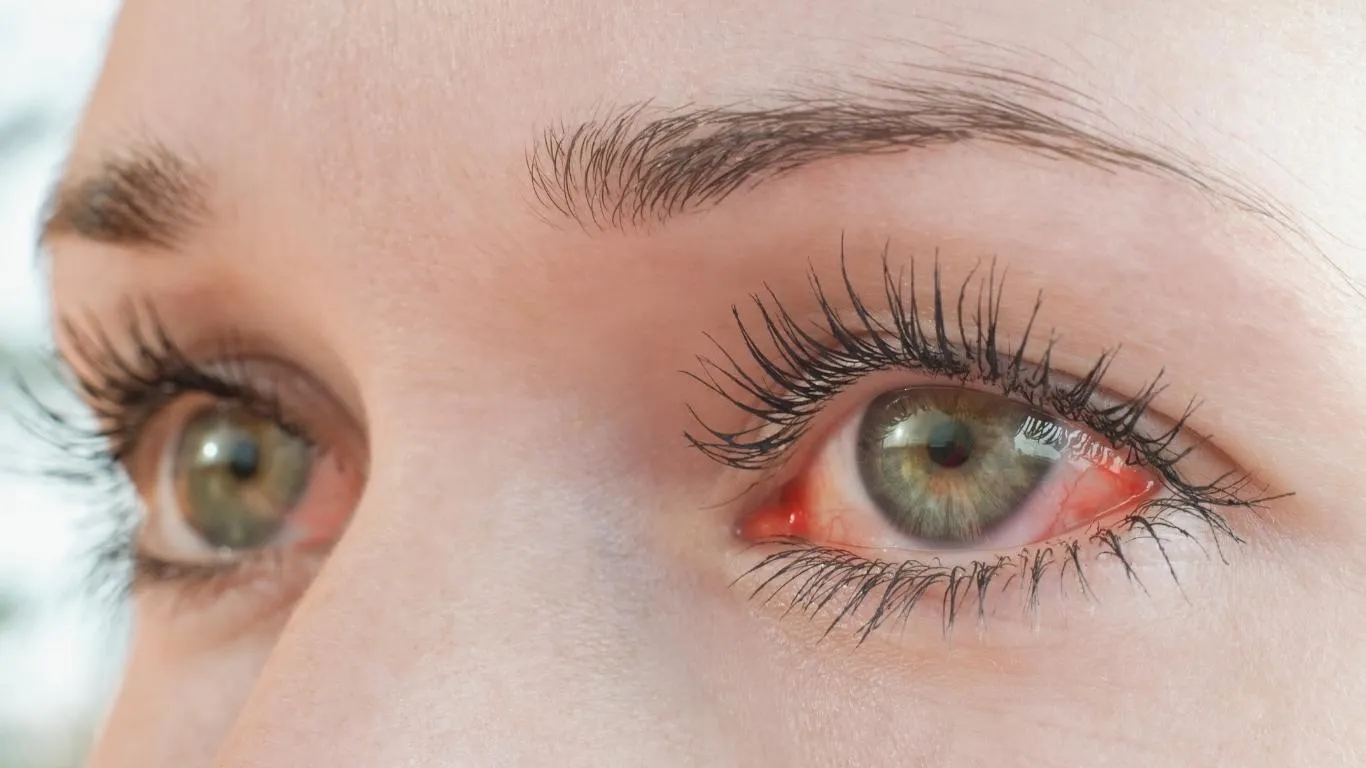
Absolutely. Eye fatigue plays a huge role in how you perceive floaters. After a long day of screen time or intense concentration, your visual sensitivity skyrockets. When you finally unwind with music, your brain is still on high-alert, making those floaters seem more vivid and rhythmic.
In fact, there’s a whole article on floaters becoming more apparent after periods of rest or quiet. It highlights how relaxation can paradoxically heighten visual disturbances like floaters, simply because your mind isn’t busy filtering them out.
Improving Visual Comfort During Music Sessions
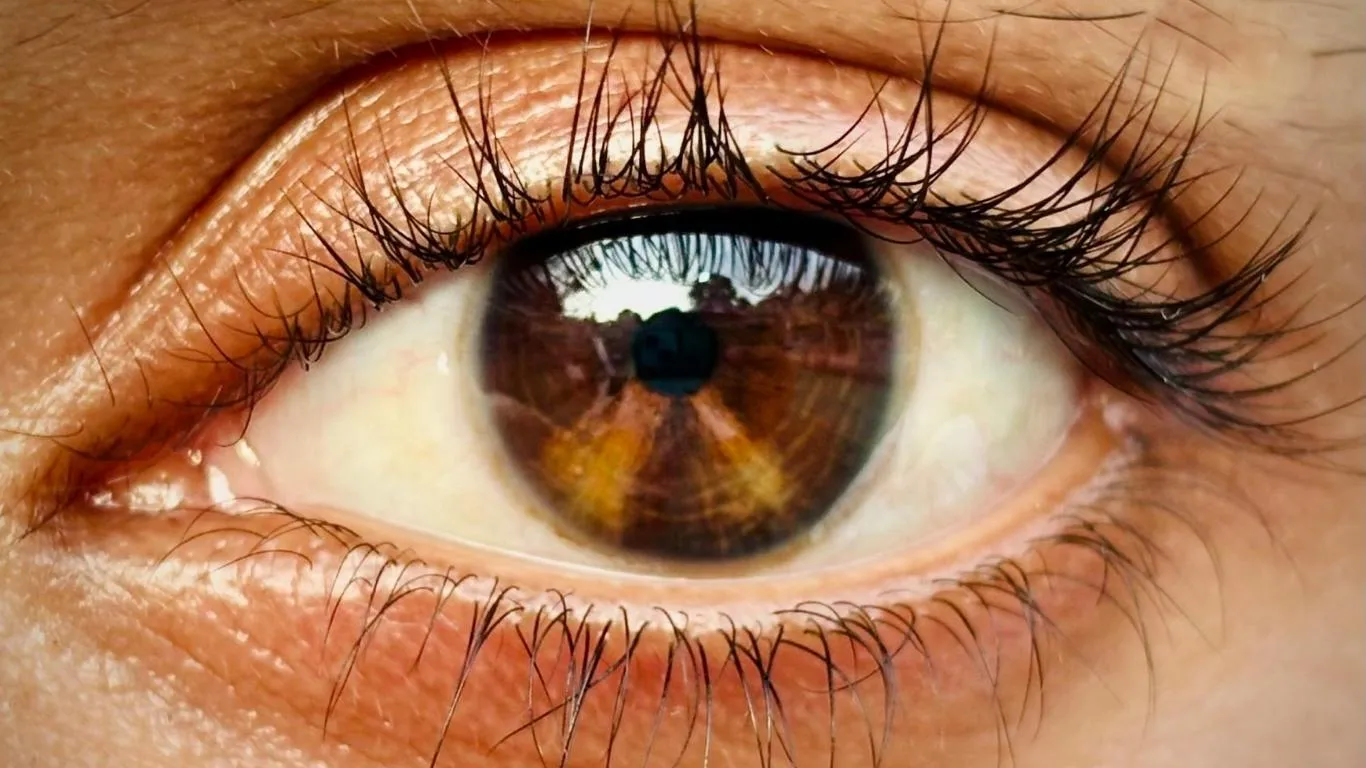
If you’re like me, unwinding with music is non-negotiable. So how do you minimize floater distractions during these sessions?
- Use a Soft-Textured Background: Instead of staring at a blank ceiling, try positioning yourself near textured walls or patterned fabrics. It breaks up the visual field and makes floaters less noticeable.
- Lower the Volume: Louder bass or sub-bass frequencies might make you more aware of bodily rhythms that sync with floaters. Keep it mellow.
- Close Your Eyes: Simple but effective. Closing your eyes while focusing on the music eliminates visual distractions altogether.
There’s also some fascinating advice on how to reduce floater discomfort from visual overstimulation, which can easily translate to music listening sessions as well.
When Floaters Change — Should You See a Doctor?
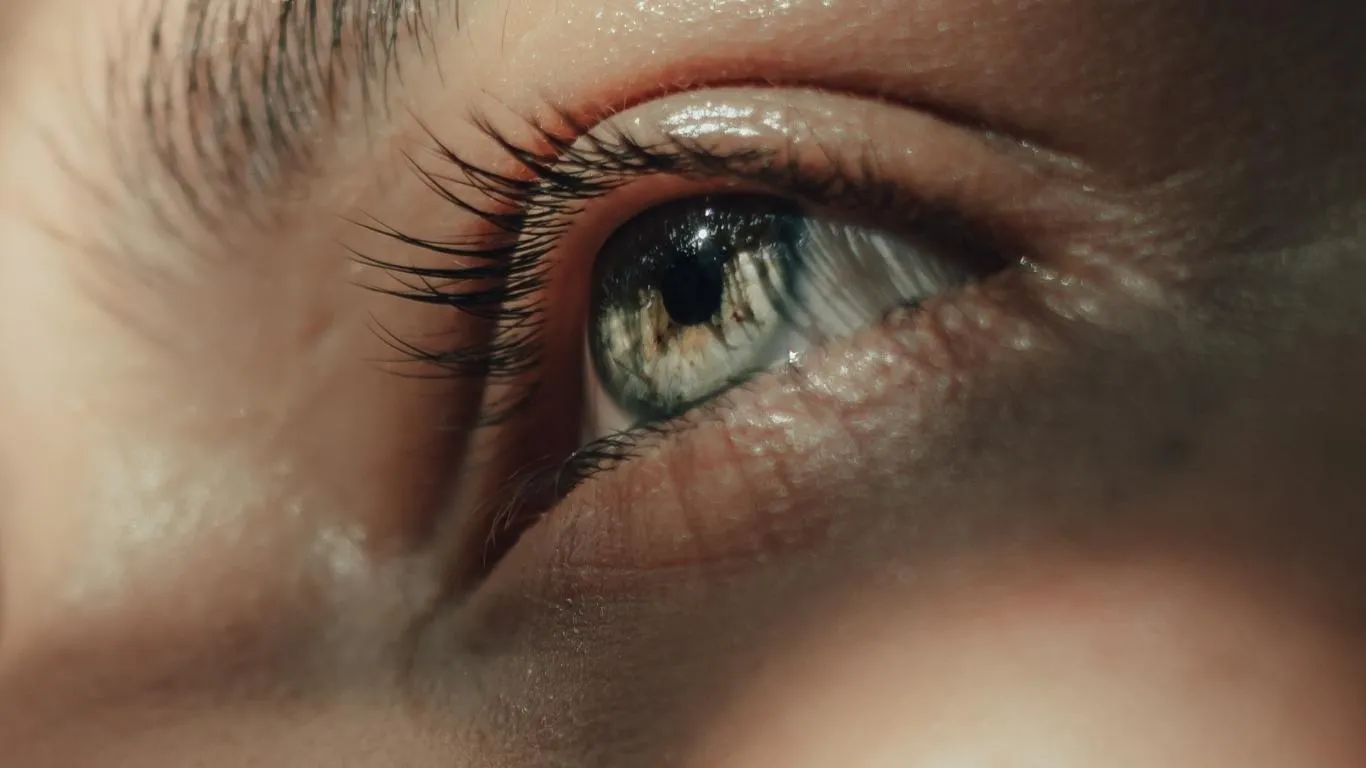
Here’s the bottom line: if your floaters suddenly increase in number, start flashing, or you experience peripheral vision loss, don’t chalk it up to a quirky music effect. These could be early signs of retinal detachment or other serious eye issues. For casual floater movement that syncs with chill music, it’s usually harmless and more about perception. But if something feels off, trust your gut and get it checked.
For a full breakdown of eye floater causes, symptoms, and treatments, the go-to resource is this main floater guide. It’s the definitive read for understanding when to relax and when to act.

Camellia Wulansari is a dedicated Medical Assistant at a local clinic and a passionate health writer at Healthusias.com. With years of hands-on experience in patient care and a deep interest in preventive medicine, she bridges the gap between clinical knowledge and accessible health information. Camellia specializes in writing about digestive health, chronic conditions like GERD and hypertension, respiratory issues, and autoimmune diseases, aiming to empower readers with practical, easy-to-understand insights. When she’s not assisting patients or writing, you’ll find her enjoying quiet mornings with coffee and a medical journal in hand—or jamming to her favorite metal band, Lamb of God.