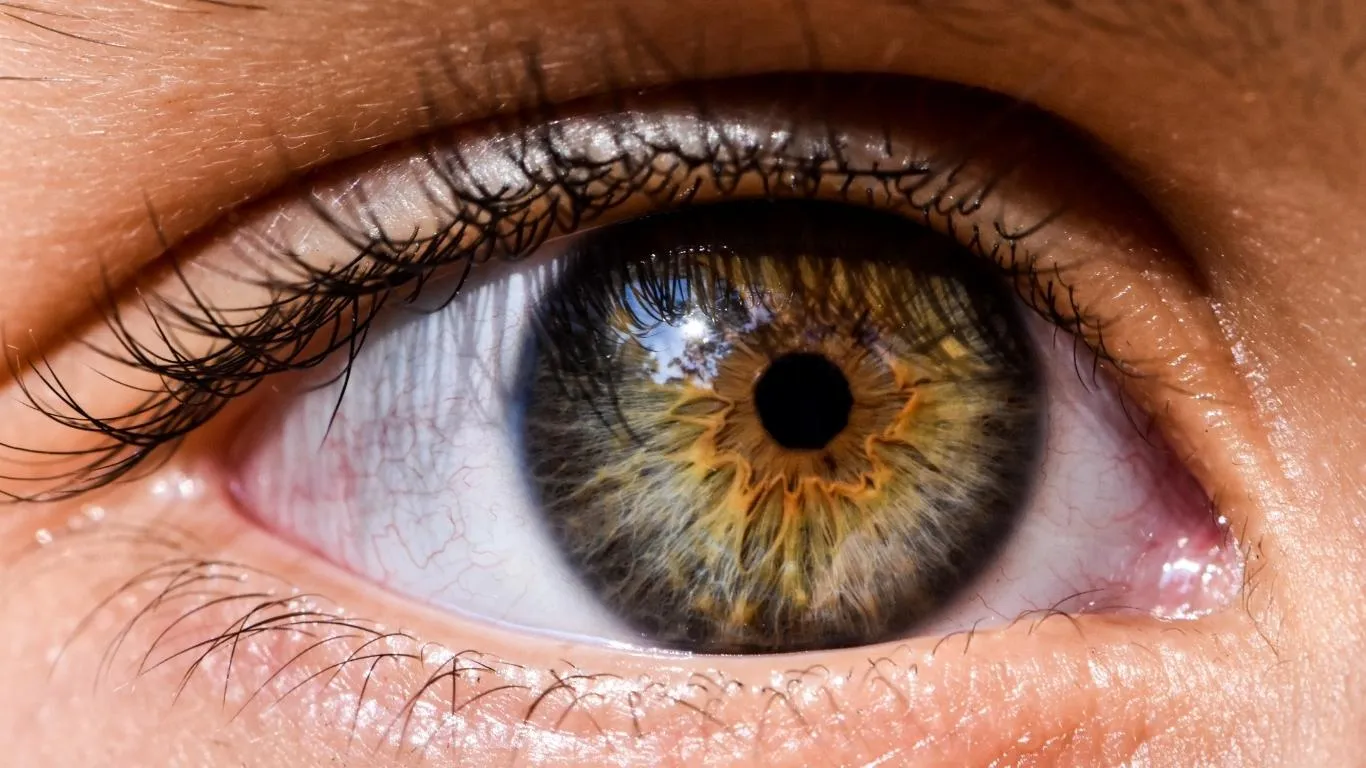
Why Floaters Get Worse After Skipping Meals and What to Do
Ever noticed those squiggly lines drifting across your vision right around the time you skipped breakfast or pushed through lunch? You’re not imagining things. I used to brush it off too—just some random eye thing, right? But then I started tracking it. Every time I went too long without eating, those floaters seemed to dance more aggressively across my line of sight. Turns out, there’s more to it than just coincidence.
What’s Really Going On When You Skip Meals?
Skipping meals isn’t just hard on your stomach—it impacts your entire body, including your eyes. Our eyes rely heavily on consistent blood sugar levels and nutrient flow. When we go too long without food, those levels drop, and that can do a number on the delicate structures inside your eyes.
Blood Sugar Swings and Your Vitreous
The gel-like substance inside your eye, called the vitreous, is extremely sensitive to metabolic changes. Sudden dips in glucose can affect the density of that gel, leading to increased perception of floaters. I learned this the hard way while fasting for a couple of days—by the end of day two, it was like my vision had turned into a snow globe.
According to the National Eye Institute, consistent blood sugar management is key in preventing various vision disruptions, especially among people with underlying health conditions. But even for healthy individuals, sudden drops can stir things up in a big way.
The Dehydration Link
Another issue tied to skipped meals? Dehydration. We often forget that food contributes to our daily water intake. Miss a few meals, and it’s easy to slide into a mildly dehydrated state—enough to impact the fluid balance in your eyes. Dehydration shrinks the vitreous slightly, making collagen fibers inside it clump more tightly, casting more shadows on your retina.
Why It’s Worse for Some People Than Others
Not everyone experiences floaters the same way, and skipping meals might not affect every person identically. If you’ve had diabetes or diabetic retinopathy concerns before, your risk of intensified floaters is significantly higher. The same goes for people with high myopia or who’ve had prior eye surgeries.
Signs Your Floaters Are Linked to Fasting or Missed Meals
Ever had those gray, web-like floaters pop up right around 11 a.m. when breakfast was a coffee and nothing else? Here are a few signs to watch for that point to skipped meals as the culprit:
- Increased floater activity during or shortly after long fasting periods
- Floaters that pulse or move erratically when blood sugar feels low
- Headaches, dizziness, or light sensitivity that occur alongside vision changes
If these symptoms sound familiar, you might want to rethink that intermittent fasting schedule or those skipped lunches. I tried fasting as a health experiment a few months ago, and while my energy dipped, what really stood out was how my floaters seemed to multiply every afternoon. Once I reintroduced a small meal mid-day, the floaters became far less intrusive.
Could There Be Underlying Issues?
Sometimes floaters after skipped meals aren’t just a metabolic reaction—they can signal something more serious. For example, low blood sugar floaters can sometimes be a warning flag for prediabetes or adrenal fatigue. And yes, I know—adrenal fatigue is controversial in some medical circles, but many people experience those telltale symptoms: brain fog, fatigue, and yes, vision quirks.
When floaters persist or worsen even after you’ve resumed eating regularly, it may be time to consult an ophthalmologist. In some cases, the real issue could be early signs of posterior vitreous detachment (PVD)—which affects many adults after 40 and can be triggered or accelerated by dehydration and stress on the eye.
Skipping Meals Can Weaken Your Eye’s Defense
There’s also the nutrient side of things. Prolonged undernourishment, even if occasional, reduces your intake of vitamins essential for eye health. We’re talking vitamin C, lutein, zinc, and omega-3s. I made the mistake of relying too heavily on caffeine and protein bars for weeks—my floaters were like little ghosts haunting every white wall I looked at. When I switched back to real meals and threw in more leafy greens, they genuinely became less noticeable.
Check out our deep dive on poor nutrition and floaters for more insight into how your diet plays a massive role in what’s floating across your vision.
When Should You Worry?
Let’s be honest—most floaters are benign. But if yours start appearing suddenly, worsen after every meal skipped, or come with flashes of light or peripheral vision loss, don’t just blame it on your lunch habits. These could be red flags pointing to something far more urgent, like a retinal tear.
- Sudden explosion of floaters that feel like a curtain across your vision
- Floaters paired with flashes or shadows in your peripheral view
- Floaters that come with eye pain or pressure
In these cases, check out our coverage on floaters before a retinal tear and why you should never ignore those warning signs.
For a broader look at how floaters develop, their root causes, and full-spectrum treatment options, don’t miss the main guide on eye floaters: causes, symptoms, and treatment.
You might also want to explore the relevant pillar content on common causes of eye floaters to understand how your habits today could be impacting your vision tomorrow.
If you’ve ever gone a little too long without a meal and noticed those floaters darting around your vision more than usual, you’re definitely not alone. That’s exactly how I started connecting the dots. At first, I blamed eye strain from screen time. But then, I realized those annoying shadowy specks showed up most often after I skipped meals or delayed eating for hours. Once I started feeding my body consistently, things changed—fewer floaters, more visual clarity. Let’s get into the science and solutions behind why this happens and how to get your eyes (and body) back in sync.
How Skipping Meals Messes With Eye Health
When we skip meals, we’re not just running low on energy—we’re depriving our eyes of vital nutrients they need to function optimally. Your eyes are metabolically active organs, requiring a constant flow of antioxidants, minerals, and hydration to maintain clear vision and structural integrity. Disrupting that balance—even briefly—can mess with your vitreous humor, which is what most floaters stem from.
Micronutrient Depletion = Floaters’ Playground
Going meal-less means your vitamin intake takes a hit—especially vitamins like A, C, and E. These nutrients help prevent oxidative stress, which accelerates the breakdown of collagen fibers in your eye. And when those fibers clump or detach? You guessed it—more floaters. If you’ve ever skipped lunch, only to notice an increase in those stringy shadows around 3 p.m., it might be more than just eye fatigue.
Check this out: some dietary changes have shown surprising effects in improving floaters naturally, especially those focused on antioxidant-rich, eye-friendly foods.
The Collagen Connection You Didn’t Know About
Collagen isn’t just about skin elasticity—it’s also the primary protein in the vitreous. Skipping meals, especially protein-rich ones, can deplete your body’s ability to maintain or repair collagen fibers. That’s a key reason floaters might appear more frequently during fasting, prolonged dieting, or crash diets.
In fact, collagen-related issues are a known contributor to chronic floaters, especially in younger adults who wouldn’t typically expect vision problems. If this sounds like you, consider upping your intake of bone broth, eggs, or collagen supplements.
Skipping Meals? Here’s How to Reduce the Floater Fallout
Alright, so you skipped lunch—life happens. But there are things you can do to minimize the visual side effects:
- Hydrate immediately. Even before eating, drink a glass of water to rehydrate your eyes and body.
- Eat something rich in antioxidants, like blueberries, leafy greens, or carrots.
- Include healthy fats—omega-3s help maintain the structural health of your eye tissues.
- Avoid sugar spikes—don’t go from starving to scarfing a donut. That blood sugar rollercoaster can make floaters worse.
One thing I learned from experience: when I broke my fast with something like avocado toast and a boiled egg, my vision stayed sharper. When I did it with fast food? Floaters galore.
Smart Snacking Strategy
If you’re the kind of person who often skips meals unintentionally (hello, busy workdays), stock your bag or desk with simple snacks that won’t spike your insulin but will keep your eye health in check. Almonds, pumpkin seeds, and even a small bag of trail mix go a long way.
Need more food-related fixes? We’ve got a guide to supplements that support floater reduction and overall eye health you might want to look into.
When Skipping Meals Becomes a Habit: Long-Term Risks
Sure, the occasional missed lunch isn’t catastrophic—but make it a habit, and you’re setting yourself up for more than just floaters. Chronically unstable blood sugar and nutrient deprivation may contribute to long-term eye issues, including retinal thinning and even early onset posterior vitreous detachment (PVD).
There’s growing awareness of how low energy states and lightheadedness directly correlate with worsening floater symptoms. It’s your body’s way of sounding the alarm.
And if you’re combining skipped meals with a lifestyle that includes excessive caffeine, dehydration, or screen time? You’re practically inviting those floaters to stick around.
What Eye Doctors (And Nutritionists) Recommend
Many ophthalmologists now emphasize the link between metabolic health and visual clarity. It’s not just about treating eye floaters with lasers or drops—many professionals recommend addressing root causes through nutrition and hydration first. That means spreading your meals evenly throughout the day, staying hydrated, and keeping nutrient intake consistent.
Want more insight into medical causes that mimic floater symptoms? Our resource on floaters vs. other eye problems helps break it down clearly.
My Personal Fix: What Worked For Me
I started experimenting with my diet out of curiosity. I didn’t expect it to affect my vision, but once I started eating regularly—three balanced meals, enough water, moderate caffeine—the difference in my eye floaters was noticeable. I still get the occasional one on a bright screen or in direct sunlight, but they’re nowhere near as distracting as before.
I also started supplementing with magnesium and omega-3s (after talking to my doctor), which seem to have helped stabilize things overall. And as much as I hate to say it, cutting back on fasted cardio really made a difference. Apparently, pushing your body too hard in a low-energy state isn’t just rough on your muscles—it hits your eyes too.
It all ties back to consistency. Your eyes crave routine as much as your stomach does. Treat them right, and they’ll reward you with clarity—not clouds.
If you haven’t yet explored the broader context, I recommend diving into our essential guide on natural management of eye floaters for some practical tips that go beyond just food.

Camellia Wulansari is a dedicated Medical Assistant at a local clinic and a passionate health writer at Healthusias.com. With years of hands-on experience in patient care and a deep interest in preventive medicine, she bridges the gap between clinical knowledge and accessible health information. Camellia specializes in writing about digestive health, chronic conditions like GERD and hypertension, respiratory issues, and autoimmune diseases, aiming to empower readers with practical, easy-to-understand insights. When she’s not assisting patients or writing, you’ll find her enjoying quiet mornings with coffee and a medical journal in hand—or jamming to her favorite metal band, Lamb of God.