How Eye Misalignment Can Make Floaters Worse Over Time
Not long ago, I noticed something strange during my morning routine. As I looked from my toothbrush to the mirror, a little thread-like floater darted across my vision. It wasn’t the first time. But this time, it was different—it showed up almost every time I shifted my gaze, especially if I moved my eyes from side to side. Turns out, eye floaters and eye misalignment might have more in common than I ever thought. If you’ve been seeing little dots, webs, or squiggles dancing across your field of vision right after focusing or shifting your gaze, you’re not imagining things—and you’re definitely not alone.
How Eye Misalignment Can Mess With Your Vitreous
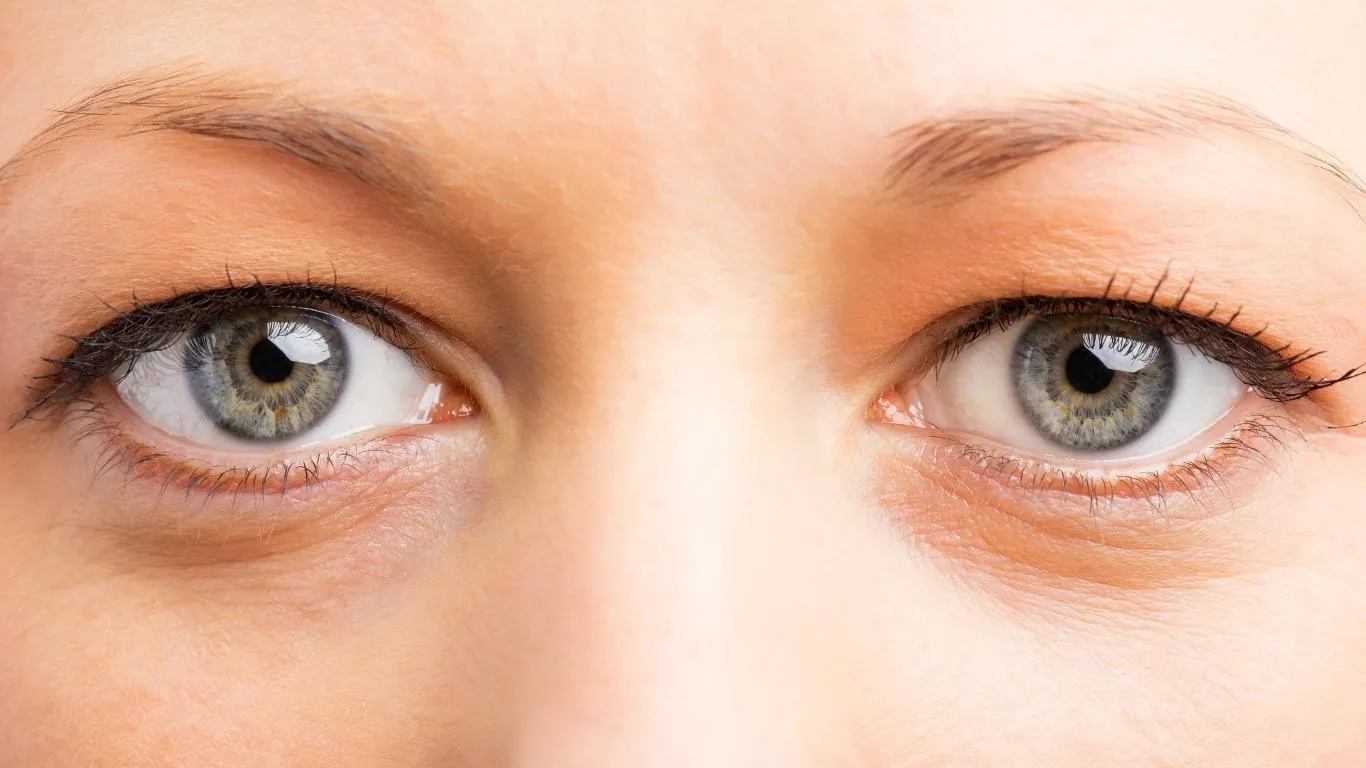
Your eyes are supposed to work together as a team, like two synchronized swimmers. But when one eye is just slightly out of line—even by a fraction of a millimeter—it can throw off your entire visual balance. This condition, often referred to as ocular misalignment or heterophoria, doesn’t always cause double vision or noticeable discomfort at first. But the long-term strain it places on your eye muscles? That’s where the trouble begins.
In some cases, this misalignment might put pressure on the vitreous humor—the gel-like substance that fills the space between your lens and retina. That pressure can stir things up, literally. The collagen fibers within the vitreous can start to clump, casting shadows on your retina and causing what we know as floaters.
So what exactly are these floaters?
Floaters are tiny clumps of collagen or cellular debris suspended in the vitreous. They move when your eyes move, creating shadows on the retina that appear like squiggles, cobwebs, or translucent blobs. And while they’re common with aging, many people report an uptick in floaters when dealing with chronic muscle tension, migraines, or misalignment issues.
Why Floaters Appear More When Your Gaze Shifts
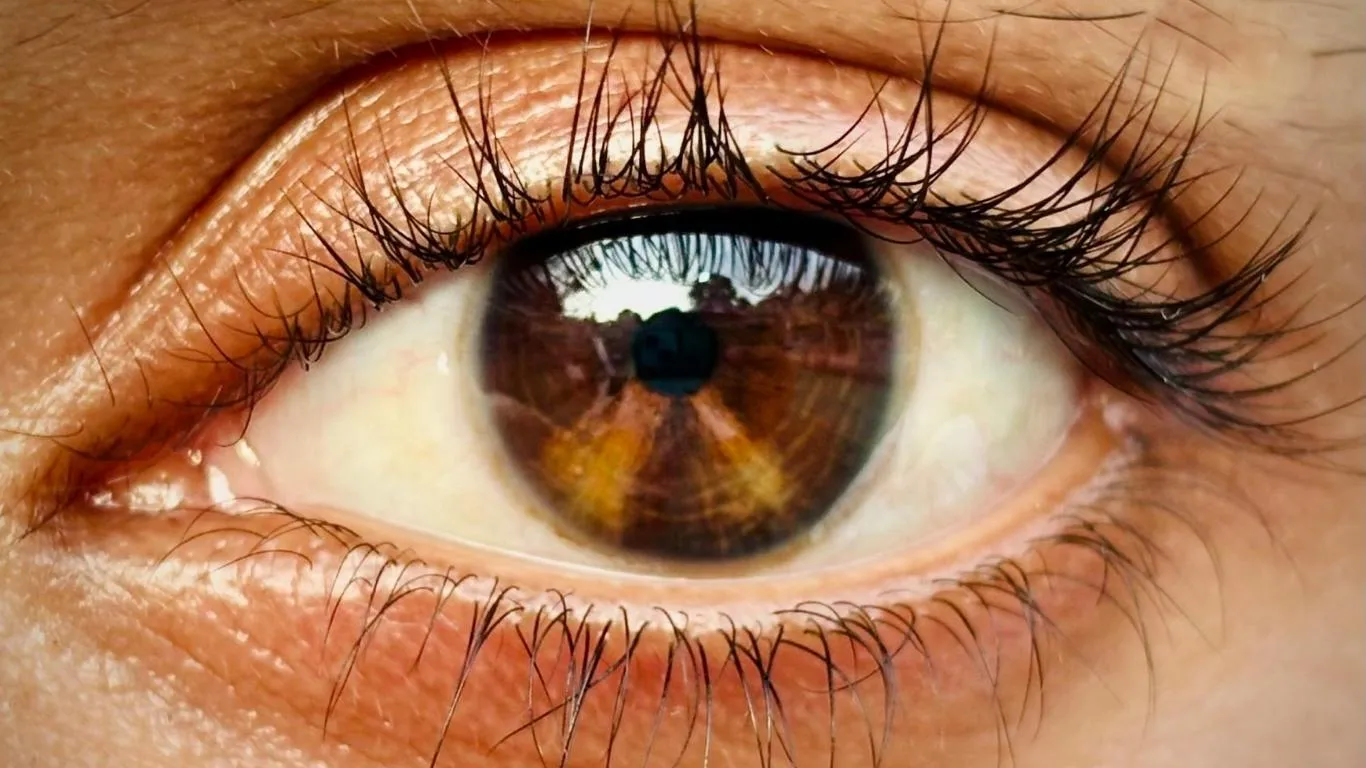
If you’ve ever noticed that floaters seem to appear more often after quickly looking from one object to another, you’re picking up on something your optometrist might not immediately mention. When the eyes are not perfectly aligned, shifting focus causes uneven muscle engagement. This action can subtly jostle the vitreous, making floaters more prominent in your field of vision.
And no, this isn’t just a theory. I spoke with my eye doctor about it after weeks of irritation, and she pointed out a lesser-known phenomenon called microstrabismus. It’s a subtle, often undetected form of eye misalignment. Turns out, that could be the exact reason my floaters seemed to flare up whenever I turned my head or eyes quickly.
Things You Might Notice:
- Floaters that seem to “pop” into view when shifting gaze side-to-side
- More floaters when you’re tired or focusing hard
- Frequent eye rubbing or blinking trying to clear “invisible specs”
- Difficulty tracking moving objects or reading for long stretches
Why It’s Not Just About the Floaters
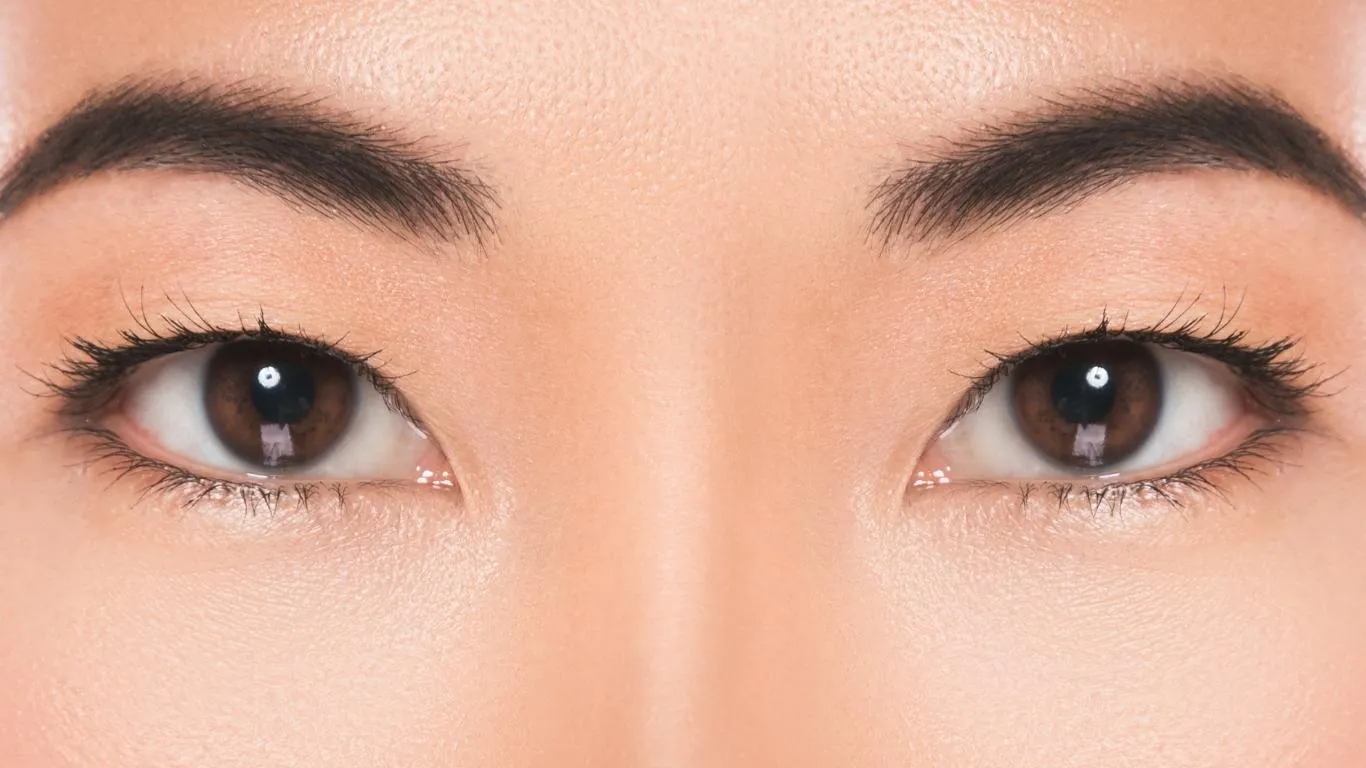
Honestly, I thought I was just overworking my eyes from screen time. But the longer I ignored the floaters, the worse the headaches became. I learned that misaligned eyes are working overtime to create a unified image. That overexertion causes something called visual fatigue, and when your eyes are stressed, your floaters can get more aggressive too. Some folks even report a dull ache behind the eyes or neck tension—likely from compensating head movements to “re-align” their vision unconsciously.
And here’s the kicker—those tiny floaters can become the first sign that your eye muscles are losing the tug-of-war battle. Left unchecked, this misalignment can contribute to worsened visual performance and even increase the risk of retinal strain.
Eye Misalignment Can Also Be Linked To:
- Unusual depth perception
- Increased light sensitivity
- Chronic eye rubbing (which can worsen floaters)
- Night driving difficulties
How to Tell If Eye Misalignment Is Behind Your Floaters
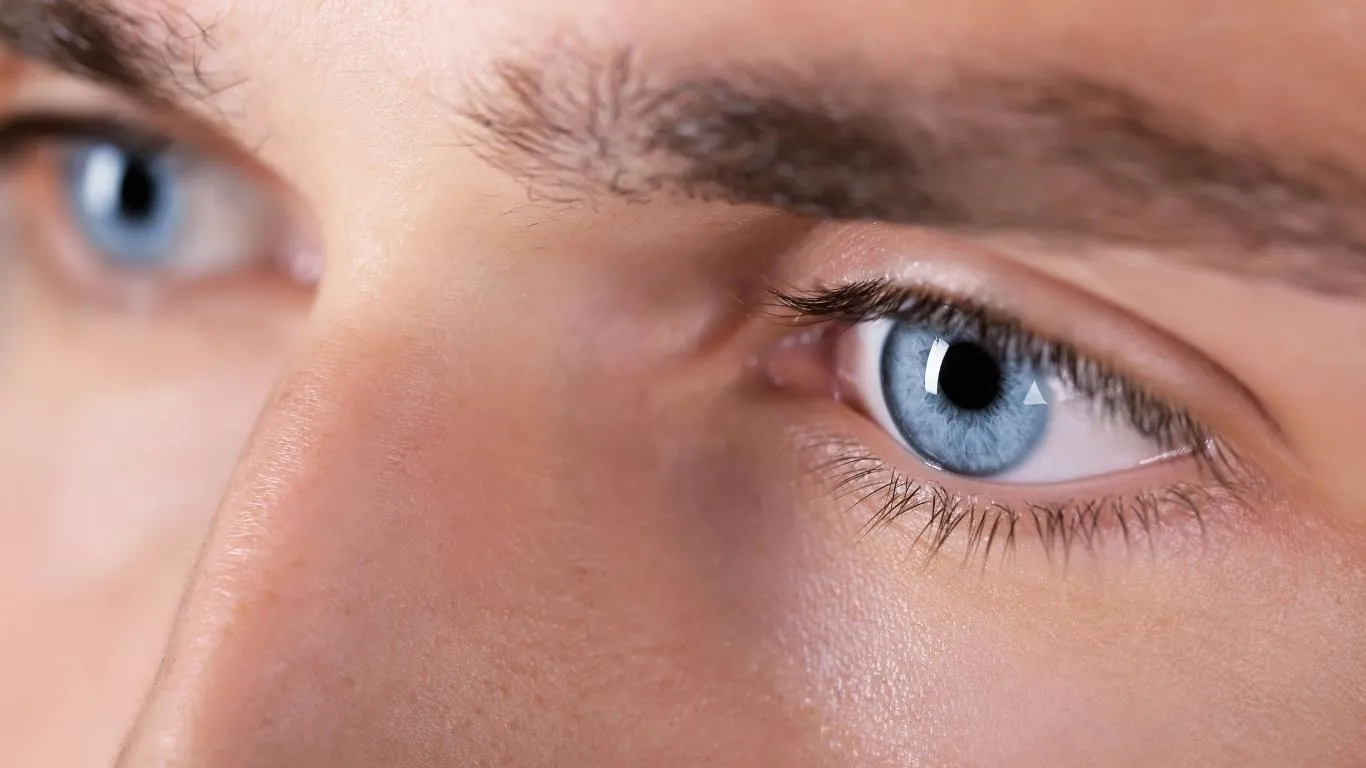
Here’s where things get tricky. Most standard eye exams don’t screen deeply for minor alignment issues unless you mention symptoms. If your floaters are new, sudden, or accompanied by tension headaches, dizziness, or eye strain, speak up.
You might benefit from what’s called a Binocular Vision Assessment. This specialized test looks at how well your eyes work together and can spot those subtle misalignments that traditional prescriptions miss.
There’s a fantastic breakdown of when floaters might actually be red flags over at this article, which I highly recommend skimming if you’re dealing with unusual vision disturbances.
What Helped Me
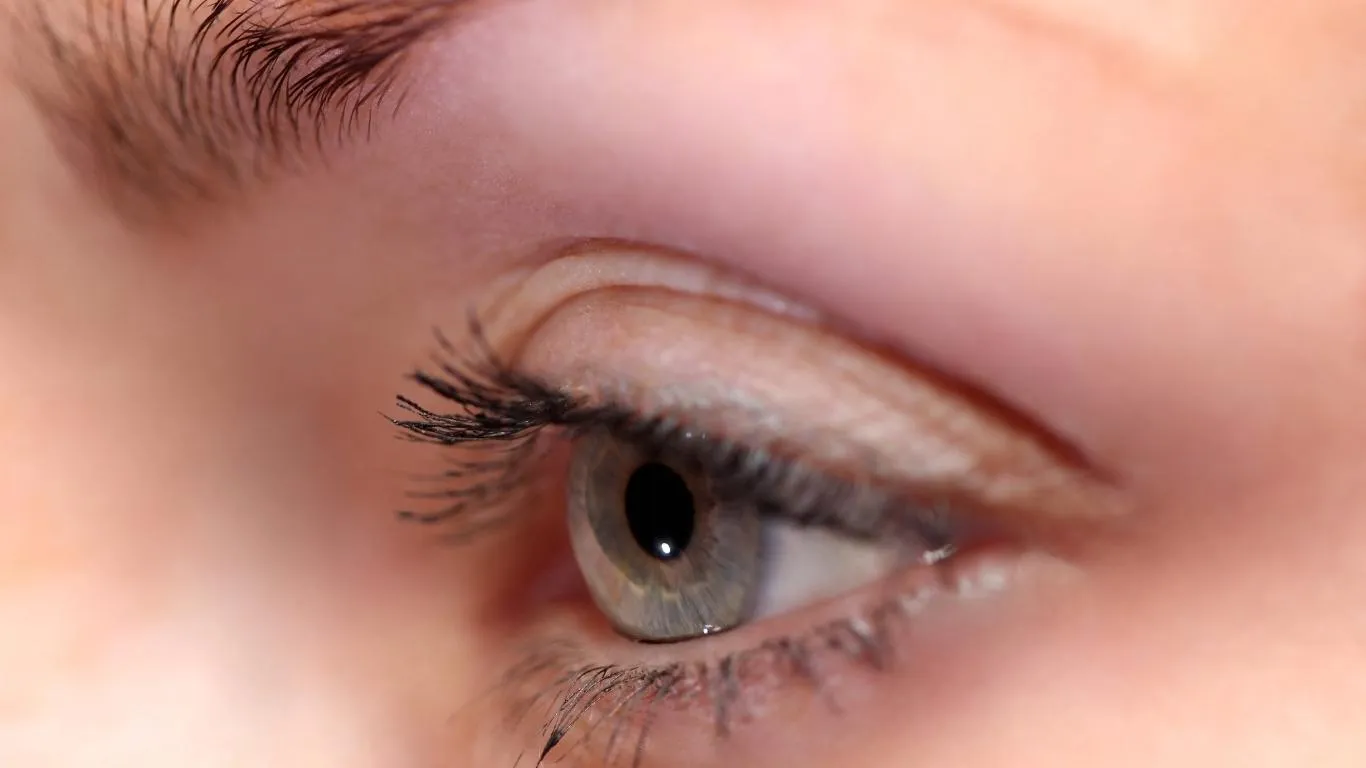
After my optometrist confirmed my misalignment, I started with some light eye exercises, posture changes, and even used prism glasses briefly. I also changed how I sit at my desk, making sure my monitor is directly in front of me to reduce head tilt. Honestly, I didn’t realize how much of an impact those micro-adjustments would make—not just on my floaters, but my overall comfort too.
Want to dig deeper into how to manage floaters overall? This treatment guide lays out everything from observation to more advanced options. And if you’re still wondering what floaters even are at their core, start with the basics right here.
Simple Habits That Help Align Your Vision (and Reduce Floaters)
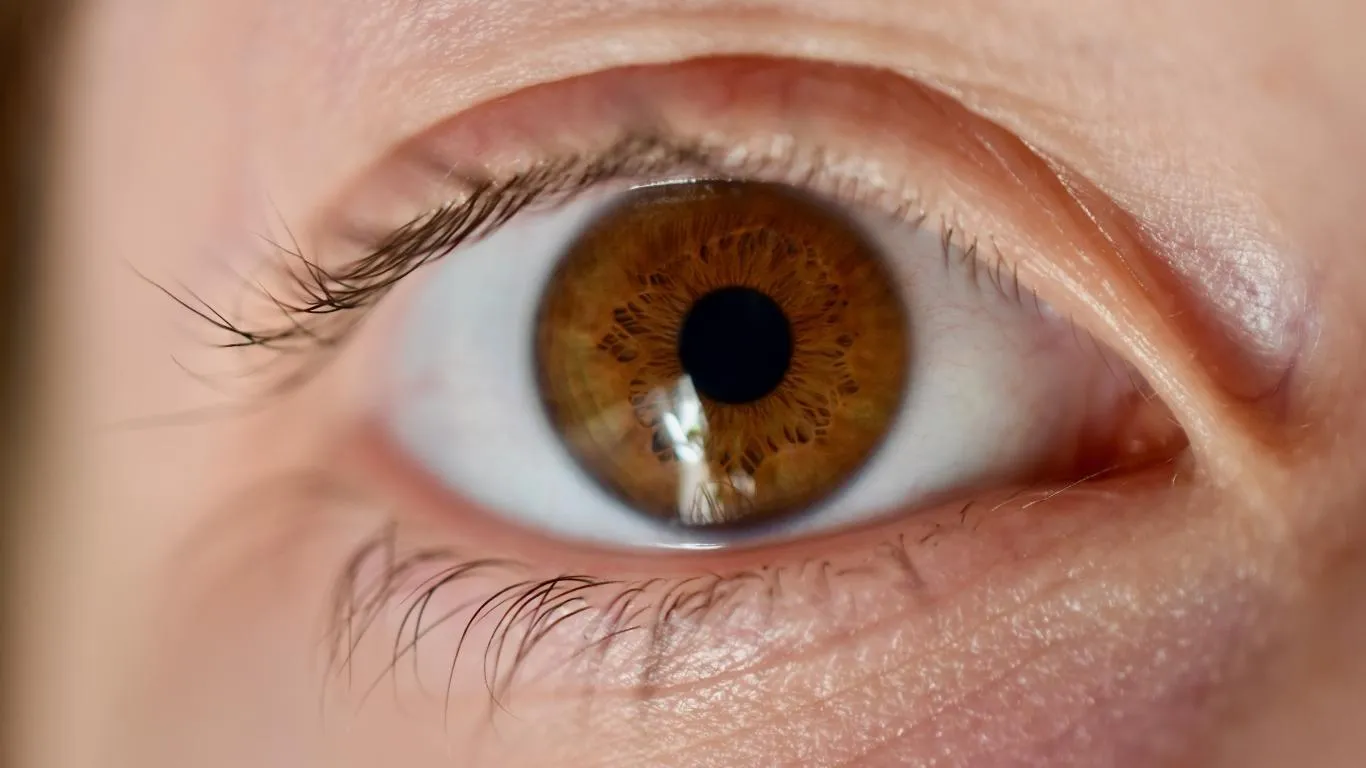
Ever notice how you unconsciously squint, lean, or turn your head just to “fix” your vision? I did it constantly without even realizing. Turns out, those subtle posture shifts are our body’s way of compensating for eye misalignment. But over time, they add strain—and that strain makes floaters more noticeable.
Here are some adjustments that made a real difference for me:
- Monitor height matters: Keep your screen at eye level to reduce unnatural head tilt.
- Ambient lighting: Harsh lighting can worsen floaters; soft, even lighting helped me reduce the contrast that made them so visible.
- Conscious blinking: It sounds silly, but it keeps your tear film balanced and reduces that dry, scratchy feeling that makes you rub your eyes—and rubbing? Total floater fuel.
- Scheduled visual breaks: I use the 20-20-20 rule religiously now. Every 20 minutes, I look at something 20 feet away for 20 seconds. It truly calms things down.
When you start combining these with gentle eye movement exercises, like figure-eights or convergence drills, you’re not just addressing the symptoms—you’re getting to the root of the visual stress that may be aggravating the floaters in the first place.
What Vision Therapists Know That Most Optometrists Don’t Talk About
This one surprised me. Most of us are used to regular eye doctors testing for clarity, not coordination. But vision therapists focus on how your eyes work together, and for floaters linked to misalignment, that’s a game-changer.
My therapist ran something called a cover-uncover test, which showed a slight inward drift in one eye that didn’t show up in standard refraction tests. It was enough to send my visual system into overdrive just to stay aligned—especially during close-up tasks. This explained why I’d get an uptick in floaters during long reading or screen sessions.
If you’ve been wondering why your floaters flare up during focused visual tasks, consider that subtle alignment issues might be triggering your visual system into hyperactivity. And that micro-movement? That’s what stirs the vitreous and kicks those floaters into action.
Signs Vision Therapy Might Be Worth It:
- You get floaters mainly when shifting focus or after long periods of concentration
- You notice mild eye fatigue, tension headaches, or light sensitivity
- Your floaters feel more intense during posture imbalance or neck strain
- Floaters spike during visually demanding days but ease with rest
When Floaters Mean Something More Serious
Alright, real talk—floaters can sometimes be more than just annoying. If you suddenly notice a burst of new floaters, flashes of light, or a shadow in your peripheral vision, stop reading and call your eye doc. These might be signs of a retinal tear or detachment.
Especially for folks with a history of misalignment, trauma, or high myopia, there’s a higher risk. I learned this the hard way after a friend ignored his symptoms and ended up needing emergency laser surgery. No joke.
One of the most helpful resources I came across was this detailed look at how floaters can precede retinal tears. Keep that bookmarked, just in case.
Are Certain People More Prone to Floaters From Misalignment?
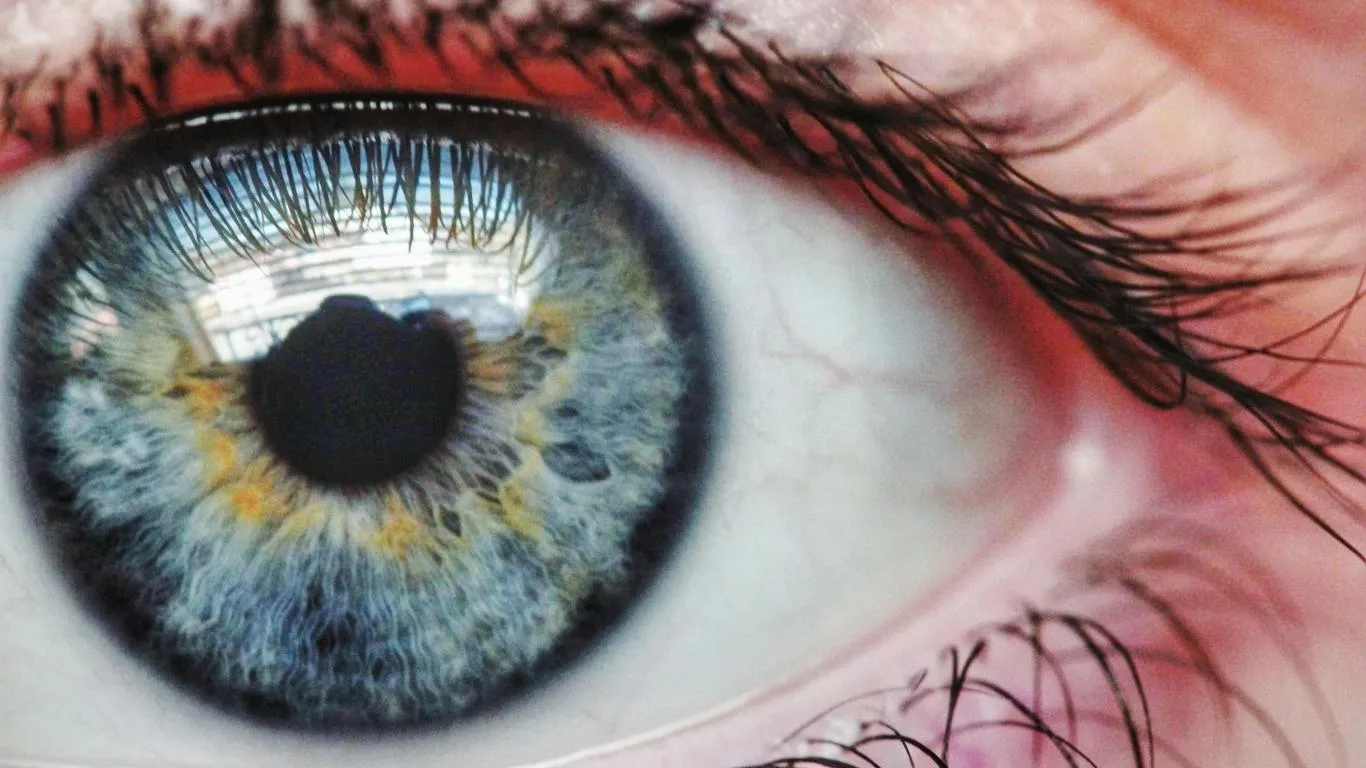
Surprisingly, yes. If you’ve ever dealt with connective tissue disorders like Ehlers-Danlos or Stickler syndrome, you’re more likely to have a weaker vitreous gel. Add a small misalignment on top of that, and your risk for noticeable floaters skyrockets.
Other factors that can compound the effect:
- High screen use with poor ergonomics
- Untreated childhood strabismus or lazy eye
- Long hours in bright light environments
- Frequent posture shifts or neck issues
Basically, if your visual system is under constant micro-adjustment, your vitreous doesn’t get a break. And if it’s already structurally delicate? You’ve got a perfect storm.
What the Science Says (and Why It Matters)
There’s growing interest in how visual misalignment contributes to ocular tension, but it’s still under-researched. A few promising papers from peer-reviewed ophthalmology journals (see: ncbi.nlm.nih.gov, aao.org) suggest that even subclinical alignment issues can lead to altered intraocular dynamics. Translation? Misalignment may physically influence vitreous behavior.
In other words, you’re not imagining it—and it’s not “just age.” The connection is real, and doctors are starting to take notice.
Where to Go From Here
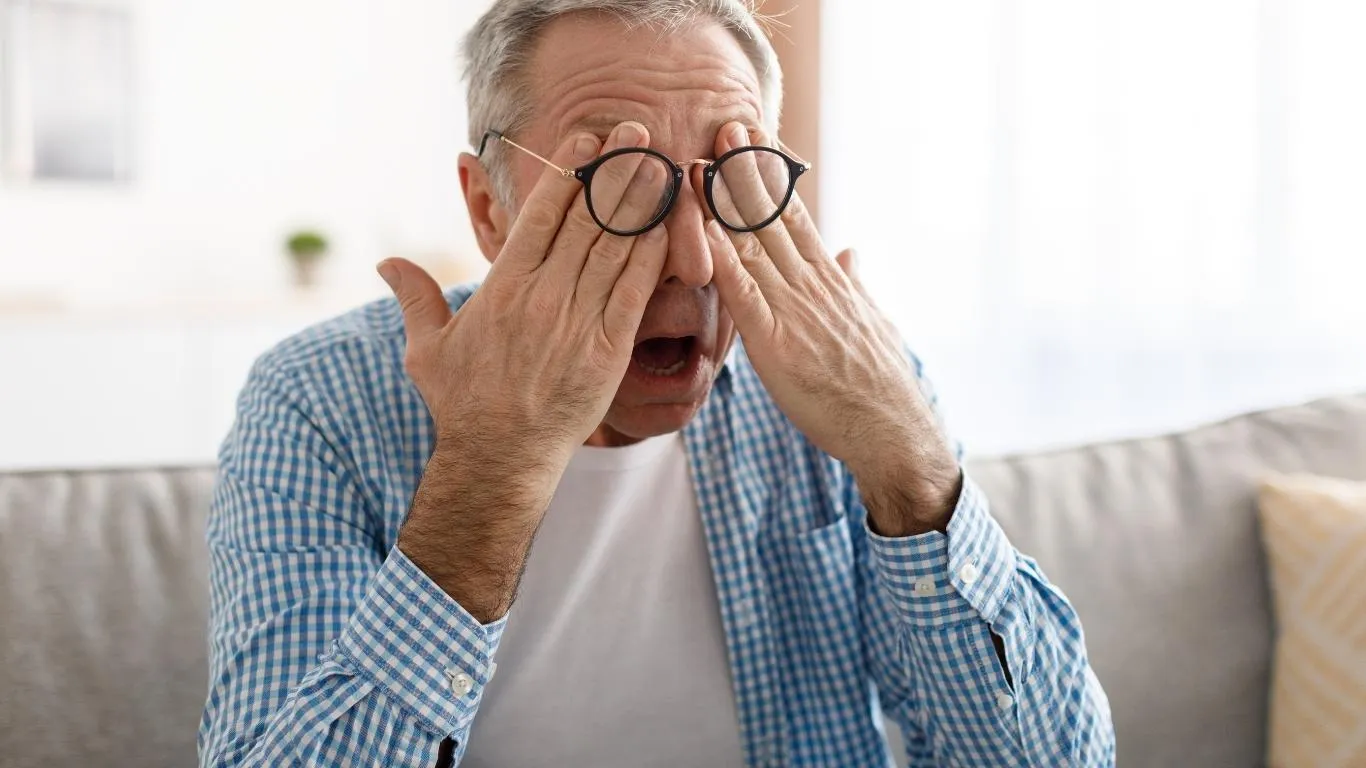
If you’re seeing floaters mostly when shifting focus, or you’ve got mild eye strain that doesn’t match your prescription, it might be time to take a closer look at your alignment. Talk to a behavioral optometrist. Try some vision therapy exercises. Tweak your environment a bit. Floaters won’t disappear overnight, but they absolutely can become less intrusive.
Here’s the good news: you’re not stuck. I’ve managed to reduce my floater frequency by 70% just by addressing alignment and muscle tension. It’s not magic—it’s mechanics.
And if you’re not sure where to begin, I’d start with this excellent guide on symptoms you shouldn’t ignore. It helps draw the line between common annoyance and serious issue. For a bigger-picture view of floaters in general, the main guide here has been incredibly useful as well.
Floaters don’t have to take over your vision. Sometimes, all it takes is looking at them—and your alignment—from a slightly different angle.

Camellia Wulansari is a dedicated Medical Assistant at a local clinic and a passionate health writer at Healthusias.com. With years of hands-on experience in patient care and a deep interest in preventive medicine, she bridges the gap between clinical knowledge and accessible health information. Camellia specializes in writing about digestive health, chronic conditions like GERD and hypertension, respiratory issues, and autoimmune diseases, aiming to empower readers with practical, easy-to-understand insights. When she’s not assisting patients or writing, you’ll find her enjoying quiet mornings with coffee and a medical journal in hand—or jamming to her favorite metal band, Lamb of God.