Why Floaters Triggered By Lighting Candles In Bedrooms Are Worse
I remember one quiet evening when I lit a vanilla-scented candle in my bedroom, hoping to unwind after a long day. The flame flickered gently, casting soft shadows on the walls. But as I lay back, trying to enjoy the moment, I noticed something odd — tiny specs and squiggly lines floating across my vision. I blinked, rubbed my eyes, looked away… but they were still there. That’s when I started connecting the dots: these floaters only seemed to show up when I was relaxing with candles on. Sounds familiar?
Why Do Eye Floaters Become More Noticeable Around Candlelight?
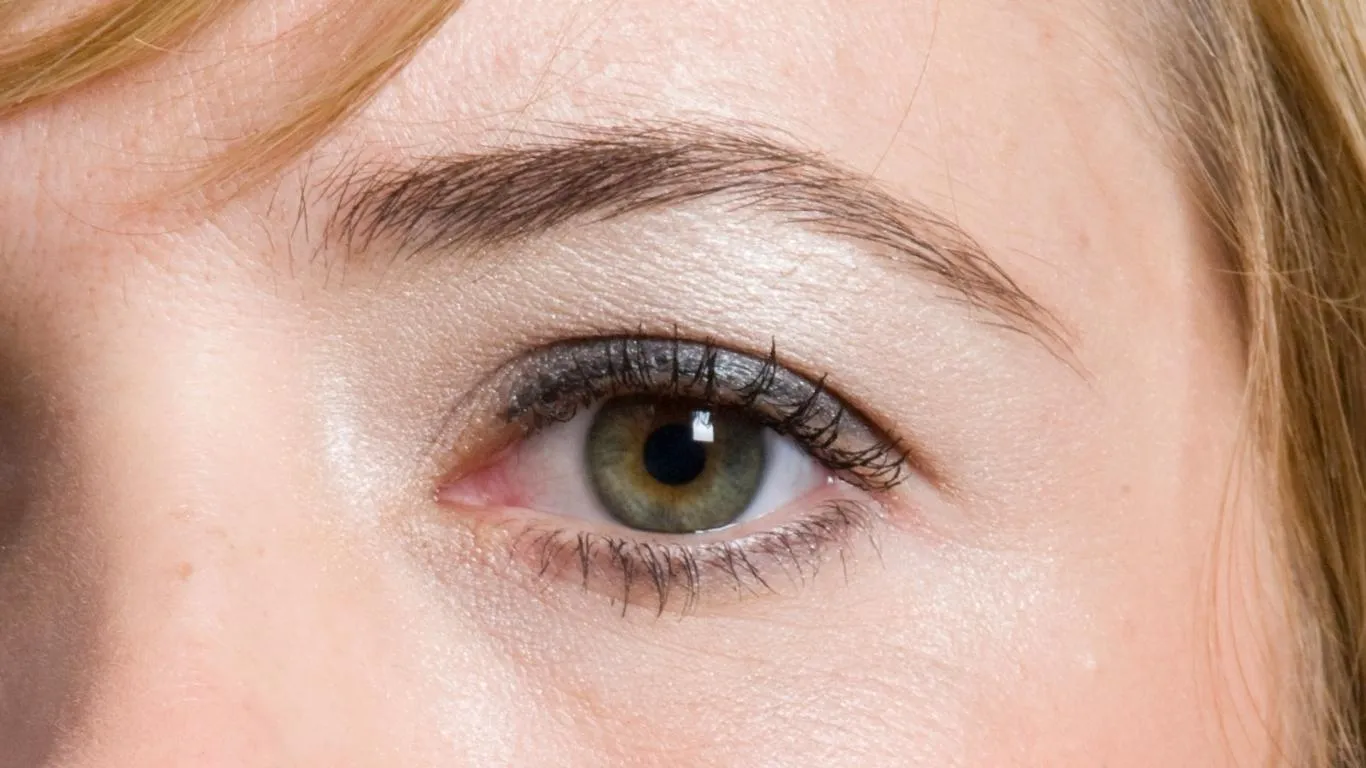
There’s something uniquely serene about dimly lit rooms. But when it comes to eye floaters, this soft lighting can ironically be the trigger that makes them stand out. Floaters themselves aren’t caused by candles — instead, it’s the *contrast* between the low ambient light and the flickering flame that brings them into focus.
Candlelight creates dynamic lighting — uneven shadows, soft glows, and moments of near-darkness. This ever-changing illumination amplifies the visual perception of floaters, especially for those already dealing with vitreous changes. And if you have light-colored walls or ceilings? You’re basically giving floaters a perfect backdrop to show off.
What’s Actually Floating Around In Your Eye?
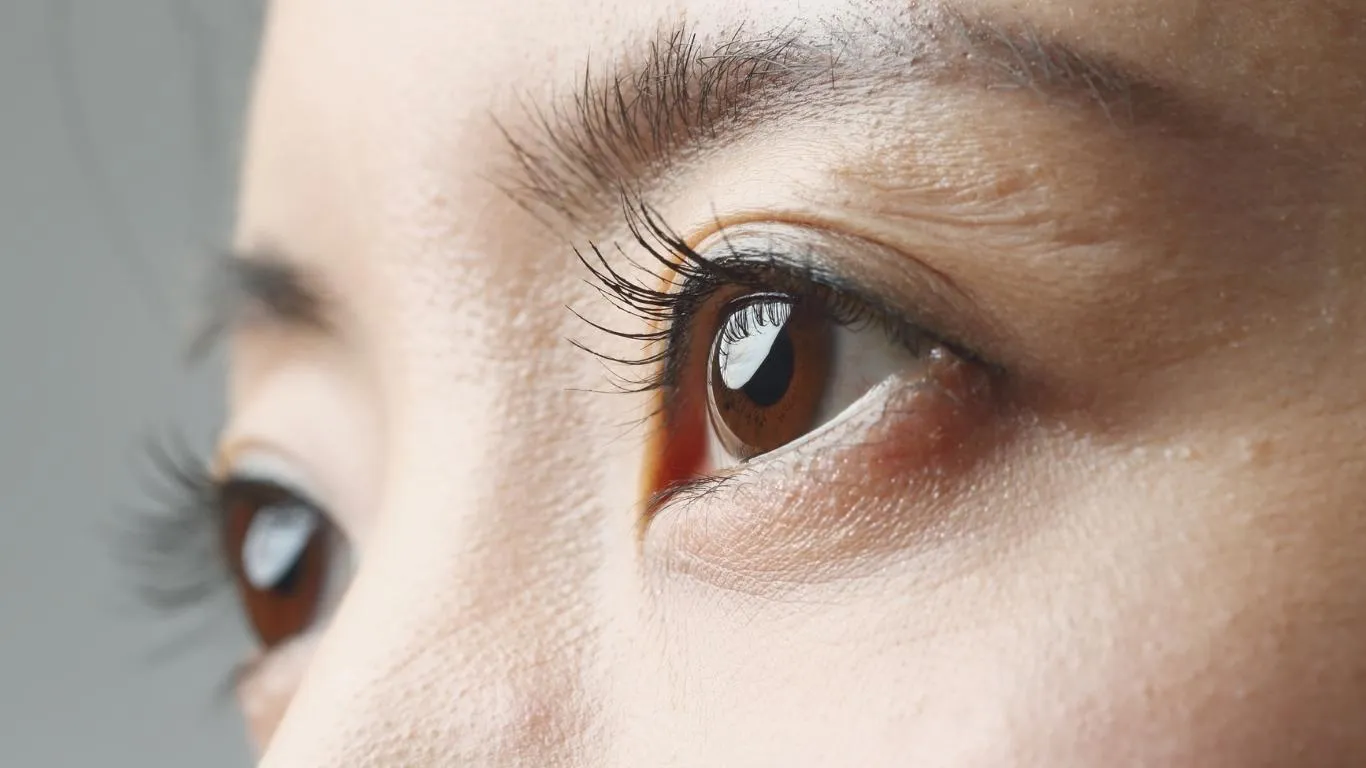
Eye floaters are tiny bits of collagen or proteins suspended in the vitreous — the gel-like substance filling the inside of your eye. As we age, this gel starts to liquefy and separate, creating little clumps or strands that float freely. When light enters your eye, these clumps cast shadows on your retina — and voilà, floaters appear.
Lighting a candle in an otherwise dark room accentuates those shadows. This isn’t just anecdotal; it’s something that eye professionals encounter often — especially among patients with *posterior vitreous detachment* or *mild vitreous degeneration*. If you’ve ever thought, *“I only notice floaters when I light candles in my bedroom,”* you’re not imagining it.
Are Candle-Induced Floaters A Sign of Something Serious?
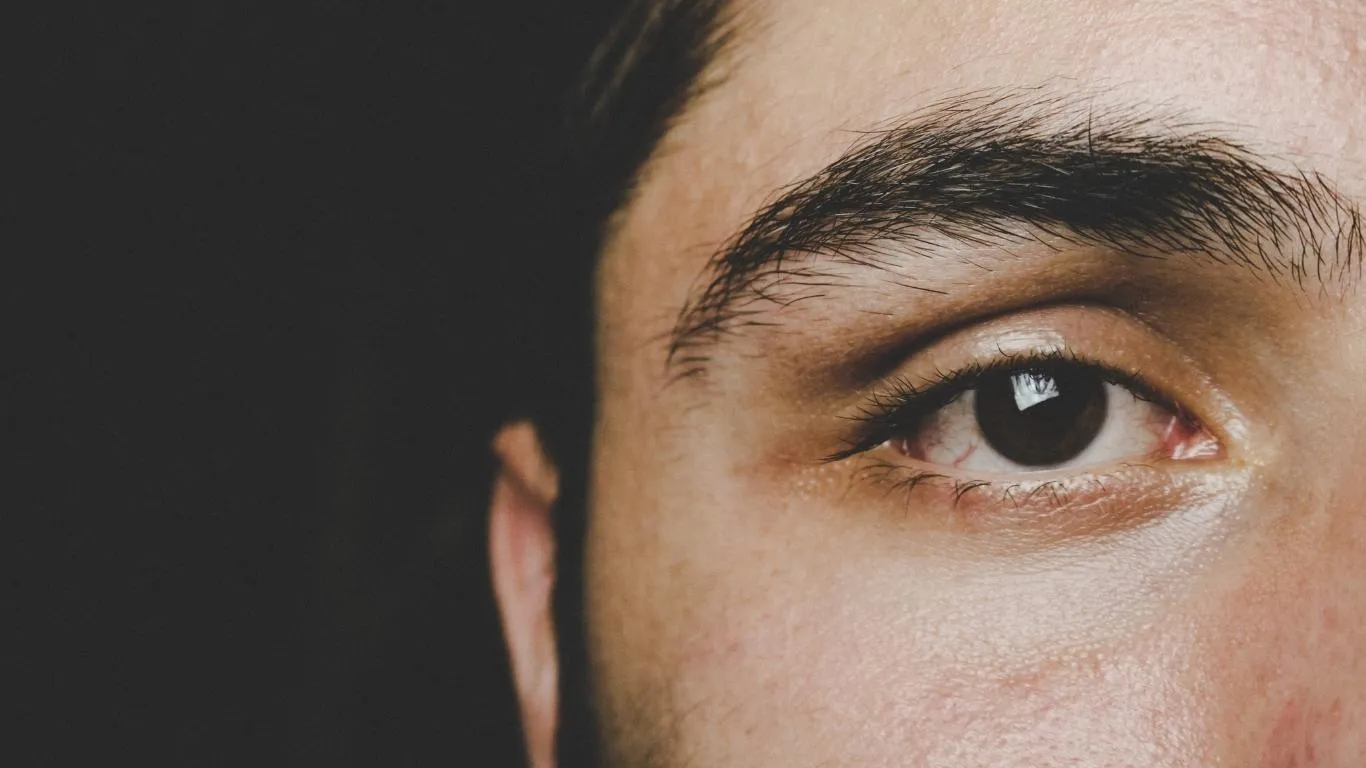
Most of the time, the sudden visibility of floaters during candlelight sessions isn’t a sign of new floaters forming — they’re just easier to see. That said, if you notice:
- A sudden increase in floaters
- Floaters accompanied by flashes of light
- A dark curtain or shadow in your peripheral vision
It’s time to take it seriously. These could be signs of a retinal tear or detachment. I learned that lesson the hard way. After ignoring a sudden cluster of floaters one evening, I ended up at an ophthalmologist the next morning — turns out, it was the early sign of a posterior vitreous detachment. Luckily, no retinal damage — but it was a close call.
If you’re concerned about floaters tied to light changes, especially if you’re noticing them more during activities like lighting candles, reading under lamps, or moving between rooms, it’s worth diving deeper into **[how age-related vitreous changes can lead to eye floaters](https://healthusias.com/how-age-related-vitreous-changes-can-lead-to-eye-floaters/)** — it covers this phenomenon quite well.
What Kind of Lighting Makes Floaters Worse?
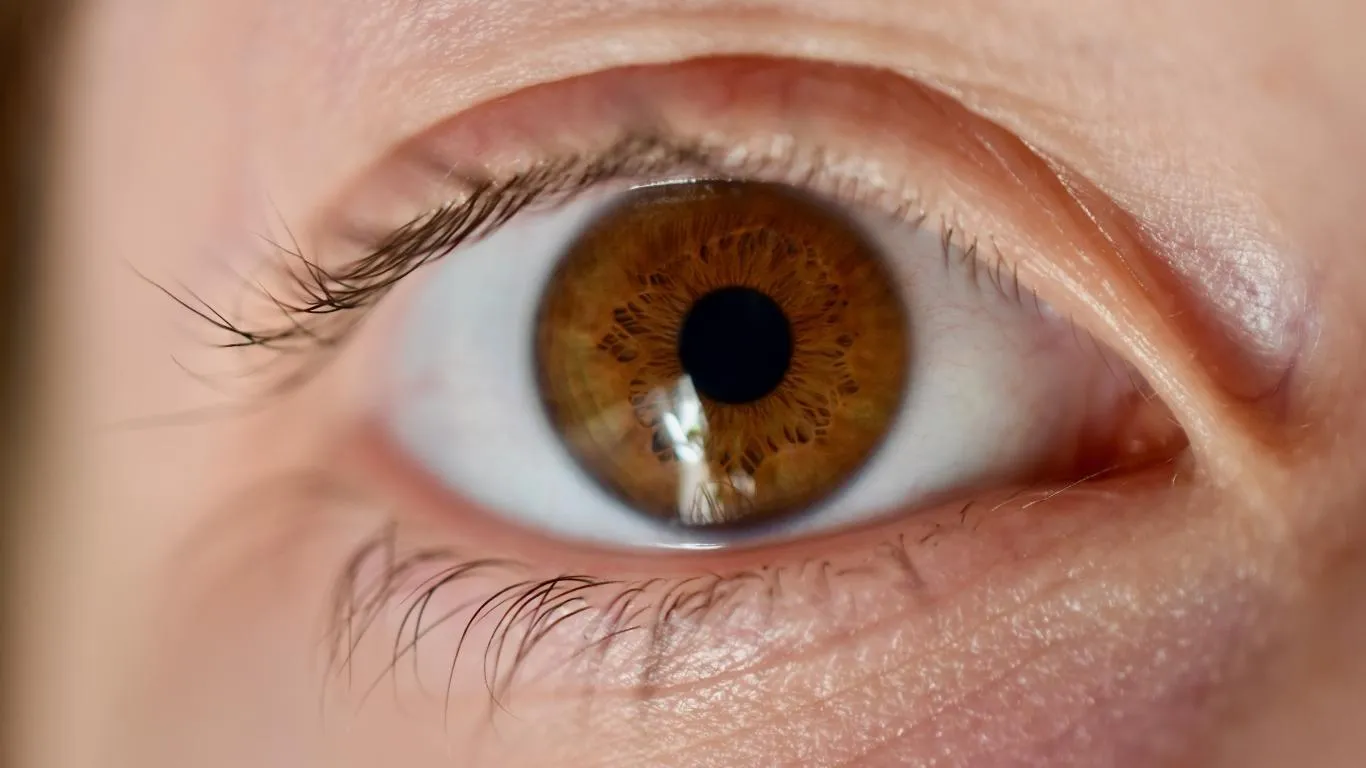
Candlelight isn’t the only culprit. Floaters seem to thrive in certain lighting environments. Some of the most commonly reported triggers include:
- Bright screens in a dark room (looking at your phone in bed?)
- Sunlight filtering through blinds
- Warm, low-contrast lighting like candles and Himalayan salt lamps
- Switching between artificial and natural light quickly
When lighting conditions shift rapidly, or when contrast is strong (like a candle in a dark room), floaters become exaggerated. Interestingly, a significant number of people also report issues while watching flickering television or computer screens — something I dug into more in this related piece: **[floaters that appear after screen time](https://healthusias.com/screen-time-might-be-making-your-eye-floaters-worse/)**.
Could It Be Something Else?
Not all visual disturbances are floaters. Some people confuse them with:
- Migraine auras (zigzag lines or shimmering lights)
- Visual snow (tiny dots across your visual field)
- Tear film instability (especially when blinking in dim light)
If you’re unsure what you’re dealing with, this article may help clear things up: **[key differences between floaters and flashes you shouldn’t ignore](https://healthusias.com/key-differences-between-floaters-and-flashes-you-shouldnt-ignore/)**.
How I’ve Learned to Work Around It
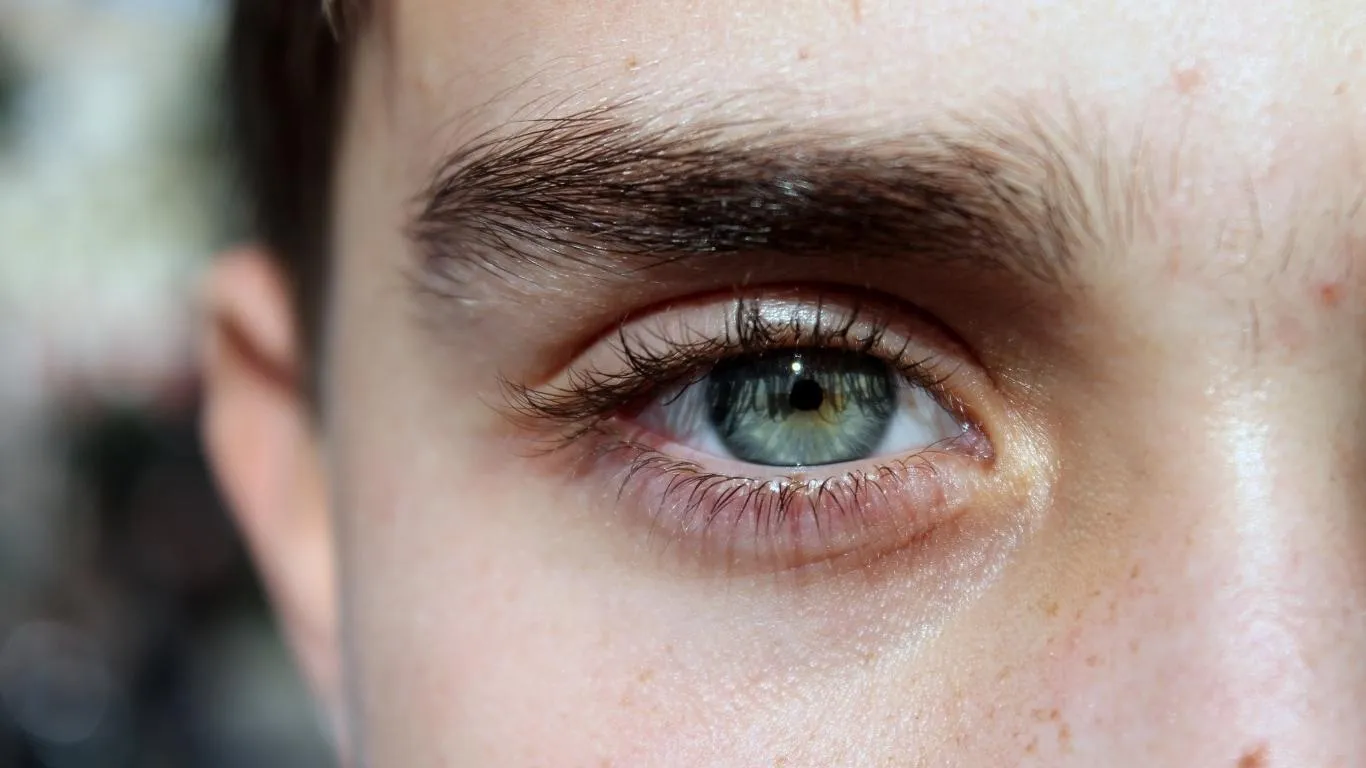
Nowadays, I still love lighting candles in my bedroom — I just do a few things differently. For starters, I avoid pitch-black rooms. I keep a low bedside lamp on while the candle burns, so the overall contrast is more balanced. I also make sure the candle isn’t placed in my direct line of sight; this cuts down on the intense flickering effect that used to make my floaters dance like crazy.
If you’re like me and enjoy a calm ambiance without the distraction of floaters taking over your view, a few practical tweaks can help:
- Use indirect lighting alongside candles (like a floor lamp)
- Avoid staring at the flame directly
- Position the candle lower than your eye level
- Take breaks and shift your gaze to diffuse the eye strain
Also — and this might sound unrelated, but hear me out — staying hydrated and getting enough sleep actually seems to make a difference in how intense floaters feel the next day. I’ve seen floaters spike during periods of stress and low sleep, which makes sense considering how much our eyes rely on stable internal conditions.
For more on how lighting affects floaters in general, I’d recommend checking out the detailed article: **[why bright lights make eye floaters worse — here’s what you should know](https://healthusias.com/bright-lights-make-eye-floaters-worse-heres-what-you-should-know/)**. It connects a lot of the dots around this topic.
And if you’re wondering whether you’re just being overly sensitive to all this, the truth is — you’re not. It’s a real, studied phenomenon. Even *[WebMD](https://webmd.com)* and *[aao.org](https://aao.org)* touch on how light conditions can amplify floater visibility. You’re definitely not alone in this.
Naturally, understanding when floaters are harmless versus when they’re hinting at something deeper is key. This guide on **[when are eye floaters dangerous](https://healthusias.com/when-are-eye-floaters-dangerous-signs-of-serious-conditions/)** lays out the signs you shouldn’t ignore.
And for a full breakdown of symptoms, causes, and when to act, don’t miss the main article: **[What Are Eye Floaters? Causes, Symptoms, and Treatment Options](https://healthusias.com/what-are-eye-floaters-causes-symptoms-and-treatment-options/)**.
When Should You Actually See a Doctor About Candlelight Floaters?
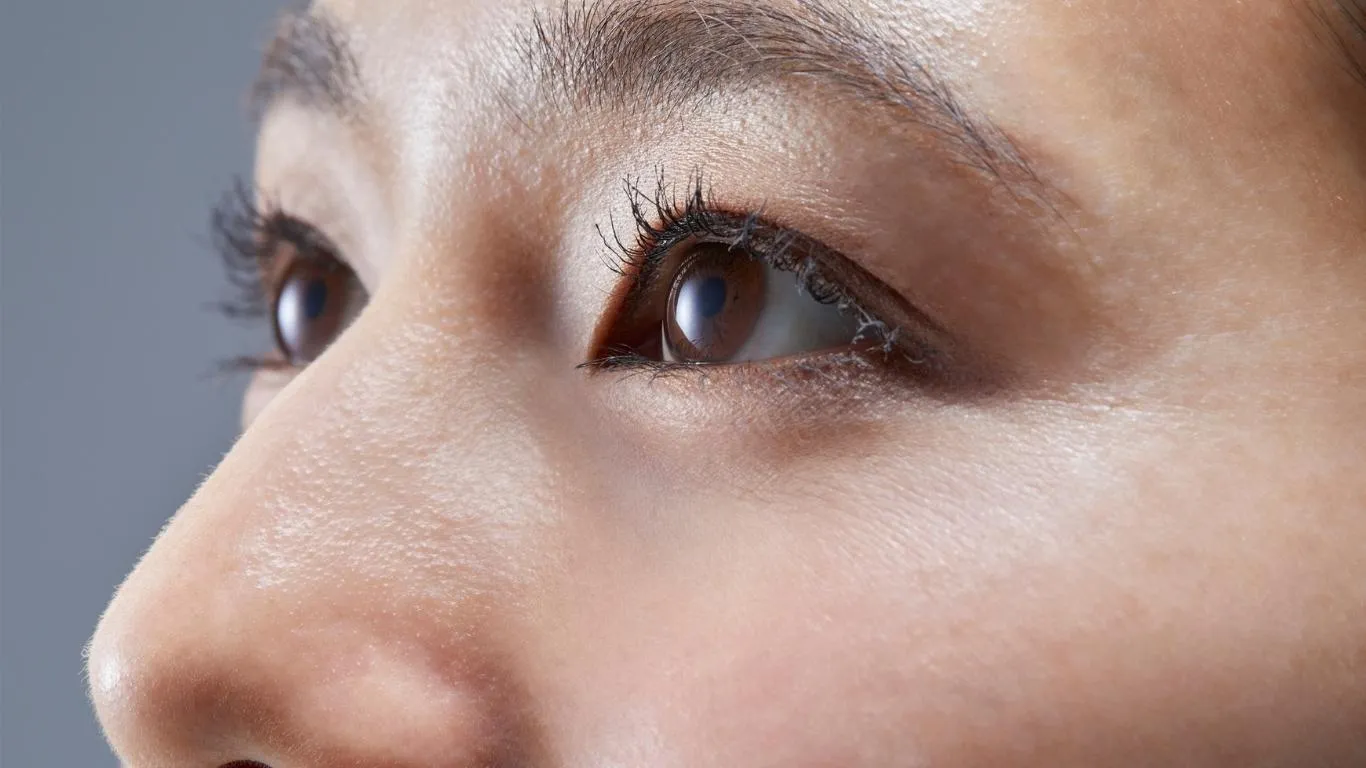
Let’s be honest — most of us don’t run to the doctor just because we saw a squiggle while staring at a candle. But sometimes, we should.
If you suddenly start seeing a “shower” of floaters or flashes in your peripheral vision — especially in a dark room with flickering light — don’t wait it out. That could mean something deeper, like **vitreous detachment**, or worse, a **retinal tear**.
A simple rule I personally follow is: if the floaters are *new*, *more frequent*, or *accompanied by flashes*, it’s worth getting checked. When in doubt, this guide is a good refresher on red flags: **[floaters before retinal tear could be a serious warning sign](https://healthusias.com/floaters-before-retinal-tear-could-be-a-serious-warning-sign/)**.
Eye specialists often use dilation and retinal imaging to ensure there’s no structural damage. Trust me, you’d rather have it checked than guess.
Ways to Reduce Floater Discomfort in Candlelit Environments
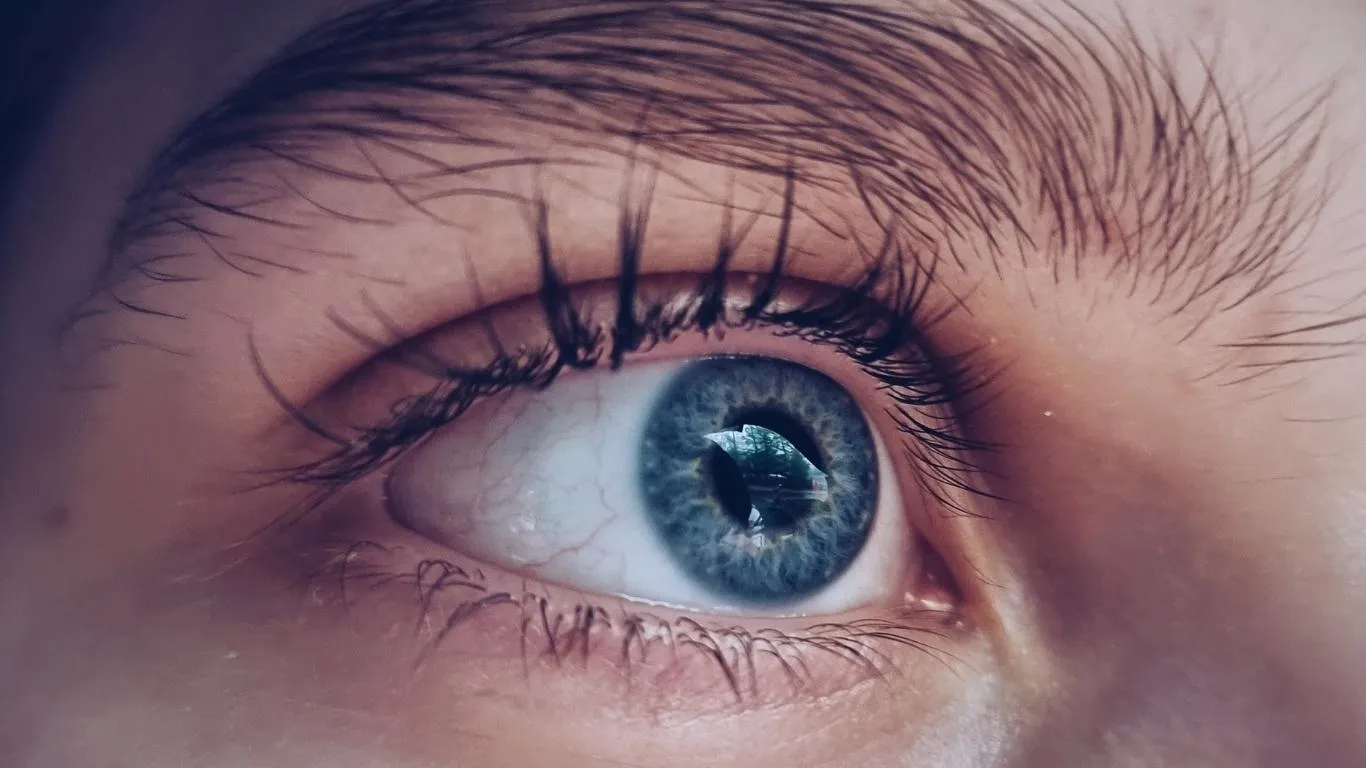
After my own experience, I got pretty nerdy with lighting setups. Turns out, even subtle adjustments can reduce floater visibility significantly:
- Add ambient light: A small wall sconce or salt lamp helps balance lighting contrast.
- Avoid direct line of sight: Don’t place the candle where you naturally gaze.
- Keep wicks trimmed: Less flicker, less contrast. A steady flame is gentler.
- Use warm light filters: Especially if combining candles with LED lights nearby.
- Choose textured walls or non-white ceilings: Flat white walls are floater theaters.
You don’t need to cancel your evening rituals — you just need to tweak the environment. I’ve even found **eye strain and floaters after meditation** to improve when I adjust my lighting. More on that in this related read: **[floaters visible during candle meditation](https://healthusias.com/floaters-visible-during-candle-meditation/)**.
Supplements, Exercises, and Natural Management — Real or Hype?
I was skeptical at first, but yes — there are *some* legit options out there. I’ve personally seen subtle but real improvement with:
- Lutein & Zeaxanthin: Found in spinach, kale, or as supplements. Backed by studies.
- Hydration: Seriously under-rated. My floaters spike during dehydration.
- Magnesium: Especially helpful if your floaters come with tension or eye strain. More details here: Magnesium & Floaters.
- Gentle eye movements: Slowly move your gaze in circles, then side to side. It helps shift the floaters out of your central vision.
That said, don’t fall for quick-fix pills that promise to “eliminate” floaters. Even authoritative sources like aao.org emphasize that most floaters fade from perception over time, not disappear entirely.
Floaters and Mental Fatigue — The Overlooked Link
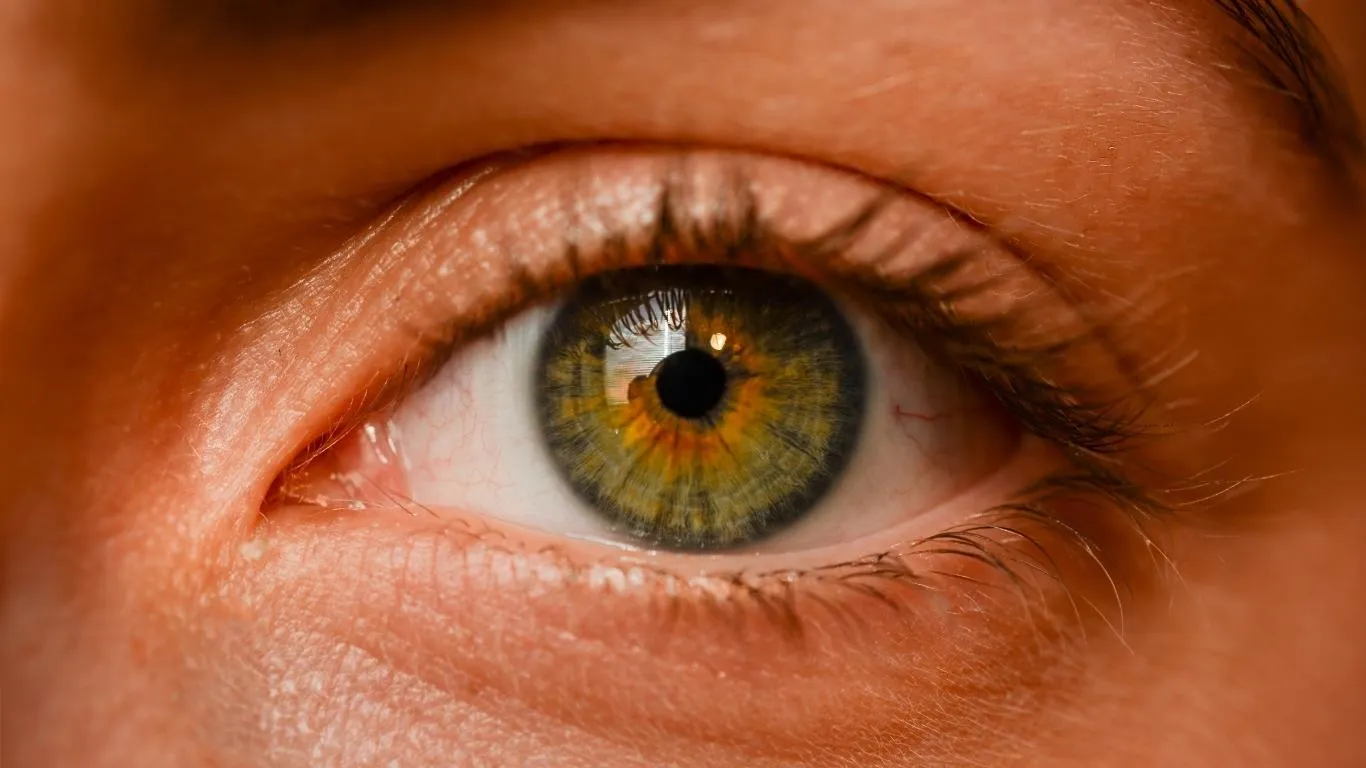
This part surprised me. After months of tracking my symptoms, I noticed a trend — floaters got worse during times of mental overload. After long work days, intense coding sessions, or even just emotional stress… candlelight made those floaters feel louder somehow.
There’s some science behind this too. Mental fatigue can affect your eye muscles, tear production, and how well your brain filters out internal visual “noise.” If you’re staring at a flame after eight hours on Zoom, no wonder floaters take center stage.
I’ve found that managing floaters is as much about managing stress as it is about managing lighting. That’s why I keep this bookmarked: **[floaters triggered by mental exhaustion](https://healthusias.com/floaters-triggered-by-mental-exhaustion/)** — it hit home in a lot of ways.
Should You Just Stop Using Candles Altogether?
Not necessarily. I still light candles — I just don’t do it blindly anymore (no pun intended).
Here’s a quick checklist I now follow:
- Use candles with wide flames (less flicker)
- Always pair candles with indirect ambient light
- Rotate your gaze occasionally — don’t just zone in on the flame
- Stay hydrated, especially at night
- Know your patterns. Track when and how floaters show up
I treat it like managing any visual sensitivity. You don’t need to eliminate triggers completely — just outsmart them.
And if you’re unsure whether what you’re experiencing is even floaters, this breakdown might help: **[eye floaters vs other eye problems — how to tell the difference](https://healthusias.com/eye-floaters-vs-other-eye-problems-how-to-tell-the-difference/)**.
Still Curious About the Full Picture?
If the idea of floaters showing up only during candlelit moments sounds niche, you’re not alone. But there’s a lot more behind this than most people realize — and it all connects back to the broader issue of how light, aging, eye health, and our environment interact.
I’d definitely recommend diving into this in-depth resource that covers floaters caused by changing light environments: **[why exposure to bright light makes eye floaters more noticeable](https://healthusias.com/why-exposure-to-bright-light-makes-eye-floaters-more-noticeable/)** — it’s one of the most relevant deep dives available on the subject.
Also, if you’re looking for a full, evidence-backed guide that breaks down the causes, signs, and all treatment options — whether you’re lighting candles or not — this main resource is where you should start: **[What Are Eye Floaters? Causes, Symptoms, and Treatment Options](https://healthusias.com/what-are-eye-floaters-causes-symptoms-and-treatment-options/)**.
And for a nuanced view of natural remedies that *might* help without falling into pseudoscience traps, here’s a thoughtful article worth checking out: **[natural ways to manage eye floaters — fact or fiction?](https://healthusias.com/natural-ways-to-manage-eye-floaters-fact-or-fiction/)**.
Floaters aren’t just a nuisance — they’re signals. Understanding when to adjust, when to wait, and when to act could make all the difference between a peaceful evening and a worried night.

Camellia Wulansari is a dedicated Medical Assistant at a local clinic and a passionate health writer at Healthusias.com. With years of hands-on experience in patient care and a deep interest in preventive medicine, she bridges the gap between clinical knowledge and accessible health information. Camellia specializes in writing about digestive health, chronic conditions like GERD and hypertension, respiratory issues, and autoimmune diseases, aiming to empower readers with practical, easy-to-understand insights. When she’s not assisting patients or writing, you’ll find her enjoying quiet mornings with coffee and a medical journal in hand—or jamming to her favorite metal band, Lamb of God.