Why Floaters Triggered by Loud Ambient Sound Shouldn’t Be Ignored
Ever had that bizarre moment when you’re at a concert or walking near a construction site and suddenly—bam—tiny shadowy specks or squiggles drift across your vision? It happened to me at a busy street festival last summer. As the music ramped up and bass thumped deep in my chest, my eyes went rogue—suddenly flooded with floaters, like dark smoke trapped inside my eyeballs. I thought I was just exhausted or maybe dehydrated, but turns out, loud ambient sound might be the unlikely trigger. Let’s talk about it.
Can Loud Sounds Really Trigger Eye Floaters?
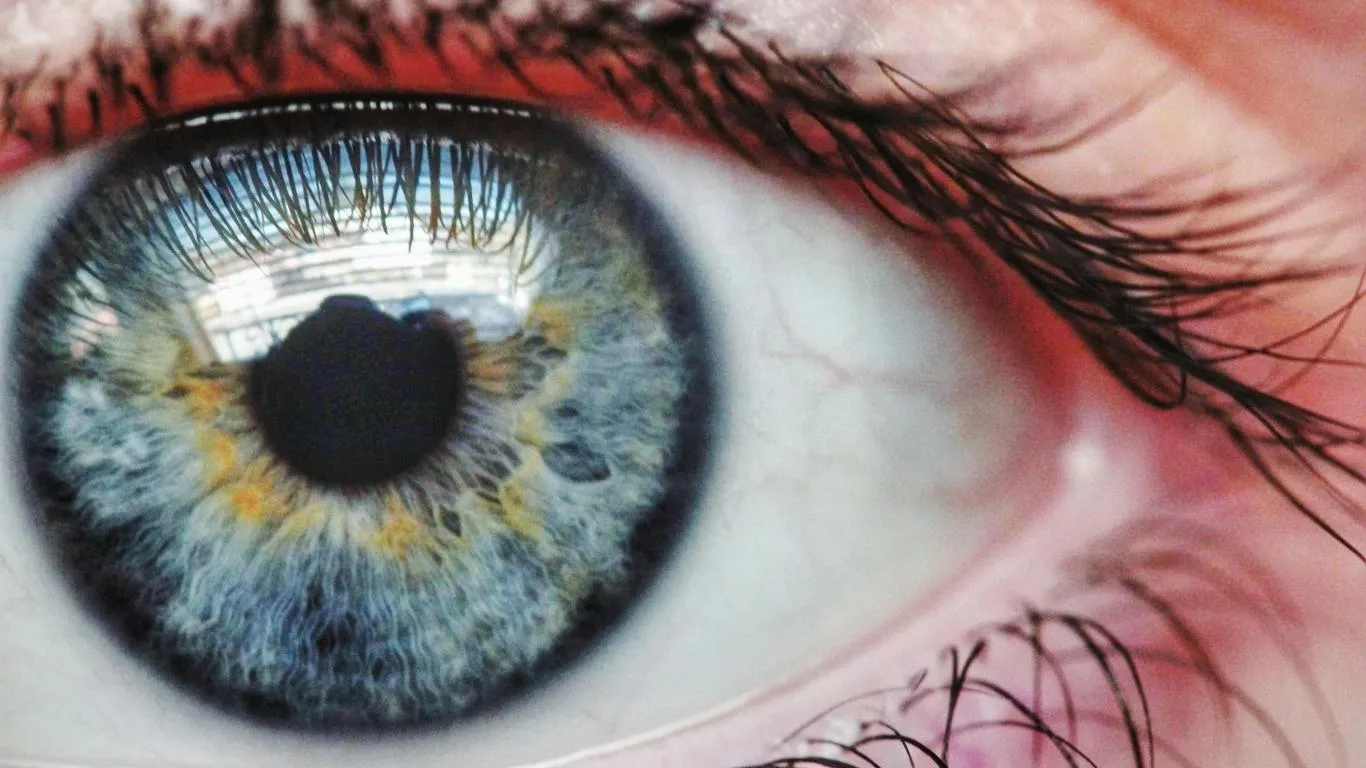
It sounds like science fiction at first—how could your ears have anything to do with your vision? But if you’ve ever noticed eye floaters appear more vividly after hearing sharp or prolonged loud noises, you’re not imagining things.
Floaters—those ghostly specks, webs, or thread-like shapes drifting across your field of view—are often caused by changes in the vitreous, the gel-like substance inside your eyes. When loud ambient sounds trigger stress responses or sudden shifts in blood pressure, they may also influence intraocular pressure or the state of the vitreous body, especially in sensitive individuals.
Why Loud Ambient Sounds Affect More Than Just Your Ears
Loud environments don’t just wear on your hearing—they crank up your whole nervous system. Think elevated cortisol levels, increased heart rate, and yes, subtle eye strain. If you’re someone already prone to floaters, your vitreous humor may respond to these stimuli with more movement or stress-induced micro-disruptions.
According to National Eye Institute, floaters tend to become more visible during stress, fatigue, or when you’re hyper-aware of your surroundings—conditions loud noise easily induces. The sudden jolt of auditory input can heighten your visual sensitivity and awareness, making existing floaters more noticeable—or causing them to emerge altogether.
The Science Behind It: Eye-Ear Connection
Your eyes and ears may seem like distant cousins, but they’re closer than you think. They’re both deeply connected through cranial nerves and the autonomic nervous system. When your auditory system gets overloaded by sound, it can spark a cascade that affects blood vessels in and around your eyes. This can increase the chances of floaters appearing, especially if you’re already dealing with issues like mild vitreous detachment or systemic inflammation.
Inflammation and Floaters: A Surprising Culprit
It’s wild how many things inflammation sneaks into. And yes, there’s growing evidence that inflammatory triggers can lead to more floaters. One fascinating read on this is this piece about inflammation and floaters, which explains how systemic responses—like those from stress or overstimulation—could affect your vitreous.
Who’s at Higher Risk for Noise-Triggered Floaters?
Let me be real—when this happened to me, I had no clue I was even at risk. But after doing a deep dive, I realized some people are more susceptible to this weird phenomenon than others. You might be in that group if you:
- Spend a lot of time in loud environments (hello DJs, bartenders, city dwellers)
- Already have mild eye issues like posterior vitreous detachment (PVD)
- Experience migraines, visual auras, or tension headaches regularly
- Have high blood pressure or issues with ocular circulation
One study even mentioned links between loud ambient noise and increased blood-retinal barrier permeability. That’s medical-speak for: your inner eye could get just enough stress to shift the gel and allow floaters to show up or get worse. It’s also worth checking out the treatment breakdown for eye floaters to see what can be done if yours become more than just an annoyance.
What It Feels Like: Real Experiences
In case you’re wondering whether you’re alone—you’re not. I’ve read posts and forums where people described floaters flaring up after a night at a rock concert, working at a nightclub, or even after a noisy family gathering with kids screaming (been there). What stood out to me is how often people chalk it up to “overthinking” when in fact, their bodies are reacting to real stimuli.
If you’ve ever said, “It’s probably nothing,” but deep down felt like something changed after that loud experience—you might want to trust your instincts. You’re not imagining it, and you’re not overreacting. Check out this related post on floaters after loud noises for more insights.
How to Minimize the Risk
- Use earplugs – Especially if you’re at concerts, construction zones, or noisy events.
- Limit screen time after noise exposure – Give your eyes a break if your ears have been overwhelmed.
- Hydrate and rest – It sounds simple, but fatigue and dehydration make floaters worse.
- Keep tabs on your blood pressure – Sudden spikes can mess with your ocular pressure.
If you’re the type that’s more visually sensitive, your floaters might even show up from stress-induced triggers. That’s why this article from stress-induced floaters relief guide is worth bookmarking.
To dive deeper into causes that go beyond loud sound, this comprehensive cause guide explains how floaters can come from things as diverse as trauma to natural aging. You can also find a full overview in our main explainer on floaters, which walks through what’s normal, what’s not, and when to take it seriously.
What To Do When Floaters Stick Around After Loud Sounds
So, you’ve had a loud night—or maybe a stressful workday full of ambient noise—and now you’re stuck watching those annoying squiggles float across your vision like uninvited guests. I’ve been there. I remember one time after a fireworks show, I couldn’t unsee those shadowy loops dancing across my view for two straight days. It freaked me out. The good news? There are steps you can take, and no—you’re not just stuck with them forever.
First, Rule Out the Serious Stuff
Before we dive into the “how to manage” part, we need to be real: if your floaters showed up suddenly and in large numbers—especially if they’re paired with flashes of light or a dark curtain over your peripheral vision—please see an eye doctor, like immediately. These can be signs of a retinal tear or detachment, and that’s not something to sleep on.
Check out this important guide on floaters as a warning before retinal tears. It explains the difference between regular floaters and ones that could mean real eye danger.
Natural Strategies That Actually Help (From Someone Who’s Tried ‘Em)
I’m not a doctor, but after trying nearly everything short of surgery, here’s what genuinely helped me reduce the intensity and frequency of floaters triggered by noise:
- Omega-3 supplements and lutein-rich foods – My eye doctor recommended these to help support eye health from the inside out. I started eating more spinach, eggs, and fish. Over time, my floaters became less aggressive, especially after noisy days.
- Hydration + Magnesium – Floaters can feel worse when your body’s low on fluids or electrolytes. I now always hydrate before going to crowded, loud places.
- Sound-dampening headphones – Game changer. Whether I’m walking down a noisy street or stuck in a chaotic office, using these helped lower my body’s stress reaction and visual discomfort.
- Blue light filters – I noticed floaters stick around longer after screen time post-noise exposure. Blue light filtering glasses helped reduce this effect.
Also, give this read a look: Best supplements for floaters – I used it as a reference when building my routine.
How to Track Floaters Without Obsessing Over Them
Here’s the thing. Once you notice floaters, it’s hard to “un-notice” them. I started journaling after each loud event—concerts, even busy cafés—to see if a pattern existed. Turned out, there was. The louder and more chaotic the event, the more I noticed floaters the next day.
I began limiting back-to-back exposure to noise and adjusting my visual recovery time after. Here’s a great link if you want to learn how to track changes in your floaters without spiraling into anxiety mode.
When Professional Help Might Be Worth It
If floaters become a serious distraction—like they mess with reading, driving, or screen work—you don’t have to just “live with it.” I was surprised to learn that there are non-invasive treatments (besides vitrectomy) that may help, like laser vitreolysis in specific cases. It’s not for everyone, but it’s worth exploring.
This breakdown of eye floater treatments lays out your options clearly—whether you’re curious about monitoring, drops, or surgery-level interventions.
Don’t Ignore Mental Health
Here’s a curveball I didn’t expect: how much floaters messed with my mood. I was anxious, irritable, and borderline obsessed with tracking them. And I’m not alone—this floaters and mental health piece explores how these dots and lines can quietly affect how we feel.
Now, I incorporate breaks, meditation, and mindfulness (even just 5 minutes a day). When I keep my mind calm, the floaters bother me less. Sounds simple, but it helped more than I expected.
Other Floaters Triggers to Watch Out For
Loud sounds aren’t the only stealthy culprits. Based on what I’ve seen and what other readers shared, here are a few to keep an eye on:
- Dehydration – Especially after travel, caffeine, or alcohol-heavy events (read more here)
- Screen time in dark rooms – It ramps up contrast, making floaters stand out
- Sleep deprivation – Floaters love tired eyes
- Eye rubbing – Major no-no, especially after sound fatigue (here’s why)
And if you think your symptoms overlap with other eye conditions, this detailed guide on floaters vs other vision problems can help you sort things out confidently.
Why This Isn’t Just “In Your Head”
One thing I wish I had known earlier: just because something isn’t widely discussed doesn’t mean it’s not real. Floaters triggered by loud ambient sound are valid. Your eyes and ears work in harmony, and overstimulation in one can impact the other. And if you’re reading this thinking, “That’s me,” trust your body—it’s sending signals for a reason.
To understand more about the underlying anatomy and full range of causes, don’t miss this essential primer on what eye floaters are and what they mean. It’s the kind of thing I wish I’d read when this all started.

Camellia Wulansari is a dedicated Medical Assistant at a local clinic and a passionate health writer at Healthusias.com. With years of hands-on experience in patient care and a deep interest in preventive medicine, she bridges the gap between clinical knowledge and accessible health information. Camellia specializes in writing about digestive health, chronic conditions like GERD and hypertension, respiratory issues, and autoimmune diseases, aiming to empower readers with practical, easy-to-understand insights. When she’s not assisting patients or writing, you’ll find her enjoying quiet mornings with coffee and a medical journal in hand—or jamming to her favorite metal band, Lamb of God.