Why Floaters Triggered by Mental Exhaustion May Get Worse
Ever found yourself staring at a computer screen for hours, only to notice tiny specks or squiggly threads drifting across your vision? I have — and let me tell you, it’s unnerving. At first, I chalked it up to just being tired or staring too long at a bright screen. But over time, I realized those pesky spots weren’t going away. What I was dealing with were floaters — not the age-related kind, but the type *triggered by mental exhaustion*. And yes, that’s a real thing.
What Are Eye Floaters, and Why They Show Up When You’re Mentally Drained
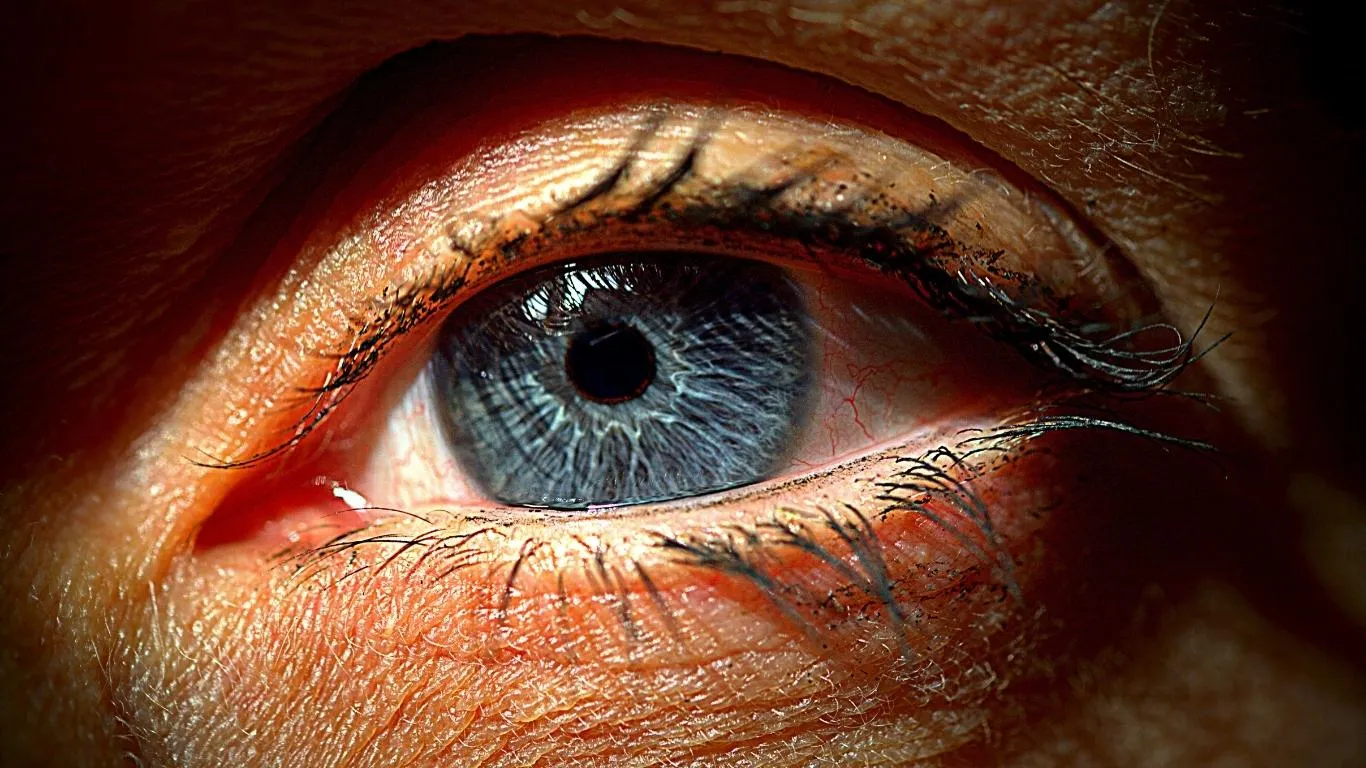
Eye floaters are small, shadowy shapes that drift across your field of vision. They can look like cobwebs, circles, strands, or even tiny black dots. While they’re commonly associated with aging, not all floaters stem from getting older. Mental fatigue, stress, and lack of proper eye rest can play surprising roles in making these floaters appear more frequently — or even suddenly.
Think of your eyes like a computer that never really gets shut down. When you’re mentally burnt out, the strain doesn’t just affect your mind — it literally spills over into your vision. Your eyes are connected to your brain via the optic nerve, and the more overworked your nervous system is, the more your visual system struggles to keep up.
How Mental Exhaustion Triggers Floaters
The Brain-Eye Fatigue Connection
The relationship between mental burnout and floaters isn’t just anecdotal — it’s rooted in neuro-ocular stress. When you’re overloaded with information, multitasking beyond your limit, or simply not sleeping enough, your brain sends signals to your eyes that can cause them to overwork, dry out, or become hypersensitive.
I’ve noticed during back-to-back Zoom calls or late-night writing sessions, my floaters seem to multiply. Turns out, this isn’t a coincidence. According to the American Academy of Ophthalmology, excessive screen use and lack of eye rest can exacerbate pre-existing floaters or even trigger new ones.
Vitreous Stress and Dehydration
Floaters form in the vitreous humor — the gel-like substance in your eye. When you’re under intense mental stress, your body may produce more cortisol, which can alter fluid balance, dehydrate the vitreous, and cause shrinkage or movement. This can result in floaters becoming more noticeable or emerging for the first time.
For more insight into the dehydration aspect, this piece on floaters and dehydration goes deep into how internal fluid imbalance worsens the problem.
Symptoms That Point to Stress-Related Floaters
- Floaters that appear after extended periods of concentration or multitasking
- Increased visibility of floaters during times of anxiety or fatigue
- Temporary spikes in floaters after emotional exhaustion
- Floaters more noticeable when looking at bright screens or blank walls
- Eye twitching or discomfort accompanying floater episodes
Many of these symptoms match those detailed in this breakdown on anxiety-induced floaters. If you’re experiencing several of these signs consistently, it might be time to reevaluate your stress levels — not just your eye health.
My Personal Floater Story (Yes, It Got Weird)
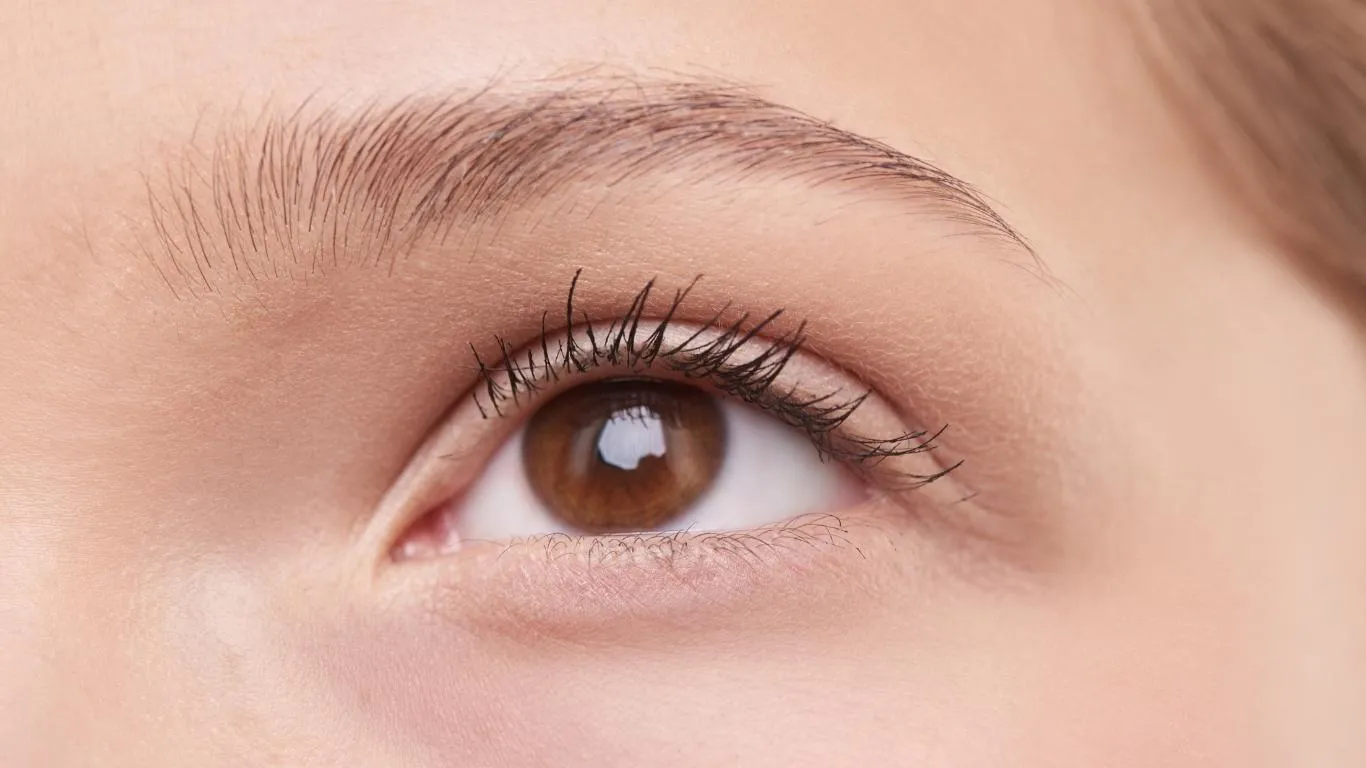
Let’s be real — I used to think floaters were just an “old people problem.” That was until a particularly rough deadline week. I was downing coffee like water, running on four hours of sleep, and juggling way too many tabs — both in my browser and my brain. That’s when I first noticed the floaters. Small at first, like dust, then gradually larger and more frequent.
Convinced it was screen time or bad lighting, I went into full paranoia mode — WebMD, forums, you name it. But it wasn’t until I stumbled across this article on stress and floaters that it clicked: my floaters were practically shouting, “Hey, your brain needs a break!”
Taking breaks helped. So did better hydration and sleep hygiene. The floaters didn’t vanish overnight, but they eased up — a reminder that the eyes and brain are teammates, not separate players.
When to Be Concerned — And When It’s Just Stress
- If floaters suddenly increase or are accompanied by flashes of light
- If you experience vision loss or a shadow across your field of vision
- If your floaters remain persistent despite lifestyle changes
- If they come with severe eye pain or pressure
These red flags could point to retinal issues. Always consult with an ophthalmologist if you’re unsure. For more info on when floaters cross into dangerous territory, this guide breaks it down in detail.
Understanding what separates a stress-related floater from a serious retinal problem is essential. For more on that topic, this foundational piece on eye floaters vs. other vision issues is extremely helpful.
Smart Ways to Reduce Floaters Caused by Mental Exhaustion
Here’s what actually helped me — and continues to help during those “too much brain fog” days:
- 20-20-20 Rule: Every 20 minutes, look at something 20 feet away for 20 seconds
- Hydration: Don’t underestimate the power of water — your eyes need it
- Breaks from Blue Light: Use blue-light filters and get off screens when you can
- Mental Rest: Meditation, walks, or even quick power naps help reset your brain-eye circuit
- Sleep: You cannot out-caffeine floaters. Proper rest is non-negotiable
Want a deeper dive into what really works? Check out this breakdown on natural floater relief from stress.
For the full overview of eye floater causes, treatment paths, and what’s fact vs. fiction, the main guide here is a great place to start. And if you’re ready to explore how different lifestyle triggers — from injury to infections — play a role, this article offers expert insight.
Why Mental Exhaustion Makes Floaters More Noticeable
Ever noticed how floaters seem to “wake up” right when your brain feels like shutting down? That’s not your imagination — it’s actually quite common. When I’m mentally spent, even a short walk under the sun makes floaters dance all over my vision. Turns out, mental exhaustion not only contributes to the formation of floaters but also *amplifies your awareness* of them.
The brain’s processing center becomes more sensitive when it’s running low on fuel. You’re not just tired — your brain is overanalyzing every visual anomaly, and that includes floaters. A normal, harmless floater becomes impossible to ignore because your brain is stuck in alert mode. Here’s an article that explains why artificial lighting and tired eyes can make floaters more prominent.
Heightened Sensory Awareness
In a mentally overloaded state, your senses can go into hyperdrive. The same way loud noises feel louder or lights feel harsher when you’re stressed — floaters become more vivid. Add in screen fatigue, and your visual system is practically begging for mercy. If you’ve ever found yourself blinking more or squinting at your phone after hours of work, you know exactly what this feels like.
It’s why many people report floaters that show up only under certain conditions — like while reading white pages or switching from light to dark rooms.
Floaters Triggered by Burnout: It’s Not Just the Eyes
We often forget that burnout affects the *whole body*, not just our emotions. If your stress response is chronically activated, it can cause inflammation, disrupt hormone levels, and mess with your sleep. All of which set the stage for floaters — especially the kind that appear out of nowhere.
Adrenal Fatigue and Floaters
One lesser-known connection is between adrenal fatigue and floaters. When you’ve been under constant pressure, your adrenal glands can’t keep up. This results in poor circulation, reduced nutrient delivery to the eye, and — surprise — more floaters. The link between adrenal health and floaters is gaining more attention in integrative eye care circles.
It’s not some woo-woo theory. Your eyes depend on a stable hormonal and circulatory system. Once that goes haywire, symptoms — like random squiggles and flashes — aren’t far behind.
Vitamin Deficiencies from Exhaustion
Mental fatigue also contributes to poor eating habits. I don’t know how many times I’ve skipped meals or lived off coffee when deadlines hit — but it’s a lot. Unfortunately, this kind of nutritional neglect shows up in your eyes. Vitamin A, C, E, and magnesium deficiencies are all linked to visual disturbances. Especially magnesium, which affects muscle relaxation and fluid balance in the eye.
Need help identifying if you’re low on these essentials? This resource on floaters and supplements breaks it down nicely.
How to Break the Cycle: Eyes, Brain, and Balance
Once I realized my floaters were tied to stress, I knew I had to tweak more than just my screen brightness. It was a full system reset. And trust me — it wasn’t complicated, just consistent.
Here’s what helped me recalibrate:
- Scheduled mini-breaks: Not just when I felt tired, but before I got there.
- Magnesium supplements: Game changer for both sleep and eye tension.
- Warm compresses on eyes: Reduces tension, improves circulation, and feels amazing.
- Switching to warmer lighting: Cooler lights made my floaters look worse at night.
- Digital detox hours: At least one full hour of no screens daily (and yes, it’s hard).
More actionable tips are packed in this practical guide on post-stress floater recovery. Even though it’s aimed at post-infection, many strategies overlap with mental recovery too.
Don’t Ignore the Mental Health Connection
If there’s one thing I wish I’d realized earlier, it’s that mental health plays a bigger role in eye health than we give it credit for. It’s not just about screen time or too much coffee — it’s the buildup of *everything*. Anxiety, fatigue, sleep deprivation — they all mess with your eyes. Even worse, the floaters themselves can create a vicious cycle of anxiety and hypervigilance.
There’s a great piece on how floaters affect mental health that validated so much of what I was feeling. Just seeing those thoughts written out helped me take my own stress more seriously.
When Floaters from Mental Exhaustion Signal Something More
Not all floaters from mental burnout are harmless. If they’re happening frequently, getting worse, or coming with flashes or shadows, don’t self-diagnose. Get a professional eye exam to rule out issues like posterior vitreous detachment or retinal tears. There’s a great breakdown of serious causes here.
Better to hear it’s nothing than wish you had acted sooner. If your floaters started after emotional trauma, this related resource on trauma-related floaters may also strike a chord.
What’s the Fix? It Starts with You
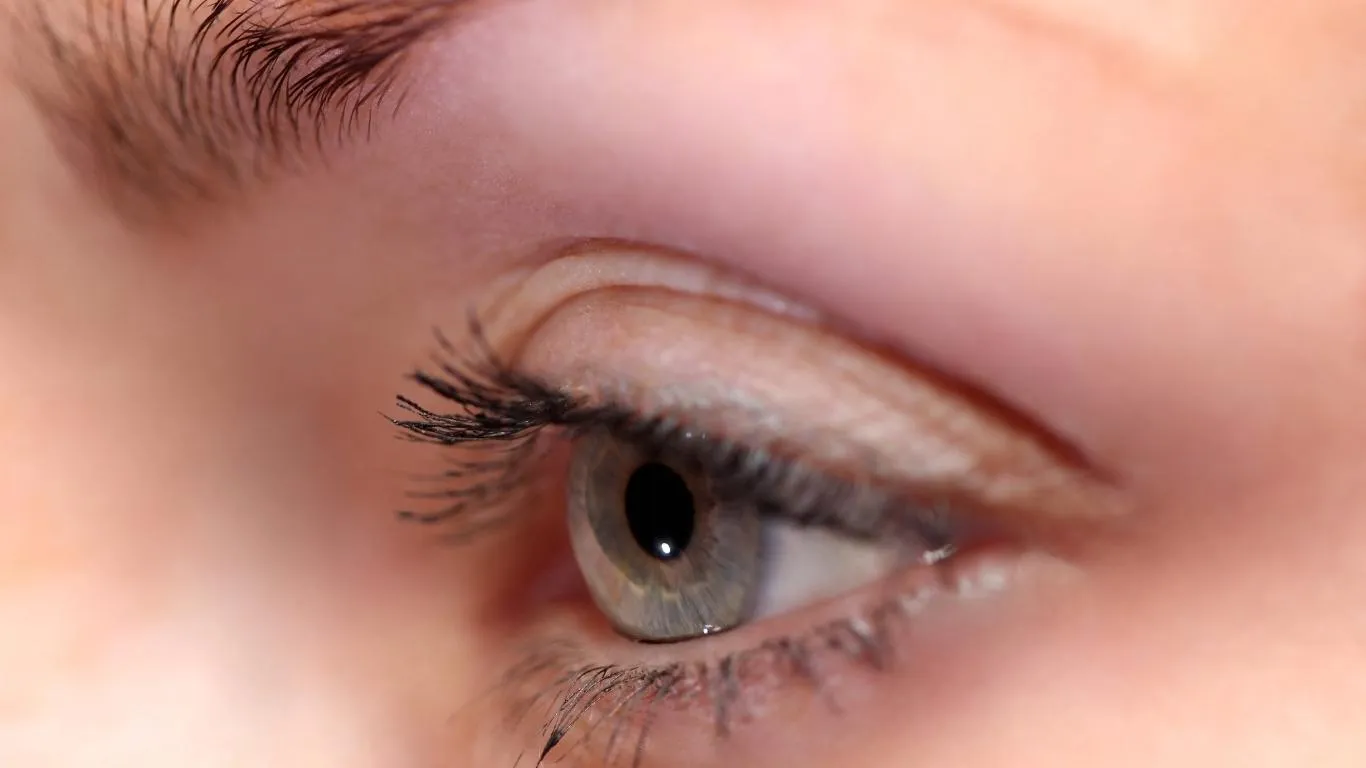
Floaters triggered by mental exhaustion are real — and they’re more common than most people realize. The good news? You can do something about them. It’s not always about eye drops or lasers. Sometimes, it’s as simple as giving your mind and body the break they deserve. Reset your routine, hydrate, sleep like it’s your job, and manage stress like your eyes depend on it — because they do.
If you haven’t yet, take time to understand the full range of treatment options available. The go-to guide on eye floater treatment strategies walks through observation, lifestyle changes, and surgical interventions with a balanced, research-backed tone.
And if you’re looking to learn the bigger picture of what causes floaters — from trauma to infections — the causes pillar guide is a must-read alongside the main floater explainer that pulls it all together.

Camellia Wulansari is a dedicated Medical Assistant at a local clinic and a passionate health writer at Healthusias.com. With years of hands-on experience in patient care and a deep interest in preventive medicine, she bridges the gap between clinical knowledge and accessible health information. Camellia specializes in writing about digestive health, chronic conditions like GERD and hypertension, respiratory issues, and autoimmune diseases, aiming to empower readers with practical, easy-to-understand insights. When she’s not assisting patients or writing, you’ll find her enjoying quiet mornings with coffee and a medical journal in hand—or jamming to her favorite metal band, Lamb of God.