Why Floaters Triggered By Nighttime Reflection Walks Feel Worse
Last night, while walking my dog under the dim streetlights, I noticed something strange drifting in my vision. I thought it was a moth or some dust—but when I waved my hand, nothing was there. That wasn’t the first time either. These odd, thread-like shapes seemed to float when the light hit just right, especially during my evening walks. If you’ve ever seen strange shadows or ghost-like dots dancing in your eyes while strolling under moonlight or passing car headlights, you’re not alone. Welcome to the world of floaters triggered by nighttime reflection walks. It sounds oddly specific—because it is—but surprisingly common for those who spend time outdoors when the sun’s down.
What Are These Nighttime Walk Floaters Anyway?
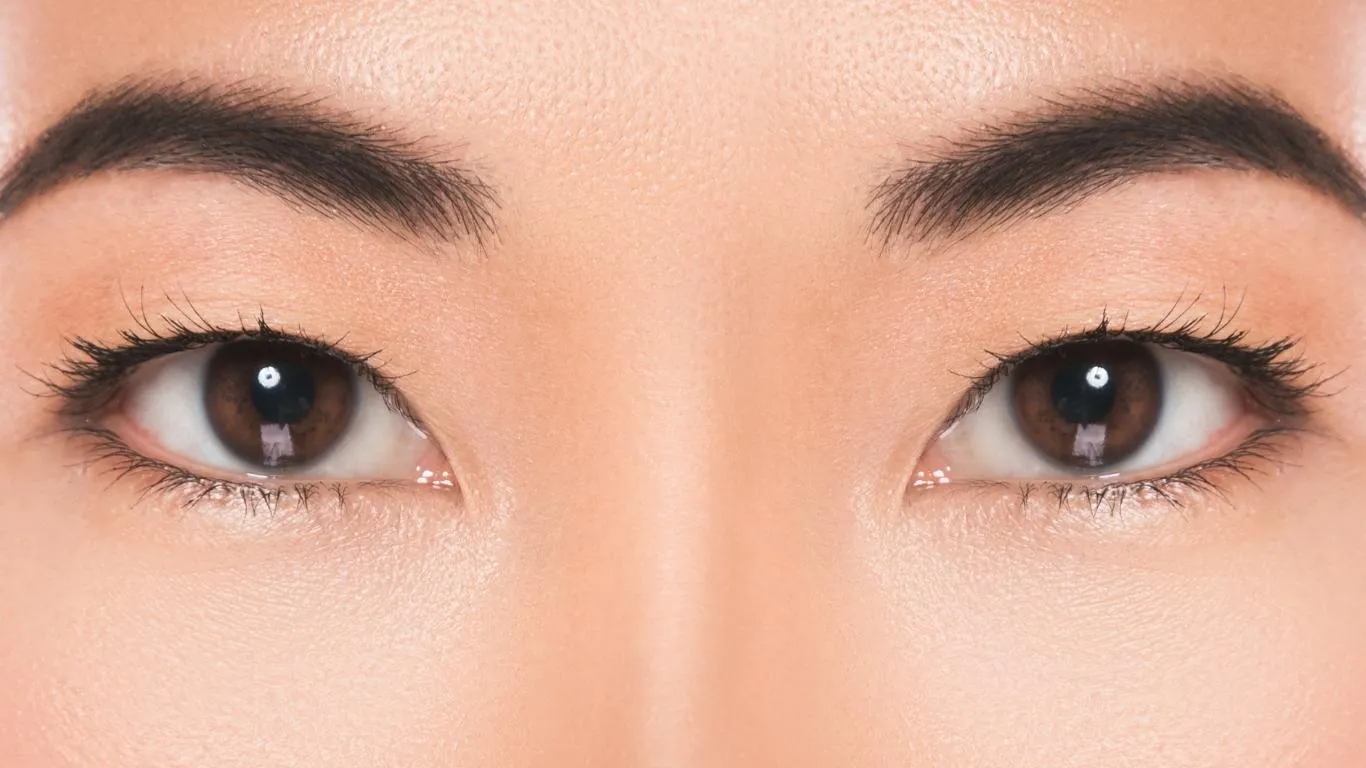
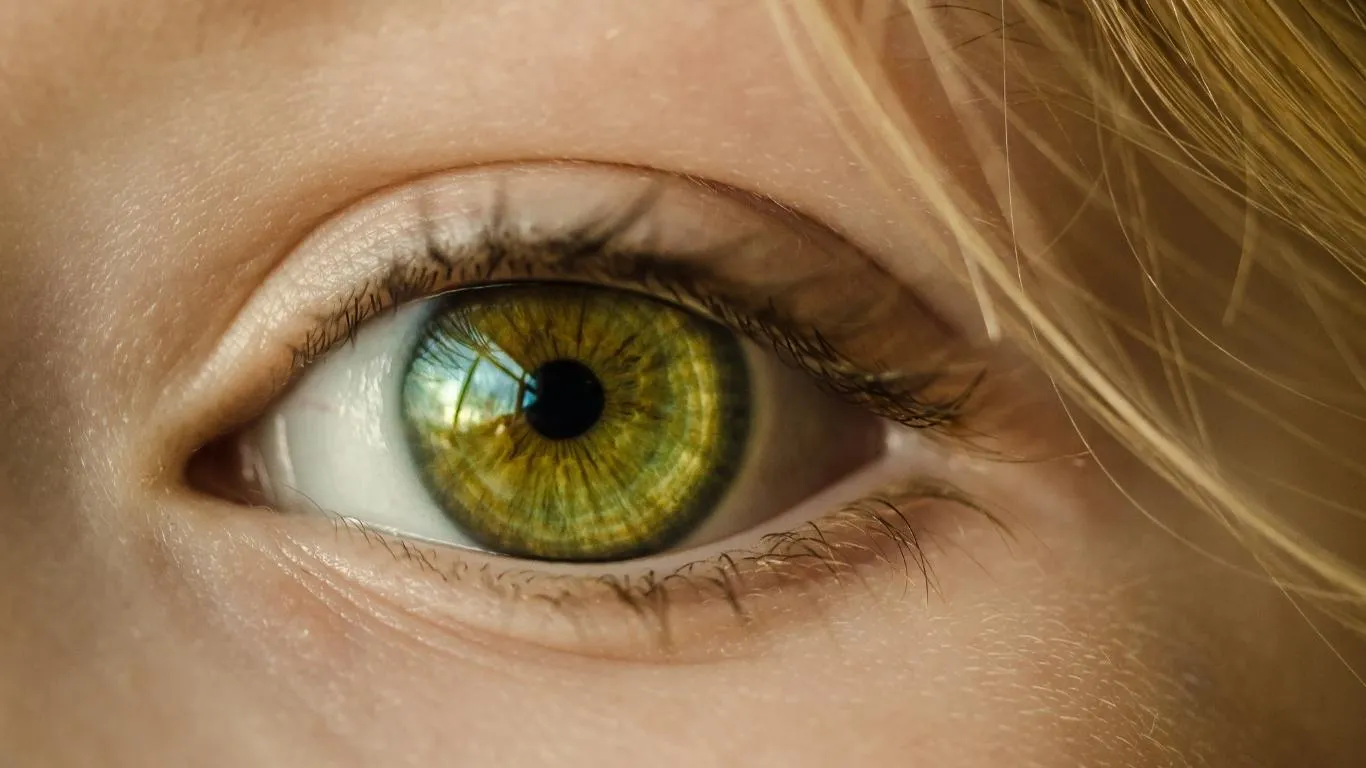
Eye floaters are little specks, cobwebs, or squiggly lines that drift through your field of vision. They’re actually tiny clumps or strands inside the vitreous—the gel-like substance that fills your eyeball. When light enters your eye, it casts shadows of these floaters onto the retina. During the day, your brain tends to filter them out. But at night, especially during walks near reflective surfaces—wet pavement, headlights, neon signs—they suddenly become more pronounced. Why? Contrast. The darker the environment, the more contrast these floaters have against illuminated spots. They suddenly stand out like uninvited guests.
Why Are Floaters More Noticeable at Night?
- Low ambient light: It gives floaters a stronger contrast.
- Focused light sources: Streetlights, headlights, and phone screens sharpen perception of floaters.
- Reflection amplification: Water puddles or glass reflect and scatter light, increasing visibility.
There was a period when I’d finish a jog near sunset, feeling great—until I’d start noticing those floaty shadows zipping by my peripheral vision. I even thought something was wrong with my contacts at first. Turns out, my vision was perfectly fine. It was just my floaters crashing my peaceful walks.
Can Nighttime Reflection Walks Cause Floaters?
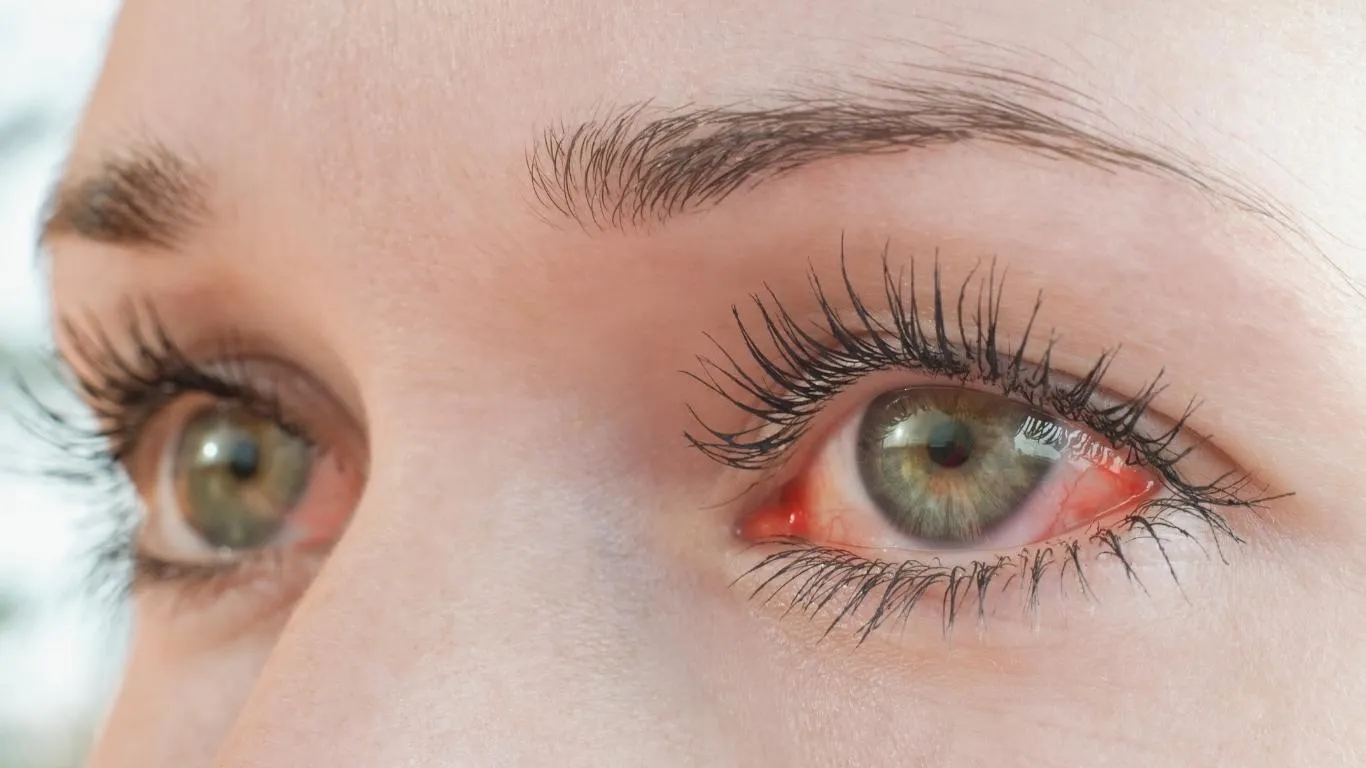
Here’s where it gets interesting. Nighttime walks don’t exactly “cause” floaters, but they do reveal them more aggressively. That sudden wave of floaters you notice under a lamp post? They’ve likely been there all along. You just didn’t see them until the lighting conditions were just right (or wrong, depending on how you look at it).
However, if you’re noticing new floaters frequently during these nighttime walks, especially after long screen time or stress, it might be worth digging deeper. According to screen-time-related floater studies, too much digital exposure can worsen vitreous changes, especially under reflective conditions.
Not Just Annoying – Sometimes a Warning
In some cases, floaters appearing more vividly during night walks can be an early sign of other eye conditions. Silent retinal tears or detachment issues may start with a “floater episode,” especially if accompanied by flashes or peripheral blur. It’s not something to panic about, but if your floaters are increasing in number or intensity, consulting an ophthalmologist might be wise.
Are Some Eyes More Prone to Floaters at Night?
Definitely. I’m nearsighted, which apparently makes me more vulnerable. Turns out, high myopia patients tend to experience floaters more intensely—especially in dim environments. Why? Because elongated eyeballs distort the vitreous gel over time, making those pesky floaters more likely to form and float around.
Other risk factors include:
- Aging: Natural vitreous degeneration begins around age 40.
- Eye trauma: Even mild injuries can shake up the vitreous.
- Frequent nighttime driving or walking: Yes, this repeated exposure to reflected lights can make you notice floaters more often.
It’s not just me. A friend who walks her dog after 10 PM told me she thought she had bugs in her eyes for weeks—until she realized it was floaters amplified by the park’s lights bouncing off the lake.
Do Floaters Get Worse the More You Notice Them?
Weirdly enough, yes. There’s this psychological component: the more we focus on them, the more distracting they become. Awareness amplifies perception. It’s like a song stuck in your head—you can’t un-hear it. Similarly, once you notice floaters, they tend to show up more. Especially under reflections, like street puddles or passing cars at night.
That’s why many people report that floaters are worse when tired or stressed. Your brain has less bandwidth to filter them out.
How to Reduce Floaters During Night Walks
- Adjust your route: Avoid high-glare areas or direct reflections.
- Wear anti-reflective glasses: These can reduce eye strain from headlights and street lamps.
- Hydration and nutrition: Yes, a well-lubricated eye can make a difference. Staying hydrated may ease symptoms.
- Eye exercises: Gentle eye rolls and focusing drills help your eye fluid circulate better. See these practical tips.
Don’t forget to blink regularly too—especially when the cool night air dries out your eyes faster than expected.
For a deep dive on natural approaches, explore natural floater relief options—some might surprise you (in a good way).
When You Shouldn’t Ignore It
If your floaters are paired with flashes, vision loss, or sudden shadows, that’s not your average “nighttime reflection” problem. Visit a doctor, fast. These can be signs of something more serious.
For anyone curious about floaters, their root causes, and how they evolve with age or injury, this complete guide covers the essentials.
And if you’re looking for a clear, in-depth breakdown of why floaters appear during different life stages and what triggers them—from trauma to aging—read the full article here: Common Causes of Eye Floaters.
#LNF

Camellia Wulansari is a dedicated Medical Assistant at a local clinic and a passionate health writer at Healthusias.com. With years of hands-on experience in patient care and a deep interest in preventive medicine, she bridges the gap between clinical knowledge and accessible health information. Camellia specializes in writing about digestive health, chronic conditions like GERD and hypertension, respiratory issues, and autoimmune diseases, aiming to empower readers with practical, easy-to-understand insights. When she’s not assisting patients or writing, you’ll find her enjoying quiet mornings with coffee and a medical journal in hand—or jamming to her favorite metal band, Lamb of God.