Why Floaters Become Visible After Gratitude Journaling Moments
Have you ever sat down with your gratitude journal, ready to jot down what you’re thankful for, only to be distracted by those sneaky floaters drifting across your vision? I’ve been there. You’re in this calm, mindful state, pen in hand, and suddenly you notice little specks or cobweb-like shadows dancing around. It’s frustrating, right? Especially when you’re trying to focus inward. If you’ve ever wondered why floaters become more noticeable during quiet activities like gratitude journaling, you’re not alone. Let’s unpack this phenomenon together.
Why Do Floaters Become More Noticeable During Journaling?
When you’re engaged in reflective practices like gratitude journaling, your surroundings typically involve soft lighting, a calm environment, and minimal distractions. This creates the perfect backdrop for floaters to stand out. Floaters are tiny clumps of collagen or vitreous gel debris floating inside your eye, and they cast shadows on your retina.
During active, fast-paced activities, your brain tends to ignore them. But when you slow down—especially when focusing on a white journal page or a blank wall—your eyes become hyper-aware of even the slightest visual “imperfections”. This is why floaters often feel more invasive during mindful practices.
The Role of Light and Contrast
Lighting plays a huge role here. Journaling often involves looking at bright, smooth surfaces. High contrast backgrounds, like white paper, make floaters appear sharper and more pronounced. Combine that with the fact that your eyes are relatively still while writing, and you have a recipe for “floater visibility overload”.
In fact, I’ve noticed that when I switch to using cream-colored or slightly off-white journals, the floaters don’t bother me as much. It’s a small tweak, but it helps. You might also find it interesting that floaters are often more visible in morning light or under artificial fluorescent lighting.
Is Gratitude Journaling Making My Eye Floaters Worse?
Let me be clear: journaling itself isn’t making your floaters worse. However, the conditions under which you’re journaling—like lighting, posture, and screen-free focus—are what amplify your awareness of them. There’s a psychological component here too. When we enter a mindful, introspective state, we inadvertently become more attuned to our bodily sensations, including vision anomalies.
That said, there are certain health factors that can make floaters more prominent during such activities. For instance:
- Dehydration: Lack of proper hydration can cause vitreous shrinkage, making floaters more mobile.
- Eye Fatigue: Prolonged periods of close-up focus strain the eye muscles, making floaters harder to ignore.
- Stress and Tension: Believe it or not, stress-related muscle tightness around the neck and shoulders can affect ocular circulation, which might heighten floater visibility. This is especially true if you’re journaling after a long, tense day.
In my case, a simple shift like journaling near a window with diffused natural light made a world of difference. Also, short eye movement exercises before and after journaling helped minimize how much these floaters interrupted my focus.
When Should You Be Concerned About New Floaters?
While floaters during journaling are usually harmless, sudden changes in their appearance could be a red flag. If you experience:
- A sudden burst of new floaters
- Floaters accompanied by light flashes
- Shadows that look like curtains over part of your vision
—you should see an eye specialist immediately. These could be signs of a more serious condition like retinal detachment. We’ve covered in depth when eye floaters might signal danger on the blog, which is worth a read if you’re concerned.
Simple Adjustments to Reduce Floater Distractions While Journaling
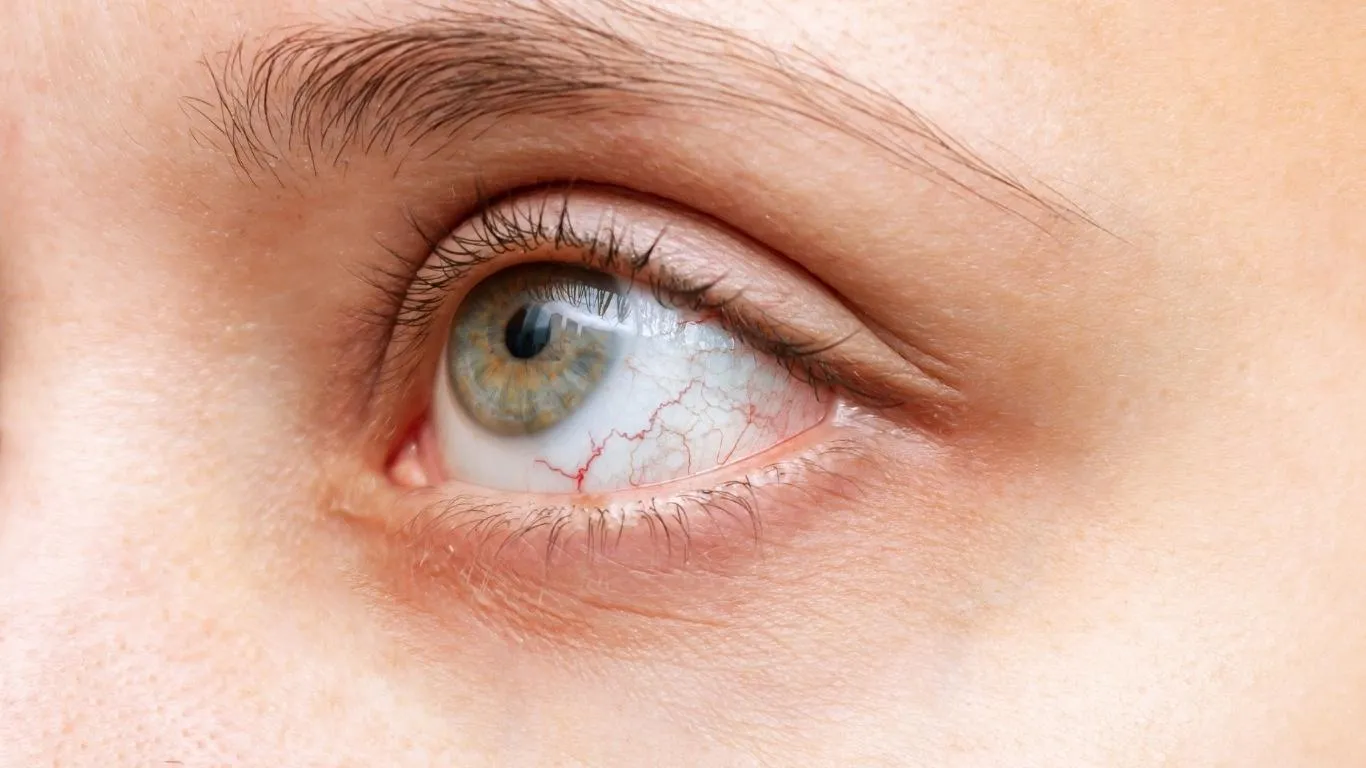
Over time, I’ve picked up a few tricks that help minimize the impact of floaters during gratitude journaling. Here are some that might work for you too:
- Change your journaling spot: Opt for places with softer, indirect lighting rather than bright overhead lights.
- Use colored journals: Slightly tinted pages reduce contrast and make floaters less visible.
- Eye movement resets: Before starting, move your eyes slowly side to side, up and down. This disperses floaters temporarily.
- Stay hydrated: Floaters are more noticeable when you’re dehydrated. A glass of water beforehand can help.
- Incorporate breaks: Don’t marathon your journaling. Short breaks ease eye strain and reset your focus.
If you’re curious about how visual habits like screen time can worsen floaters, you might want to check out our article on screen-induced floater discomfort. It’s a surprisingly common issue.
Floaters, Mindfulness, and The Brain’s Visual Filter
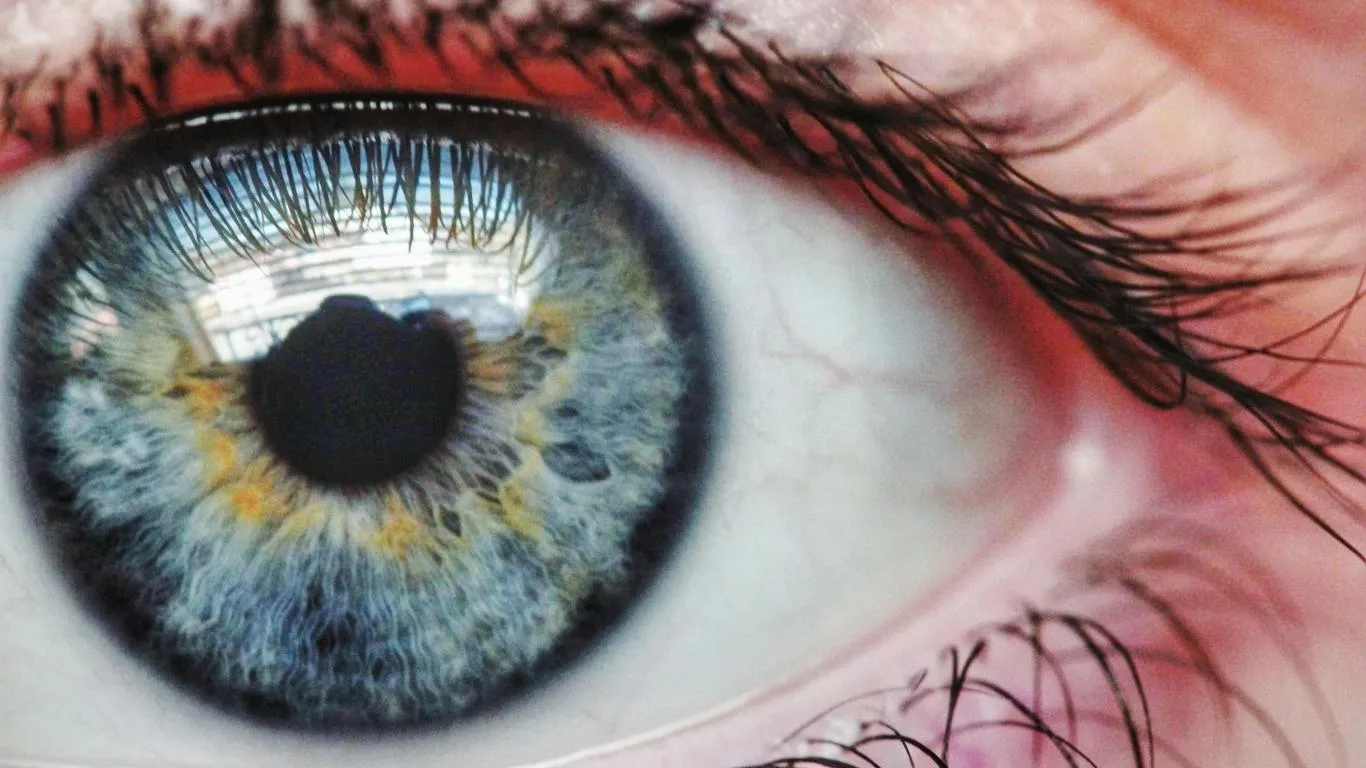
Here’s something fascinating: our brain has a “visual filter” that normally ignores floaters during active tasks. However, during slow, mindful activities like gratitude journaling, this filter loosens up. This isn’t a flaw—it’s just how focused attention works. Activities that lower mental chatter make us more receptive to subtle sensory details, including those pesky floaters.
Interestingly, certain neurological stressors, like anxiety or sleep deprivation, can also amplify floater perception. We’ve covered how stress might worsen floaters in this deep dive on anxiety-induced floaters.
For a broader understanding of what causes these visual intruders and how to manage them effectively, I highly recommend reading our comprehensive guide on eye floaters causes and treatment options.
Can Gratitude Practices Reduce Floater Anxiety?
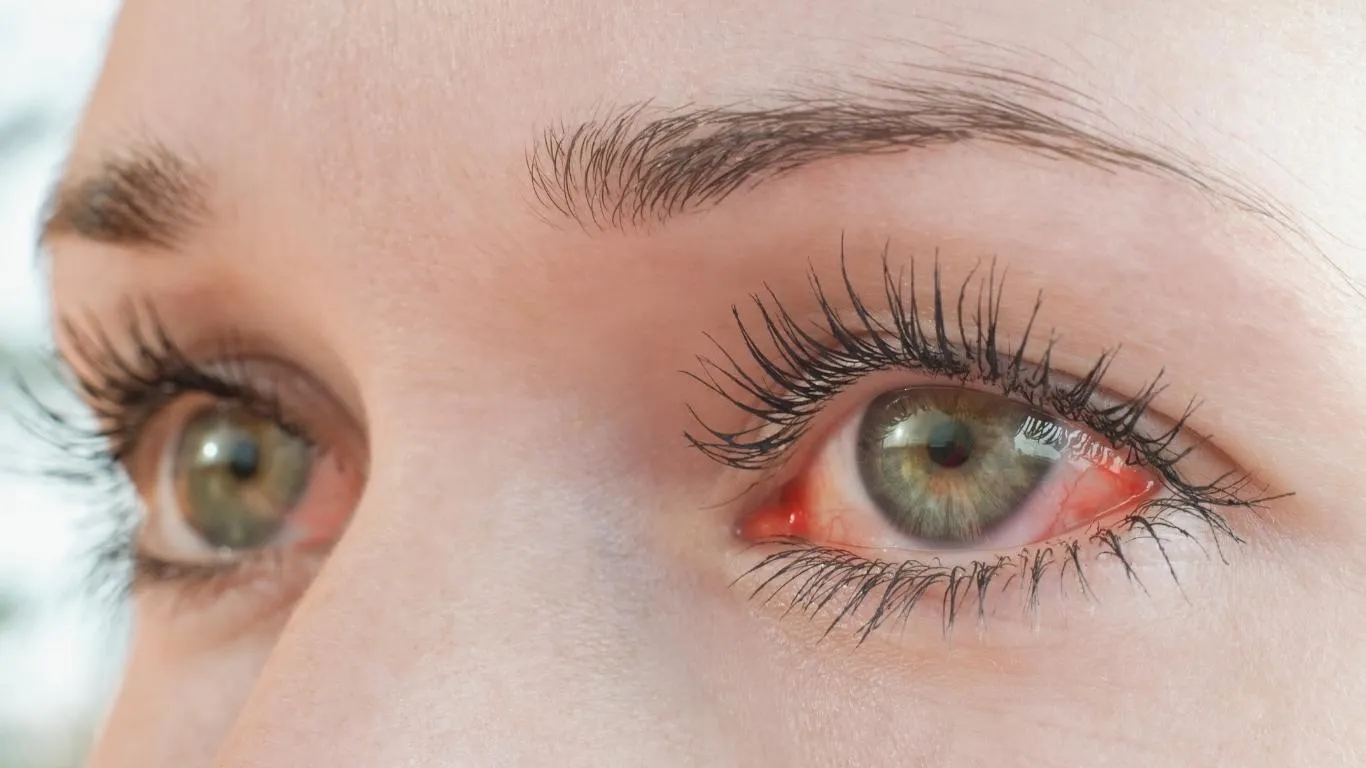
It sounds ironic, but while gratitude journaling might make floaters more visible, it can also reduce the anxiety associated with them. I remember when I first started noticing floaters, it was easy to spiral into constant monitoring—checking if they’d grown, multiplied, or worsened. It wasn’t until I used journaling to shift focus from “monitoring” to “accepting” that I noticed a mental shift.
Mindfulness-based gratitude practices help by calming your nervous system. A relaxed state reduces your brain’s hyperfocus on visual disturbances. Over time, you may still see the floaters, but they’ll stop dominating your attention. This is a subtle, yet powerful change in perception.
Reframing Floater Awareness
Instead of viewing floaters as a nuisance, you can reframe them as a sign to pause and reconnect with your body. It’s an opportunity to reset your posture, take a mindful breath, and soften your gaze. This reframing technique is often used in mindfulness therapy to deal with persistent sensory irritants.
We’ve explored how stress-induced visual floaters can become a feedback loop in this article about mental exhaustion and floaters. It’s a vicious cycle that gratitude practices can help break.
Eye-Friendly Habits That Compliment Journaling
Floaters may be a natural part of aging eyes, but certain daily habits can ease their prominence, especially during quiet activities like journaling. Here are a few practices that have worked for me:
- Palming Technique: After 10-15 minutes of journaling, close your eyes and gently cover them with your palms. The warmth relaxes the eye muscles and helps reset visual focus.
- Hydration Boost: Aim to drink water regularly, not just during journaling sessions. Consistent hydration keeps the vitreous humor (the gel-like substance in your eyes) healthier.
- 20-20-20 Rule: Every 20 minutes, look at something 20 feet away for at least 20 seconds. This reduces strain and makes floaters less noticeable.
I’ve also found that journaling outdoors, under a shaded tree, provides the perfect balance of diffused natural light. It reduces glare while minimizing floater distractions. Interestingly, floaters tend to get worse under fluorescent lighting, as we discussed in this article on light-triggered floaters.
When Floaters After Journaling Might Indicate an Underlying Issue
While most floaters that pop up during quiet moments are benign, certain scenarios call for professional evaluation. If you notice floaters accompanied by symptoms such as:
- Flashes of light, especially in peripheral vision
- A dark shadow or curtain effect drifting across your vision
- Sudden onset of a large cluster of floaters
—these could be early warnings of a retinal tear or detachment. Don’t wait it out; get your eyes checked immediately. We’ve detailed how trauma-induced floaters can lead to serious retinal issues in this retinal tear warning guide.
Natural Supplements That Support Vitreous Health
While no supplement can magically erase floaters, certain nutrients may support the overall health of your vitreous humor and slow down degenerative changes. Based on research and personal experience, some of the most promising supplements include:
- Lutein & Zeaxanthin: These antioxidants are known for their protective effects on the retina and can support vitreous clarity.
- Omega-3 Fatty Acids: Essential for maintaining cellular health in eye tissues. We’ve covered their impact on floaters in this article on Omega-3 benefits.
- Vitamin C: Supports collagen integrity within the eye’s vitreous structure.
- Magnesium: Helps reduce visual disturbances triggered by ocular spasms and stress.
Before starting any supplement regimen, it’s wise to consult with an eye specialist or nutritionist to ensure compatibility with your overall health profile.
How Journaling Habits Can Mask Floater Progression
There’s a subtle risk here that’s often overlooked: the daily familiarity of journaling might desensitize you to gradual changes in your floater patterns. You might assume they’re “the same as always” simply because you’re used to them. But minor shifts—like increased density or new shapes—could indicate progressive vitreous detachment.
Tracking floater changes systematically can be a game-changer. We’ve outlined effective methods for monitoring floater evolution in our article on tracking floater changes over time.
Integrating Eye-Healthy Rituals Into Your Gratitude Practice
If you love the reflective calmness of journaling but hate how floaters interrupt the experience, consider integrating mini eye-care rituals into the process. For example:
- Start with a few minutes of deep, slow breathing while gently rolling your eyes in circular motions.
- Use a soft-colored journal (pastel shades work wonders) to minimize high-contrast triggers.
- Incorporate short vision “resets” between journaling prompts—this can be as simple as gazing softly into the distance for 30 seconds.
Gratitude journaling can become a holistic practice, nurturing both your mental clarity and visual comfort.
Embracing Floaters as Part of Your Visual Journey
Floaters aren’t going away anytime soon, and for many of us, they’ll be lifelong companions. The key is changing our relationship with them. Through mindful practices like gratitude journaling, combined with eye-healthy habits, we can reduce their intrusive nature and maintain visual well-being.
If you’re still wondering whether these floaters signal a deeper eye health issue, I highly recommend revisiting our comprehensive guide on the common causes of eye floaters. It provides a broader perspective on how floaters originate and when they need medical attention.
For an in-depth understanding of floaters, symptoms, and treatments, don’t miss our main article on eye floaters causes and treatment options. It’s packed with expert insights you’ll find practical and reassuring.

Camellia Wulansari is a dedicated Medical Assistant at a local clinic and a passionate health writer at Healthusias.com. With years of hands-on experience in patient care and a deep interest in preventive medicine, she bridges the gap between clinical knowledge and accessible health information. Camellia specializes in writing about digestive health, chronic conditions like GERD and hypertension, respiratory issues, and autoimmune diseases, aiming to empower readers with practical, easy-to-understand insights. When she’s not assisting patients or writing, you’ll find her enjoying quiet mornings with coffee and a medical journal in hand—or jamming to her favorite metal band, Lamb of God.