Why Floaters Visible Only When Wearing Glasses Might Be a Red Flag
You know that odd moment when you put on your glasses and suddenly, it’s like someone sprinkled transparent threads or specks in front of your eyes? Yeah, I’ve been there. The first time I noticed floaters was after switching to a new pair of glasses. I kept thinking it was dust on the lenses. Spoiler: it wasn’t. Floaters visible only when wearing glasses are real, and they’re not just your imagination. Let’s get into what might actually be going on—and why your glasses might not be the culprit, but the messenger.
Why Do Floaters Seem More Noticeable With Glasses?
Floaters themselves are tiny clumps of collagen that float in the vitreous—the gel-like substance in your eye. But here’s the kicker: they’ve probably been there the whole time. Glasses just change how light enters your eye and make those floaters stand out more clearly.
It’s kind of like turning up the contrast on a photo—suddenly all the imperfections become visible. That’s what glasses can do, especially if:
- You’ve recently upgraded to high-index or anti-reflective lenses
- You’re wearing blue-light filters or transition lenses
- Your prescription was adjusted to correct a stronger refractive error
I remember when I got my first pair with anti-reflective coating, and I swear I could see every tiny dot floating around like space debris. It freaked me out until I realized it wasn’t the glasses—it was my eyes revealing what had always been there.
Is It Just a Visual Illusion—or a Warning Sign?
Not always an illusion. Sometimes floaters becoming visible only when wearing glasses can indicate that something is changing in your vitreous. It doesn’t mean it’s dangerous, but it does mean it’s worth monitoring.
Reasons Why You Might Notice Floaters With Glasses On
- Improved Clarity: Your corrected vision allows your brain to pick up finer details, including floaters.
- Background Contrast: Glasses can enhance how light hits your retina, making floaters stand out more, especially against bright backgrounds like screens or white walls.
- Age-related vitreous changes: Floaters tend to become more visible in your 30s and 40s. More on that here.
When my optometrist explained it, he used a neat analogy: “It’s like seeing dust in a sunbeam. The dust was always there, but now the light makes it obvious.” That clicked for me.
Do Glasses Cause Floaters to Form?
Nope, glasses don’t cause floaters. But they can unmask them. Think of them more like a magnifying glass than a creator. The real triggers tend to be:
- Natural aging and vitreous liquefaction
- Past eye injuries or trauma (especially common after sports injuries)
- High myopia (near-sightedness)
- Hormonal shifts or dehydration
There’s even a possibility of floaters appearing after using phones in the dark or from something as basic as dehydration. I once went through a week of back-to-back Zoom calls, barely blinking—and bam, floaters galore.
Should You Be Concerned About These Floaters?
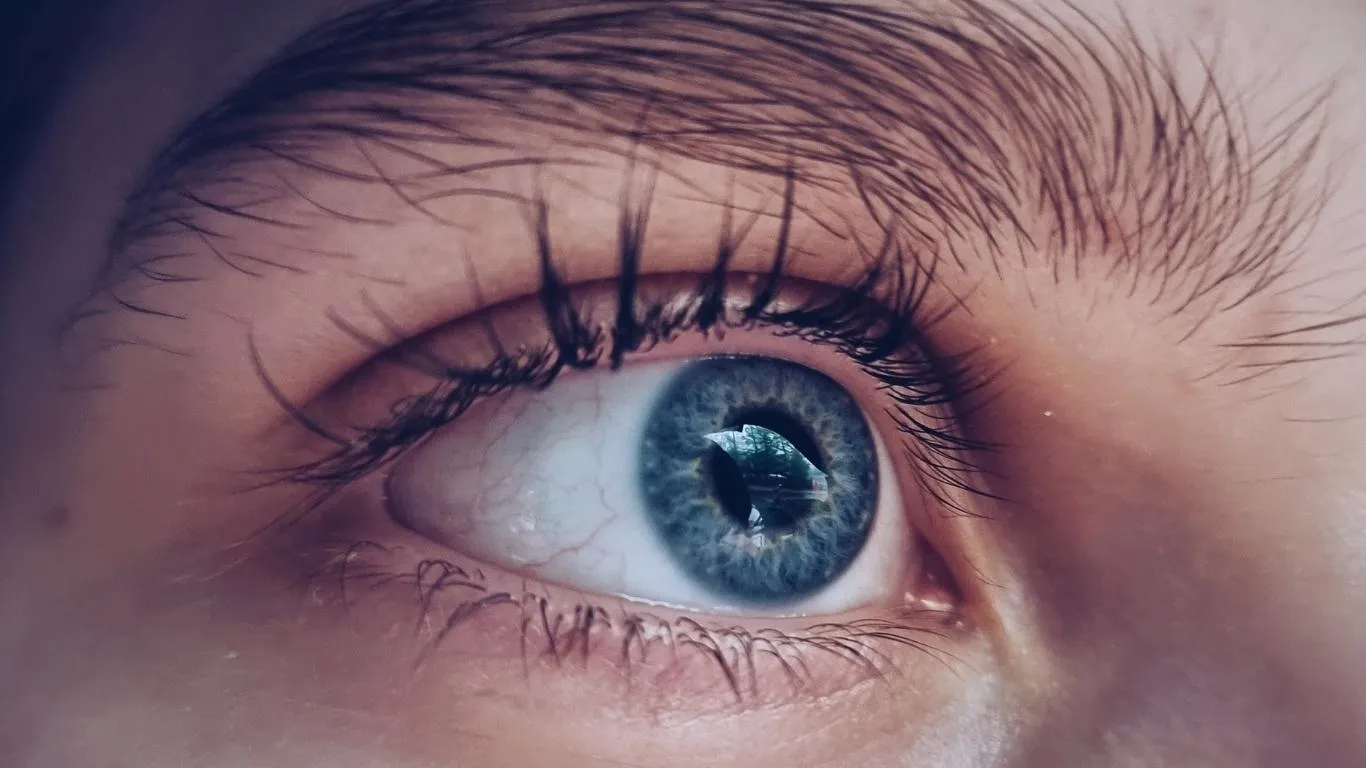
Usually, floaters are harmless. But a sudden increase, light flashes, or a “curtain” over your vision? Get to an eye doctor. Like, now.
It’s possible those symptoms indicate something more serious, like a retinal tear. And floaters can be early warning signs. The team at Healthusias covered that in-depth if you’re curious—or worried.
If you’re over 40, you might want to read about what’s normal and what’s not at your age. It helped me realize I wasn’t falling apart—just aging normally. Yay?
Are Certain Glasses More Likely to Highlight Floaters?
Yes. High-definition or high-index lenses often sharpen everything, floaters included. Other types that might bring them into focus:
- Anti-fatigue lenses – They reduce strain but enhance depth of field
- Blue light filters – More contrast = more visible floaters
- Transition lenses – Floaters can become worse with fatigue or lighting shifts
If you just got a new pair and you’re suddenly seeing floaters, don’t panic. You’re not imagining it. But you should track changes over time to rule out anything serious. That’s what I started doing—and it gave me peace of mind.
For a more in-depth understanding of floaters, check out this complete guide on causes, symptoms, and treatments from Healthusias. And if you want to dive deeper into how to tell floaters apart from other eye issues, their guide here is seriously helpful.
What You Can Do About It
Let’s be real—just ignoring floaters is easier said than done. Once you notice them, you can’t *unsee* them. At one point, I even tilted my head and blinked fast just to check if they were still there (they were). So what can you actually do if floaters seem more noticeable when wearing glasses?
Start With Observation
Most of the time, floaters are just a byproduct of your aging vitreous gel. Keeping a journal (yeah, sounds nerdy but it works) of when they appear and under what conditions helps you catch patterns. Are they worse in sunlight? When you’re dehydrated? After scrolling Instagram in bed?
Talk to an Eye Professional
Don’t let Reddit forums be your doctor. Schedule a proper dilated eye exam, especially if this is new. I once thought my floaters were from stress—turns out I had early posterior vitreous detachment (PVD), which is super common after 40. Thankfully, my doc reassured me it wasn’t serious, just something to monitor. You can read more about PVD and floaters here.
Upgrade Your Lighting
One trick that’s helped me: avoid stark lighting contrasts. Harsh backlit environments (think staring at white Google Docs or LED-lit rooms) make floaters pop like glitter in a flashlight. Try these:
- Switch to warmer, diffused indoor lighting
- Use screen filters or tinted monitors
- Avoid sitting with your back to a bright window
Small adjustments can make a surprising difference in reducing the distraction.
Glasses Alternatives That Might Reduce Visibility
If your floaters feel unbearable while wearing glasses, maybe it’s time to tweak the lens type itself. I know someone who switched to contact lenses and reported barely noticing their floaters anymore. Not everyone has that luck, but it’s worth exploring.
Here are some lens options and what users typically experience:
- Blue-light blocking lenses: Can increase contrast, which may enhance floater visibility in low light
- Polarized lenses: Great for outdoor use, but may draw attention to floaters when used in bright sunlight
- Photochromic lenses: These adapt to light and might help in some cases but could also worsen contrast sensitivity
It’s a bit of trial and error, honestly. Some even find tinted glasses like FL-41 help reduce discomfort caused by floaters, especially if they’re sensitive to glare.
When You Should Worry
Okay, most floaters are annoying, not dangerous. But don’t brush it off if you experience:
- A sudden shower of floaters
- Flashes of light
- Peripheral vision loss
- Floaters that look like a curtain or dark shadow moving
These might mean retinal issues. And trust me, retinal tears or detachments don’t mess around. That’s the time to call your eye doc immediately, not just google it. I found this breakdown from Healthusias incredibly helpful for knowing what’s urgent versus what’s just irritating.
Managing Daily Life With Glasses and Floaters
Living with floaters visible only when wearing glasses isn’t the end of the world, but it sure can mess with your focus. I’ve developed a few habits to make daily life a little easier:
- Take screen breaks: Use the 20-20-20 rule—every 20 minutes, look at something 20 feet away for 20 seconds
- Stay hydrated: Your eyes need fluid too, not just your skin and muscles
- Don’t obsessively “chase” floaters: The more attention you give them, the more distracting they seem
- Reduce screen contrast: Night modes or grayscale filters can tone down harshness
Also, learning to blink more consciously helped me. Apparently, we blink 60% less when staring at screens. Less blinking = more eye dryness = more floaters.
Are Any Treatments Actually Effective?

While many floaters eventually settle or become less noticeable, persistent or visually disruptive ones can be treated—if needed. Here’s what’s out there:
- YAG Laser Vitreolysis: Targets and breaks up floaters, but results vary
- Vitrectomy: A more invasive option where the vitreous gel is removed and replaced; high success rate, but with higher risk
- Natural remedies: Mixed results, but some swear by lutein, omega-3s, or hyaluronic acid supplements
If you’re curious about what’s currently recommended by professionals, check out this medical guide to eye floater treatment. It breaks down each option with pros and cons. I’ve only tried supplements so far, and while I can’t say they’ve “cured” anything, my eyes do feel less strained overall.
For comprehensive insights into differentiating floaters from other vision issues, this pillar article is gold.
Also, if you haven’t seen it already, this master guide from Healthusias is basically the encyclopedia of eye floaters. Bookmark it—you’ll thank yourself later.

Camellia Wulansari is a dedicated Medical Assistant at a local clinic and a passionate health writer at Healthusias.com. With years of hands-on experience in patient care and a deep interest in preventive medicine, she bridges the gap between clinical knowledge and accessible health information. Camellia specializes in writing about digestive health, chronic conditions like GERD and hypertension, respiratory issues, and autoimmune diseases, aiming to empower readers with practical, easy-to-understand insights. When she’s not assisting patients or writing, you’ll find her enjoying quiet mornings with coffee and a medical journal in hand—or jamming to her favorite metal band, Lamb of God.