Why Floaters Visible When Lying In Hammocks Can Disrupt Vision
Ever laid back in a hammock on a sunny afternoon, only to have your peace interrupted by those annoying little specks or strings dancing across your vision? Yeah, me too. At first, I thought it was dust or maybe pollen floating in the air. But nope—turns out, it was my eyes. Specifically, *eye floaters*. And weirdly enough, I only ever noticed them when I was lying down in my hammock, looking up at the sky. If you’ve had a similar experience, you’re not alone. In fact, “floaters visible when lying in hammocks” is a much more common issue than most people realize.
Why You Only Notice Floaters in a Hammock
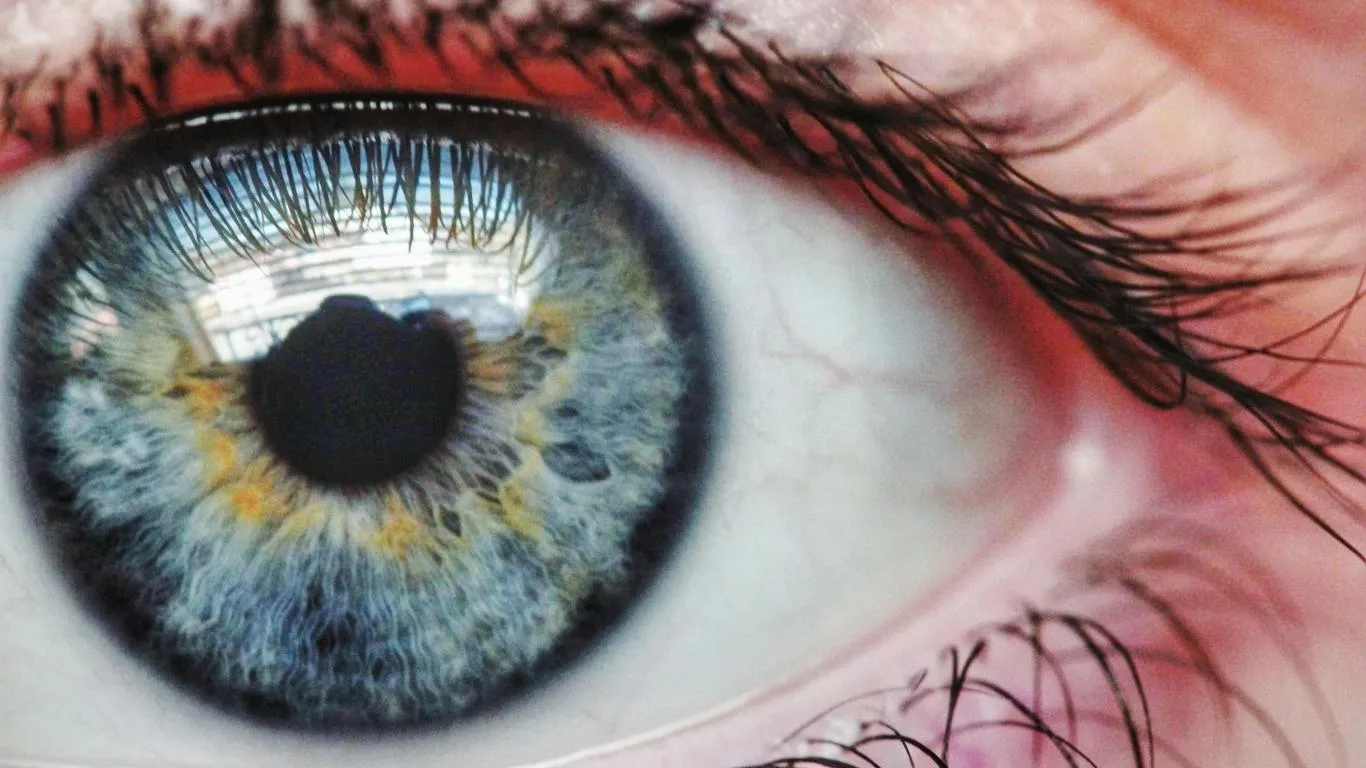
The strange part? You probably don’t see floaters all the time—just in certain positions or lighting conditions. That’s because floaters are tiny clumps or strands inside your vitreous humor (the gel-like substance in your eye) that cast shadows on your retina. And when you lie in a hammock, especially facing the bright sky, your eye position changes, and suddenly—boom—you see them clearly.
It’s All About Contrast and Position
The sky creates the perfect background for floaters to stand out. When you’re lying on your back, pupils are wide, vitreous shifts, and gravity plays a role too. That subtle repositioning lets floaters drift into your visual axis more than they would when you’re upright and moving.
Honestly, I didn’t even notice mine until I started reading in my hammock every afternoon. The floaters became so distracting I actually started avoiding that time of day. Little did I know, it was just a matter of understanding what was going on in my eyes—and that I wasn’t alone.
What Causes These Floaters Anyway?
Floaters might seem like an isolated annoyance, but they can signal more. Common culprits include:
- Aging vitreous changes (called vitreous syneresis)
- Past eye surgeries or injuries
- High blood pressure
- Diabetes-related complications
- Allergies that trigger inflammation
In my case, I chalked it up to a mix of screen time, dehydration, and being in my 30s. But you’d be surprised how many possible links exist. For instance, some people notice floaters after LASIK or even after dental procedures. Crazy, right?
Should You Be Worried?
Not all floaters are created equal. The kind you see while lounging in your hammock are usually harmless, especially if they don’t change in size, number, or shape. But—and this is important—if you see a sudden storm of floaters or flashing lights, that’s not something to brush off.
It could mean a more serious issue like retinal tear or detachment. And trust me, retinal issues aren’t hammock-compatible. Get them checked ASAP.
Quick Signs to Watch For:
- A sudden increase in floaters
- Floaters accompanied by light flashes
- Loss of side vision
- Sudden burst or rain of floaters
According to the American Academy of Ophthalmology, these signs should never be ignored. I’ve had a buddy who waited too long, thinking it was just “another hammock day thing”—he ended up needing urgent retinal surgery. Don’t take that chance.
Simple Lifestyle Adjustments That Help
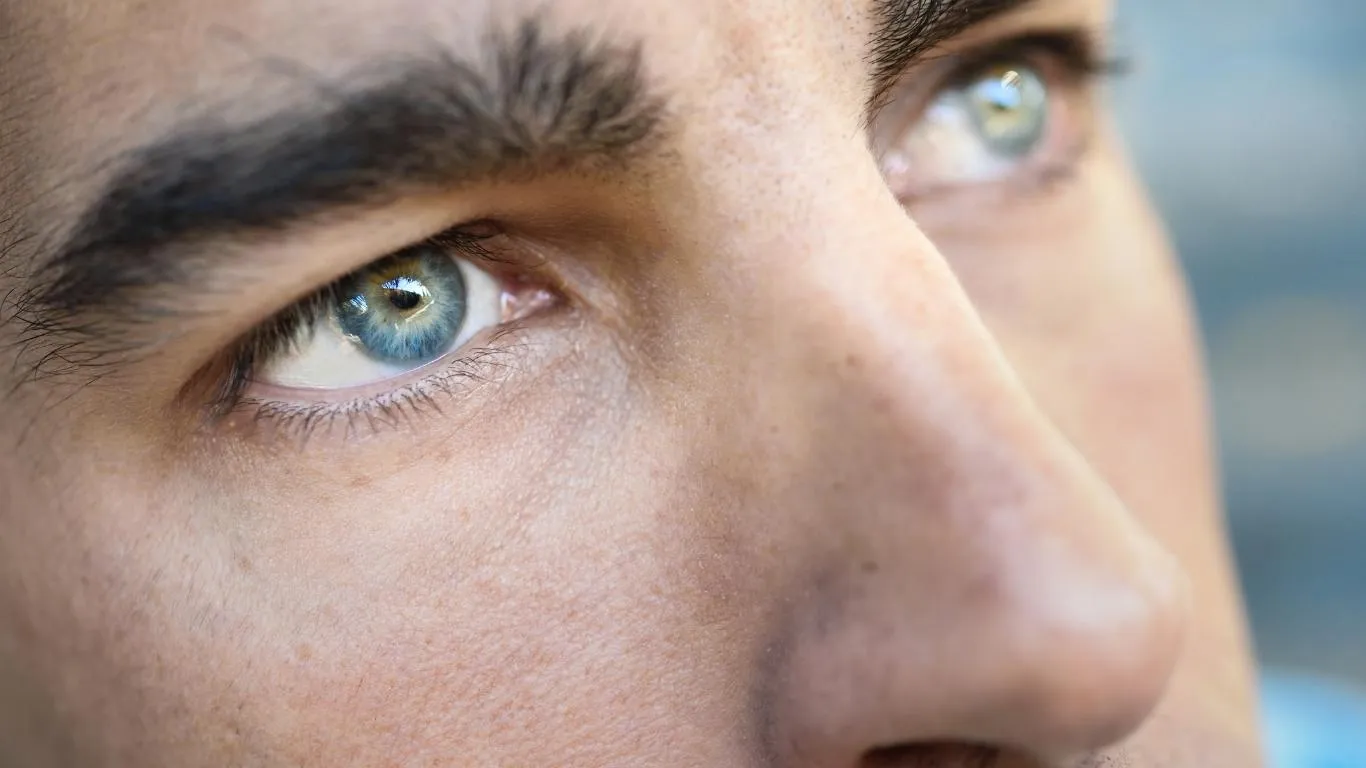
Here’s the good news: If your floaters are mild and only show up when you’re sky-gazing in your hammock, a few tweaks can help:
- Stay hydrated. Dehydration can worsen floaters.
- Reduce screen time before hammock naps. Blue light aggravates visual strain.
- Wear polarized sunglasses—this makes the floaters less noticeable.
- Try simple eye exercises to improve eye fluid movement.
- Use the shade of trees or fabric above the hammock to lower light contrast.
Trust me, it makes a huge difference. I still enjoy my hammock time, just with a few adjustments that keep the floaters at bay.
How Floaters Behave Differently When Reclined
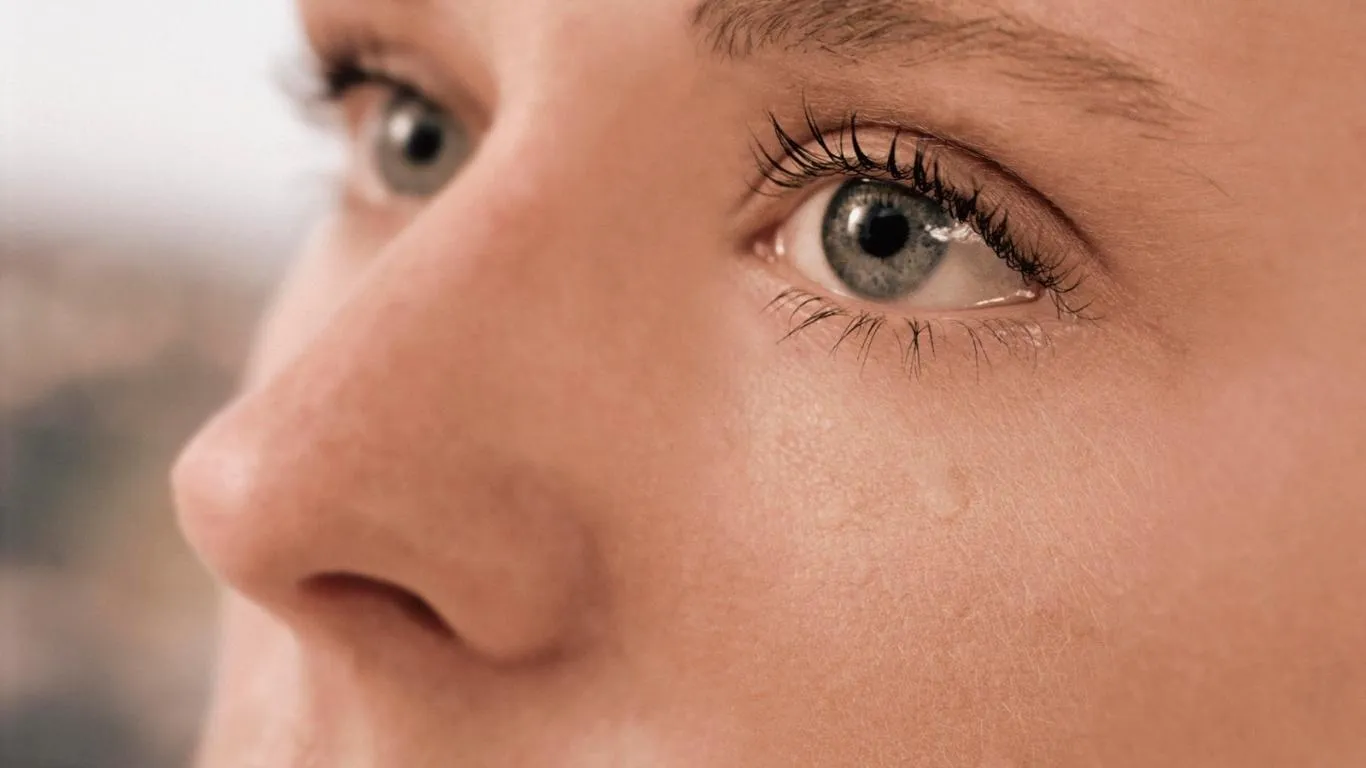
One thing I noticed is that floaters seem to “follow” your gaze more dramatically when you’re flat on your back. That’s not in your head—it’s due to the way vitreous gel shifts with gravity. When lying down, the floaters float directly into your central field of vision more easily, making them super obvious.
That’s also why they disappear the moment you sit up or shift focus. In short, it’s not that you suddenly *have* floaters—it’s just that you’ve given them the perfect stage to perform their annoying little dance routine.
If you’re constantly annoyed by this and want to understand more about the causes, this piece dives deep into what really triggers floaters, especially from aging and trauma.
When Hammocks Become Eye Health Wake-Up Calls
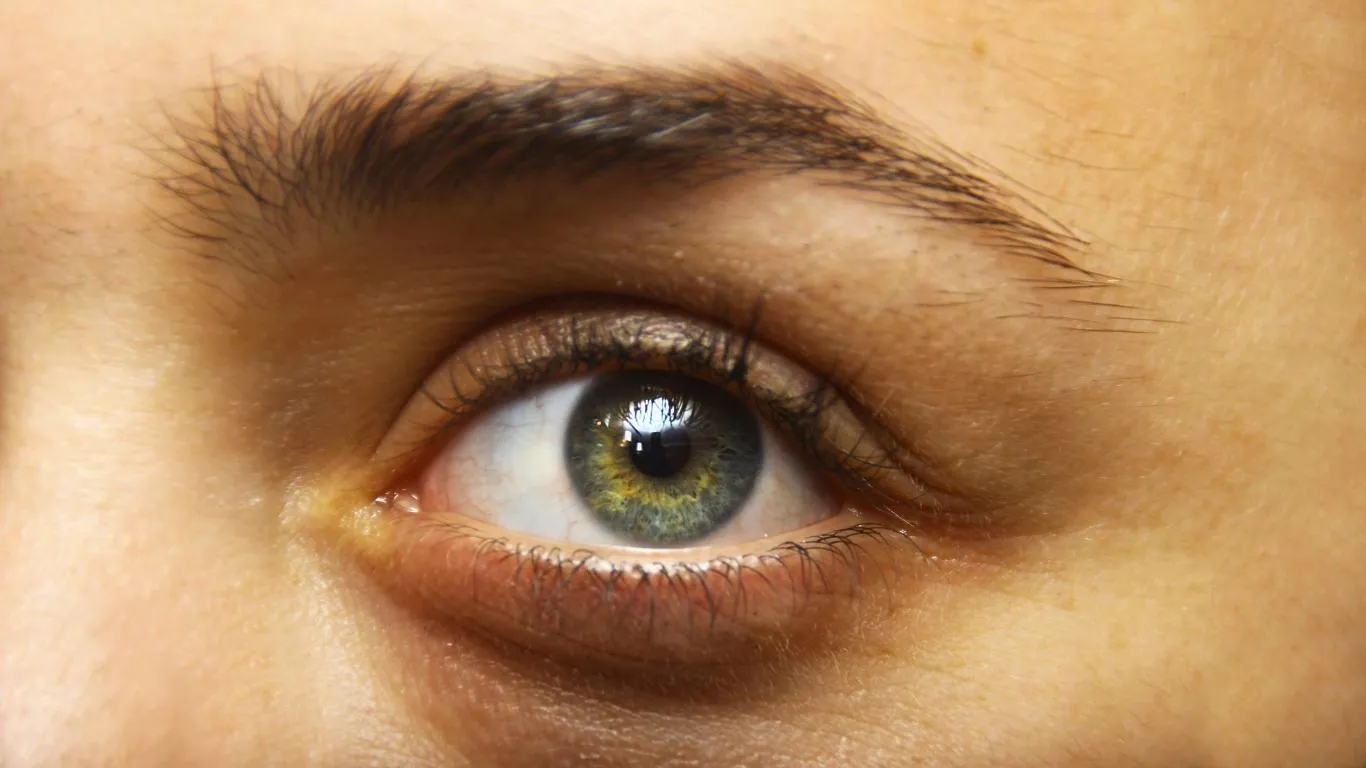
Lying in a hammock might be the only time your day slows down enough to notice what your eyes are trying to tell you. For some, it’s a brief flicker. For others, it’s a subtle health signal—like those that hint toward autoimmune diseases or high eye pressure. I didn’t want to believe it either, but one casual Google spiral later, I realized how little we notice our eye health until it’s disrupting leisure.
For a complete breakdown of symptoms you should never ignore, definitely check out this guide on recognizing floater symptoms. It’ll help you figure out what’s normal—and what’s not.
If you’re new to all this, or just now learning about what floaters really are, here’s a great resource to start with: this comprehensive explainer will give you a full picture without overwhelming you.
Can You Get Rid of Floaters—or At Least Make Them Less Noticeable?
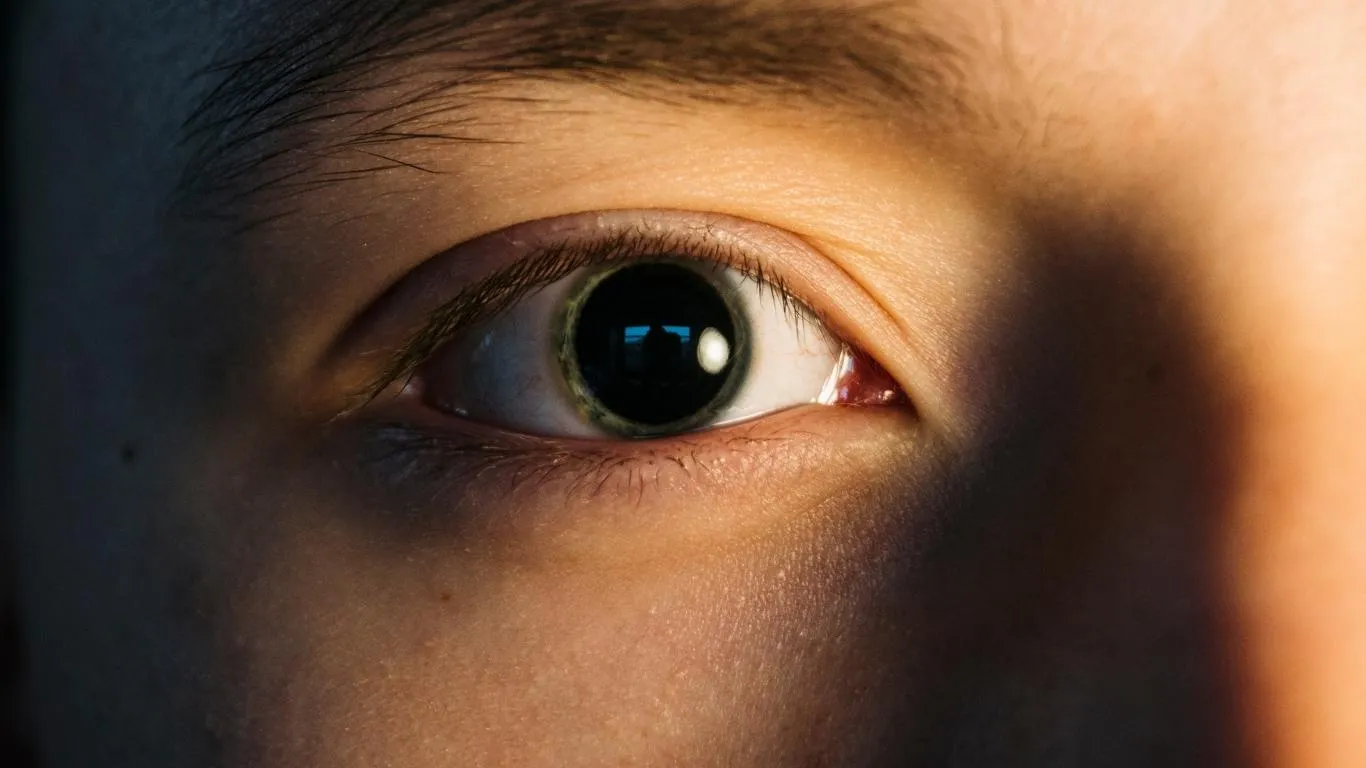
Let’s be real—once you start noticing floaters, it’s hard to *unsee* them. Especially when they pop up every time you settle into your hammock, trying to chill. While most floaters are harmless and don’t require medical treatment, the question I had (and maybe you do too) was: Can I do anything to make them go away or at least less annoying?
The answer? Yes and no. Some floaters naturally fade or shift away from your direct line of vision over time. But if they’re really persistent or disruptive, there *are* ways to manage them.
Natural Ways to Ease the Distraction
- Hydration: Can’t emphasize this enough. Mild dehydration thickens the vitreous, making floaters more pronounced. Drink more water than you think you need.
- Nutrition: Omega-3s, lutein, and antioxidants like vitamin C have a clear impact on eye health. It’s not a miracle cure, but it’s worth building into your diet.
- Eye Exercises: Some people find relief with basic eye movements that promote fluid motion in the vitreous. I wasn’t a believer until I tried them for two weeks—mine didn’t vanish, but they moved out of my central vision more often.
For more on the debate around natural solutions, I found this deep dive helpful: natural remedies for floaters—what works and what doesn’t.
Medical Options: Are They Worth It?
If your floaters go from “I see them in hammocks” to “I see them all the time and can’t function”—then yeah, it might be time to consider more advanced treatments. There are two main options:
- Laser Vitreolysis: This procedure uses a laser to break up floaters. It’s non-invasive and quick, but not ideal for all types of floaters. Some ophthalmologists are skeptical about its long-term effectiveness.
- Vitrectomy: This is the big one. A surgical option where the vitreous gel is removed and replaced with a saline-like solution. Super effective—but with risks like retinal detachment or infection. Most doctors only suggest it for extreme cases.
Honestly, I’m not at that point yet, and hopefully, you aren’t either. But it’s good to know what’s out there in case things progress. And if your floaters came after trauma or eye surgery, there’s a chance they won’t fade on their own. You’ll find more details in this guide on floaters from eye trauma.
Floaters and Your Mental Focus
No one talks about how floaters can mess with your mental clarity. For me, the distraction would sneak in when I was trying to meditate or relax in the hammock. The more I focused on them, the worse they got. Sound familiar?
Turns out, long-term awareness of floaters can lead to visual stress and anxiety in some people. It’s not dramatic—it’s just constant low-level distraction. You start bracing for them every time you look at a clear sky or white wall.
What helped me personally was shifting focus—not just my literal gaze, but how much energy I gave them. Guided breathing, light eye movement routines, and switching environments (like hammocking under trees instead of open sky) really reduced how much I noticed them.
What to Do If Your Floaters Suddenly Change
This part is super important: if your floaters suddenly increase, become darker, or come with light flashes or vision loss, it could be a sign of something serious. Floaters aren’t always innocent.
For example, floaters without symptoms might be benign, but when paired with other issues, they can point to retinal holes or even bleeding inside the eye.
This is where a full ophthalmologic evaluation becomes crucial. Better safe than sorry—especially if you’re over 40 or have a history of eye conditions, trauma, or surgery.
Long-Term Habits That Make a Difference
Let’s wrap this up with what I found most helpful long term. These aren’t quick fixes, but they work:
- Regular eye exams: Once a year, even if everything seems fine. Trust me, the reassurance alone is worth it.
- Get familiar with what’s normal for your vision. The more you understand your floaters, the easier it is to spot abnormal changes.
- Protect your eyes from strain: Screen breaks, blue light filters, and sunglasses outdoors.
- Keep an eye on other health markers: Blood pressure, blood sugar, hydration. Your eyes mirror internal health more than we realize.
And of course, if you ever want to understand where your floaters are coming from and when to take them seriously, this guide covers all the red flags: floaters that may signal serious conditions.
For a solid breakdown of how eye floaters form, evolve, and when to act, check out this complete guide—one of the most comprehensive reads I’ve found so far.

Camellia Wulansari is a dedicated Medical Assistant at a local clinic and a passionate health writer at Healthusias.com. With years of hands-on experience in patient care and a deep interest in preventive medicine, she bridges the gap between clinical knowledge and accessible health information. Camellia specializes in writing about digestive health, chronic conditions like GERD and hypertension, respiratory issues, and autoimmune diseases, aiming to empower readers with practical, easy-to-understand insights. When she’s not assisting patients or writing, you’ll find her enjoying quiet mornings with coffee and a medical journal in hand—or jamming to her favorite metal band, Lamb of God.