Why Floaters Are So Visible When Watching Slow Animations Explained
Ever noticed those tiny specks or transparent threads floating across your vision while binge-watching slow animations or scrolling through serene animated scenes? Yeah, I’ve been there too. It’s like your eyes are adding an extra layer of special effects you didn’t sign up for. These annoying visual intruders are what we call “eye floaters.” And trust me, once you see them, it’s almost impossible to unsee them. Let’s dive into why these floaters become so obvious, especially when watching slow animations, and what you can actually do about it.
Why Floaters Seem More Visible When Watching Slow Animations
Floaters are essentially tiny clumps of collagen or cells floating in the vitreous, the gel-like substance inside your eyes. Most of the time, they quietly drift around, unnoticed. But when you’re watching slow animations with bright backgrounds or smooth gradients, they suddenly decide to steal the spotlight. Why?
High Contrast & Smooth Motion Make Floaters Pop
Animations, especially those with slow transitions, pastel backdrops, or minimalistic designs, create the perfect storm. Your eyes fixate on uniform surfaces, giving floaters the ultimate stage to float across. Unlike fast-moving scenes that distract your brain, slow animations leave you with enough visual “silence” to notice these floaters zigzagging around.
Lighting and Screen Glare Intensify Floaters
If you’re like me, watching animations in a dimly lit room, the screen brightness difference makes floaters even more pronounced. Glare from the screen can illuminate these tiny specks in your eye’s vitreous, making them look sharper and more intrusive than usual.
Eye Fatigue is a Silent Culprit
Long hours of screen time lead to dry eyes and visual strain. Combine that with focusing on slow-moving objects, and your eye muscles become hyper-aware of floaters. According to this detailed article on floaters appearing against white or bright backgrounds, visual fatigue makes floaters more noticeable because your eyes lose their ability to “tune out” visual debris.
Common Triggers That Make Floaters More Noticeable
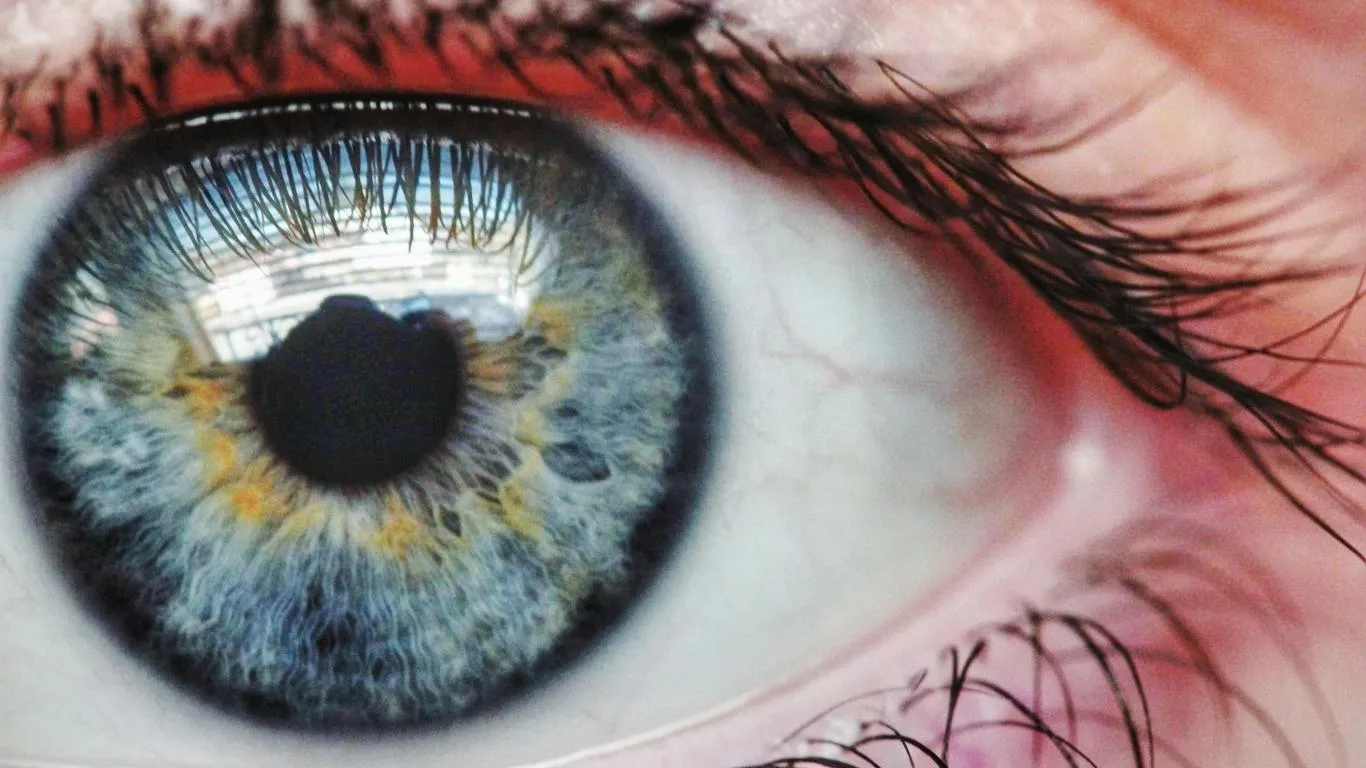
- Bright backgrounds: White or pastel-colored scenes in animations amplify floater visibility.
- Slow motion scenes: Reduced motion distracts less, letting floaters grab your attention.
- Eye strain: Extended screen time worsens floaters by drying out the eyes.
- Screen reflections: Watching on glossy screens or in poor lighting creates contrast that highlights floaters.
Interestingly, even simple things like looking at patterned blinds or walls can have a similar effect. The key is in how your brain filters repetitive or uniform visual inputs.
My Personal Hacks for Dealing with Floaters During Animation Binges
- Adjust Screen Brightness: Dialing down brightness and increasing contrast can sometimes “hide” floaters in darker shades.
- Blink More Frequently: It sounds basic, but dry eyes make floaters stand out. Consciously blinking helps keep your eyes moist and lessens the contrast effect.
- Use Matte Screen Filters: These reduce glare and soften the harshness of white backgrounds, making floaters less dramatic.
- Take Eye Breaks: I follow a “20-20-20 rule”—every 20 minutes, look at something 20 feet away for 20 seconds. It helps reset my focus.
For those of you who experience floaters worsened by digital devices, you might also want to check out this insightful piece on how excessive screen time without blinking magnifies floater visibility.
Could It Be Something More Serious?
Most floaters are harmless, albeit annoying. But a sudden burst of floaters accompanied by flashes of light or peripheral vision loss? That’s your cue to see an eye specialist. It could indicate a retinal tear or detachment. If you ever experience sudden changes, this article on identifying floaters as a warning sign for retinal tears is a must-read.
Natural Remedies – Do They Work?
Honestly? While many swear by certain vitamins or eye exercises, the science is mixed. I’ve tried lutein supplements and found minor improvements, but floaters didn’t vanish. This deep dive into natural floater remedies explains what’s legit and what’s wishful thinking.
Educating Yourself is Key
The more you understand about eye floaters, the better you’ll cope. A comprehensive guide like this overview of causes, symptoms, and treatments is a great place to start.
Also, for more insights specifically on how to recognize when floaters are worth worrying about, I found this article on when floaters indicate serious underlying eye conditions particularly enlightening.
When Floaters Become a Daily Distraction — What You Can Do
Let’s be honest—sometimes floaters go from “slightly annoying” to “I can’t unsee this.” If you’ve noticed them tagging along during your slow animation sessions, chances are they’ve started intruding in daily tasks too. That’s when you realize it’s not just a fleeting nuisance; it’s an everyday visual companion. The good news? There are actionable steps you can take to reduce their impact, even if you can’t eliminate them completely.
Modify Your Environment to Work with Floaters, Not Against Them
Through my own trial and error, I’ve learned that subtle environmental tweaks can make a world of difference. Here’s what worked for me:
- Switch to ambient lighting: Watching animations in pitch-black rooms? Bad idea. Add soft ambient lights behind your screen to reduce the harsh contrast.
- Reduce screen sharpness: High-definition screens with ultra-sharp visuals might sound appealing, but for floater sufferers, it’s sensory overload. Dropping the sharpness a notch helps blend floaters into the background.
- Consider blue-light filter glasses: Not only do they protect your eyes from digital strain, but they also mellow out visual distractions. This article breaks down how blue-light glasses can help.
Advanced Treatment Options: When to Explore Medical Interventions
While lifestyle changes and screen hacks work for most, there are cases where floaters persist and affect daily vision quality. If you’ve reached that level of frustration, it might be time to look into treatment options.
1. Vitrectomy — The Aggressive Approach
This surgical procedure involves removing the vitreous gel along with the floaters. It’s effective but not without risks, including retinal detachment or cataracts. It’s typically reserved for severe cases where floaters significantly impact vision.
2. Laser Vitreolysis — The Non-Invasive Alternative
Laser treatment involves targeting larger floaters and breaking them into smaller, less noticeable fragments. It’s less invasive compared to vitrectomy, but its success largely depends on floater type and position. Learn more about the pros and cons in this comprehensive guide on floater treatments.
Debunking Common Myths Around Eye Floaters
It’s easy to fall into the trap of miracle cures and quick fixes when you’re desperate to get rid of floaters. Been there, done that. Let’s clear the air:
- Eye drops don’t “wash out” floaters: Floaters reside deep in the vitreous, far beyond where eye drops can reach. No over-the-counter drop can dissolve them.
- Floaters are not dirt on your eye surface: Rubbing your eyes won’t “wipe them off.” In fact, excessive rubbing could worsen the problem, as explained in this article on eye rubbing and floaters.
- Hydration helps, but it’s not a cure: Drinking water is great for overall eye health, but it won’t magically dissolve floaters. It can, however, help with symptoms like dryness that make floaters more noticeable.
Preventive Eye Care — Because Floaters Are Easier to Manage Than Remove
Managing floaters isn’t just about reactive solutions. A proactive approach can slow their progression and reduce their visibility:
- Regular eye exercises: Simple movements like gently shifting your gaze from left to right or focusing on distant objects can help improve eye fluid dynamics. There’s a great guide on eye exercises that actually make a difference.
- Diet matters: Incorporating foods rich in lutein, omega-3 fatty acids, and antioxidants can support eye health. I personally noticed subtle improvements after tweaking my diet as per these recommendations.
- Monitor screen habits: Implementing screen breaks and maintaining proper posture reduces overall eye strain, minimizing the conditions that make floaters more prominent.
Know When to Seek Professional Help
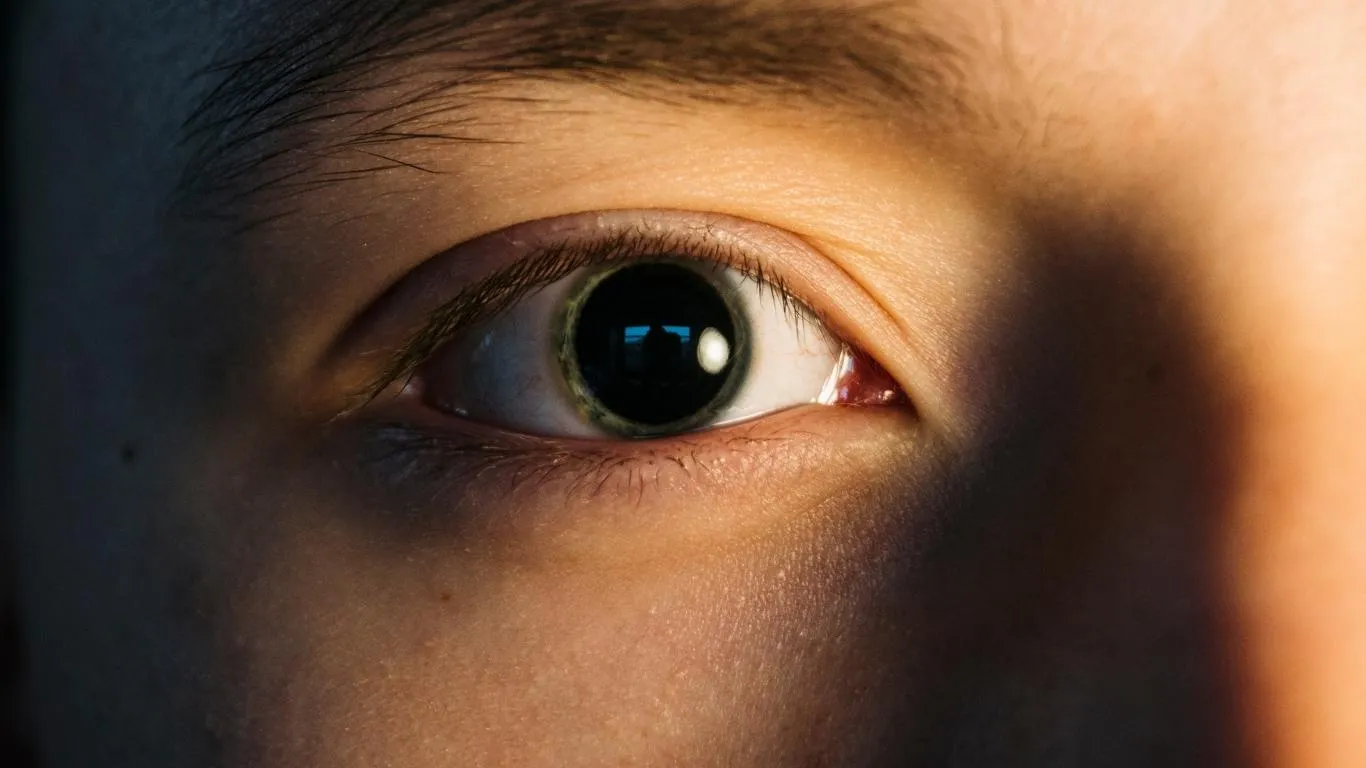
Floaters are common, but sudden changes shouldn’t be ignored. If you experience a sudden increase in floaters, flashes of light, or shadows encroaching your field of vision, it could indicate a serious issue like retinal detachment. In such cases, immediate medical consultation is crucial. For an in-depth breakdown of when floaters signal serious eye trouble, refer to this critical guide.
And if you’re just starting to explore the world of floaters and need a solid foundational understanding, I highly recommend checking out this thorough explainer on eye floater causes, symptoms, and treatment options. It’s where I began my own journey of making peace with these pesky visual companions.

Camellia Wulansari is a dedicated Medical Assistant at a local clinic and a passionate health writer at Healthusias.com. With years of hands-on experience in patient care and a deep interest in preventive medicine, she bridges the gap between clinical knowledge and accessible health information. Camellia specializes in writing about digestive health, chronic conditions like GERD and hypertension, respiratory issues, and autoimmune diseases, aiming to empower readers with practical, easy-to-understand insights. When she’s not assisting patients or writing, you’ll find her enjoying quiet mornings with coffee and a medical journal in hand—or jamming to her favorite metal band, Lamb of God.