Why Floaters Are More Noticeable While Lying On Yoga Mats
If you’ve ever laid down on a yoga mat, focused on your breath, and suddenly caught wispy specs or translucent squiggles drifting across your vision — you’re definitely not alone. The first time it happened to me during a calming savasana, I thought it was just the ceiling fan casting weird reflections. But nope — those tiny moving specs are called eye floaters. And for many of us, they’re more noticeable when we’re lying flat, especially on yoga mats with bright or uniform backgrounds. So, what’s the deal with these floaters that crash our zen?
Why Are Floaters More Noticeable on Yoga Mats?
The combination of lying flat, bright or single-colored surroundings, and relaxed eye focus during yoga creates a perfect storm for floaters to show up. When we lie on our backs, our head position allows the vitreous — the gel-like substance inside the eye — to shift. That subtle shift often causes floaters to drift more prominently into our line of sight.
Yoga mats, especially those light-colored or pastel ones (mine is pale gray), amplify this visual contrast. Since floaters are semi-transparent, they’re harder to notice against busy or dark backgrounds. But when the background is plain and well-lit — cue your yoga mat under studio lights — the little buggers stand out like never before.
Are These Floaters a Cause for Concern?
In most cases, no. Floaters are usually harmless and just part of the aging eye. The vitreous gel begins to liquefy and pull away from the retina as we get older — a process called posterior vitreous detachment. It sounds scarier than it is, but it’s super common, especially after 40.
But if you suddenly notice a *shower* of floaters, flashes of light, or a dark curtain creeping over your vision, that’s an emergency. That combo can indicate a retinal tear or detachment. In those situations, skip the yoga and call your eye doc ASAP.
Is It Yoga, the Lighting, or My Eyes?
This was something I genuinely asked myself — is yoga triggering floaters? Or is it the overhead lighting? Or is something wrong with my eyes? Here’s what I found out:
- Lighting: Bright LED lights, especially studio lights aimed downward, create an ideal environment for floaters to be noticed.
- Head Position: Lying flat causes the vitreous to settle differently, moving floaters more centrally into your visual field.
- Focus State: During yoga, especially restorative poses, your eye focus softens. That relaxed gaze makes it easier to notice floaters drifting around.
Interestingly, I even noticed that on days I was dehydrated or had poor sleep, floaters seemed more prominent. Turns out that’s not just in my head — dehydration can actually worsen floaters and make the vitreous less gel-like, which causes more movement inside the eye.
Floaters vs. Visual Snow — Know the Difference
Quick PSA — if what you’re seeing isn’t floating specs or strands, but more like static or “TV snow” especially in dim light, that could be something else entirely. Visual snow and floaters are not the same, and misidentifying them can lead to unnecessary worry or even missed diagnoses.
What You Can Actually Do About Yoga-Time Floaters
Now here’s the million-dollar question: can you make them go away? Not entirely. But you can absolutely make them less annoying.
- Switch Mat Color: Go for darker mats. Floaters are less visible against non-bright, textured surfaces.
- Change Lighting: If you have control over your space, avoid intense overhead lighting. Side lighting or dimmer settings reduce contrast.
- Eye Hydration: Drink more water — really. Keeping your vitreous gel stable starts with simple hydration.
- Natural Eye Movements: Gentle side-to-side eye motions can move floaters out of your central vision temporarily.
More advanced options — like laser vitreolysis or vitrectomy — are invasive and reserved for extreme cases. In most situations, awareness and lifestyle tweaks are enough. Still curious about treatments? Here’s an excellent breakdown of treatment options from observation to surgery.
What Experts Say About Floaters and Yoga
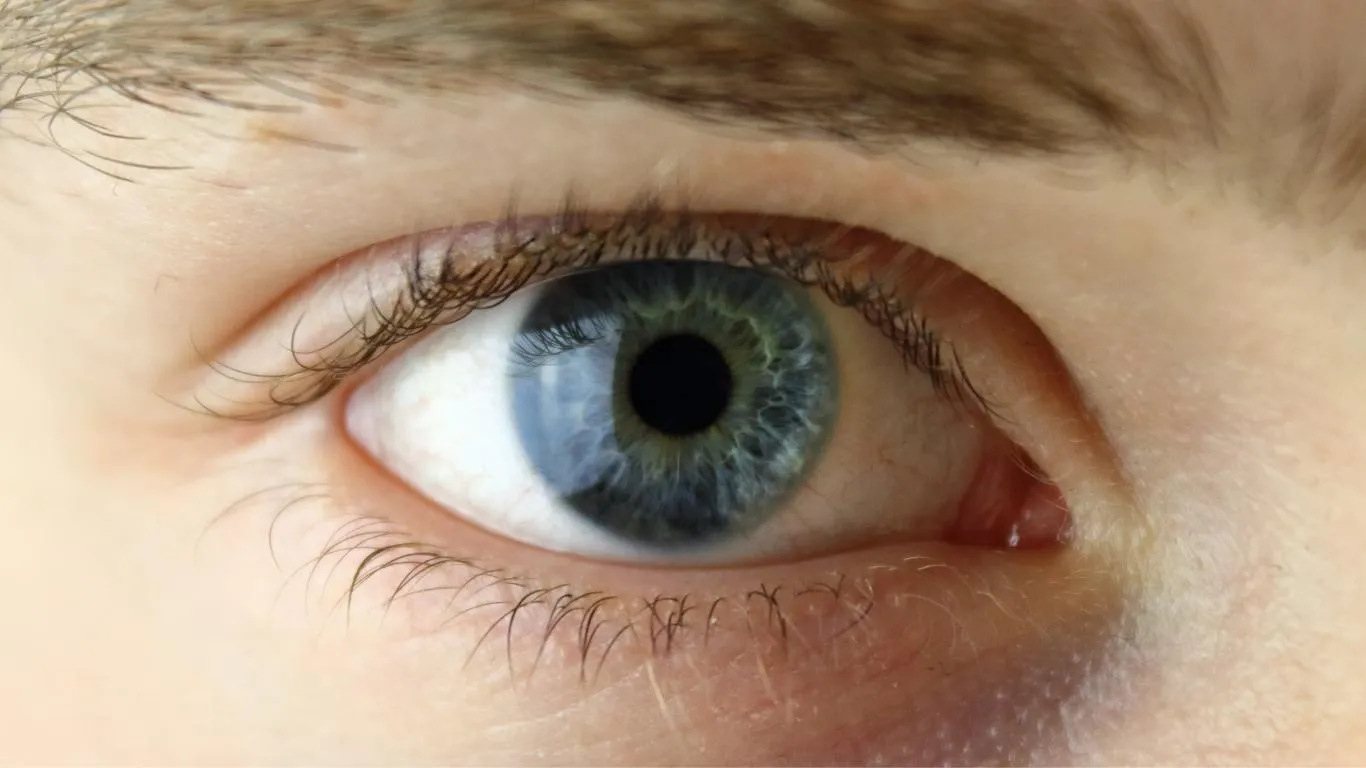
Ophthalmologists agree — yoga doesn’t cause floaters, but it sure makes them more visible. I’ve even spoken to two different instructors who said they regularly get questions from students who “saw weird floaty things” during practice. It’s more common than you think.
According to American Academy of Ophthalmology, floaters that become more visible in specific conditions (like lying down) are rarely signs of disease but can still be disruptive to mental focus and meditation.
So, if floaters are messing with your mindfulness, you’re not imagining things. Floaters showing up while lying on yoga mats is a legit and shared experience — especially in serene, minimalistic environments.
For a deeper dive into how floaters compare with other common eye conditions (especially during rest states), check out this solid guide: Eye Floaters vs. Other Eye Problems.
And if you’re just starting to connect the dots on why you’re seeing floaters more than usual, especially in your 30s or 40s, this main guide on causes, symptoms, and treatment is a must-read.
When Floaters Disrupt the Calm: Real Stories, Real Frustrations
I remember chatting with a fellow yogi after class who said, “I only see them when I lie down — during corpse pose, every time. It drives me nuts.” That stuck with me. I realized these moments of stillness, which are supposed to be grounding, can ironically become the most distracting when those transparent globs float across our vision like uninvited guests.
And it’s not just yoga. I’ve heard from others that floaters sneak into their field of view during early morning light while still lying in bed, or even during quiet meditation sessions. It’s always the same: plain backgrounds, relaxed eyes, and boom — floaters.
For anyone wondering whether they’re imagining this — you’re not. It’s very real, and very common. The good news? There are ways to work *with* them rather than against them.
How I Adjusted My Practice Without Letting Floaters Win
I didn’t want to let floaters ruin my restorative practice, so I made a few simple adjustments. Here’s what worked for me:
- Lighting tweaks: I shifted to practicing in a room with softer natural light. Floaters are way less visible in shaded, indirect light than under LED panels.
- Mat texture: I started using a slightly textured, deep-colored mat. Surprisingly, the texture actually disrupts the visual field just enough that floaters don’t stand out.
- Breath focus: Redirecting attention to the breath (specifically exhale length) helped reduce the obsession with what I was seeing — or thought I was seeing.
I also stopped fixating on them. That’s a big one. I began thinking of floaters as visual background noise — kind of like birds chirping during outdoor yoga. They’re just there.
Can Certain Health Factors Make Floaters Worse?
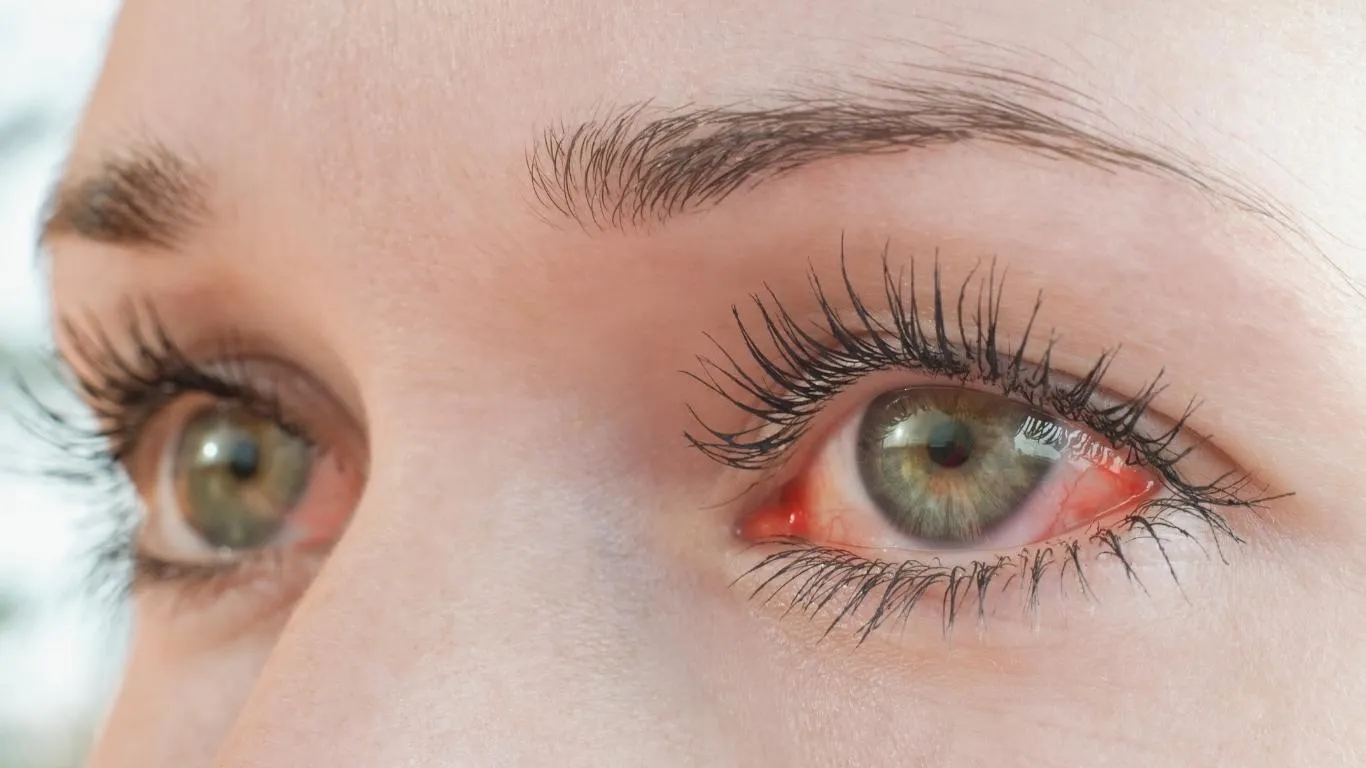
Yes, and this is where it gets a little more science-y (but important!). Floaters aren’t just about age. Several other things can contribute, including:
- Dehydration: It affects the consistency of the vitreous fluid. I wasn’t drinking enough water post-practice and started noticing floaters more often.
- Eye strain: Especially from screens. It’s wild how something like using your phone in the dark can aggravate them.
- Hormonal fluctuations: Especially during pregnancy or menopause. Shifts in hormones can impact fluid balance and eye health. I’ve spoken with moms-to-be who noticed floaters mid-yoga and freaked out.
If you’re curious about the various triggers that go beyond aging, this piece on common causes of eye floaters gives a great breakdown.
Supplements and Diet Tweaks That Helped (At Least a Bit)
No miracle cure here — let’s be clear. But I did notice a minor improvement when I became more intentional with nutrition. I started adding more omega-3s (chia seeds, walnuts), stayed consistent with hydration, and added a lutein-rich supplement after chatting with my optometrist.
While science on supplements is mixed, some eye health experts from ncbi.nlm.nih.gov do back the role of certain antioxidants in slowing down eye degeneration. Floaters may not vanish, but your eyes will thank you in the long run.
Tools to Track and Reduce the Distraction
If you really want to get nerdy with it (I did), tracking when floaters appear and what may have triggered them can help. I kept a tiny journal — time of day, lighting, what I ate, how I slept. Patterns began to emerge. For example:
- Floaters showed up most after high-sodium meals.
- Sleep-deprived mornings? Boom, there they were.
- After staring at white walls or paper? More noticeable.
This kind of self-tracking helps you regain control. You might even find out you’re doing certain things that make floaters worse — like skipping breaks during screen time or forgetting to blink (seriously).
Want a more structured way to monitor them? This deep dive on tracking floater changes can be a game changer.
When Should You Actually Worry?
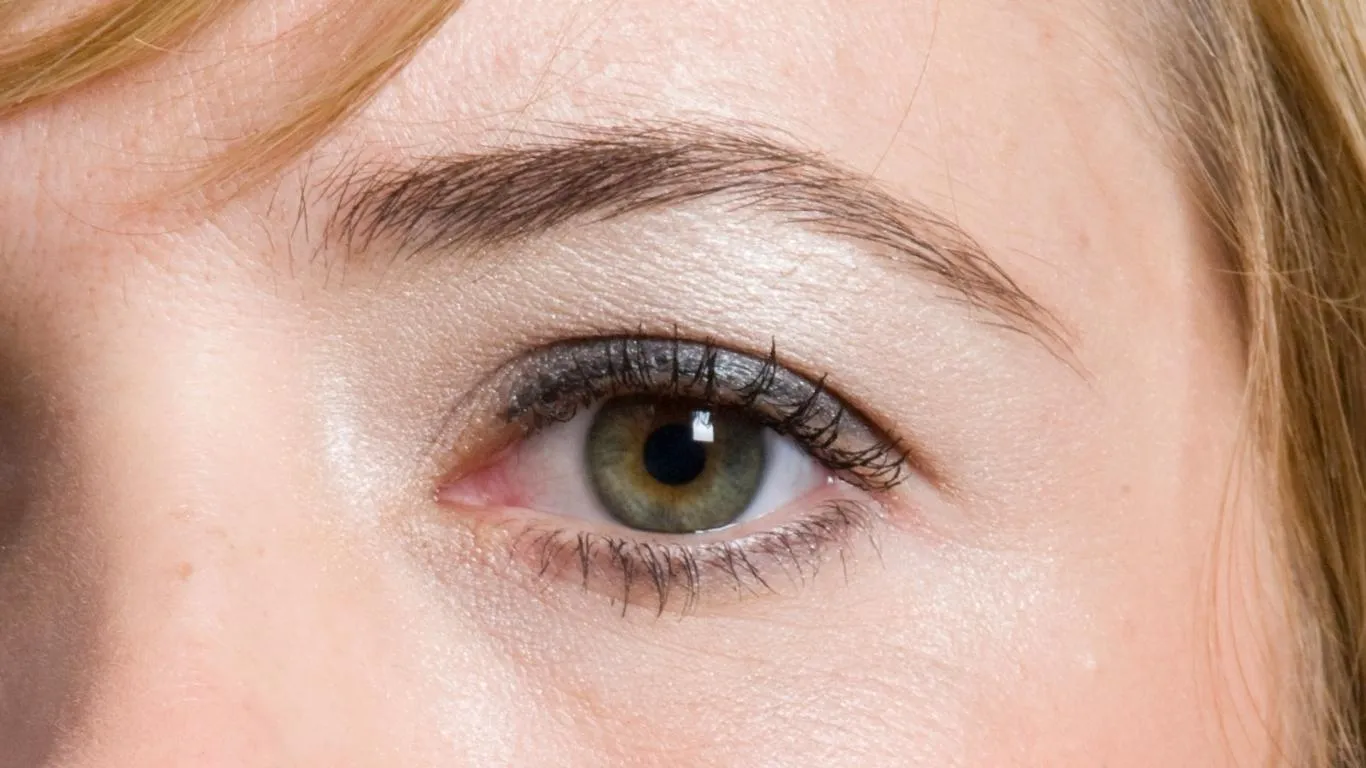
If you’ve been seeing the same few floaters for months and nothing else feels off, odds are they’re benign. But there are red flags you shouldn’t ignore:
- Sudden explosion of new floaters
- Flashes of light (especially in your peripheral vision)
- Shadow or curtain over part of your vision
These can signal retinal tears or even detachment. And that’s an emergency — call your eye doctor immediately. Don’t wait to see if it goes away.
Also, if floaters suddenly appear after exercise or injury, especially head or eye trauma, get checked out. You’d be surprised how often eye changes are linked to physical activity.
Floaters Aren’t the End of Your Zen
Here’s the truth: you can still enjoy your practice. You can still rest, breathe, and find clarity — even with floaters drifting by. They might stick around, but they don’t have to dominate your attention or ruin your savasana.
Think of floaters as part of the visual environment — like wind rustling during outdoor yoga, or a squeaky floorboard during meditation. You notice them, acknowledge them, and then let them float on by.
For anyone still struggling with how floaters are impacting your daily comfort or practice, I highly recommend reading this well-balanced piece on natural ways to manage eye floaters. It gives some realistic expectations and helpful tools.

Camellia Wulansari is a dedicated Medical Assistant at a local clinic and a passionate health writer at Healthusias.com. With years of hands-on experience in patient care and a deep interest in preventive medicine, she bridges the gap between clinical knowledge and accessible health information. Camellia specializes in writing about digestive health, chronic conditions like GERD and hypertension, respiratory issues, and autoimmune diseases, aiming to empower readers with practical, easy-to-understand insights. When she’s not assisting patients or writing, you’ll find her enjoying quiet mornings with coffee and a medical journal in hand—or jamming to her favorite metal band, Lamb of God.