Annoyed By Floaters Visible While Reading Poetry? Here’s How To Manage Them
It was one of those quiet afternoons when I decided to dive into my favorite poetry anthology, only to find myself distracted by tiny shadowy specks drifting across my vision. Floaters. They appeared every time my eyes traced the elegant curves of the text. It’s funny how you don’t notice them until you’re immersed in something so visually delicate, like the fine print of a poem. If you’re someone who spots floaters while reading poetry, you’re definitely not alone. And no, it’s not because your book is dusty or your glasses are smudged — though I wish it were that simple.
Why Do Floaters Become So Obvious When Reading Poetry?
Reading poetry demands a kind of visual precision that magnifies the subtle quirks of our eyesight. Unlike scrolling through bold digital fonts or watching videos, poetry often involves small, intricate typefaces printed on bright, uncluttered backgrounds. This combo is prime real estate for eye floaters to show off their annoying dance.
What’s happening is pretty straightforward: Floaters are tiny clumps of collagen or cells floating in the vitreous humor — that gel-like substance inside your eye. When you’re focused on something delicate like poetry, especially on a light background, those floaters become starkly visible. They drift into your line of sight, and suddenly you’re reading “the stars twinkle in the void” while literal specks float across the page. Poetic? Maybe. Frustrating? Absolutely.
The Lighting and Contrast Factor
One thing I noticed — and many eye specialists will back this up — is that floaters seem worse in bright lighting. The contrast between dark text and a pale page makes these translucent threads and dots pop out more. Dim the lights, and they might fade into the background, but that’s not exactly practical when you’re reading tiny stanzas.
Is This a Sign of Something Serious?
Before you let anxiety spiral, let’s clear this up: Most floaters are harmless. But — and it’s a significant but — a sudden burst of new floaters, especially when accompanied by flashes of light or vision loss, warrants an immediate visit to an ophthalmologist. Conditions like retinal tears or posterior vitreous detachment (PVD) need prompt attention.
Floaters that slowly appear and settle over the years are a natural part of aging. According to American Academy of Ophthalmology, over two-thirds of people experience them by age 60. Still, when you’re in your 30s, mid-sentence in a Rumi verse, and spot a cobweb drifting through your vision, it feels anything but “natural.”
Factors That Make Floaters More Noticeable When Reading
- High-Contrast Environments: White pages and black ink make floaters cast clearer shadows.
- Small Font Size: The more you squint and focus, the easier it is for floaters to interrupt your vision.
- Eye Fatigue: Tired eyes are less capable of “ignoring” floaters, making them more distracting.
- Static Visual Focus: Poetry requires slow, deliberate reading, reducing eye movement that would otherwise blur floaters out of sight.
Interestingly, many people report that floaters worsen after long screen sessions. Screen time strain reduces tear film quality, making the visual disturbance more noticeable when you switch to print reading.
What Can You Do to Minimize Floaters While Reading?
I’ve learned a few tricks to “outsmart” floaters, especially when I just want to enjoy my poetry time:
- Change Your Reading Angle: Tilt your book slightly or adjust your posture to shift how floaters settle in your visual field.
- Blink More Often: It helps redistribute the tear film and sometimes shifts floaters out of focus.
- Adjust Lighting: Softer, diffused lighting reduces sharp contrasts that highlight floaters.
- Opt for Larger Print Editions: Easier on the eyes, less squinting, and floaters become less intrusive.
For those dealing with persistent or worsening floaters, exploring medical treatments is an option. From laser vitreolysis to vitrectomy, there are procedures available, though they come with risks. If you’re curious about treatment routes, I’d recommend reading this detailed guide on eye floater treatments.
When to Consult a Professional
It’s easy to dismiss floaters as a minor annoyance, but they can sometimes signal underlying issues. Persistent floaters that interfere with daily activities — like reading poetry — are worth discussing with an eye care professional. Even if it’s just for peace of mind, an eye exam can rule out serious conditions and perhaps offer practical advice on managing them better.
For a deeper understanding of how floaters compare to other eye issues, this article on floater differentiation is incredibly helpful. And if you’re just starting to explore the whole floater phenomenon, this comprehensive guide covers everything from causes to treatments.
Can Eye Exercises Help Reduce Floaters During Reading?
Over the years, I’ve experimented with different ways to “train” my eyes to ignore floaters, especially during my poetry-reading sessions. While there’s no magical set of exercises that will make floaters vanish, certain techniques can help your brain adapt and “tune them out.”
One of the simplest routines I practice is soft-focus shifting. It involves consciously alternating between focusing on the text and glancing at a distant object, like a window or a painting. This brief change in focal length can sometimes shift floaters out of the central field of vision. You’d be surprised how effective this is, especially during lengthy reading sessions.
Another trick? Slow, circular eye movements. It’s something you can discreetly do when floaters start to interrupt your rhythm. This subtle movement encourages floaters to drift to a less bothersome area.
For more structured techniques, this guide on floater-reducing exercises offers some excellent options worth trying daily.
Environmental Tweaks That Can Make a Big Difference
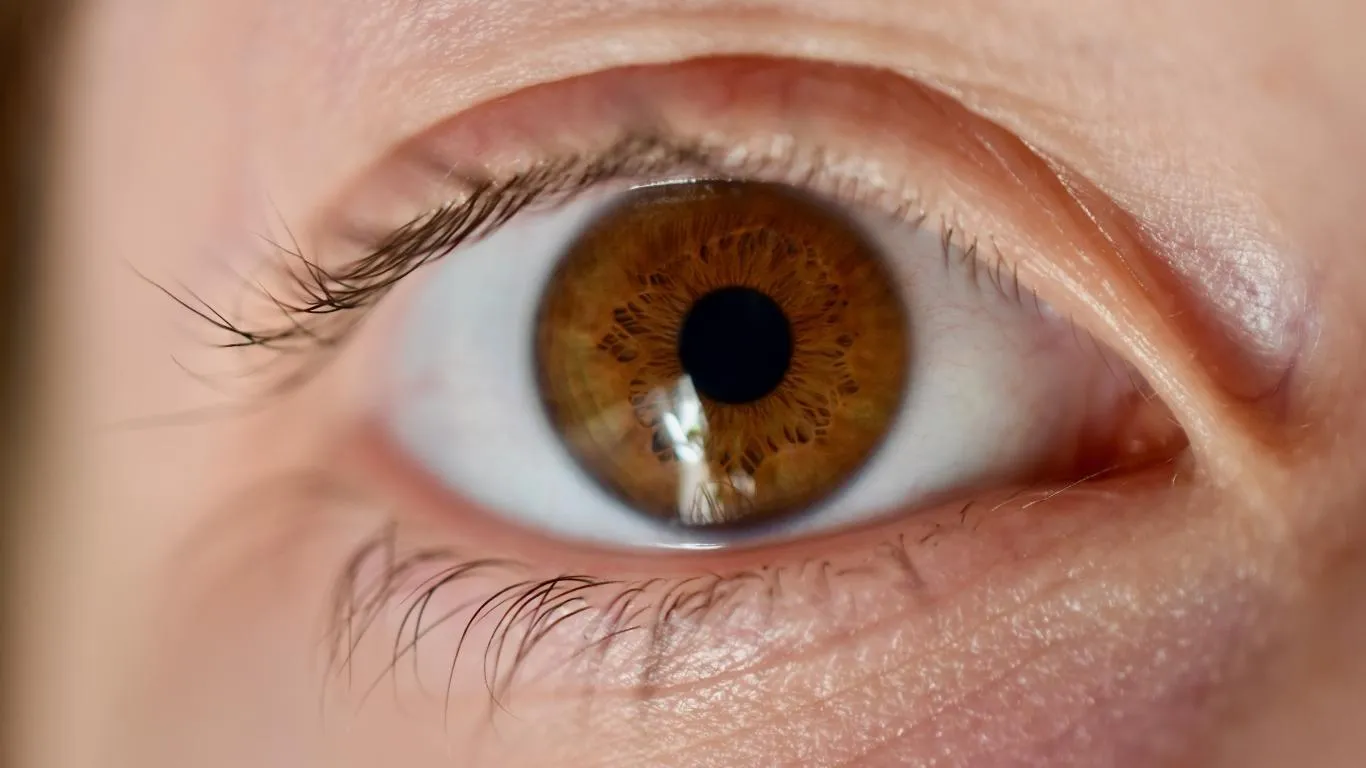
If floaters become most noticeable when reading indoors, the problem might not be your eyes — it could be your environment. I’ve noticed floaters are glaringly obvious under harsh overhead lights, especially fluorescent ones. Switching to softer, warm lighting made a surprising difference.
Even the background around you plays a role. Reading against a backdrop of light walls or bright windows tends to amplify floater visibility. Positioning yourself with a darker backdrop behind your book helps reduce this contrast effect.
Interestingly, a lot of people report their floaters become more pronounced after screen-heavy workdays. If that resonates with you, it’s not a coincidence. Digital eye strain can worsen floater perception. I’d highly recommend taking a look at why floaters seem worse with bright text backgrounds.
When Floaters Signal More Than Just Annoyance
While most floaters are harmless, certain patterns deserve immediate attention. If you suddenly see a dramatic increase in floaters, particularly if they appear as a curtain-like shadow across your vision, stop reading and call your eye doctor.
Another red flag is when floaters are accompanied by flashes of light, like little lightning strikes at the edge of your vision. This combination could signal a retinal detachment or tear — a condition that can lead to permanent vision loss if not treated promptly.
For a more in-depth look at serious floater warning signs, you might want to check out this comprehensive breakdown on dangerous floater symptoms.
Diet and Lifestyle Tweaks That Can Make Floaters Less Intrusive
I was skeptical at first, but making small changes in my diet had a noticeable impact on how intrusive my floaters felt. Increasing my intake of antioxidants, particularly lutein and zeaxanthin, helped improve overall eye comfort. Omega-3 fatty acids are another essential addition. They support retinal health and can help reduce the severity of floater perception over time.
Staying well-hydrated is often overlooked. Dehydration thickens the vitreous gel, making floaters more prominent. A simple habit like keeping a water bottle next to your reading nook can do wonders. Curious about nutrition’s impact on floaters? Here’s a resource that dives into diet changes for floaters.
Stress and Its Surprising Link to Floaters
One unexpected discovery I made was how stress plays a sneaky role in floater visibility. High-stress days often correlate with more noticeable floaters. It’s not just in your head — increased cortisol levels can affect eye pressure and vitreous consistency. Practicing mindfulness, even during a simple poetry reading session, can reduce the intensity of floaters.
Should You Consider Medical Intervention?
For most people, floaters remain a manageable inconvenience. But if you’re finding that they disrupt daily life, especially in activities that demand visual clarity like reading, it’s worth discussing medical options with a specialist.
Laser vitreolysis is a non-invasive procedure where laser energy is used to break up floaters, making them less noticeable. Vitrectomy, on the other hand, is a more invasive surgical option where the vitreous gel is partially or fully removed and replaced. Both come with pros and cons, so a thorough discussion with your ophthalmologist is essential.
If you’re considering treatment, start by reading this well-rounded guide on floater treatment options.
Embracing Floaters as Part of Your Visual Landscape

While it might sound cliché, sometimes the best approach is acceptance. I’ve learned to shift my focus from the floaters themselves to the words and meanings on the page. Over time, your brain adapts. Floaters become background noise, and the beauty of the poem takes center stage again.
It’s a journey — one that involves patience, small habit changes, and perhaps a few expert consultations. For a comprehensive guide on floater causes and how they evolve, you can start with this in-depth article here.

Camellia Wulansari is a dedicated Medical Assistant at a local clinic and a passionate health writer at Healthusias.com. With years of hands-on experience in patient care and a deep interest in preventive medicine, she bridges the gap between clinical knowledge and accessible health information. Camellia specializes in writing about digestive health, chronic conditions like GERD and hypertension, respiratory issues, and autoimmune diseases, aiming to empower readers with practical, easy-to-understand insights. When she’s not assisting patients or writing, you’ll find her enjoying quiet mornings with coffee and a medical journal in hand—or jamming to her favorite metal band, Lamb of God.