Wind Gusts Make Eye Floaters Worse? Here’s What You Should Know
I’ll admit it — I used to think those little drifting specks in my vision were just a weird quirk of getting older or maybe even just dry eyes. But over time, I started noticing a very specific pattern. Every time I stepped outside and a strong wind hit me in the face, bam — there they were. Floaters. Tiny shadows darting across my line of sight like stubborn gnats that refused to leave. It turns out, I’m not the only one.
Why Do Eye Floaters Seem Worse in Windy Conditions?
If you’ve ever noticed floaters becoming more visible when you’re out on a windy day, you’re not imagining things. There’s a curious link between environmental conditions — particularly gusty winds — and how floaters appear in your vision. While wind doesn’t create floaters, it can definitely amplify your awareness of them.
Wind Gusts & Eye Moisture Imbalance
Strong winds strip away the thin layer of tear film that normally coats your eyes, leading to dryness. Dry eyes can make existing floaters more prominent. I used to experience this while biking — every downhill gust made my floaters dance like little jellyfish.
What’s interesting is how dryness and environmental irritation can subtly alter your eye’s internal optics. This enhances the contrast between floaters and the background light, making them more noticeable, especially against bright skies or pale walls.
Eye Strain & Squinting: An Overlooked Trigger
Another factor? Squinting. When wind hits your face, your instinct is to squint, which tightens your eye muscles and reduces blinking. Reduced blinking allows floaters to linger in your field of vision longer than usual. Plus, squinting focuses your vision more narrowly — and those shadows that drift across the vitreous become a lot harder to ignore.
This phenomenon is commonly mistaken for signs of eye strain, but it’s often the floaters themselves becoming more prominent. Learn more about why floaters are more noticeable in certain lighting — especially when outside.
What Are Floaters Really Made Of?
Floaters are tiny clumps or strands of collagen within the vitreous gel — the jelly-like substance that fills your eyeball. They cast shadows on your retina as light passes through. Most floaters are harmless and come with age or mild degeneration, but if you’re suddenly seeing a lot of them, especially after wind exposure or activity, it could signal more.
I had a mild vitreous detachment last year, and it made me revisit all the times I brushed off wind-triggered floaters. It wasn’t just about dryness; it was about how sensitive the eye is to micro-movements and pressure changes — even from a gust of wind.
Link Between Sudden Wind Exposure & Vitreous Movement
Rapid head movements from bracing against wind or turning your head sharply can also jostle the vitreous, stirring up floaters. If you’ve had LASIK or any kind of minor trauma to the eye, your vitreous might be more sensitive than average.
This is particularly common in those who’ve recently undergone procedures. If you’re seeing floaters more frequently after eye surgery or sudden weather changes, check this guide on floaters after eye surgery.
When to Be Concerned About Floaters in Windy Conditions
Let’s be honest — most floaters are benign. But here’s when things cross the line into “call your eye doctor now” territory:
- A sudden burst of floaters, especially after a head movement or strong gust
- Floaters accompanied by flashes of light or peripheral shadows
- Changes in the shape, size, or movement pattern of existing floaters
In some cases, floaters can indicate retinal tears, especially if combined with flashing lights. You can read more about that in this article on floaters as a sign of retinal tears.
Ocular Allergies & Wind Sensitivity
Floaters aren’t directly caused by allergies, but let me tell you — when your eyes are already itchy, inflamed, and watery from wind-borne pollen, they definitely don’t help. The inflammation makes your vision feel more cluttered, and that increases your sensitivity to every little floater that drifts by.
You might find relief by checking out this guide on floaters and allergy-related eye symptoms, especially if you’re dealing with seasonal wind and pollen combinations.
Can Wind Exposure Trigger New Floaters?
This one’s tricky. Wind itself doesn’t create new floaters. But if you’re already predisposed to floaters — say, you’re nearsighted, over 40, or have had previous eye procedures — that wind exposure may exacerbate movements in your vitreous gel, which could reveal floaters that were already present but hadn’t been noticed before.
As someone who’s had LASIK and still deals with occasional floaters, I’ve noticed they spike when hiking at high altitudes or in dry, windy environments. That’s not a coincidence. Wind exposure adds stress to already sensitive ocular conditions. For a deeper dive into this link, here’s a useful article on floaters post-LASIK.
Nutrition, Hydration & Floaters in the Wind
People underestimate how much staying hydrated can help with floater visibility — especially on windy days. When you’re dehydrated, your vitreous gel becomes less firm, making floaters shift more loosely and noticeably. I started carrying electrolyte tabs on windy hikes, and it’s made a surprising difference.
Also worth noting: certain nutrients like lutein and omega-3s support eye health. Check out this helpful breakdown on foods rich in lutein for better vision.
For a full understanding of treatments — from observation to surgical options — you can explore this detailed breakdown on eye floater treatments, which I found helpful when I was considering whether mine needed medical attention.
And if you’re looking for a comprehensive guide that ties together causes, symptoms, and treatment strategies, I highly recommend this main article on what eye floaters are and how to handle them.
Tips That Helped Me Reduce Floaters on Windy Days
Once I figured out the wind-floaters connection wasn’t just in my head, I started experimenting with ways to manage it. These are things that helped me personally — not miracle cures, but little changes that made a big difference over time.
- Wraparound sunglasses: These do more than just block sunlight. They physically shield your eyes from wind, reducing both dryness and irritation. Game changer.
- Hydration boost before and after outdoor time: I started adding electrolytes to my water before long walks or hikes. My floaters weren’t gone, but they felt way less intrusive.
- Use lubricating eye drops: The preservative-free kind. I keep them in my pocket whenever I’m heading into dry or windy environments.
- Limit screen time post-wind exposure: Screens can exaggerate eye strain, especially after your eyes have already been irritated outdoors. Taking screen breaks after wind exposure made my floaters less noticeable later in the day.
This kind of eye-care routine isn’t complicated, but most people never think to connect dry, windy air with floater flare-ups. If you’ve been dealing with increased visual disturbances after outdoor exposure, you’re not alone — and you’re not imagining it.
Situations Where Wind-Induced Floaters May Be More Serious
Not all floaters are created equal. Sometimes, a sudden burst of them after wind exposure — especially if you’re also feeling pressure behind the eye or noticing unusual flashes — can indicate something more serious. That was the case for a friend of mine who developed floaters with no warning signs, and it ended up being a retinal tear.
Some signs to watch out for:
- Floaters appearing in a cluster, like a sudden storm
- Floaters paired with sharp pain, flashes, or blurred side vision
- Feeling like a “curtain” is drifting across your visual field
Wind exposure may simply reveal floaters that were already there — but in rare cases, it might exacerbate movement in the vitreous that could lead to retinal detachment. This risk goes up in people with high myopia, previous eye trauma, or degenerative conditions. Learn more in this helpful breakdown on retinal hole warning signs.
Don’t Ignore Floaters That Persist After Wind Exposure
Here’s something I learned the hard way: persistent floaters that don’t fade after wind exposure — especially those that appear darker or change shape — shouldn’t be brushed off. In my case, I assumed it was just dryness, but an eye exam revealed early signs of posterior vitreous detachment. Not dangerous in my case, but definitely something to monitor.
This guide on posterior vitreous detachment is a solid resource for understanding this common issue.
Eye Floaters & Other Sensory Triggers
I used to believe floaters were strictly visual — but over time, I noticed a pattern between floaters and other sensory inputs. Wind isn’t just a visual disruptor; it can also heighten your awareness of discomfort in general, making floaters feel more “in your face.” Add in noise, allergens, or sunlight, and it creates the perfect storm.
Some floaters even appear more distinct after emotional stress or sensory overload. If this sounds familiar, you might find this insightful: how emotional states affect floaters.
Light Sensitivity Combined with Wind = Visual Chaos
It’s hard to describe the feeling when you’re squinting into the wind on a sunny day, trying to make out traffic signs while floaters swoop across your view. If you’ve got mild light sensitivity — and especially if you’re dealing with any kind of eye strain — wind makes it so much worse.
I’ve also noticed floaters get especially bold when I’m under bright artificial lighting post-wind exposure. It might be due to dry-air HVAC systems or simply how the eye struggles to rehydrate. Either way, the combination’s a killer.
This explains why many people report floaters being most visible in bright environments after time outdoors.
Should You Get Your Floaters Checked?
Absolutely — especially if you notice sudden changes. I delayed seeing an optometrist for months, telling myself it was just dryness. But eventually, I had one too many “curtain-shadow” moments and decided to get checked. The exam was quick, painless, and honestly, gave me a lot of peace of mind.
Getting a dilated eye exam can help rule out retinal tears, hemorrhages, or early signs of conditions like diabetic retinopathy. More importantly, it gives you a baseline for your eye health. Here’s a great overview of eye floater symptoms that shouldn’t be ignored.
And if you’re new to this whole floater world (I was too), bookmark this main guide on what eye floaters are, what causes them, and how they’re treated.
When Floaters Are Just a Daily Nuisance
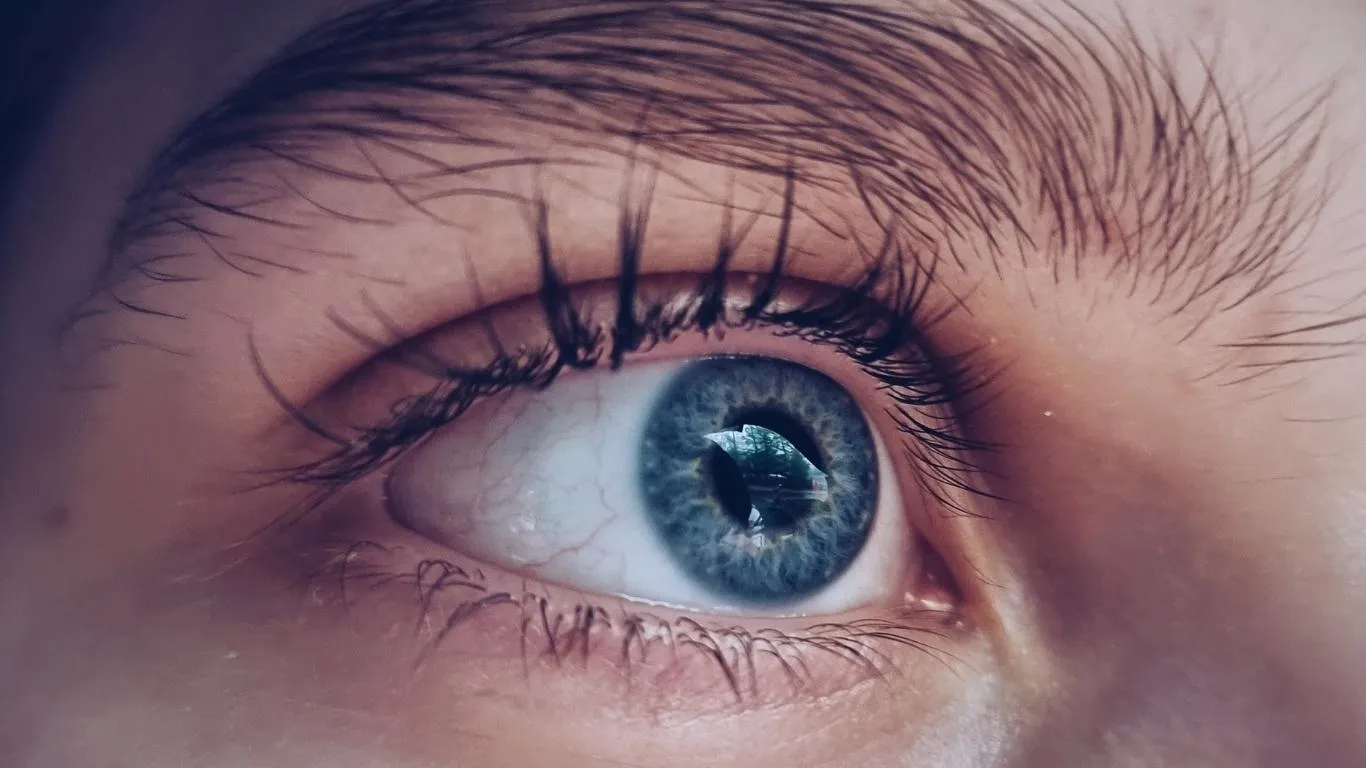
Look — not all floaters mean doom. If you’re just seeing a few wispy ones that float by now and then, especially after wind exposure, you’re probably fine. But being aware of the connection between wind, dryness, and floater visibility gives you the power to take small steps to manage them.
For me, the biggest shift was simply realizing what made mine worse and avoiding those triggers when possible. Whether that’s using artificial tears before a run, wearing better eye protection, or just being more in tune with how my eyes feel — it’s about noticing the pattern and adapting.
And if you want a complete look at what floaters actually mean for your vision — whether you’re 25 or 65 — check out this detailed guide on common causes of floaters. It helped me understand how lifestyle, aging, and environmental exposure all play a role.

Camellia Wulansari is a dedicated Medical Assistant at a local clinic and a passionate health writer at Healthusias.com. With years of hands-on experience in patient care and a deep interest in preventive medicine, she bridges the gap between clinical knowledge and accessible health information. Camellia specializes in writing about digestive health, chronic conditions like GERD and hypertension, respiratory issues, and autoimmune diseases, aiming to empower readers with practical, easy-to-understand insights. When she’s not assisting patients or writing, you’ll find her enjoying quiet mornings with coffee and a medical journal in hand—or jamming to her favorite metal band, Lamb of God.