Why Floaters Get Worse When Looking at Tiled Walls or Ceilings
If you’ve ever stared at a tiled wall or a white ceiling and suddenly caught strange shapes dancing across your vision—like threads, cobwebs, or translucent squiggles—you’re not alone. I first noticed mine while brushing my teeth in the morning, standing in front of a tiled bathroom wall. It was subtle at first. A tiny blur floating away whenever I tried to look at it directly. But it kept happening—always against those bright, patterned surfaces. Turns out, I wasn’t imagining things. These are called eye floaters, and tiled walls or bright ceilings are practically their stage.
Why Do Floaters Seem More Visible on Tiled Walls or Ceilings?
The reason is surprisingly simple: contrast. Eye floaters become more noticeable when you’re looking at a uniform, bright background. Tiled walls, especially white or pastel ones under bathroom lighting, create the perfect backdrop to highlight these annoying specks. It’s not that they suddenly appear there—they’re always present, just more visible in those moments.
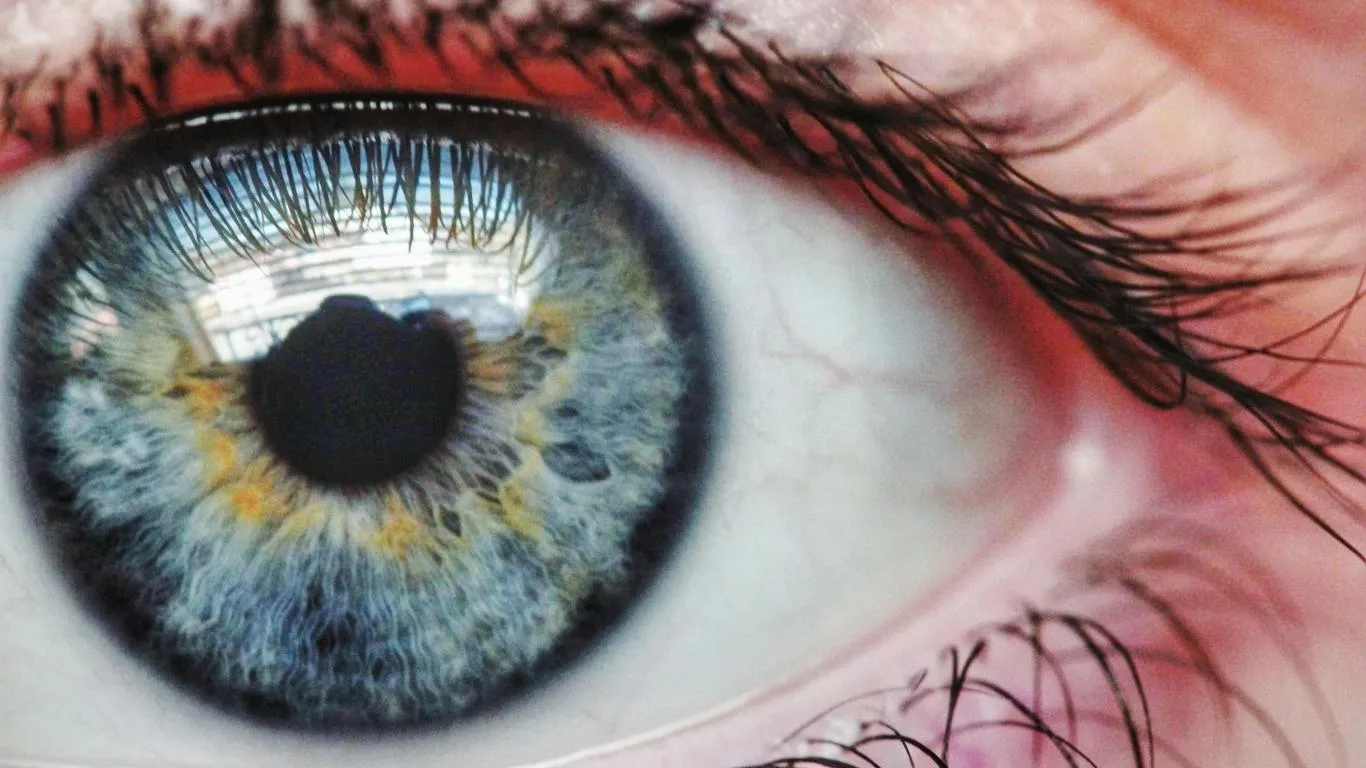
When light enters your eye, it passes through the vitreous—the clear gel filling the eyeball. As we age, that gel starts to shrink and clump, casting shadows on the retina. These shadows are what we perceive as floaters. And tiled walls? They offer the uninterrupted brightness that turns floaters into unmissable guests.
Not All Floaters Are Created Equal
Let me tell you, the first time I saw one that looked like a spider web, I was convinced something was seriously wrong. But floaters come in all forms: dots, threads, clouds, even rings. Some move slowly, others dart like they’re dodging your gaze. They shift with eye movement, floating like jellyfish in a current, then settle when your eyes are still. When staring at a tiled wall, the brain has little else to focus on—so the floaters steal the spotlight.
Here are the types people commonly report:
- Specks or dots: These can look like dust particles.
- Worm-like strands: Often curved, stringy, or even looped.
- Cobweb shapes: Larger and more diffuse.
- Cloudy patches: Especially noticeable in bright sunlight or artificial lighting.
Is It Normal to See Floaters in These Situations?
In most cases, yes. Floaters are a natural part of aging, especially after age 40. However, their visibility while looking at tiled walls or ceilings tends to raise concern because it’s when they’re most obvious. The real trick is to know when floaters are just a nuisance, and when they could be a warning sign.
It’s worth noting that floaters can also occur in younger people with high myopia, or after eye trauma. Eye floaters in young healthy adults are more common than many realize. Mine began showing up in my early 30s, and I don’t even wear glasses.
Still, a sudden increase in floaters—especially if paired with flashes of light or a curtain-like shadow—could mean something more serious like a retinal tear or detachment. In that case, don’t wait. Get to an eye doctor fast.
Are Tiled Walls Making Them Worse?
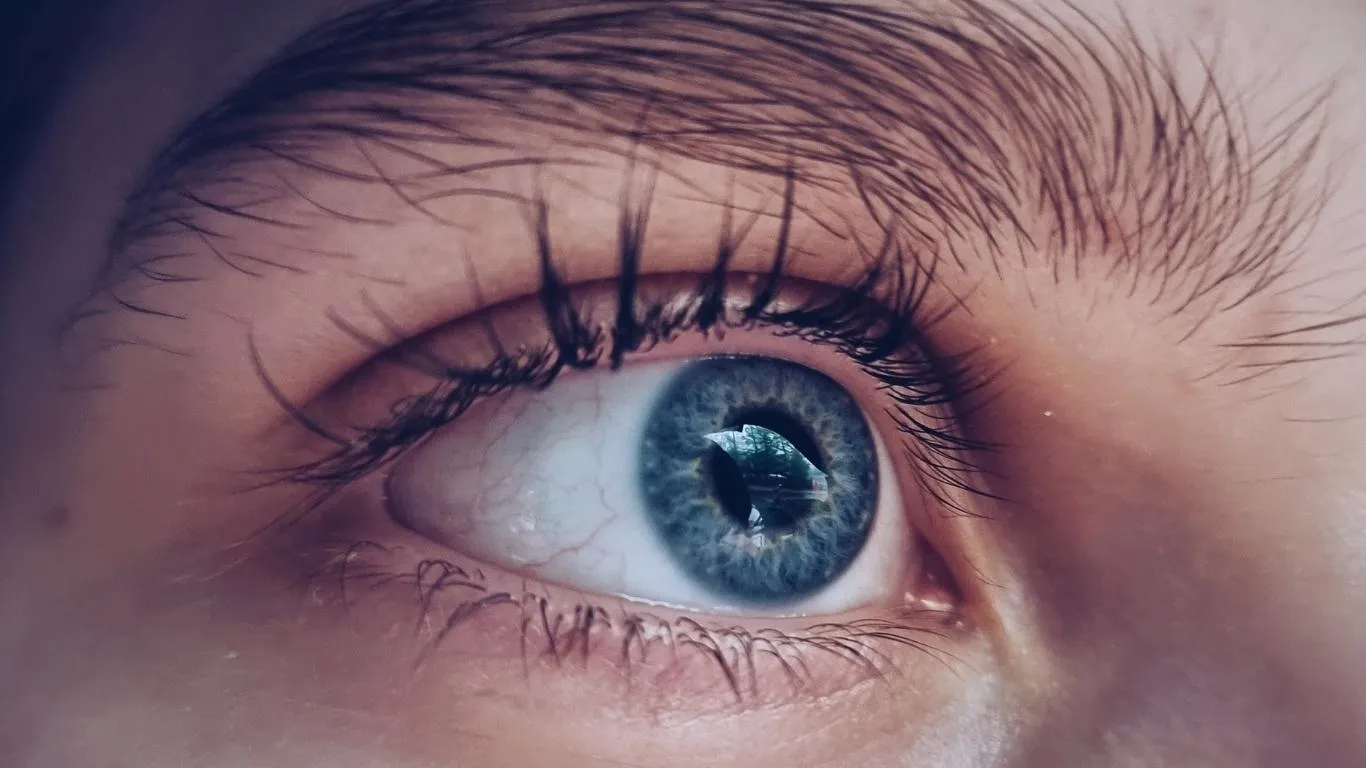
Technically, no. Tiled walls don’t cause floaters; they just make them easier to see. But for people like me—who are super aware of every new speck in their vision—it can feel like they’ve multiplied overnight. This leads to more staring at walls, more noticing them, and more stress.
Stress itself can make perception of floaters worse. Floaters triggered by anxiety episodes are a real thing. So if you’re prone to worrying (guilty!), seeing them in a tiled shower stall might be enough to send you down a WebMD rabbit hole.
But here’s the deal: being aware of floaters doesn’t mean they’re getting worse. It’s just your brain, focusing on them harder because of the visual background. That’s why they almost disappear when you’re busy, and pop back up when you’re staring at a ceiling during a meeting or lying flat in bed staring at the white wall. Floaters when lying flat on back behave similarly because the background lighting creates the same high-contrast situation.
Should You Be Concerned About These Specific Floaters?
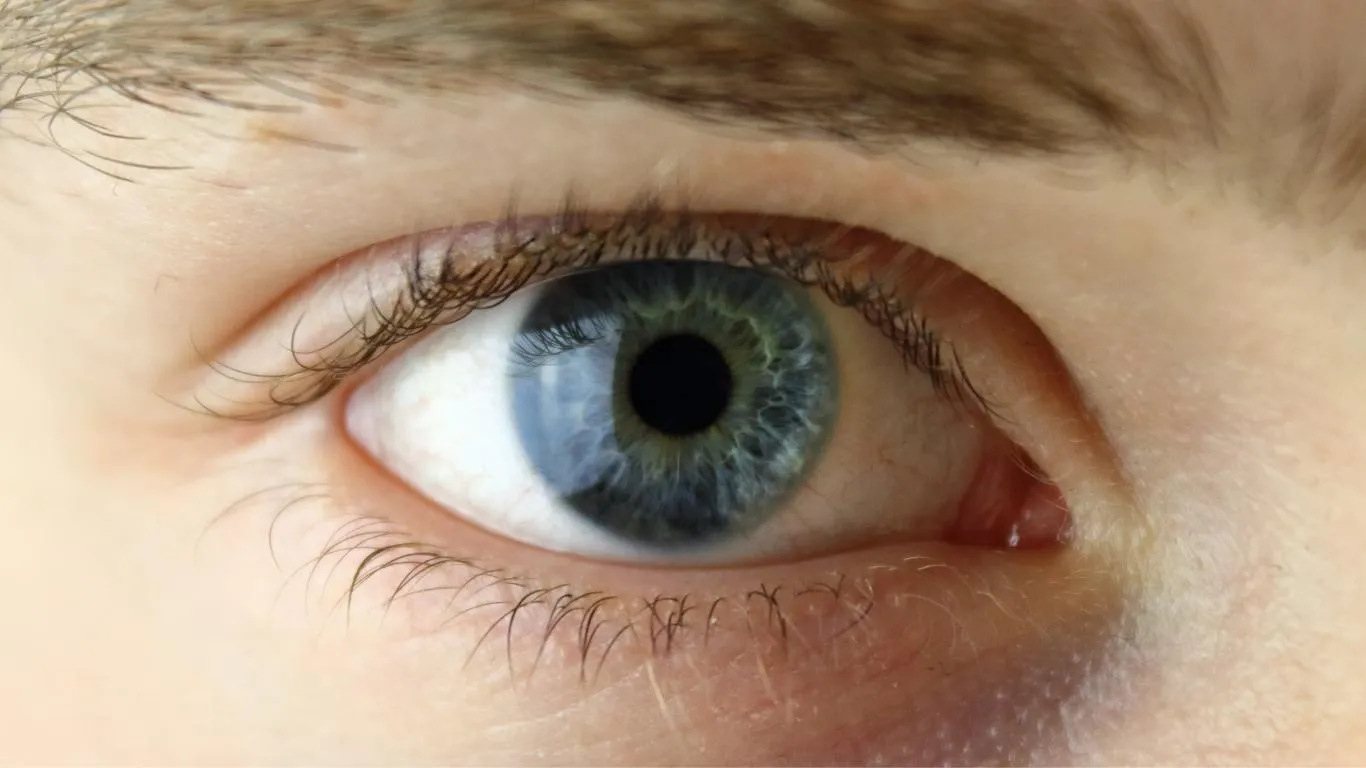
If you’ve had the same floaters for years, they move predictably, and nothing new has popped up—it’s probably fine. But there are a few things you should absolutely watch for:
- Sudden increase in number or size
- Flashes of light in the peripheral vision
- Dark shadow or curtain moving across vision
- Floaters accompanied by blurry or distorted vision
These could be signs of a more serious issue, like a retinal tear or detachment. And you don’t mess around with your retina. If in doubt, check out this guide to floaters before retinal tear for red flags that shouldn’t be ignored.
Also Worth Reading:
To understand how to tell floaters apart from more dangerous conditions, this is a solid overview: Eye Floaters vs Other Eye Problems — and it goes deeper into what to watch out for.
For a complete breakdown of causes, symptoms, and treatment, the core resource remains the Eye Floaters Main Guide which covers everything from basic anatomy to laser surgery.
Just don’t panic if you’re only seeing them in brightly lit tiled bathrooms or when staring at your ceiling fan. It’s more common than people admit. And hey, now you know why.
After finally realizing that those squiggly shapes on tiled walls weren’t imaginary, I wanted answers—and maybe even a fix. Staring at floaters every morning started messing with my mood. So I went deeper. Turns out, understanding them is one thing. But managing, minimizing, and even preventing them? That’s a whole different story. Let’s get into what actually helps—and what doesn’t—when it comes to floaters that hijack your attention every time you look at bright ceilings or bathroom tiles.
Can You Prevent Floaters From Getting Worse?
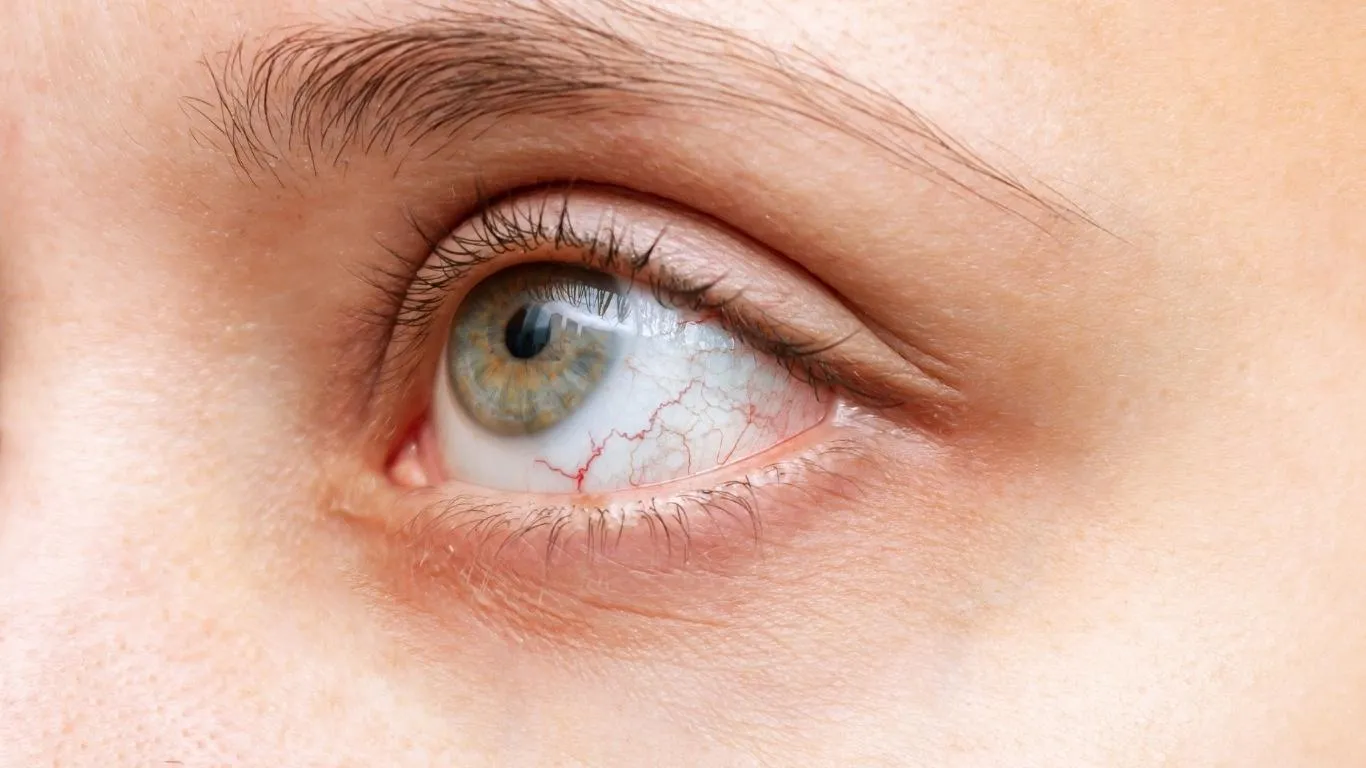
Short answer: not always. Some floaters are inevitable with age. But that doesn’t mean you’re powerless. One of the best things you can do is focus on your overall eye health. That means protecting your eyes from UV damage, avoiding chronic eye strain (yep, even from your phone in bed), and addressing underlying conditions early.
Here’s what’s helped me personally:
- Wearing sunglasses outside, even on cloudy days
- Staying hydrated—a surprising difference-maker. Dehydration absolutely worsens floaters for many of us
- Taking screen breaks and using warm lighting in tiled bathrooms (less contrast = less floater drama)
- Omega-3 supplements—backed by some promising research and worth trying for clarity
What Treatments Actually Work?

This is where it gets tricky. There’s a lot of misinformation online, and let’s be real—people will try to sell you all kinds of pills, herbs, and weird diets promising to “dissolve floaters.” Some natural approaches may offer minor relief, especially if inflammation is a factor, but there’s no miracle cure in a bottle.
That said, medical treatments do exist—though they’re usually reserved for severe cases:
- Vitrectomy: Surgical removal of the vitreous gel. Effective, but comes with real risks like retinal detachment.
- Laser vitreolysis: A laser breaks up floaters to make them less noticeable. It’s not for everyone, and not all ophthalmologists offer it.
If you’re curious about these options, it’s worth reading the full overview in this guide on treatment choices. It breaks down the pros, cons, and who’s a candidate.
Natural Techniques That Help (Even Just a Little)
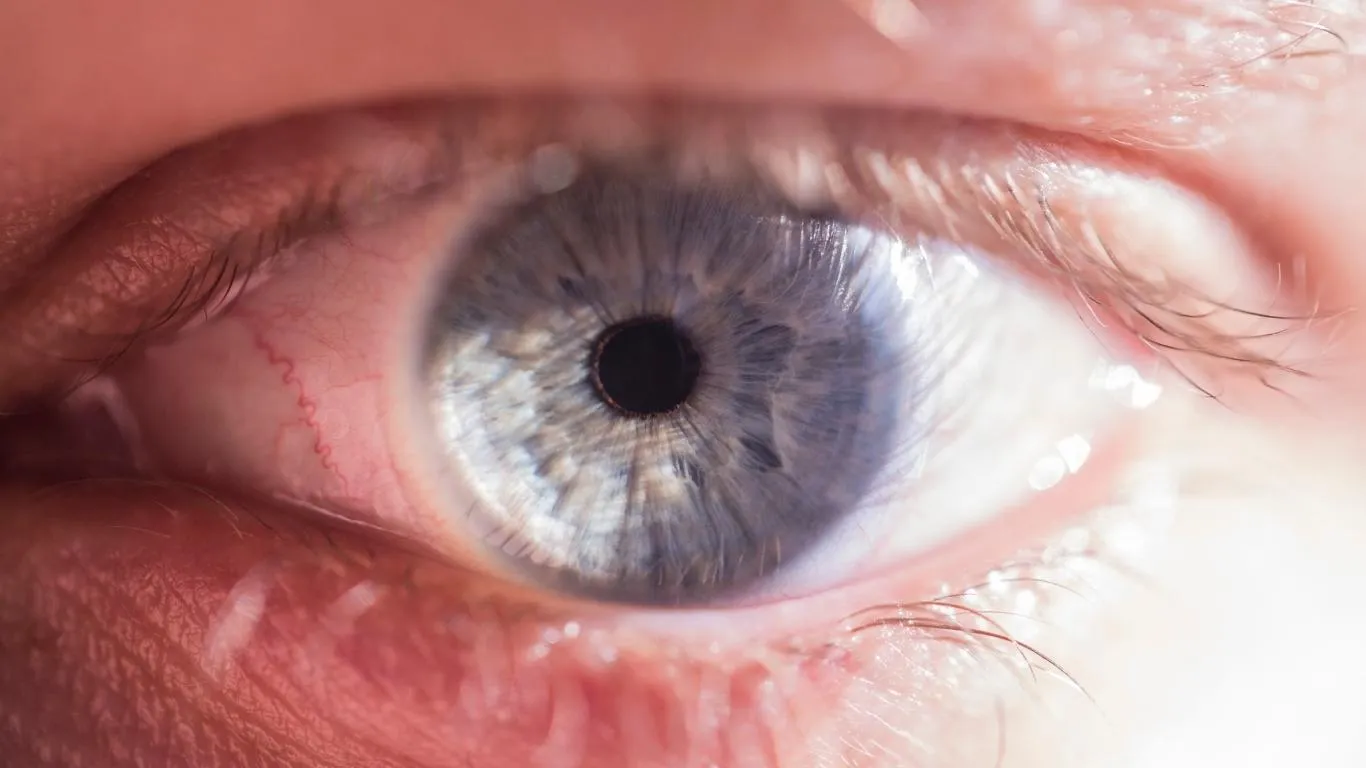
Some floaters can fade or “sink” out of your field of view over time. In the meantime, there are small habits that might make a real difference in how noticeable they are—especially during your next stare-down with tiled walls:
- Eye rolling exercises: Gently move your eyes in circular motions. This can help floaters shift out of view.
- Blink more often: Reduces dryness and helps “clear” visual distractions temporarily.
- Change your focus: Look at distant objects to shift the floater’s position.
- Reduce anxiety triggers: Floaters can flare up after stress, so your mental state matters more than you think.
Many people also swear by targeted nutrition. I’ve personally experimented with diets rich in lutein and vitamin C, and while floaters didn’t vanish, my eyes just feel better overall.
Are There Situations That Make Floaters Worse?
Absolutely. Tiled walls and ceilings just reveal them—but certain life habits can increase their appearance or impact, even subtly:
- Not sleeping enough—fatigue increases visual sensitivity. See why poor sleep matters
- Too much screen time—especially when paired with dry eyes and bright backlit screens
- Harsh indoor lighting—this enhances contrast, much like white tiles
- Posture and circulation—a weird one, but your posture affects eye pressure, which in turn may shift floaters more visibly into view
Are Floaters Ever a Sign of a Bigger Problem?
Most of the time, they’re harmless. But there’s a very clear line between typical floaters and medical emergencies. If you see a sudden shower of floaters, flashing lights, or feel pressure behind your eyes—get it checked. Better safe than sorry.
There’s even a weird connection between floaters and systemic conditions. For instance, people with autoimmune disorders or diabetes might see floaters as an early symptom of something deeper. So never ignore major changes.
When You Just Want to Stop Noticing Them
Honestly? The biggest help for me was just learning to let go. I stopped obsessively checking for them on white ceilings. I got into meditation and lowered the lighting in my bathroom. I stopped chasing cures and focused on protecting my vision. The floaters didn’t disappear—but they stopped running my mornings.
If you’re tired of obsessing every time you glance at the ceiling, explore the practical, proven strategies in the Natural Management guide. It’s a balanced look at what helps, what doesn’t, and how to take back control.
And of course, everything about floaters, from causes to symptoms and when to get help, is available in this main eye floaters resource. It’s where I started when this journey began, and I still refer back when I need clarity—pun intended.

Camellia Wulansari is a dedicated Medical Assistant at a local clinic and a passionate health writer at Healthusias.com. With years of hands-on experience in patient care and a deep interest in preventive medicine, she bridges the gap between clinical knowledge and accessible health information. Camellia specializes in writing about digestive health, chronic conditions like GERD and hypertension, respiratory issues, and autoimmune diseases, aiming to empower readers with practical, easy-to-understand insights. When she’s not assisting patients or writing, you’ll find her enjoying quiet mornings with coffee and a medical journal in hand—or jamming to her favorite metal band, Lamb of God.