Why Floaters When Lying Down After A Long Day Feel Worse
Last night, I crashed into bed after a crazy long day and there they were—those weird floaty things drifting across my vision every time I looked at the ceiling. If you’ve ever wondered why floaters when lying down after a long day seem more obvious, you’re definitely not alone. This isn’t just some trick your tired eyes play on you. There’s real science (and some surprising triggers) behind why they show up more prominently in certain moments—like, say, when you’re exhausted and staring at a white ceiling. Let’s get into it.
Why Floaters Seem Worse When You Lie Down
So first—what’s going on when you lie back and suddenly notice floaters you didn’t even see all day? The short answer: angle, lighting, and eye fluid dynamics. The longer answer? Let’s unpack it a bit.
Gravity Plays a Role
During the day, you’re upright—walking around, blinking, shifting your gaze. All this motion helps keep the vitreous (that gel-like substance in your eye) stirred up. But when you lie down, especially on your back, gravity redistributes the gel slightly. That shift can pull floaters directly into your line of sight, especially if they were hovering just outside your central vision earlier.
Lighting Triggers More Visibility
Ever notice how floaters almost always show up when you’re staring at a bright surface—like a white wall or ceiling? That’s because floaters cast shadows on your retina, and they’re way easier to see when the background is uniform and well-lit. After a long day, you’re probably in a dim room with one light source on the ceiling. That contrast? Perfect floater-spotting conditions.
The Connection Between Eye Fatigue and Floaters
Here’s where things get interesting. If you’re lying down at night and suddenly spotting floaters, your eye fatigue might be a big reason why.
Why Tired Eyes Notice More
After a day of staring at screens or doing anything visually demanding, your eye muscles are drained. This muscle fatigue reduces your ability to filter out visual “noise”—like floaters. What might’ve gone unnoticed all day suddenly becomes super obvious.
Dry Eyes Make It Worse
I personally get this a lot after long hours under air conditioning. Dry eyes can exaggerate the appearance of floaters. Without adequate lubrication, your eyes can’t compensate or shift focus as easily, making floaters seem like they’re stuck in your vision. Here’s a great breakdown on how dry eye syndrome ties into floaters if you’ve noticed this yourself.
Health Conditions That Make Nighttime Floaters Worse
For some people, lying down and seeing floaters might be more than just annoying—it might be a symptom of something deeper going on with the eyes.
Posterior Vitreous Detachment (PVD)
One of the leading causes of floaters, especially in people over 40, is posterior vitreous detachment. The aging vitreous begins to shrink and pull away from the retina, forming dense spots that float in your visual field. These become especially visible when you’re still, like when you lie back in bed.
High Myopia
Being nearsighted isn’t just about blurry distance vision—it also increases your risk of floaters. People with high myopia often have elongated eyeballs, which leads to earlier vitreous changes. If you lie down and see swarms of floaters, and you also wear strong glasses, there might be a deeper correlation. Read more about how floaters impact those with myopia.
Lifestyle Triggers You Might Be Overlooking
Okay, real talk—sometimes it’s not your eyes that are the issue. It’s what you’re doing every day that’s catching up to you at night. I didn’t realize until recently how a few habits were making my floaters worse than they needed to be.
- Not drinking enough water: Dehydration makes the vitreous gel more viscous, making floaters more noticeable. Here’s a great article on how dehydration can make floaters worse.
- Skipping screen breaks: Constant screen time without the 20-20-20 rule leads to eye strain and dryness. It’s one of the biggest contributors to the “why do I only notice them at night?” mystery.
- Unmanaged stress: I thought this was just an excuse doctors gave when they didn’t know the real cause. But turns out, stress-related muscle tension (especially in the neck and shoulders) can change eye pressure and increase your floater awareness. Here’s a detailed look at stress-induced floaters.
When to Be Concerned About Nighttime Floaters
Most floaters are harmless—even annoying ones. But when they come on suddenly, increase in number, or are paired with flashes of light or vision loss? That’s your cue to call an eye doctor ASAP.
- Sudden increase in floaters after lying down
- Floaters that come with light flashes
- Shadow or curtain over part of your vision
These might signal a retinal tear or detachment, which needs immediate medical attention. You can read more about how floaters sometimes precede retinal tears.
For anyone just trying to get through the night without a floater disco light show, knowing the difference between what’s normal and what’s not is a game-changer. A deeper dive into treatment options for floaters gives you a realistic sense of what helps, what doesn’t, and what to just leave alone.
If you’re looking for a comprehensive guide to floaters—what causes them, how they’re diagnosed, and all possible management options—check out the full guide here.
Natural Ways to Ease Floaters at Night
Alright, so we’ve established that floaters when lying down after a long day are more common than you’d think. The good news? There are actually ways to reduce how often they show up—or at least how much they bother you. I’ve tried quite a few of these myself, and while they’re not magic, some of them genuinely help.
Hydration Still Reigns Supreme
If your fluid intake during the day sucks (hello, guilty), your eyes feel it. Drinking enough water helps keep the vitreous body in your eye from thickening up. Less viscosity means less drag, which equals fewer floaters getting dragged into your central vision at night. I personally started adding electrolytes to my water in the evenings, especially after a long screen-heavy day, and I noticed a big difference.
Gentle Eye Movements Before Bed
This sounds weird, but hear me out. Doing slow, circular eye movements while lying flat can help shift floaters out of your visual center. Just 30 seconds clockwise, then counter-clockwise. It’s like nudging those little suckers to drift out of view. It doesn’t make them disappear—but it helps.
Warm Compress and Blink Exercises
Dry eyes exaggerate floaters. A warm compress over your closed eyes for 5–10 minutes before bed can promote tear production and relax eye muscles. Combine that with some purposeful blinking—slow, complete blinks—to help your tear film coat the eye evenly. You’ll be surprised how much smoother your vision feels afterward. Related read: best eye exercises that help reduce floaters.
How Screen Time Sets You Up for Floaters at Night
If your evenings look like Netflix + doom-scrolling + checking one last email (again, guilty), your eyes are putting in overtime. The blue light, the prolonged focus, the lack of blinking—it’s all floaters’ best friend.
Why You Need the 20-20-20 Rule
Every 20 minutes, look at something 20 feet away for 20 seconds. It gives your eyes a break and allows the vitreous gel to settle, rather than becoming stagnant in the same visual pattern. This little habit cut down my nightly floater annoyance by half—no exaggeration.
Lower Your Brightness, Increase Your Comfort
Lowering screen brightness and turning on Night Shift (or any blue light filter) doesn’t just save your melatonin. It keeps your eye muscles from over-contracting. Overworked ciliary muscles can mess with your intraocular pressure and create floaters that linger longer. Learn more about how screen time worsens floaters.
How Hormones and Stress Play a Bigger Role Than You’d Expect
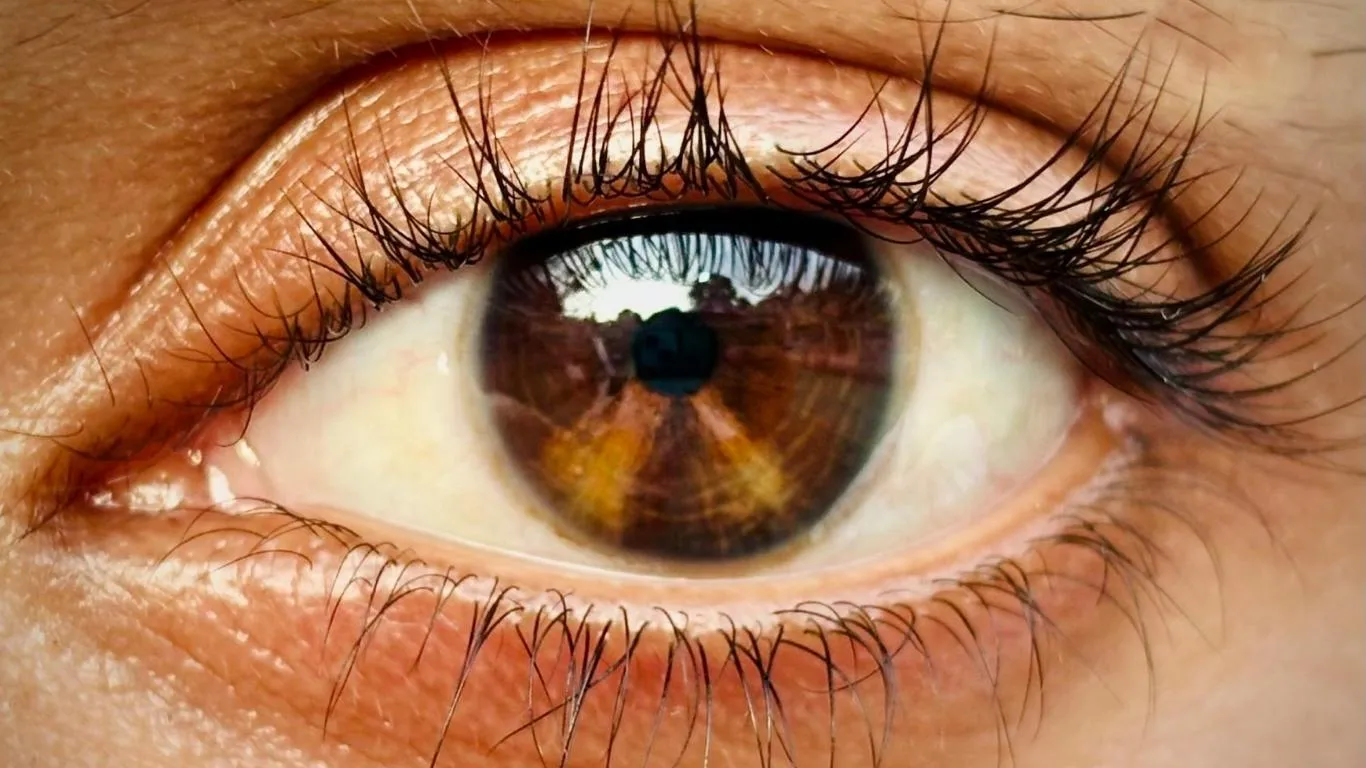
Ever noticed your floaters get worse around your period or during high-stress weeks? There’s a reason. Hormones can subtly shift your eye pressure and fluid composition. Cortisol (the stress hormone) is also linked to inflammation—and guess where that inflammation can show up? Yep, in your eyes.
Women, Hormones, and Floaters
Estrogen fluctuations have been linked to changes in collagen structure. Since your vitreous is mostly collagen and water, this matters a lot. That’s why floaters often increase during menstruation, menopause, or hormonal treatments. If this sounds familiar, this piece on floaters and hormonal shifts is a great next read.
Stress Isn’t Just in Your Mind
I used to ignore stress as a floater factor—until I started tracking it. On days when my anxiety was high, the floaters always flared up more. There’s a direct connection between muscle tension, blood pressure, and eye fluid dynamics. And when you finally lie down after holding all that stress in your neck and shoulders? That’s when the floaters come out to play.
What Helps You Fall Asleep Without Noticing Them
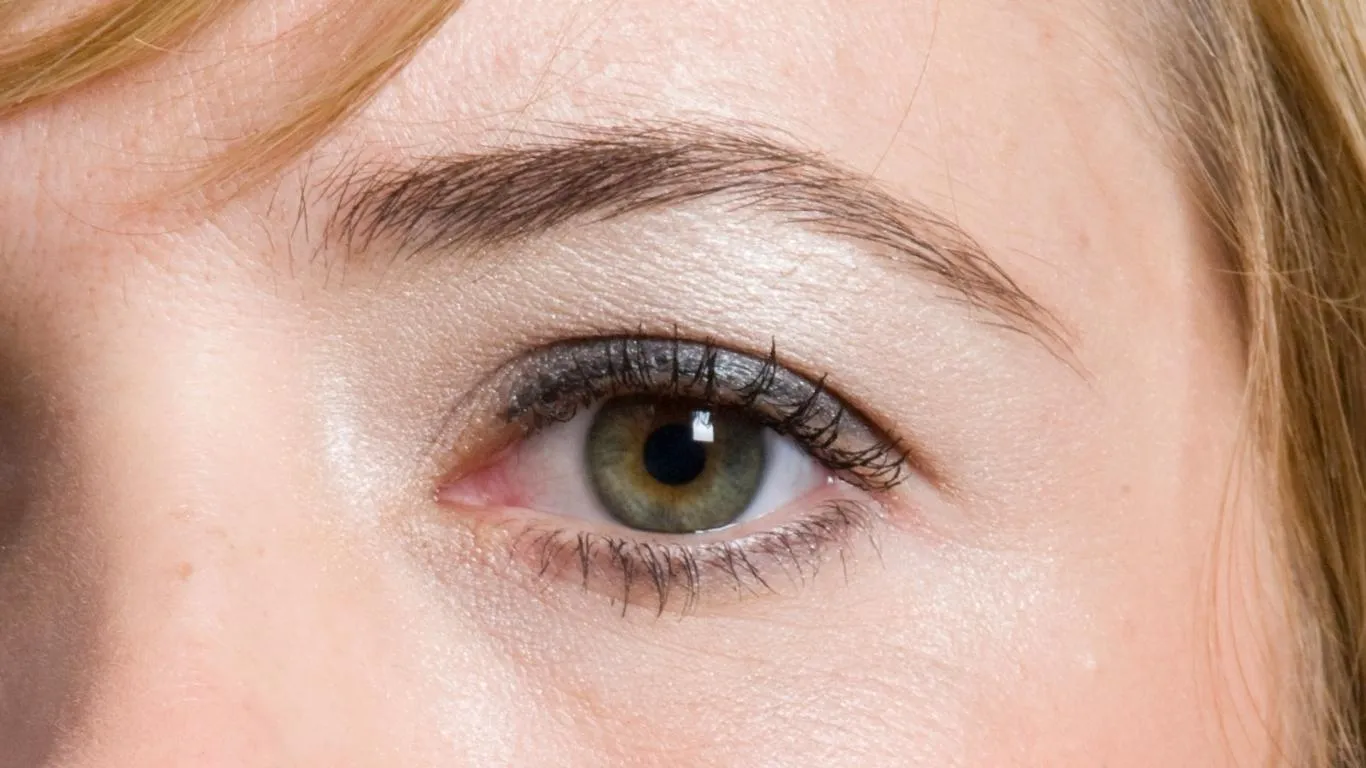
So, you’ve tried the hydration, the warm compress, the eye rolls—and you’re still seeing them while trying to fall asleep. I get it. Some nights, it feels like I’m watching little jellyfish do laps around my vision. Here’s what I’ve found actually helps push through it:
- Ambient lighting: Total darkness makes them more visible because there’s no distraction. Try a soft amber nightlight behind your headboard. It creates just enough contrast to pull your focus away from the floaters.
- Guided sleep audio: This may sound like fluff, but focusing on a calming voice (or nature sounds) helps redirect your attention. My go-to is ocean waves or forest rain—you can’t float-watch if your brain’s on a beach.
- Change your sleeping angle: Lying perfectly flat makes floaters sit right in your line of sight. Prop up your head slightly with an extra pillow and you might notice they drift lower in your vision.
What If the Floaters Aren’t Going Away?
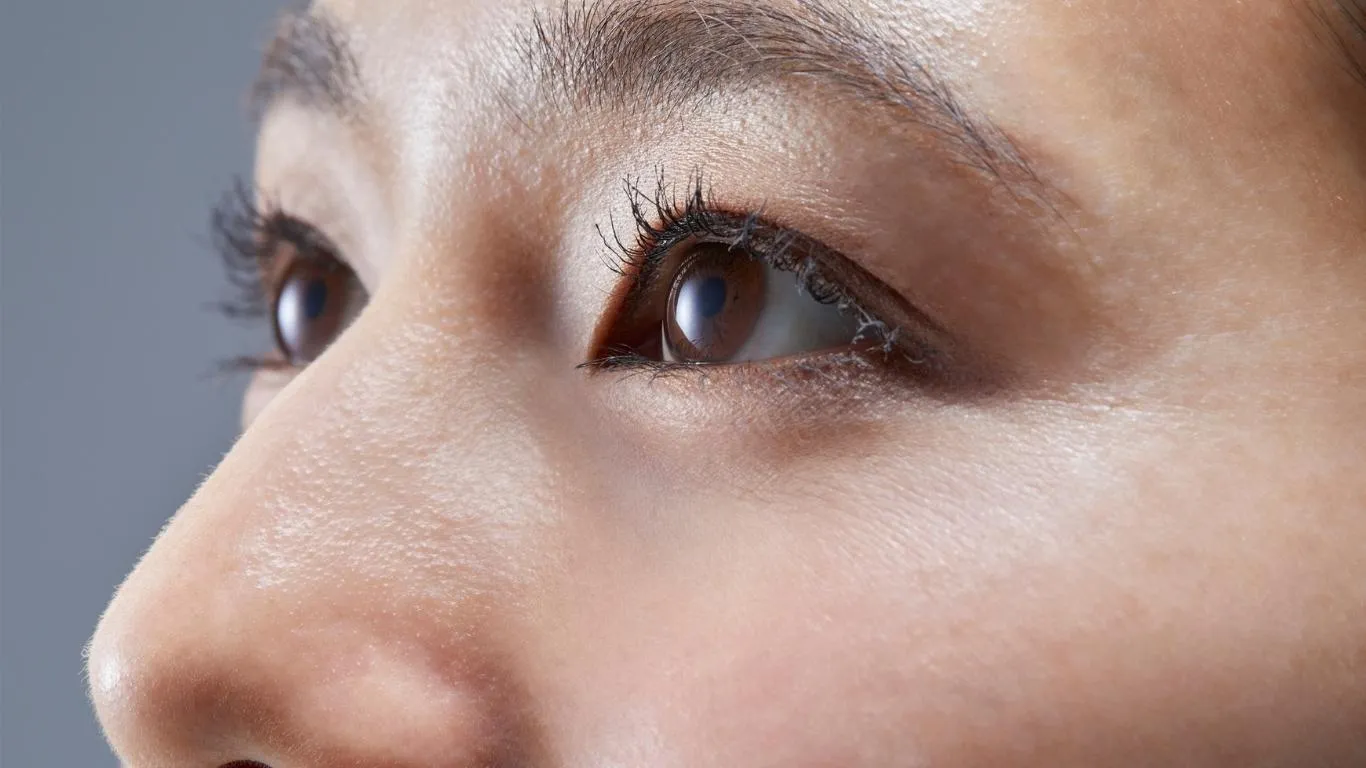
For some people, the floaters aren’t just worse at night—they’re constant and disruptive. If that’s you, don’t write it off. There are legit options out there:
Medical Options Worth Discussing
- Vitrectomy: This surgical procedure removes the vitreous gel entirely. It’s effective but typically reserved for severe cases due to risks like retinal detachment.
- Laser Vitreolysis: A non-invasive laser that breaks apart large floaters. Success varies, and not everyone is a candidate—but for the right person, it’s a game changer.
You can explore more options in the complete floater treatment guide to see what might fit your situation.
To dig deeper into the science of floaters, including symptoms you should never ignore, the main eye floaters pillar article breaks it all down clearly.

Camellia Wulansari is a dedicated Medical Assistant at a local clinic and a passionate health writer at Healthusias.com. With years of hands-on experience in patient care and a deep interest in preventive medicine, she bridges the gap between clinical knowledge and accessible health information. Camellia specializes in writing about digestive health, chronic conditions like GERD and hypertension, respiratory issues, and autoimmune diseases, aiming to empower readers with practical, easy-to-understand insights. When she’s not assisting patients or writing, you’ll find her enjoying quiet mornings with coffee and a medical journal in hand—or jamming to her favorite metal band, Lamb of God.