Why Floaters Get Worse Around Flashing Lights And What You Can Do
Ever been out at night, maybe walking past a flashing neon sign or scrolling through your phone near a flickering lamp—and suddenly these weird shadowy blobs or stringy specs start floating in your vision? It’s like they appear out of nowhere and vanish as quickly as they came. You blink. You squint. You look again. Yep—they’re still there. If you’ve ever thought, “Why do I get floaters when passing by flashing lights?”—you’re definitely not alone. And no, it’s not just you imagining things.
Why Do Floaters Become More Noticeable Around Flashing Lights?
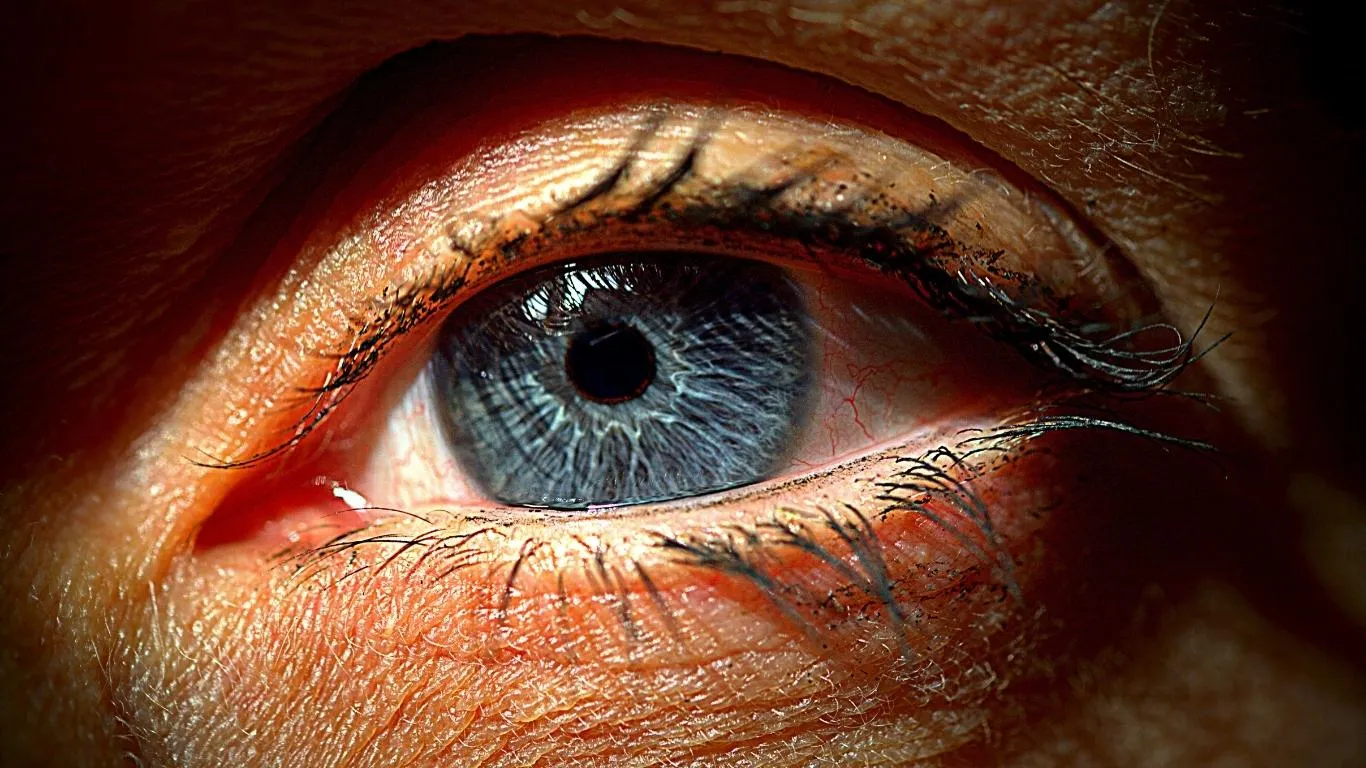
Floaters are these tiny clumps or fibers inside your vitreous humor—that jelly-like substance filling your eyeballs. They usually stay out of the way of your central vision, but under certain lighting conditions (like flashing lights), they become annoyingly visible. It’s a common complaint and surprisingly under-discussed.
I first noticed this during a concert. Strobe lights were flashing like crazy, and every time I turned my head, I’d see these little ghost-like shapes dancing across my vision. I chalked it up to being tired or dehydrated, but the pattern continued—especially in situations where lights were rapidly changing or pulsing.
Light Scattering + Contrast = Perfect Storm for Floaters
Flashing lights, especially against a dark background, create sharp contrast changes. That contrast makes floaters—which are normally semi-transparent—stand out like little shadows. This is especially true when the light hits the eye at just the right angle.
Think about how you notice dust in sunlight beams. It’s not that the dust suddenly appears—it’s always been there, but now the light makes it visible. Same goes for floaters.
- Bright, directional lights like strobe, LED headlights, or camera flashes can reveal floaters more clearly.
- Peripheral floaters may seem to move more dramatically with sudden head turns or when blinking around rapid light exposure.
Are Floaters After Flashing Lights a Sign of Something Serious?
Here’s the thing: occasional floaters that pop up under strong or flashing lights are usually harmless. But—and it’s a big but—if they’re suddenly more frequent, look like dark cobwebs or come with flashes, pain, or a loss of peripheral vision, don’t ignore it.
It could signal something more serious like a retinal tear or detachment. That’s not just internet paranoia; it’s backed by ophthalmology research and warnings from trusted sources like American Academy of Ophthalmology.
Related insight: warning signs you might have a retinal tear.
Watch Out for These Floaters-Plus-Light Triggers
- Flashes of light with sudden new floaters
- Floaters forming a ‘curtain’ or blocking part of your vision
- Visual disturbances after recent head trauma or eye surgery
If you’ve experienced any of the above, don’t wait. You need a retina check—stat.
Common Conditions That Make Light-Sensitive Floaters Worse
It’s not just lighting that brings these floaters front and center. Several underlying issues can make you more vulnerable to seeing them in flashing light scenarios:
- Posterior Vitreous Detachment (PVD) – often occurs with aging and can increase floater frequency. Learn more in this in-depth explainer.
- Diabetes-related changes in the eye can lead to more floaters. Here’s how it happens: diabetes and floaters.
- Stress and Eye Strain – extended screen time or fatigue might not cause floaters, but they sure make them more noticeable. Relevant read: does screen time make floaters worse?
I’ve noticed on days I spend way too long staring at my laptop (especially editing at night with my ring light on), I see more floaters bouncing around the moment I blink. Coincidence? Probably not.
Does Eye Movement Play a Role Too?
Absolutely. Floaters tend to shift around when your eyes move. If you’re walking past flashing lights or turning your head quickly, the sudden motion stirs up the vitreous fluid, making those floaters drift into your field of vision. In that brief moment of flashing light, they become extra noticeable—especially the strand-like or circular ones.
See how floaters that follow your gaze behave differently depending on light conditions and motion.
Also, vertical or side glances in sudden light transitions can magnify this effect. The brain momentarily focuses on light adaptation while those floaters sneak into visibility.
When Floaters Meet Modern Lighting Tech
LED lights, strobe effects, flashing screens—they’re all part of daily life now. Unfortunately, they’re also brutal on people with floaters. Why? Because LED lights often flicker at subtle frequencies, creating rapid contrast shifts that make floaters stand out more.
If you’ve ever looked into a flashing billboard and seen floaters dance like an optical illusion, you’re not crazy. LEDs, especially in cool white or blue spectrum, are notorious for triggering floater visibility.
Read more on how bright lights make floaters more noticeable.
Also worth checking: the full breakdown of floaters vs. other vision problems — very helpful if you’re trying to rule out migraines or visual auras.
For a broader understanding of floaters, causes, and medical insight, visit our main reference: What Are Eye Floaters? and the focused article on when floaters might mean danger.
Can You Prevent Floaters from Showing Up Around Flashing Lights?
Here’s the honest truth—once you’ve got floaters, you can’t really un-have them. But you can make them less noticeable. I’ve personally found that small lifestyle tweaks go a long way, especially when I know I’ll be exposed to flashing or bright lighting.
Simple Habit Changes That Help (Surprisingly Well)
- Wear anti-glare or transition lenses when outdoors at night or in areas with flashing billboards. These reduce harsh light entry and limit floater contrast visibility.
- Stay hydrated. I know it sounds basic, but floaters can worsen when your eyes are dry. If I’ve skipped water all day, they’re ten times more annoying at night.
- Take short visual breaks during screen time. I use the 20-20-20 rule: every 20 minutes, look 20 feet away for 20 seconds. Total game-changer for light-triggered floaters.
I also avoid switching from pitch-black darkness to sudden flashing lights—like walking into a brightly lit room after a nap. It’s a perfect storm for floaters to go wild in your field of view.
Floaters or Something Else? What If It’s Not Just the Lights?
Here’s a curveball: not all floaty things you see are floaters. Some people confuse them with migraine aura symptoms or light reflections from dry eye syndrome. The confusion gets worse in environments with pulsing lights or moving shadows.
It’s worth noting that floaters without other symptoms are rarely dangerous. But if they come on suddenly and fast, or seem tied to a certain activity like physical exertion or trauma, it’s smart to get a second look.
Flash or Floater? Quick Ways to Tell
- If the image flickers like lightning or has a spark-like quality, it’s more likely retinal stimulation.
- If the spot drifts or moves with your eye movement, that’s likely a floater.
- If it’s accompanied by zigzag lines or visual distortion, think migraine aura.
More info here on spotting the difference: floaters vs flashes.
What to Do When Floaters Get Worse With Light Exposure
So, what if your floaters are really messing with you in flashing light environments? Whether it’s nightlife, concerts, or even grocery store LED aisles—here are the practical options:
1. Start with Observation & Monitoring
Most eye doctors won’t treat floaters unless they’re impacting your quality of life. That said, you should absolutely track their behavior. Some helpful tools include eye journals, floater tracking apps, and yes—your phone’s Notes app. I’ve used it to jot down when and where floaters become most visible. Over time, I could see a pattern.
2. Consider Seeing an Eye Specialist If:
- Your floaters suddenly increase in size, quantity, or darkness
- You experience light flashes even when eyes are closed
- Your vision feels obstructed or “veiled”
Those signs could mean vitreous hemorrhage or retinal complications. If you’re unsure, this guide on dangerous floaters breaks it all down well.
3. Explore Treatment Options (If Needed)
There are real, medical interventions available for floaters—though they’re not for everyone. According to PubMed studies and vision health experts:
- YAG laser vitreolysis can break up large floaters and reduce visual impact.
- Vitrectomy (surgical removal of the vitreous) is effective but invasive. It comes with risk, so it’s usually reserved for extreme cases.
- Eye floaters supplements containing antioxidants, lutein, and hyaluronic acid have anecdotal benefits. See this list: eye supplements for floaters.
Natural Tips That Might Actually Help
Now, I’ll be honest—natural remedies didn’t completely erase my floaters, but a few things made them less noticeable, especially in tricky lighting:
- Hydration: I drink lemon water with sea salt in the morning for fluid balance.
- Omega-3s & Lutein: Fish oil and spinach smoothies. Not glamorous, but effective.
- Reducing sugar and processed food: On weeks when I cut the junk, I genuinely saw less floater activity.
More on this here: natural floater relief with diet and are natural methods legit?
Don’t Ignore the Mental Load of Floaters
This may not get talked about enough, but the constant distraction of floaters—especially when triggered by flashing or changing lights—can wear you down. I’ve felt it myself: frustration, eye fatigue, and sometimes full-on irritability. It’s mentally draining.
There’s even growing research connecting floaters with mental fatigue and anxiety. And while most docs will reassure you they’re harmless, it doesn’t make them any less annoying in daily life.
If it’s taking a toll on your headspace, talk to someone. Whether it’s a therapist or just a fellow floater-sufferer (Reddit communities are full of them), knowing you’re not alone helps more than you’d expect.
Smart Adjustments for Nightlife & Screen Exposure
Here are some practical adjustments that’ve worked for me and others I’ve talked to:
- Use warm screen tones at night—install f.lux or use your phone’s night shift mode. Cool white/blue LEDs make floaters pop.
- Dim overhead lights and rely more on diffused side lighting.
- Bring sunglasses when heading to festivals or concerts. Even tinted lenses help reduce the harshness of flashing lights.
More relevant lifestyle changes are outlined in this recovery-oriented guide.
Knowing When It’s Time for a Professional Look
If your floaters are becoming a barrier to enjoying normal life—concerts, driving at night, staring at a blinking cursor during work—it’s time to act. You don’t have to suffer in silence. While not all floaters are treatable, understanding them puts you back in control.
And if you haven’t already, check out the full explainer on all treatment paths: treatment options for eye floaters and our core reference here: understanding floaters from the root.

Camellia Wulansari is a dedicated Medical Assistant at a local clinic and a passionate health writer at Healthusias.com. With years of hands-on experience in patient care and a deep interest in preventive medicine, she bridges the gap between clinical knowledge and accessible health information. Camellia specializes in writing about digestive health, chronic conditions like GERD and hypertension, respiratory issues, and autoimmune diseases, aiming to empower readers with practical, easy-to-understand insights. When she’s not assisting patients or writing, you’ll find her enjoying quiet mornings with coffee and a medical journal in hand—or jamming to her favorite metal band, Lamb of God.