Why Floaters When Reading Bold Black Text Feel Worse
It started subtly—just a faint, squiggly thread drifting into view every time I read headlines or bold print. I thought it was dust or maybe tired eyes. But then I realized it wasn’t going away. If you’ve ever found yourself blinking or rubbing your eyes trying to clear strange shapes while focusing on bold black text, you’re not imagining it. You’re most likely dealing with something called eye floaters. And if they seem more noticeable when you’re reading? You’re far from alone.
Why Floaters Seem Worse When Reading Bold Black Text
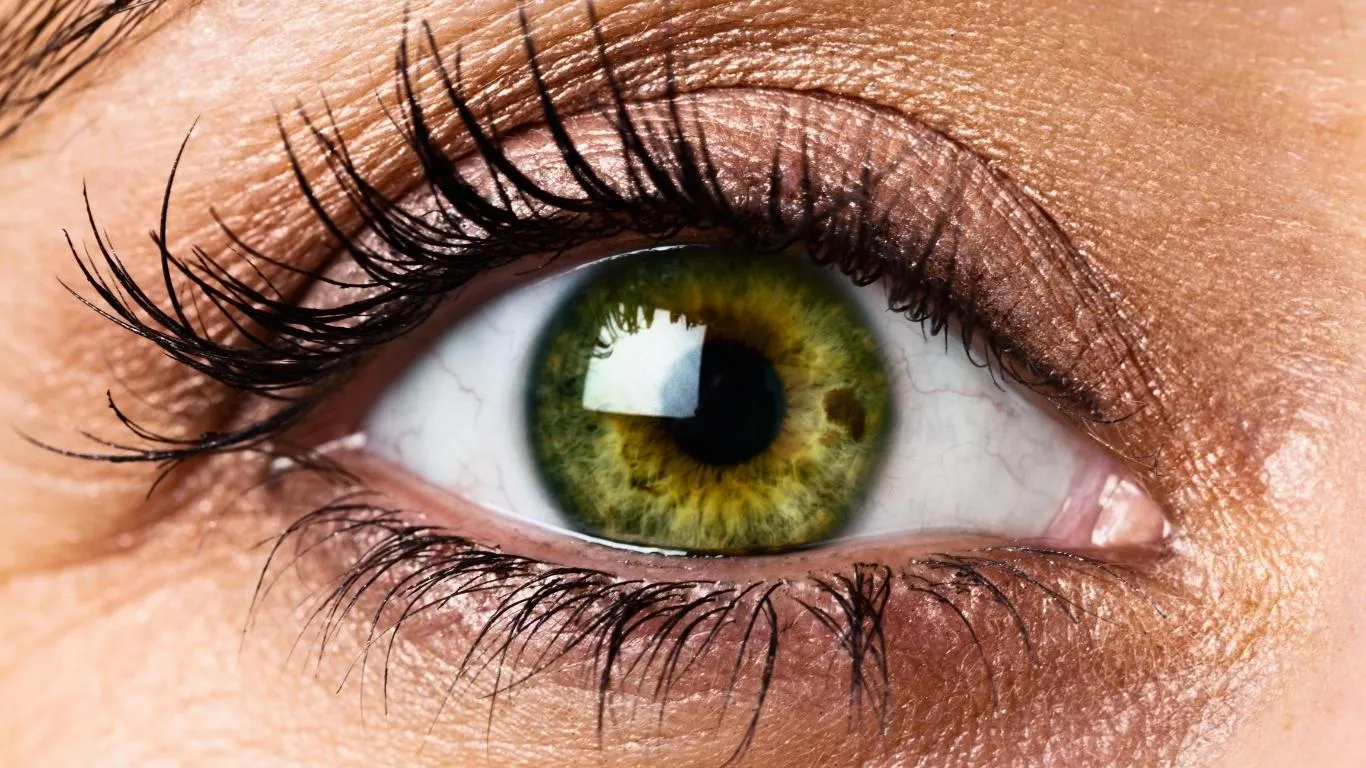
Here’s the thing—floaters don’t actually get worse when you’re reading, but your perception of them intensifies. When you read bold black text against a white or light-colored background, the contrast sharpens everything in your field of vision. And unfortunately, that includes the translucent specks, webs, or lines drifting through your eye’s vitreous.
It’s kind of like trying to spot a bug on a white wall—it’s just more visible. Many people report seeing floaters most clearly:
- While reading books or documents with bold typefaces
- Scrolling through high-contrast websites
- Using e-readers in bright settings
I used to think it was my screen brightness or a poor prescription in my glasses, but nope—it was just floaters catching the light in all the wrong ways. If this sounds familiar, you might be experiencing what this article from Healthusias digs into: floaters noticeable after reading white paper.
What Causes Floaters to Appear More Prominently During Focused Reading?
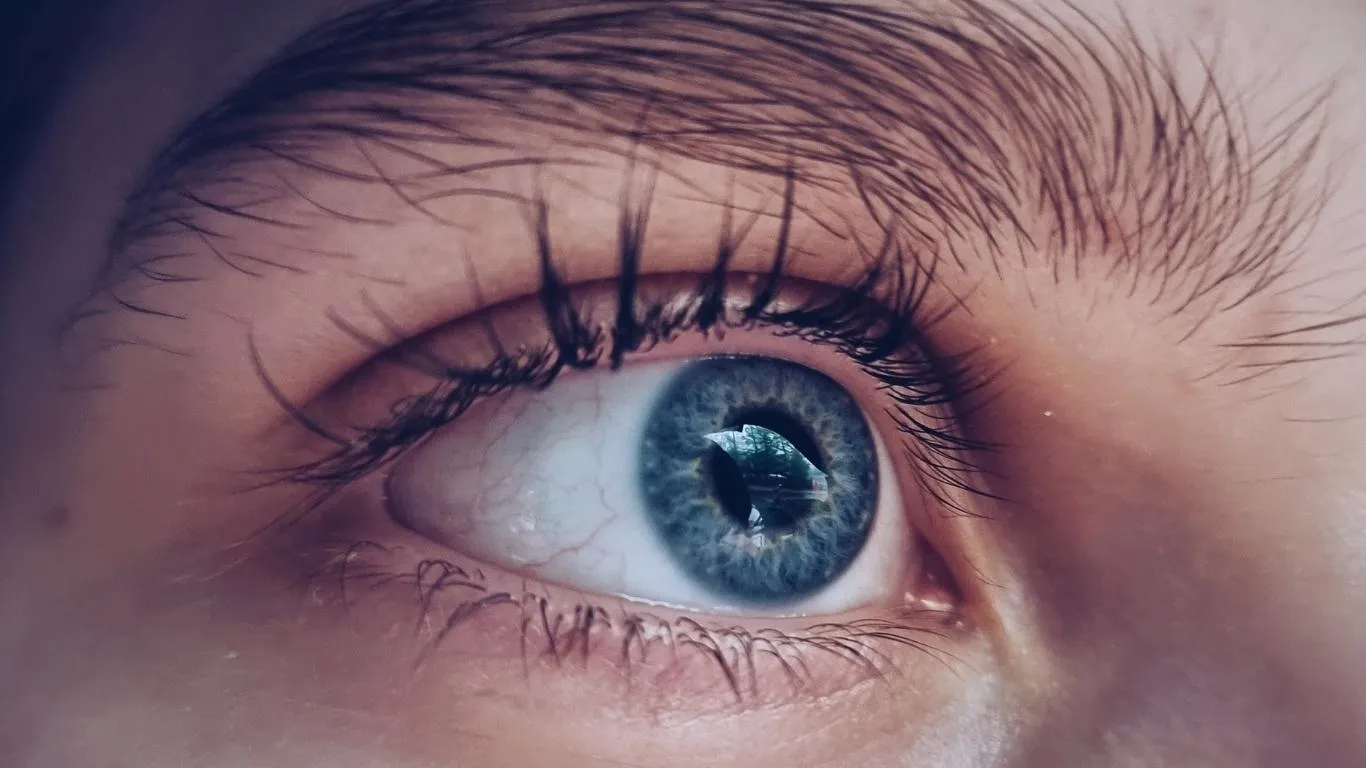
Your eyes are constantly moving, even while reading. These tiny saccades—those rapid eye movements—cause the jelly-like fluid inside your eyes (the vitreous) to shift slightly. When you concentrate on reading, particularly dense or high-contrast text, your gaze remains steady longer, allowing floaters to “settle” in your line of sight.
Here’s what might be going on physiologically:
- The vitreous humor loses its firmness with age or stress.
- Small collagen fibers clump together and cast shadows on your retina.
- Your brain interprets those shadows as moving specks, threads, or shapes.
Stress and fatigue can exacerbate this, especially if you’re staring at a screen or reading under harsh lighting. Reading in dim light or after long hours can lead to dry eyes and eye strain, which only heightens your awareness of floaters.
If this resonates with you, it might be worth exploring how head position can make eye floaters more noticeable. Turns out, even how you angle your face to a page can influence what you see.
Is It a Sign of Something More Serious?
Honestly, most floaters are just annoying—not dangerous. I’ve had mine for over five years now. They come and go, some days worse than others, and I’ve learned not to panic. But—and this is a big but—sometimes floaters are red flags.
If you notice any of these along with floaters, stop reading and call your eye doctor:
- Sudden increase in floaters
- Flashes of light
- Blurry vision or loss of side vision
- Floaters that resemble a curtain or cloud
These could be signs of a retinal tear or detachment. Healthusias has an excellent breakdown of floaters before retinal tear that helped me understand what’s normal and what’s not.
Also check out the main article on eye floaters vs. other eye problems to learn how floaters differ from other symptoms like blurred or halo vision.
Common Triggers That Can Make Floaters Worse While Reading
Floaters have a funny way of showing up when you least want them. Based on personal experience and research, here are some things that make them more noticeable during reading sessions:
- Bright backgrounds: Think white paper or LCD screens
- Fatigue: Less blinking = more floater focus
- Dry eyes: Reduces tear film clarity
- Eye strain: Especially from tiny fonts and poor lighting
- Stress and anxiety: Hyper-awareness kicks in
Even hydration can play a role. There’s increasing evidence that dehydration can make floaters worse. I now keep a water bottle near my reading nook just in case.
Age is also a big one. As we get older, the vitreous naturally changes, making floaters more common. A useful resource is the posterior vitreous detachment overview, which explains how this common condition leads to floaters appearing more often, especially when your eyes are at rest or focused.
What You Can Do to Reduce Discomfort When Reading
Let’s be real—there’s no magic fix that makes floaters vanish overnight. But that doesn’t mean you’re helpless. These tricks have worked for me (and others):
- Adjust your lighting: Softer, indirect lighting can minimize contrast issues.
- Increase font size: Bigger text = less strain.
- Use a grey background: Reduces contrast sensitivity.
- Try guided eye movement breaks: Look left-right, up-down every 10 minutes.
And believe it or not, some eye doctors recommend eye exercises to reduce floaters. While results vary, I’ve personally found them helpful in keeping my awareness low and focus high.
There’s a bigger picture to this too. You might want to check the main resource article on causes, symptoms, and treatment options for eye floaters to better understand your options.
How Long Do Floaters Last—and Will They Ever Go Away?
If you’ve been seeing floaters for a few weeks—or even a few years—while reading, you’re probably wondering if they ever disappear. Here’s the short answer: some do, many don’t, but most become less annoying over time.
I still remember the first few months when I could barely get through a page of a book without being distracted. Fast-forward a year, and I barely notice them unless I actively look for them. That’s because the brain has a brilliant ability to adapt and “tune out” repetitive sensory inputs—a phenomenon called neural adaptation.
That said, if you’re seeing a sudden burst of floaters while reading, that’s not something to ignore. Those cases should always be checked immediately. For most others, floaters eventually stabilize or become less intrusive with time.
Natural Lifestyle Adjustments That Actually Help
There’s no proven supplement or quick-fix cure for floaters—but you can absolutely stack small habits to reduce their impact when reading.
- Stay hydrated: This helped me the most. Even mild dehydration seemed to amplify floater visibility.
- Nutrition matters: Try foods high in lutein and zeaxanthin—like leafy greens and eggs.
- Rest your eyes: Every 20 minutes, look at something 20 feet away for 20 seconds. Yes, the 20-20-20 rule works.
- Use blue light filters: On your devices, these can help with contrast sensitivity that makes floaters pop.
If you’re curious about supplements, this detailed article on the best supplements for floaters might be a good place to start. While I’m not a doctor, I did notice some difference after consistently using lutein-based eye vitamins for a couple of months.
When Reading Gets Too Frustrating—What Are Your Options?
Let’s be honest: some days, floaters can push your patience. If it’s affecting your work or reading enjoyment, it might be time to look into professional treatment options.
Here’s a quick breakdown:
- Observation: Most ophthalmologists recommend a “watch and wait” approach, especially for mild floaters.
- Vitrectomy: This is a surgical procedure to remove the vitreous and floaters—usually reserved for extreme cases.
- Laser vitreolysis: A non-invasive option gaining popularity, though results can vary.
I haven’t gone down that road yet, but I did consult a specialist to rule out anything serious. What helped me more than anything was simply adjusting how I read. For example, switching to sepia backgrounds on my Kindle and increasing font weight worked wonders.
Are You at Higher Risk If You Already Wear Glasses or Have Eye Conditions?
One thing that surprised me? People with nearsightedness (like me) are much more likely to experience floaters. Why? Because the shape of a myopic eye causes earlier and faster changes in the vitreous gel.
If you’ve been diagnosed with high myopia, this article about how floaters affect high myopia patients is extremely helpful and relatable.
Other conditions that increase risk include:
- Previous cataract surgery
- Uveitis (eye inflammation)
- Eye trauma or injury
- Diabetic retinopathy
Also, people who’ve experienced floaters after cataract surgery might find reading more difficult than before. It’s not uncommon—and thankfully, manageable with the right adjustments.
Tips from People Who’ve Been There (Myself Included)
Through trial and error—and a bit of obsessive researching—I’ve found these tricks useful for managing floaters while reading:
- Use an anti-glare screen protector on your device to soften lighting and minimize contrast.
- Choose serif fonts—they tend to distract less from floaters than sans-serif ones.
- Read in natural daylight when possible—it’s easier on the eyes than artificial light.
- Avoid caffeine overload—it can make floaters worse in some people, myself included.
Also, don’t underestimate the power of distraction. I listen to soft instrumental music while reading, which oddly makes floaters fade into the background. Weird but true.
When to Talk to a Specialist
Floaters are often harmless, but when your quality of life takes a hit, it’s worth seeking expert advice. The most valuable consultation I had wasn’t about removing floaters—it was about understanding why they were affecting me so much.
Sometimes just knowing what’s happening inside your eye can relieve a lot of the anxiety. It helps to bookmark a comprehensive overview like this guide on causes, symptoms, and treatments.
And if you’re navigating this daily like I am, this deeper look at common causes of eye floaters really ties everything together—from age to trauma, even down to screen overuse.

Camellia Wulansari is a dedicated Medical Assistant at a local clinic and a passionate health writer at Healthusias.com. With years of hands-on experience in patient care and a deep interest in preventive medicine, she bridges the gap between clinical knowledge and accessible health information. Camellia specializes in writing about digestive health, chronic conditions like GERD and hypertension, respiratory issues, and autoimmune diseases, aiming to empower readers with practical, easy-to-understand insights. When she’s not assisting patients or writing, you’ll find her enjoying quiet mornings with coffee and a medical journal in hand—or jamming to her favorite metal band, Lamb of God.