Why Floaters Get Worse When Transitioning Between Soft Colors
You know that weird moment when you’re reading a book with pastel pages or browsing through a softly-colored website, and then—bam!—those pesky floaters decide to photobomb your vision? I used to think it was just me getting older (which, let’s be honest, still might be partly true), but turns out, “floaters when transitioning between soft colors” is a real and frustrating thing many of us deal with.
Why Are Floaters More Noticeable with Soft Color Transitions?
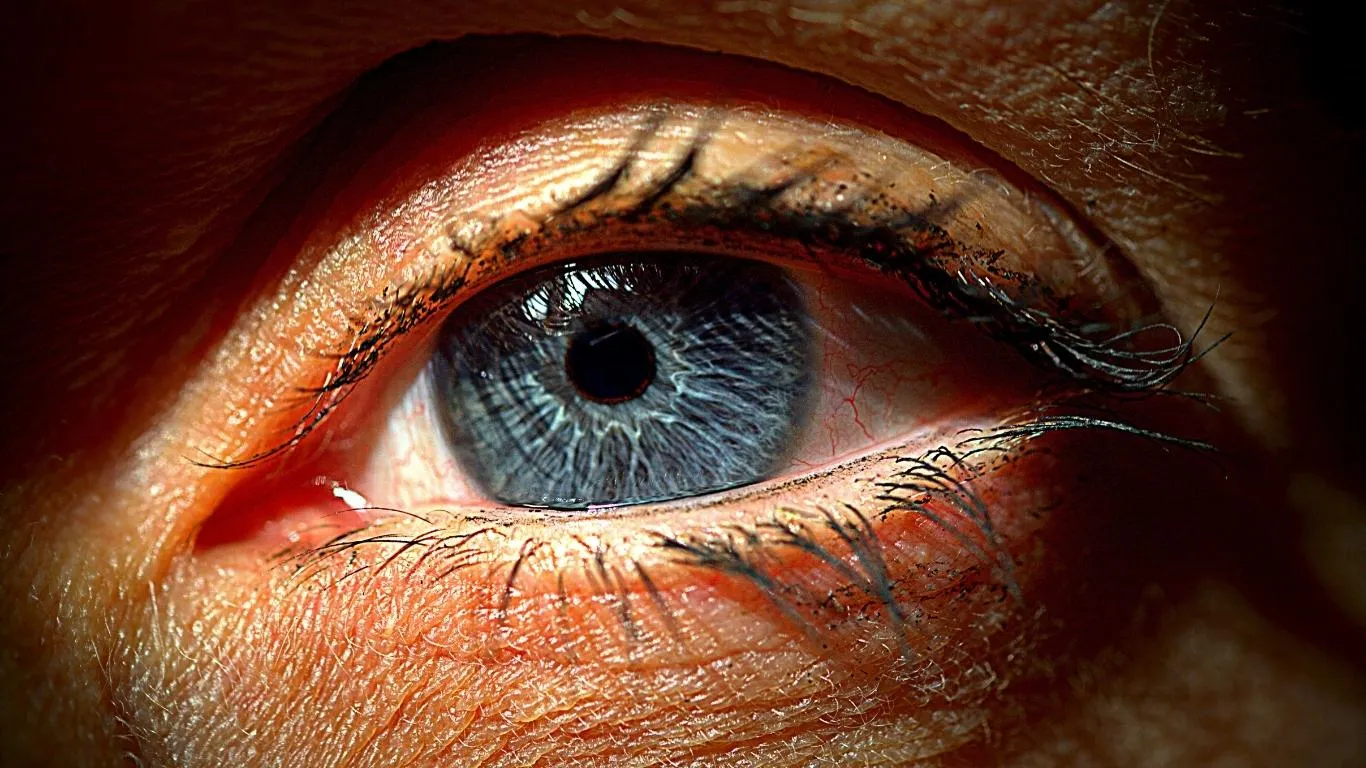
Floaters love to play hide and seek in our field of vision, but they’re particularly noticeable when the background isn’t busy—think soft gradients, pastel tones, or light-colored walls. The reason? These subtle color shifts lack the visual “noise” that normally camouflages floaters.
When I was redesigning my home office with soft beige and muted teal accents, I noticed floaters became more pronounced, especially when shifting my gaze between the walls and my white desk. This isn’t a coincidence. The contrast in lighting and color gradient provides the perfect backdrop for those translucent shadows to stand out.
The Science Behind It
Our eyes are constantly adapting to light levels and color perception. When we transition between soft colors, especially from darker to lighter shades, the vitreous gel inside our eye (which naturally contains debris as we age) casts tiny shadows on the retina. These shadows are what we perceive as floaters.
One study highlighted that floaters become significantly more visible against uniform and softly colored backgrounds. This is because these environments lack sharp contrasts or visual patterns that would otherwise mask the floaters’ presence.
Common Situations Where This Happens
- Switching between light pastel slides during a presentation
- Reading books with pale-colored pages
- Scrolling on websites with minimalist, muted color schemes
- Looking at softly painted walls while moving your eyes
In my case, digital minimalism made it worse. I had customized my phone’s wallpaper to a gentle lavender gradient for “eye comfort,” but it ironically became a floater magnet. If you’re someone who enjoys soft aesthetics, you might have had a similar experience.
Is This a Sign of Something Serious?
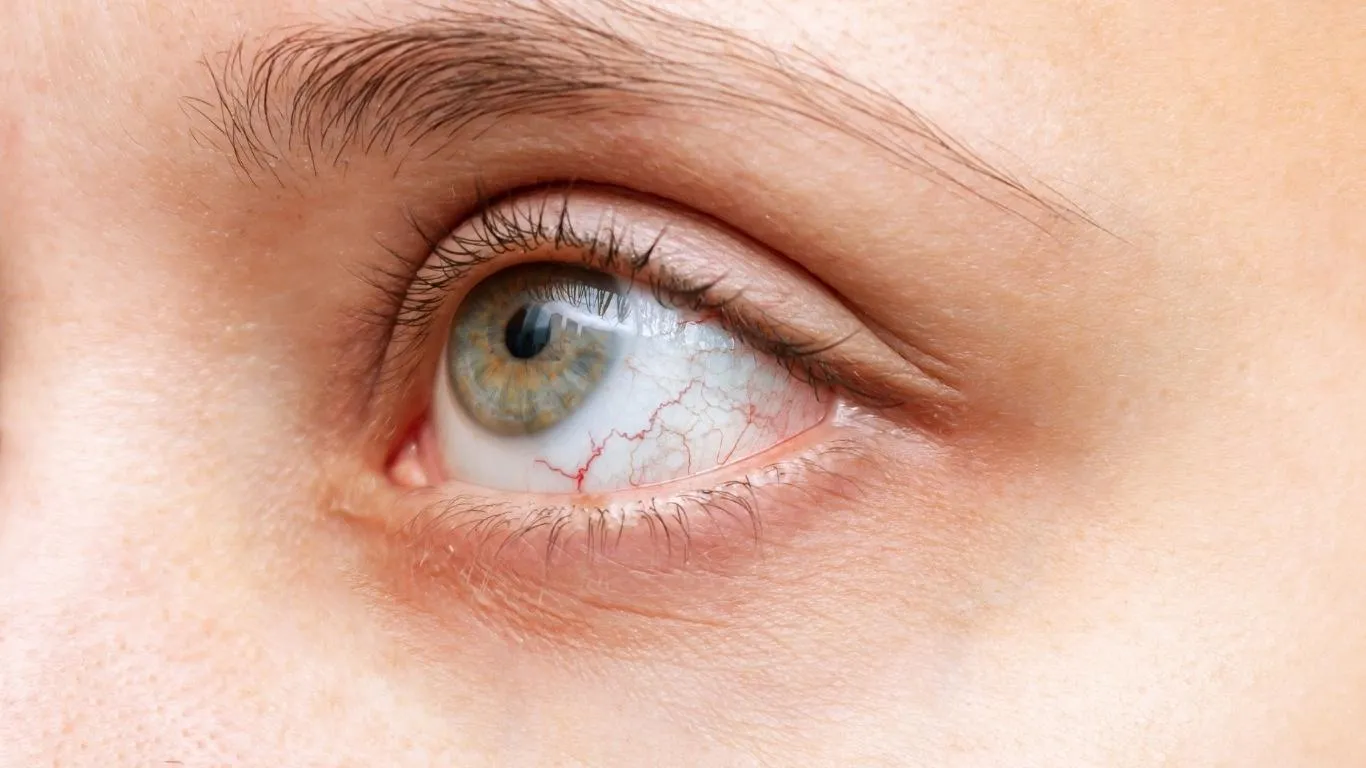
Most of the time, floaters are harmless. However, a sudden increase in floaters, especially when accompanied by light flashes or peripheral vision shadows, could indicate a retinal tear or detachment. This guide on floaters and retinal tears is a must-read if you’re experiencing more aggressive symptoms.
For many, though, it’s simply a matter of the floaters being more visible in certain lighting or background conditions. Soft colors create the perfect “stage” for them to perform. If you’re constantly seeing floaters only when working with pastel designs or while reading light-colored print, it might just be the visual contrast playing tricks on you.
Can Anything Be Done to Reduce This Effect?
- Adjust Screen Brightness & Contrast: Lowering brightness and tweaking the contrast can help blend the floaters back into the background.
- Introduce Subtle Patterns: Adding a slight texture or pattern to backgrounds can help mask floaters.
- Use Anti-Reflective Coatings: Glasses with anti-glare coatings can minimize the “pop” effect of floaters against light backgrounds.
I personally switched from plain pastel wallpapers to those with gentle gradients or light textures, and it made a noticeable difference. It doesn’t eliminate floaters, but it does keep them from being so glaringly obvious.
When Should You See a Doctor?
If you notice a sudden shower of floaters, light flashes, or a curtain-like shadow sweeping across your vision, get it checked immediately. Otherwise, if floaters are only a nuisance during soft color transitions, it’s likely a benign annoyance.
This comprehensive article on when eye floaters become dangerous outlines the red flags to watch for.
Are Certain People More Prone to This?
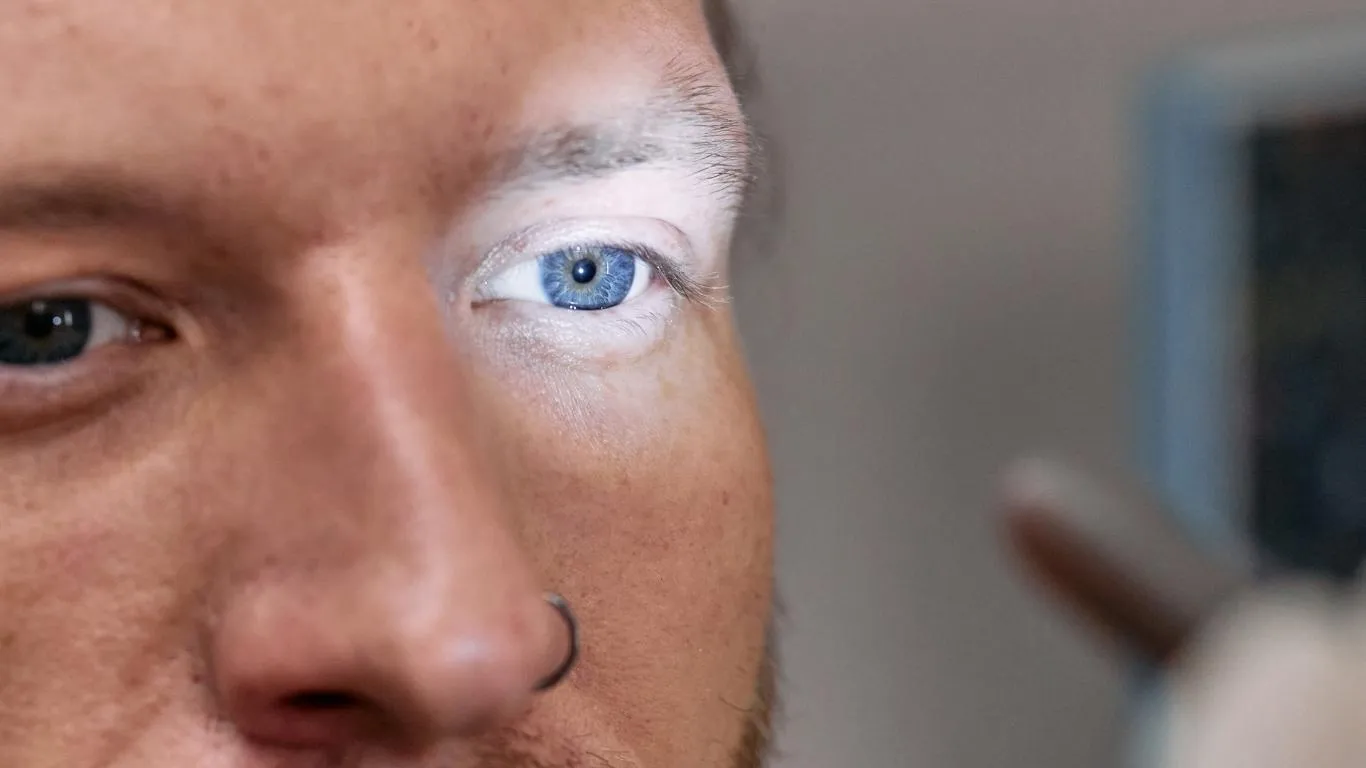
High myopia (nearsightedness) sufferers, people over 40, and those with a history of eye trauma or surgeries like LASIK are more likely to notice floaters. The floaters themselves might not be more in number, but their “stage presence” increases under soft color transitions.
In my case, being mildly myopic means floaters have been my unwanted companions for years, but I’ve learned to manage them with better visual environments.
If you’re curious how conditions like uveitis or diabetic eye complications can trigger floaters, this detailed piece on diabetes and eye floaters gives an excellent breakdown.
What’s the Link Between Floaters and Soft Color Fatigue?
Interestingly, staring at soft, low-contrast colors for long periods can cause visual fatigue, making your brain more aware of visual “imperfections” like floaters. It’s like when you listen to absolute silence and suddenly hear every creak in the house.
For a broader understanding of floater triggers and how to tell them apart from other eye issues, don’t miss this essential guide on eye floaters vs. other visual disturbances.
Also, the main hub for everything floater-related—causes, symptoms, and treatment options—can be found in this eye floaters pillar article which serves as a go-to resource.
Daily Habits That Make Floaters Worse with Soft Colors
You’d be surprised how our everyday habits unintentionally make floaters more visible, especially when transitioning between soft colors. I found this out the hard way during my binge of pastel-themed web design projects (big mistake). Extended screen time, dehydrated eyes, and poor lighting all work together to amplify floater visibility against muted backgrounds.
- Excessive Screen Time: Long hours in front of digital devices strain the eyes, and soft-colored user interfaces don’t help. The reduced contrast creates a clean canvas for floaters to dance on.
- Inconsistent Hydration: Dehydration affects the vitreous humor’s consistency, making floaters more apparent.
- Poor Blink Rate: Focusing too long on soft gradients reduces blinking frequency, leading to dry eyes, which in turn makes floaters pop.
There’s an insightful article about why floaters might feel worse in one eye than the other that really made me reevaluate my screen setup and posture.
Tips to Manage Floaters Without Drastic Lifestyle Changes
If you’re not ready to give up your soft aesthetic vibes (I get it, those muted colors are soothing), there are ways to coexist peacefully with your floaters:
- Switch to Subtle Patterned Backgrounds: Soft gradients with minimal patterns can reduce floater visibility.
- Eye Exercises: Gentle eye movements and rolling exercises help shift floaters out of the central vision temporarily.
- Hydrate Smartly: Regular hydration keeps the vitreous gel in better condition. Simple, but effective.
Interestingly, adjusting lighting conditions can make a significant difference. You’ll find more about optimal lighting setups in this guide on lighting that eases eye floater discomfort.
When Floaters Signal an Underlying Condition
Floaters, while mostly harmless, can sometimes be messengers of underlying issues. For instance, if you notice floaters that come with eye pain, sudden vision loss, or even a visual curtain sweeping across your field of vision, it’s time to see an ophthalmologist.
Conditions like posterior vitreous detachment (PVD), uveitis, or diabetic retinopathy can all present with floaters as an early symptom. This detailed resource on PVD is a solid read if you’re curious how it links to floaters.
My own wake-up call came when I ignored an increase in floaters after a head bump. What I assumed was just “normal floater annoyance” was actually a minor vitreous detachment. Luckily, it healed without further complications, but it taught me not to dismiss sudden floater flare-ups.
Professional Treatment Options for Persistent Floaters
For those who find floaters genuinely disruptive, several professional treatments can help. While most ophthalmologists recommend a watch-and-wait approach, there are clinical options for persistent or severe cases:
- YAG Laser Vitreolysis: A non-invasive procedure that uses laser pulses to break up floaters.
- Vitrectomy: A surgical option where the vitreous gel (and floaters) is replaced with a saline solution.
Each comes with its own set of risks and considerations. A good resource that dives deeper into these options is the comprehensive guide on eye floater treatments.
Are There Any Natural Remedies That Actually Work?
This is where things get a bit tricky. While the internet is filled with home remedies claiming to “dissolve floaters,” most lack scientific backing. However, maintaining overall eye health through proper hydration, a lutein-rich diet, and supplements targeting vitreous clarity can make a subtle difference over time.
I experimented with adding lutein and omega-3 supplements to my diet. While it didn’t make the floaters vanish, my eyes felt less strained, especially after long screen sessions. You can read about some effective natural approaches in this article on natural floater management.
Long-Term Strategies for Minimizing Floater Disruption
Floaters aren’t going anywhere (at least for most of us), but managing their impact is possible. Here’s what has worked for me and many others:
- Visual Mindfulness: Acknowledge their presence without fixating on them. It sounds simple, but it’s incredibly effective.
- Regular Eye Check-Ups: Monitoring floater activity ensures you’re ahead of any serious issues.
- Ergonomic Workspace: Eye-friendly lighting, screen positioning, and using softer background patterns can drastically reduce floater prominence.
Additionally, understanding the triggers—like screen-induced dryness or low-contrast color fatigue—can empower you to adjust your environment proactively. For a detailed breakdown of how floaters affect daily life for high myopia patients, I recommend reading this in-depth guide.

Camellia Wulansari is a dedicated Medical Assistant at a local clinic and a passionate health writer at Healthusias.com. With years of hands-on experience in patient care and a deep interest in preventive medicine, she bridges the gap between clinical knowledge and accessible health information. Camellia specializes in writing about digestive health, chronic conditions like GERD and hypertension, respiratory issues, and autoimmune diseases, aiming to empower readers with practical, easy-to-understand insights. When she’s not assisting patients or writing, you’ll find her enjoying quiet mornings with coffee and a medical journal in hand—or jamming to her favorite metal band, Lamb of God.