Why Floaters Get Worse When Watching Bright Animation
Ever been immersed in a colorful, fast-paced animated scene only to get distracted by strange shapes darting across your vision? That’s exactly what happened to me last month while binge-watching an old favorite anime series with wild, neon-colored fight scenes. Suddenly, these annoying little squiggly specs kept floating across my eyes. I blinked. I rubbed. I even paused the show to adjust the lighting—nothing helped. Turns out, it wasn’t the TV. It was me. More specifically, it was my eyes dealing with something known as floaters, which, weirdly enough, seem to get worse when watching bright animations or high-contrast scenes.
Why Bright Animations Make Eye Floaters More Noticeable
If you’ve noticed these transparent blobs or thread-like shapes in your vision only when you’re watching vibrant or animated content, you’re not imagining things. It’s actually a common phenomenon, especially for people who already have floaters. When you stare at a bright screen—especially one that’s moving rapidly or filled with stark color contrasts—your floaters become far more visible.
The Science Behind It
Eye floaters are caused by tiny clumps of collagen inside the vitreous, the gel-like substance in your eye. When light enters the eye, it casts shadows of these clumps onto the retina. In normal lighting, they’re often invisible or easy to ignore. But during high-intensity visual stimulation—like flashing animations or bright transitions—the contrast between dark floaters and light backgrounds makes them pop. It’s like watching a speck of dust float across a movie projector beam in a dark theater.
Personal Experience in High-Contrast Viewing
Some of my worst floater episodes have happened while editing videos or even while watching a flashy game trailer on a large monitor in a dim room. The combination of backlight, fast-moving bright visuals, and concentration makes floaters move around more—or at least feel like they do. The result? Annoying distractions that pull you out of the experience.
Are These Floaters a Sign of a Deeper Problem?
Most floaters are harmless. But when they appear suddenly, get worse, or are accompanied by flashes of light, that could be a red flag. Especially when you’re only seeing them under certain conditions like bright screens or animated scenes, it might feel harmless—but it’s worth investigating further.
- If they suddenly increase in number
- Appear alongside peripheral vision loss
- Come with a curtain-like shadow over your vision
These symptoms may indicate retinal detachment or other conditions that need immediate attention. It’s always a smart idea to recognize floaters as early warning signs, especially when paired with other symptoms.
How Brightness and Contrast in Animation Can Exaggerate the Issue
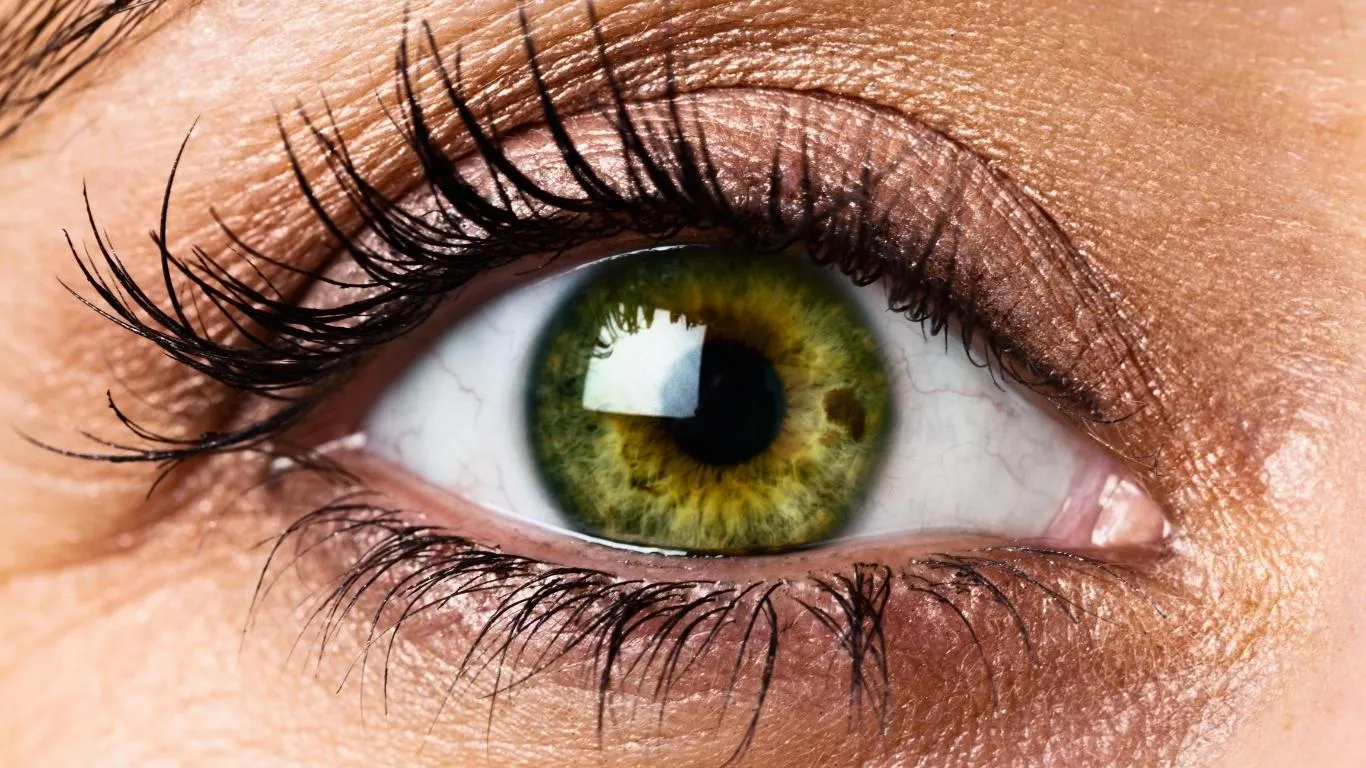
Watching cartoons or animations on large OLED or QLED screens often exposes your eyes to intense backlighting and sharp transitions. This can overstimulate the retina, making the floaters stand out even more. Combine that with a dark room, and your floaters start to look like part of the animation.
Why It’s Worse on Some Screens
OLED displays, for example, have higher contrast ratios and brightness levels. When watching a fast-moving animation with lots of white backgrounds or flashing lights, the floaters are not only visible—they’re annoying. I’ve had to lower my screen brightness and switch to “eye comfort” modes just to get through a full episode.
Does Eye Fatigue Make It Worse?
Absolutely. After a long day of staring at screens, your eyes are more strained, your vision less stable, and floaters tend to drift more obviously. That’s why late-night anime binges can feel like a constant visual battle. I’ve even caught myself waving my hand in front of my face, trying to see if the floaters would move. They always do—and not in a satisfying way.
Real Causes: Not Just the Animation
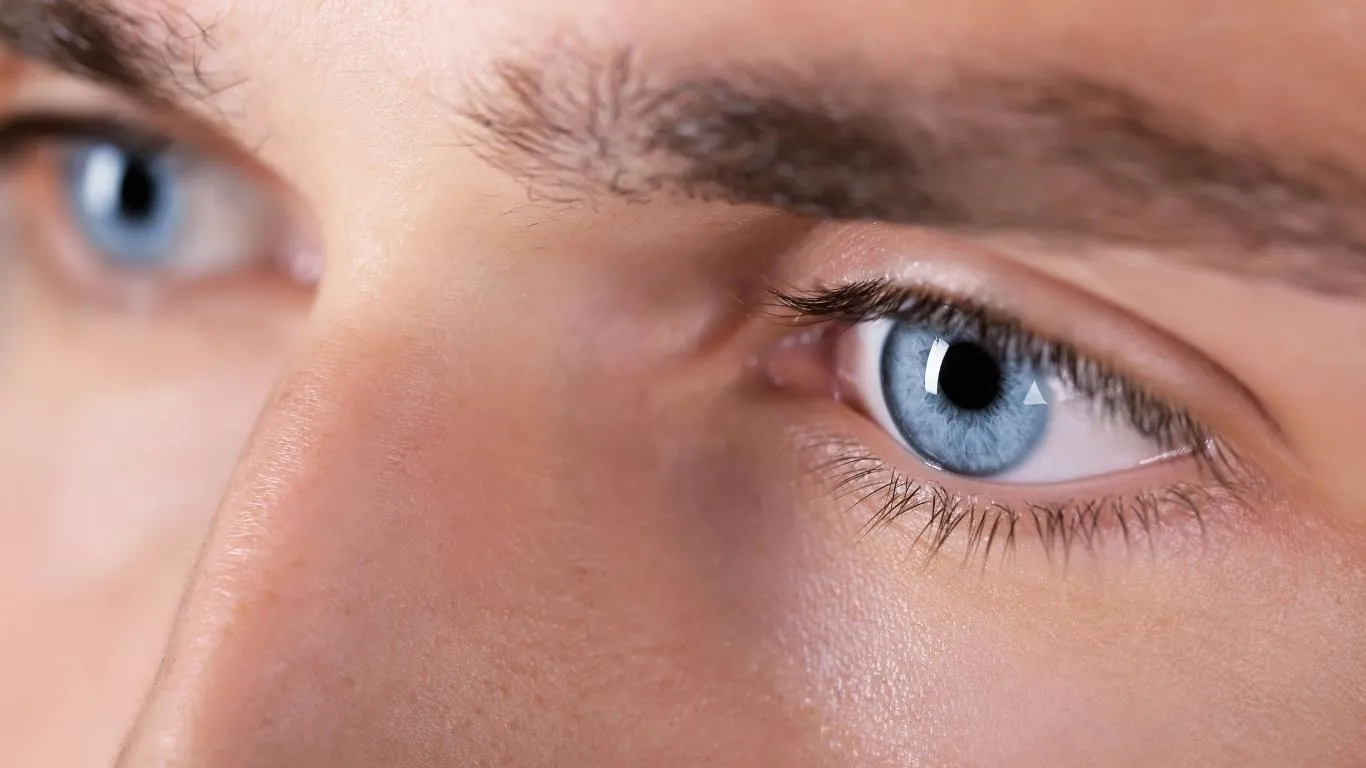
Let’s be honest—bright animations aren’t causing floaters. They’re just revealing what’s already floating around in your eye. The root causes vary:
- Age-related vitreous degeneration (common after 40)
- Dehydration which reduces vitreous fluid elasticity
- Screen strain and poor lighting habits
- Myopia or nearsightedness
Even systemic issues like diabetes can play a role in how your vitreous body changes, increasing the likelihood of floaters showing up when you least want them.
What You Can Do Without Giving Up Animation
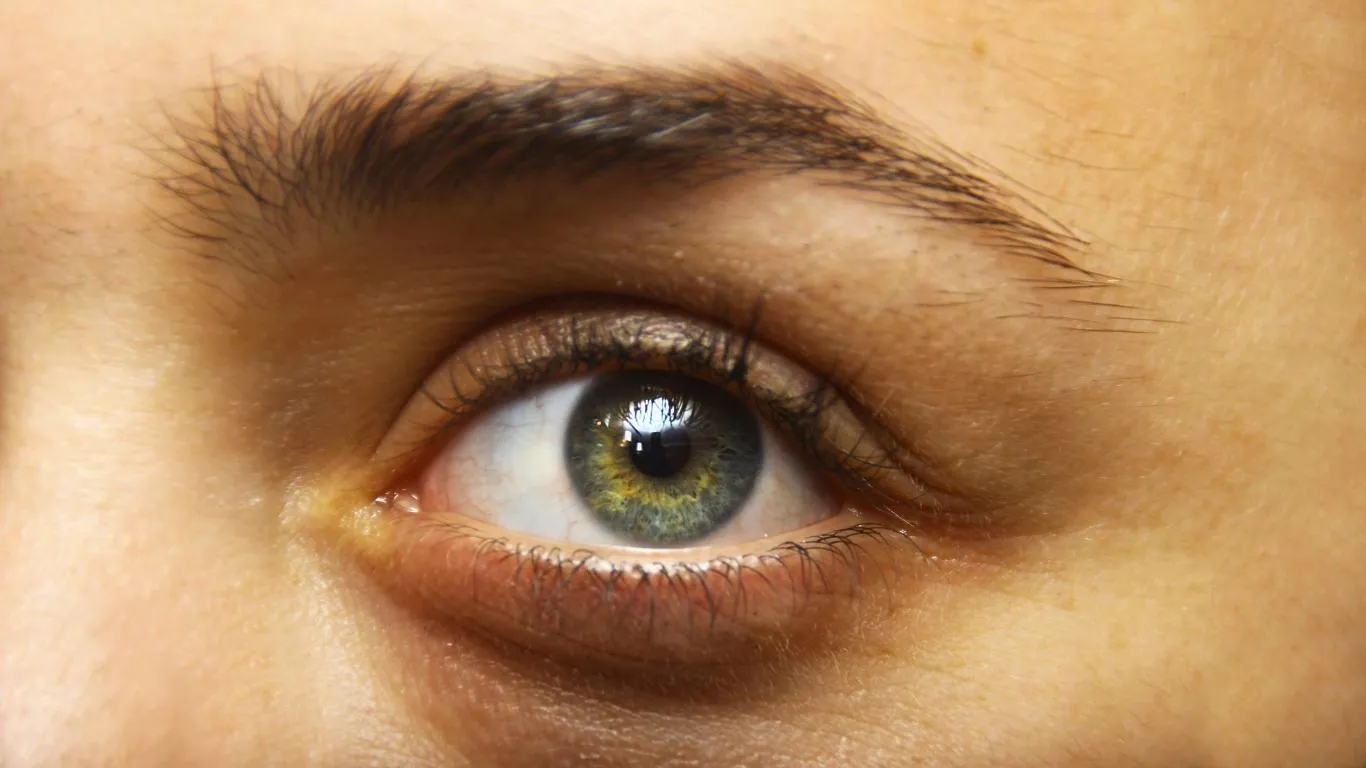
I get it—you don’t want to give up watching your favorite shows. And you don’t have to. There are several easy things you can do to keep floaters at bay while enjoying your screen time:
- Adjust your screen settings – Lower brightness and increase ambient lighting in the room.
- Use blue light filters – They reduce retinal stress, especially at night.
- Hydrate and take breaks – Your eyes need water just like the rest of you.
- Use larger screens – Smaller screens mean more eye strain.
If you’re looking for a comprehensive approach, you might want to explore natural ways to manage eye floaters. Just know there’s a lot of myth vs. science in that space. Not everything claiming to “clear floaters naturally” actually works.
Want a full breakdown of what causes floaters and when to take them seriously? Start here. Also, we go deeper into the common causes and how they differ in severity in this expert overview.
When Floaters Become a Distraction: My Worst Experience Yet
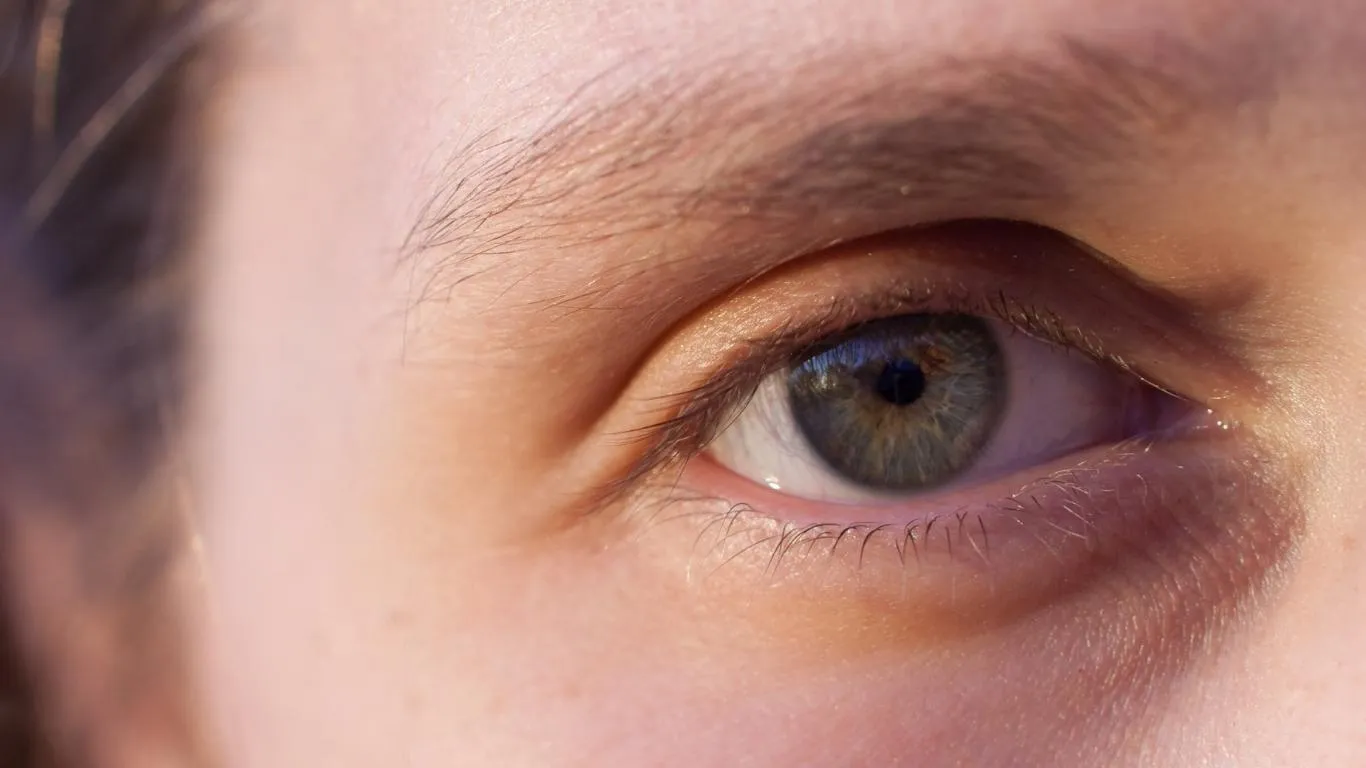
The worst episode for me? Watching a bright, fast-paced animated movie in a dark room. You know the kind—flashing strobes, epic laser sequences, a nonstop palette of glowing colors. I couldn’t even focus on the action because every few seconds, these wormy little floaters would slide across my vision like they were part of the scene. I even paused the movie thinking there was something wrong with the display. Spoiler alert: it was just my eyes being overly sensitive to the brightness.
And when I looked it up later, I found out I wasn’t alone. A ton of people experience more intense floaters in bright light or animation-heavy visuals. For some, it’s a temporary nuisance. For others, it becomes a barrier to enjoying their favorite hobbies.
Is It Your Eyes or Your Screen Setup?
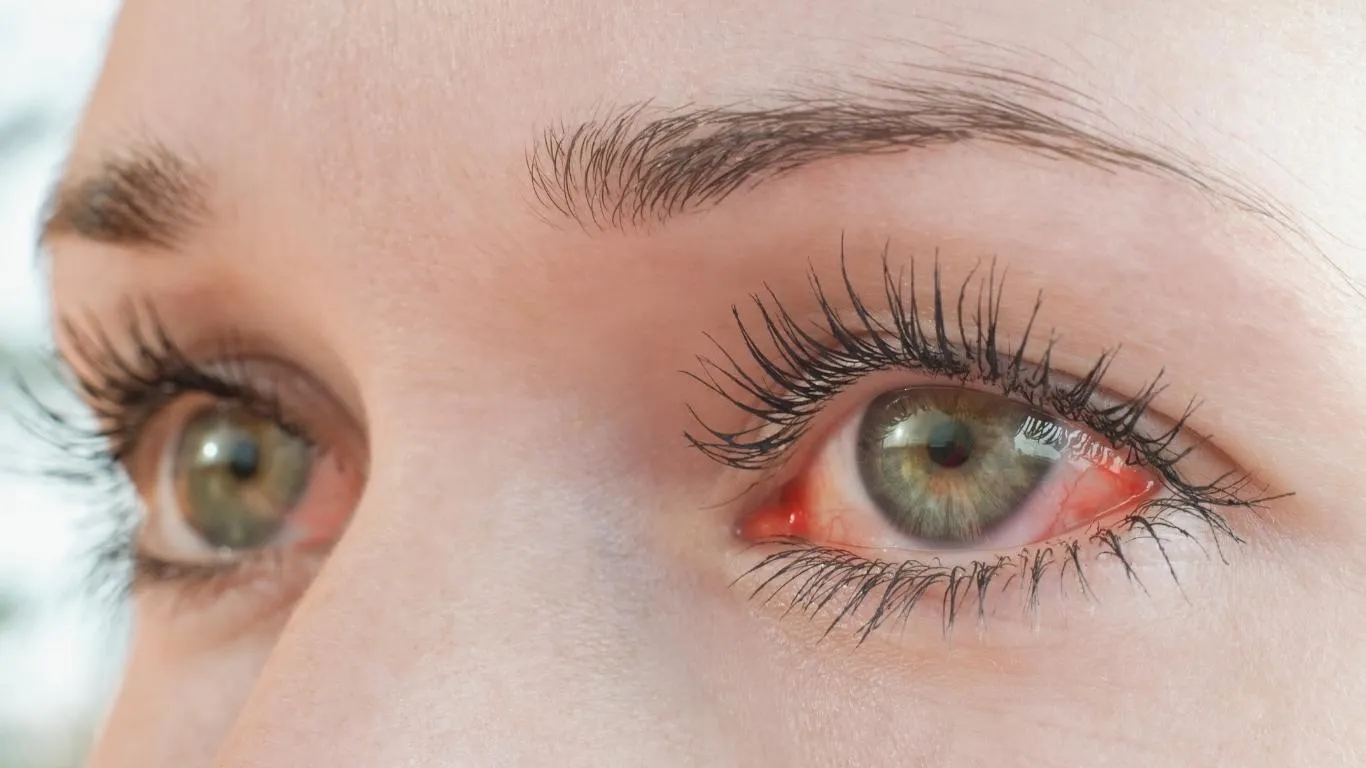
One major mistake I used to make was watching TV in a pitch-black room. No ambient lighting, just a glowing screen and my tired, overworked eyes. Bad combo. That setup alone can make even mild floaters feel like visual clutter. Once I added a soft light behind the monitor and lowered brightness settings, it made a huge difference.
Here’s what helped reduce the floaters’ impact for me:
- Using “warm tone” screen filters in the evenings
- Switching to animation styles with softer lighting (like watercolor or pastel-heavy genres)
- Watching in rooms with indirect background light
- Avoiding deep eye focus for too long – blinking often helps
If you’re serious about reducing eye floaters caused or revealed by screen exposure, adjusting your viewing habits is step one. Trust me, your eyes will thank you for it.
Supplements and Habits That Actually Helped Me
I was super skeptical about vitamins and supplements, but after talking to my ophthalmologist, I gave a few targeted options a try. Over several months, I noticed fewer floaters, and the ones that remained didn’t jump out as much during bright scenes. It’s not magic—but it made a difference.
What Worked (At Least for Me)
- Lutein and Zeaxanthin – These carotenoids are known to improve retinal health.
- Hydration – Seriously, water. Floaters love dehydration.
- Omega-3 Fatty Acids – Especially from fish oil or flaxseed supplements.
- Magnesium – Helped with overall eye comfort, especially on screen-heavy days.
You can check out this deeper dive into supplements that actually help reduce floaters for a science-backed approach.
One thing to avoid? Over-relying on “miracle cures.” I stumbled on a few clickbait sites promising to “dissolve floaters overnight.” Spoiler: those are usually junk. If your floaters are getting worse, it’s better to talk to a pro. And yes, real treatments do exist — including laser procedures and surgery, but they’re not for everyone.
When You Should See a Specialist (No, It’s Not Overreacting)
Some floaters are just part of aging. But if yours come on suddenly, appear during specific visual triggers like animation, or increase rapidly, it’s time to get checked. I hesitated for weeks before seeing an eye doctor. I was worried they’d say, “It’s nothing.” But they actually confirmed some vitreous changes, and catching that early gave me a head start on managing it.
Watch for These Signs
- Flashes of light along with floaters
- Sudden shower of black dots
- A curtain or shadow creeping across vision
- Severe eye pain or loss of peripheral vision
Any of these could be signs of something more serious like retinal detachment. Don’t Google-diagnose. Get real answers from a qualified specialist.
Helpful Daily Habits to Keep Floaters from Dominating Your Screen Time

After experimenting for months, I found that floaters aren’t just a one-time thing. They’re affected by how I treat my body, how long I stare at screens, and even how much I sleep. So, I built a new routine. It’s not perfect, but it keeps things manageable.
What’s Working for Me Now
- 20-20-20 Rule – Every 20 minutes, look at something 20 feet away for 20 seconds.
- Eye yoga exercises – Sounds goofy, but they genuinely help reduce eye fatigue.
- Wearing anti-glare glasses – Especially for high-brightness environments like animation marathons.
- Better sleep – Poor sleep = worse floaters. It’s wild how connected they are.
Some days they’re still there, floating around, but at least they’re no longer stealing the joy out of my favorite shows. If you’re also struggling with this and wondering whether it’s normal to have floaters even in your 20s or 30s—you’re not alone.
And if you’re looking to understand the bigger picture about where these things come from, how they evolve, and what you can do about it long-term, don’t miss this main article on what eye floaters are and how to treat them.
You’ll also find this breakdown of common causes of floaters helpful, especially if you’re dealing with more than just visual annoyance. Trust me, knowledge is the first step toward not letting these little floaty things control your life—or your screen time.

Camellia Wulansari is a dedicated Medical Assistant at a local clinic and a passionate health writer at Healthusias.com. With years of hands-on experience in patient care and a deep interest in preventive medicine, she bridges the gap between clinical knowledge and accessible health information. Camellia specializes in writing about digestive health, chronic conditions like GERD and hypertension, respiratory issues, and autoimmune diseases, aiming to empower readers with practical, easy-to-understand insights. When she’s not assisting patients or writing, you’ll find her enjoying quiet mornings with coffee and a medical journal in hand—or jamming to her favorite metal band, Lamb of God.