Why Floaters While Brushing Teeth Near White Tiles Feel Worse
It was around 7 a.m. when I first noticed them—those squiggly, drifting little threads dancing across my vision. I was standing in the bathroom, brushing my teeth, staring blankly at the white tiles on the wall. That’s when they became most noticeable. At first, I thought it was my imagination. But day after day, at the same spot and same activity, they’d show up like clockwork. If you’ve seen floaters while brushing your teeth near white tiles, trust me—you’re not alone. And no, you’re not going crazy either.
Why Do Floaters Show Up Against White Tiles?
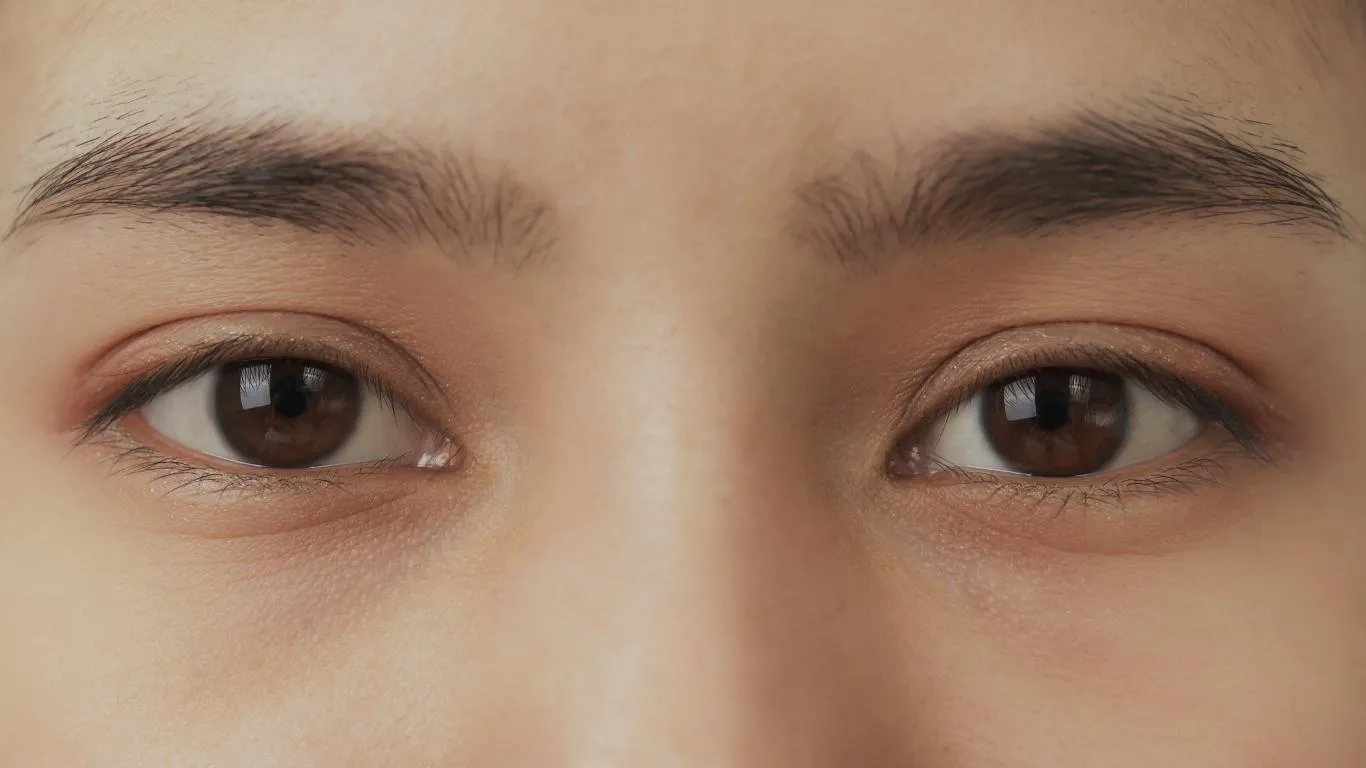
Eye floaters are those shadowy specs, threads, or cobweb-like shapes that drift across your field of vision. You’ll often spot them in high-contrast settings—think bright white tiles, a clear sky, or a glowing computer screen. So why are they so noticeable when you’re brushing your teeth?
The Contrast Factor
It all comes down to background contrast. White tiles reflect light evenly, creating the perfect canvas for these floaters to stand out. The vitreous in your eye—a jelly-like substance—begins to shrink or change with age, forming little clumps or fibers. When light enters your eye, these tiny particles cast shadows on the retina, which is what you see drifting by.
Stillness Triggers Awareness
When you’re brushing your teeth, you’re not moving your eyes around like you would walking or scrolling your phone. This stillness gives floaters the perfect stage to make their debut. It’s the same reason they pop up when you’re meditating or staring at a blank wall. For me, it became a strange, daily “floaters check-in.”
Is It Normal to See Floaters Daily?
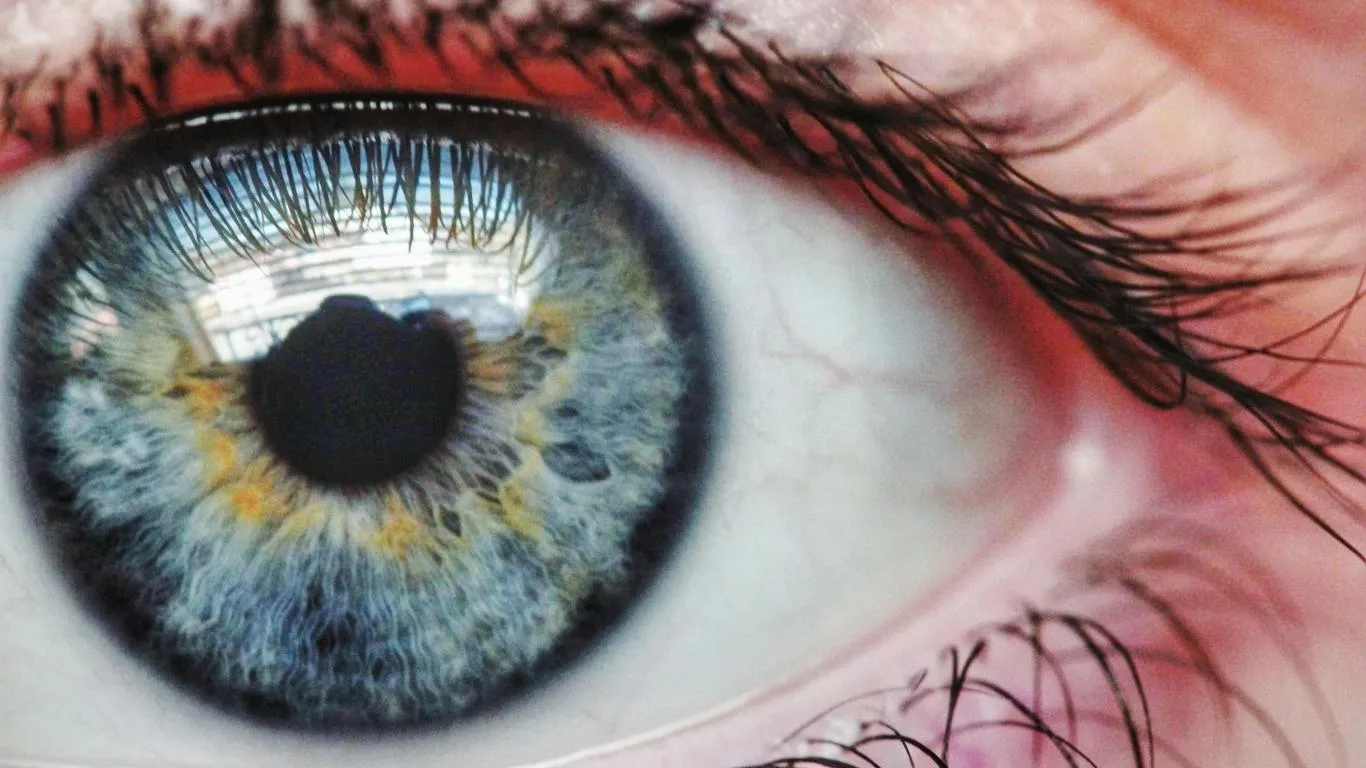
Seeing floaters once in a while is usually normal—especially in bright settings. They’re a natural part of the aging process. But if they suddenly increase, change shape, or are accompanied by flashes of light, that could signal something more serious. I had to learn that the hard way after ignoring a new floater for weeks, only to end up at an ophthalmologist’s office being screened for a retinal tear.
There are dozens of causes beyond aging that may lead to floaters showing up like this—especially in sharp lighting or white-background environments. For example, smoking, excessive screen time, or even chronic stress can make floaters worse or more noticeable.
Normal or Not? Here’s How to Tell:
- Stable floaters: Look the same every time you see them and don’t multiply—generally harmless.
- Sudden shower of floaters: Possible warning sign—get it checked.
- Floaters with flashes: Especially in your side vision—may indicate retinal tear.
Want a deeper dive into symptoms you shouldn’t ignore? Check this practical guide on recognizing eye floater symptoms.
Why White Tiles Make It Worse (Yes, Really)
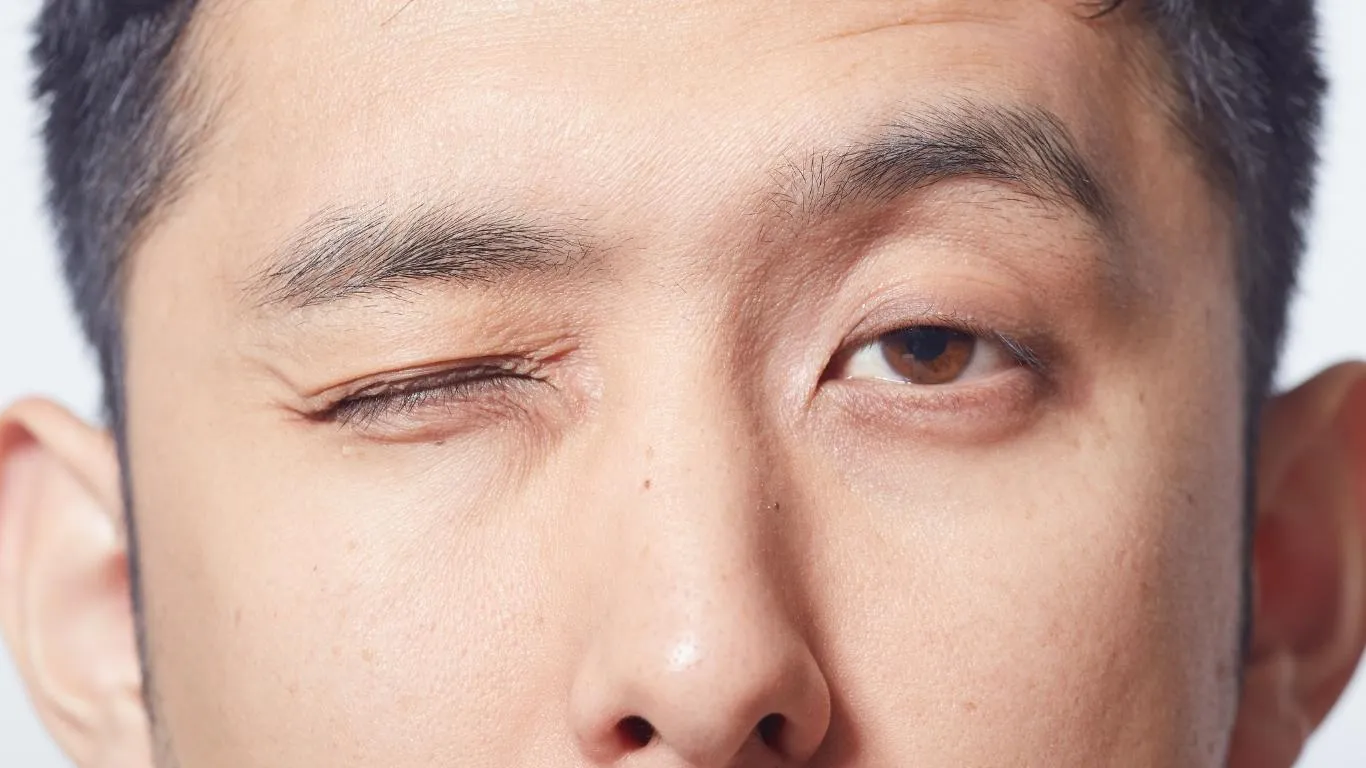
Brushing your teeth isn’t causing the floaters—it’s just giving you the perfect lighting and background for them to stand out. White tile reflects a ton of light into your eye. That light bounces through your vitreous, and anything floating in it becomes way more visible than it would in softer, dimmer environments.
Ever noticed they vanish when you walk into a darker room? That’s because the contrast drops, and your retina isn’t getting blasted with direct reflection. Try staring at a white ceiling, and you’ll likely see them too. It’s not the act of brushing—it’s the background.
What You Can Do To Minimize It
While there’s no magic cure, there are a few hacks I’ve used that helped tone down the annoyance:
- Switch up your lighting: Use warmer, softer bulbs in the bathroom to reduce contrast.
- Textured backgrounds: Tiles with patterns or color variation make floaters less obvious.
- Don’t fixate: The more you look for them, the more your brain tunes in. Try redirecting your attention.
When Should You Be Concerned?
If floaters appear suddenly and in large numbers, or if you see what looks like a curtain coming down over your vision, you need to act fast. Those are red flags. They could indicate a retinal tear or detachment, especially if accompanied by light flashes or dark spots.
One resource I found super helpful when I first panicked about mine was this overview of when floaters might signal a serious condition. It’s not all doom and gloom, but knowing the line between “annoying” and “urgent” helps a ton.
And yes—it’s entirely possible for something as seemingly random as post-surgery changes or even high blood pressure to trigger more floaters. The list of potential causes is longer than most of us realize.
What Causes Floaters in the First Place?
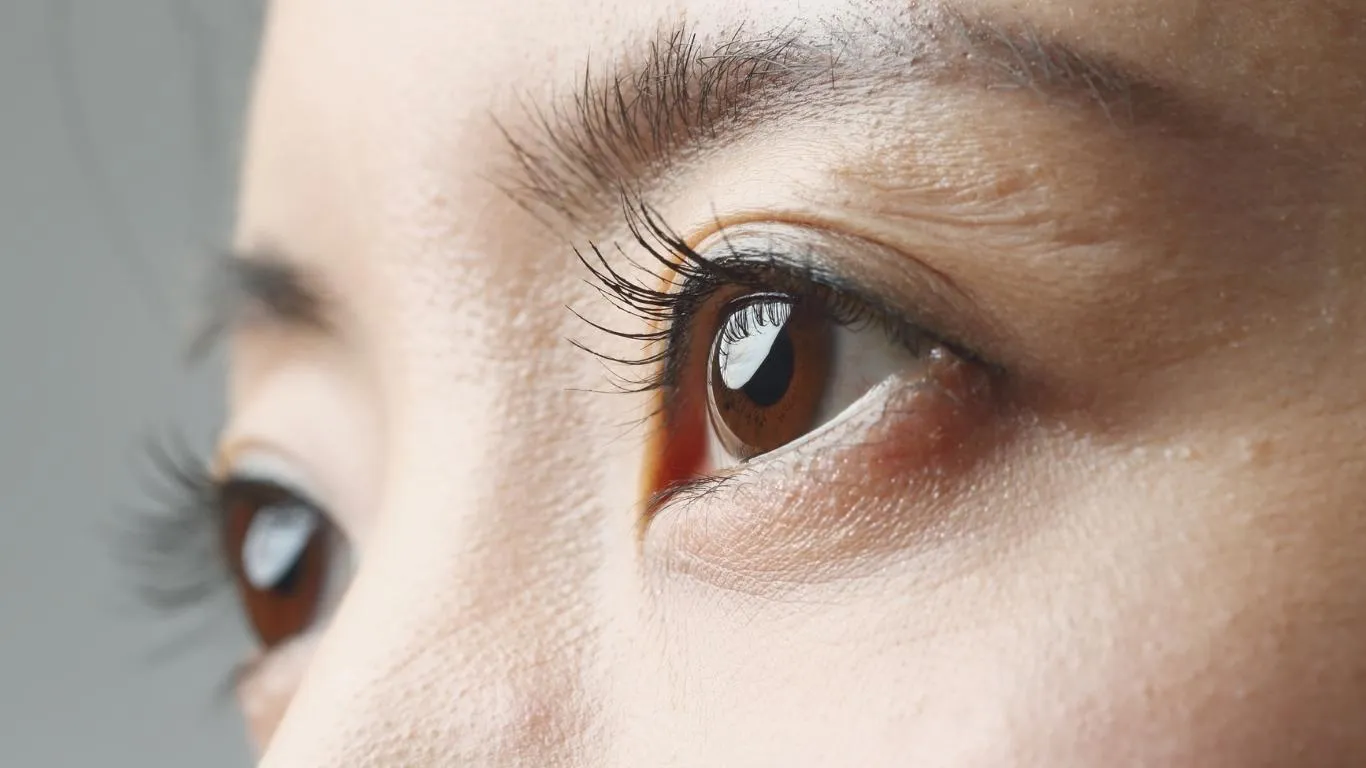
The most common cause is age-related changes in the vitreous—the clear gel-like fluid that fills your eye. As we get older, this substance becomes more liquid and less gel-like, causing it to pull away from the retina and form clumps. These clumps are what we see as floaters. This process is called posterior vitreous detachment (PVD), and it’s usually harmless—but still weirdly unsettling.
If you want to understand all the possible causes in a bit more depth, check out this comprehensive guide on common causes of eye floaters.
For an even broader understanding of floaters—including when they’re harmless, when they’re not, and what modern treatments are available—I recommend starting with this in-depth main floater resource.
Can You Do Anything to Get Rid of These Floaters?
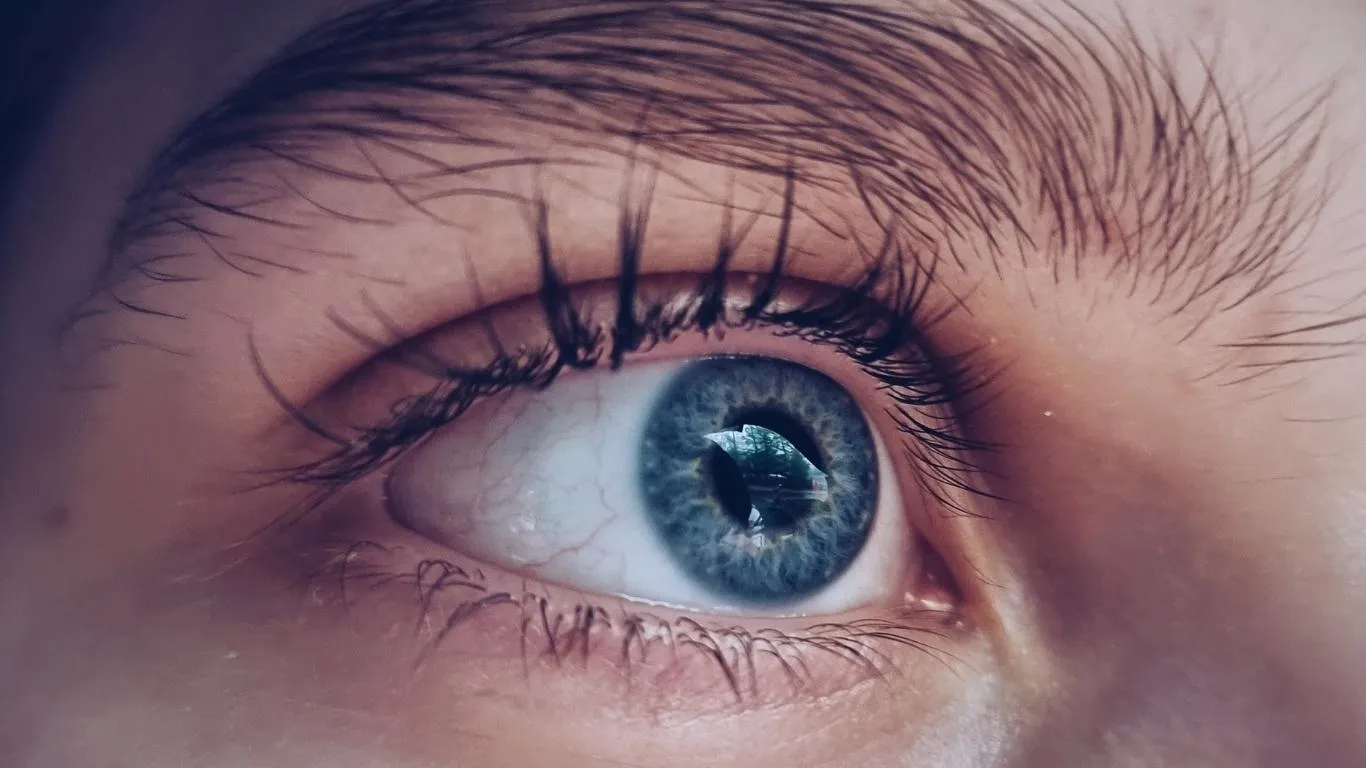
Let’s get real—once you start noticing floaters, especially when brushing your teeth near white tiles or scrolling your phone in bed, they kind of become your daily visual tagalongs. The truth is, most floaters don’t go away completely. But that doesn’t mean you’re stuck with them forever without options. I’ve been on this road myself, trying nearly everything short of laser eye surgery just to reduce the distraction.
Here’s what I’ve personally tried (and what actually helped):
- Hydration: I underestimated how much dehydration affects eye clarity. Drinking more water actually reduced the “cloudiness.”
- Eye nutrition: Supplements rich in collagen-supporting nutrients and antioxidants helped with overall eye health—though floaters didn’t disappear, they became less distracting.
- Blue light glasses: Honestly, blue light blocking glasses made a surprising difference when using screens under white backgrounds.
And yes, I even went down the rabbit hole of trying natural remedies and floaters-targeted eye exercises. Some of them helped with eye fatigue, which oddly made floaters stand out less. Others? Not so much. But if you’re curious, you might want to check the debate on natural remedies for floaters.
When Do Doctors Step In?
If floaters are seriously affecting your quality of life (or causing panic every time you face white tiles), it’s worth bringing up to your eye doctor. You won’t be laughed out of the room—these things can mess with your focus, your comfort, and even your driving confidence.
The Main Treatment Options:
- Observation: For most of us, this is the first step. Basically, they wait and watch to see if it gets worse or stays the same.
- Vitrectomy: This is surgery to remove the vitreous gel and replace it with a saline solution. Effective, but comes with risks.
- Laser therapy (YAG vitreolysis): Some eye clinics offer this to break up floaters with laser pulses. Mixed results, but for some, it works wonders.
I personally haven’t gone down the laser route, but I did a ton of research into it. This breakdown on floater treatment options was a goldmine when I was considering the pros and cons.
Other Triggers You Might Not Expect
One of the most frustrating things about floaters? They seem to pop up or get worse when you least expect it. You’re brushing your teeth one day, next thing you know they’re swirling around during your morning run. Turns out, several unexpected things can trigger floaters or make them more noticeable:
- Staring at screens for long periods (especially in low light).
- Stress and anxiety, especially during tense mornings or emotional pressure.
- High sugar intake (this one caught me by surprise!).
- Fasting or detox diets can sometimes amplify visual distortions.
It’s not always easy to pinpoint what causes flare-ups, but keeping a floater journal helped me figure out patterns—yes, I actually did that for a few weeks. It wasn’t fun, but it showed me how certain lifestyle habits had more influence than I thought.
Living With Floaters Without Losing Your Mind
Eventually, I stopped obsessing. That doesn’t mean I stopped seeing them altogether—but they stopped running the show. You learn to adapt, to stop chasing them with your eyes, and to tweak your environment. I switched the bathroom lights to a warmer tone, added textured tiles in place of the old white glossy ones, and honestly? It changed my whole morning vibe.
Sometimes it’s about managing your environment, not eliminating the floaters. Your brain can learn to ignore them—mine mostly has. And when they do show up (usually in bright or plain settings), I just blink and move on.
If your floaters ever get worse, though, or if you notice new flashes or shadows, don’t wait. Floaters can sometimes be early warnings of something bigger, like a retinal tear or detachment. That’s rare—but not impossible.
So next time you’re standing in front of those blinding white tiles, toothbrush in hand, and you spot something floating by—don’t panic. But don’t ignore it either. Knowledge, habit changes, and honest conversations with your doctor go a long way in making peace with these weird little threads in your vision.
For a more complete understanding of what eye floaters are, their causes, and how they’re treated, you can start here with this comprehensive overview.

Camellia Wulansari is a dedicated Medical Assistant at a local clinic and a passionate health writer at Healthusias.com. With years of hands-on experience in patient care and a deep interest in preventive medicine, she bridges the gap between clinical knowledge and accessible health information. Camellia specializes in writing about digestive health, chronic conditions like GERD and hypertension, respiratory issues, and autoimmune diseases, aiming to empower readers with practical, easy-to-understand insights. When she’s not assisting patients or writing, you’ll find her enjoying quiet mornings with coffee and a medical journal in hand—or jamming to her favorite metal band, Lamb of God.