Why Floaters Get Worse During Gentle Neck Stretches and How to Fix It
If you’ve ever paused mid-neck stretch and caught those pesky floaters drifting across your vision, trust me, you’re not alone. I’ve had moments during my morning stretches where tiny cobweb-like shapes appear out of nowhere, especially when I tilt my head gently side to side. It can be unsettling, but there’s a fascinating connection between neck movements and these visual intrusions that often gets overlooked.
Why Do Floaters Become Noticeable During Gentle Neck Stretches?
Eye floaters are small clumps of collagen that cast shadows on your retina. But why do they seem to pop up right when you’re doing something as simple as a gentle neck stretch? The answer lies in how subtle postural adjustments can alter eye fluid dynamics and visual perception.
When you stretch your neck, even gently, you’re slightly shifting your head’s orientation relative to gravity. This changes the vitreous fluid movement inside your eyes, making floaters more pronounced in your field of vision. It’s not that the floaters suddenly appear — you’re just becoming acutely aware of them.
The Posture-Floater Connection
Years ago, I dismissed my floaters during yoga stretches as random flukes. However, I’ve since learned that neck posture plays a huge role. When your cervical spine is elongated or rotated, it can momentarily alter blood flow and ocular pressure, enhancing floater visibility. It’s a subtle effect, but enough to notice during mindful movements like stretching.
Could Neck Stiffness Make Floaters Worse?
One of the surprising insights I’ve gained is how much tension in your neck and shoulders can exacerbate visual disturbances. Tight neck muscles may affect ocular blood supply, particularly the small arteries feeding your eyes. This restricted flow doesn’t cause floaters per se, but it can influence how prominently you perceive them.
Signs Your Neck Tension Might Be Amplifying Floaters
- Floaters appear more noticeable when you tilt or rotate your head.
- You experience floaters specifically after prolonged periods of neck stiffness.
- Relief of neck tension through stretches reduces floater intensity temporarily.
These aren’t hard rules, but if you’re like me and notice a clear pattern, it’s worth considering how neck ergonomics and floater visibility are intertwined. This is especially relevant for individuals dealing with floaters after neck strain or posture-related issues. Learn more about how neck and shoulder stiffness could worsen floaters.
Do Gentle Stretches Help or Hurt?
From personal experience, gentle stretches, when done correctly, can actually reduce the perception of floaters. The key is to avoid jerky or aggressive movements. Think of it as coaxing your neck into relaxation rather than forcing it. Over time, improving your cervical spine flexibility may contribute to better blood flow and reduced visual discomfort.
Safe Neck Stretching Tips If You’re Dealing With Floaters
- Always start with slow, controlled motions. Avoid abrupt head tilts or rotations.
- Incorporate deep breathing to ease neck muscle tension during the stretches.
- Ensure your shoulders stay relaxed—tense shoulders often sabotage neck mobility.
- Consider doing stretches in natural lighting where floaters are less visible on light backgrounds.
For a more comprehensive look into managing floaters with posture adjustments, visit this detailed guide on how posture changes can worsen floaters.
Is There a Deeper Health Link Between Neck Mobility and Eye Floaters?
Medical experts often point out that while floaters are primarily an ocular issue, systemic factors like cervical spine health shouldn’t be ignored. Conditions like cervical spondylosis or chronic neck tension can indirectly influence visual disturbances by impacting nerve pathways or vascular health.
I once consulted an ophthalmologist after noticing a spike in floaters post physical therapy. The explanation wasn’t alarming but enlightening — gentle spinal adjustments can change the way light interacts with vitreous opacities, making floaters temporarily more or less visible. This personal experience aligns with insights shared in how head and neck traumas can prolong floater visibility.
When Should You Be Concerned?
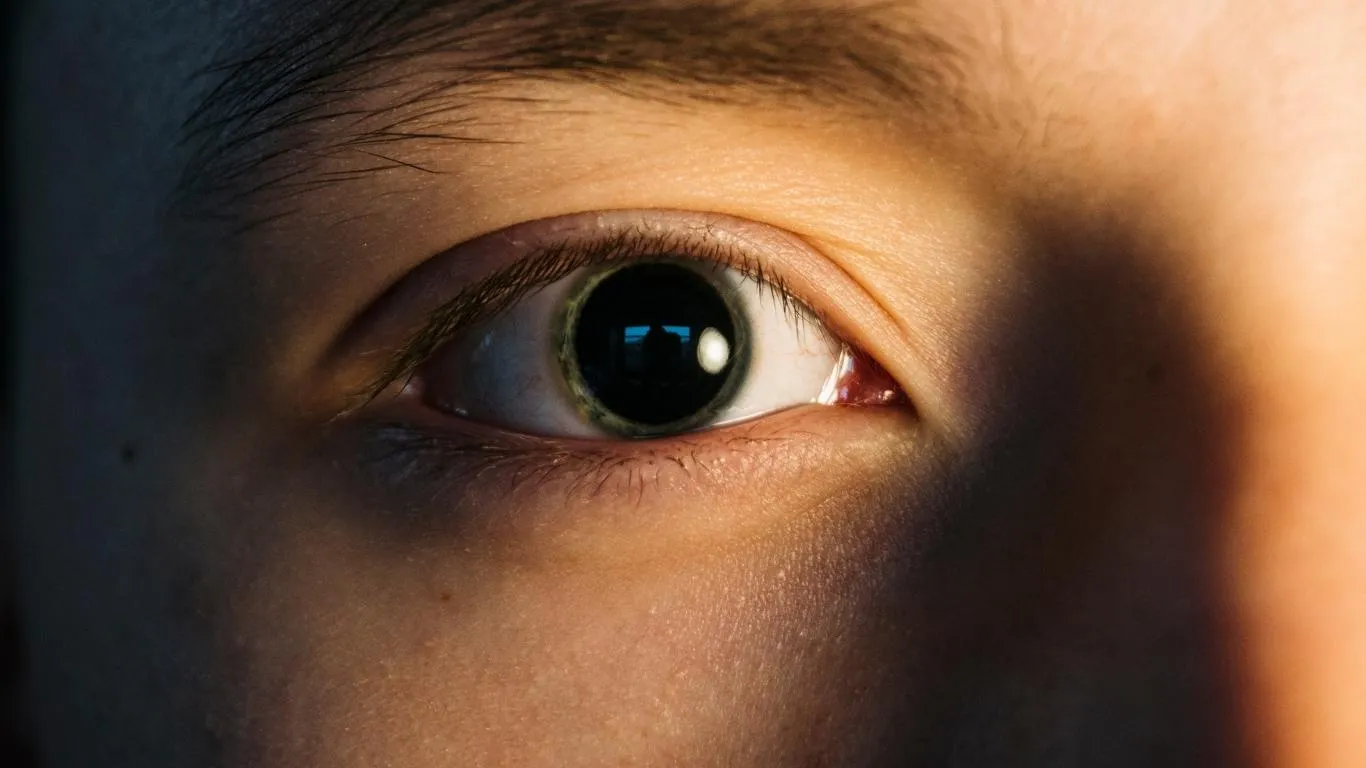
Not all floaters are harmless. If you experience a sudden shower of floaters, flashes of light, or feel like a shadow or curtain is obstructing part of your vision during or after neck stretches, seek medical attention immediately. These could be warning signs of retinal detachment, a condition that requires urgent care.
Understanding when floaters signal more serious conditions is critical. Healthusias has an excellent resource on dangerous signs of eye floaters that’s worth bookmarking.
How to Differentiate Stretch-Induced Floaters from Other Visual Issues
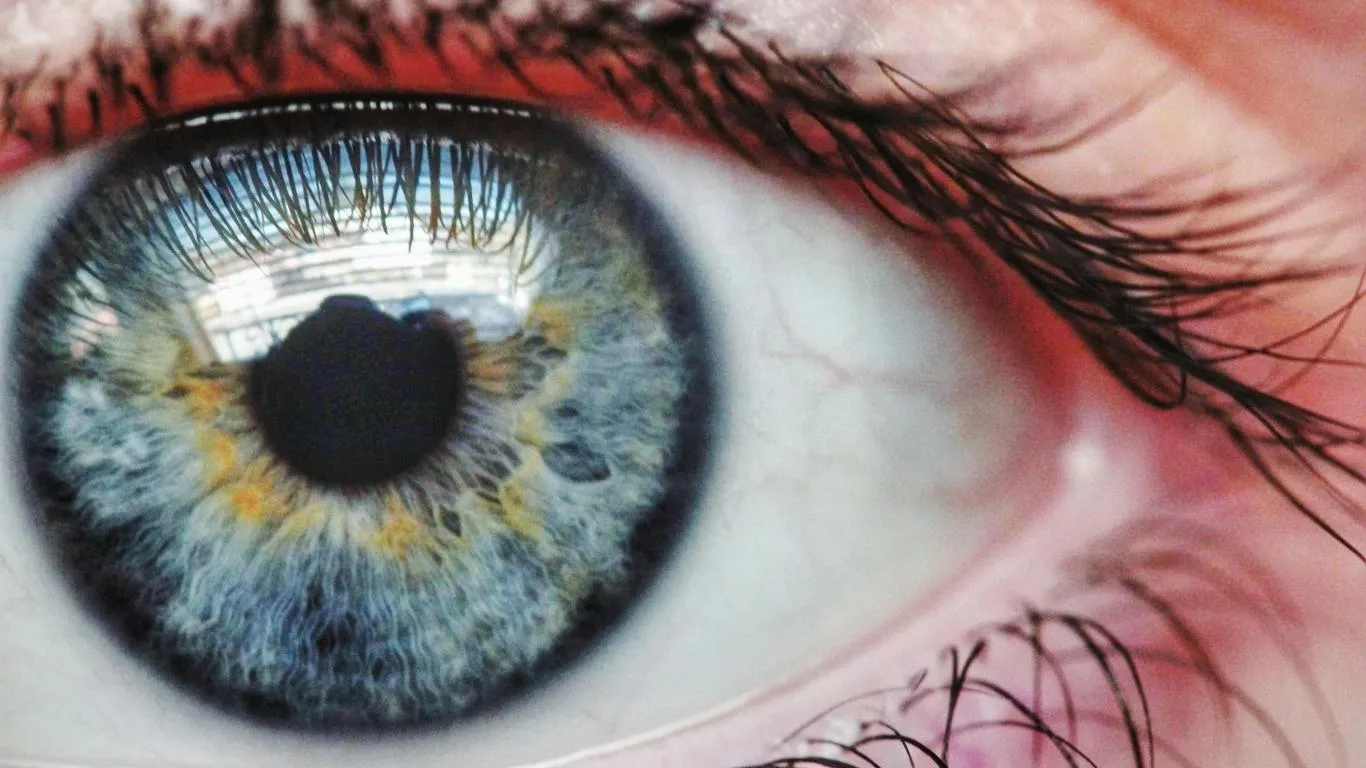
Floaters caused by gentle neck stretches typically move with your eye movement and are seen best against bright backgrounds. However, if you notice stationary dark spots or wavy distortions that don’t shift with your gaze, these might indicate other ocular conditions like macular issues. Understanding these subtle distinctions can help you decide when to stay calm and when to consult a professional.
For a deeper dive into telling floaters apart from other vision problems, explore this guide comparing floaters and other eye conditions.
To expand your understanding of floaters, their causes, symptoms, and how treatments are evolving, check out the comprehensive main pillar article on eye floaters.
Can Gentle Neck Exercises Reduce Floater Annoyance Over Time?
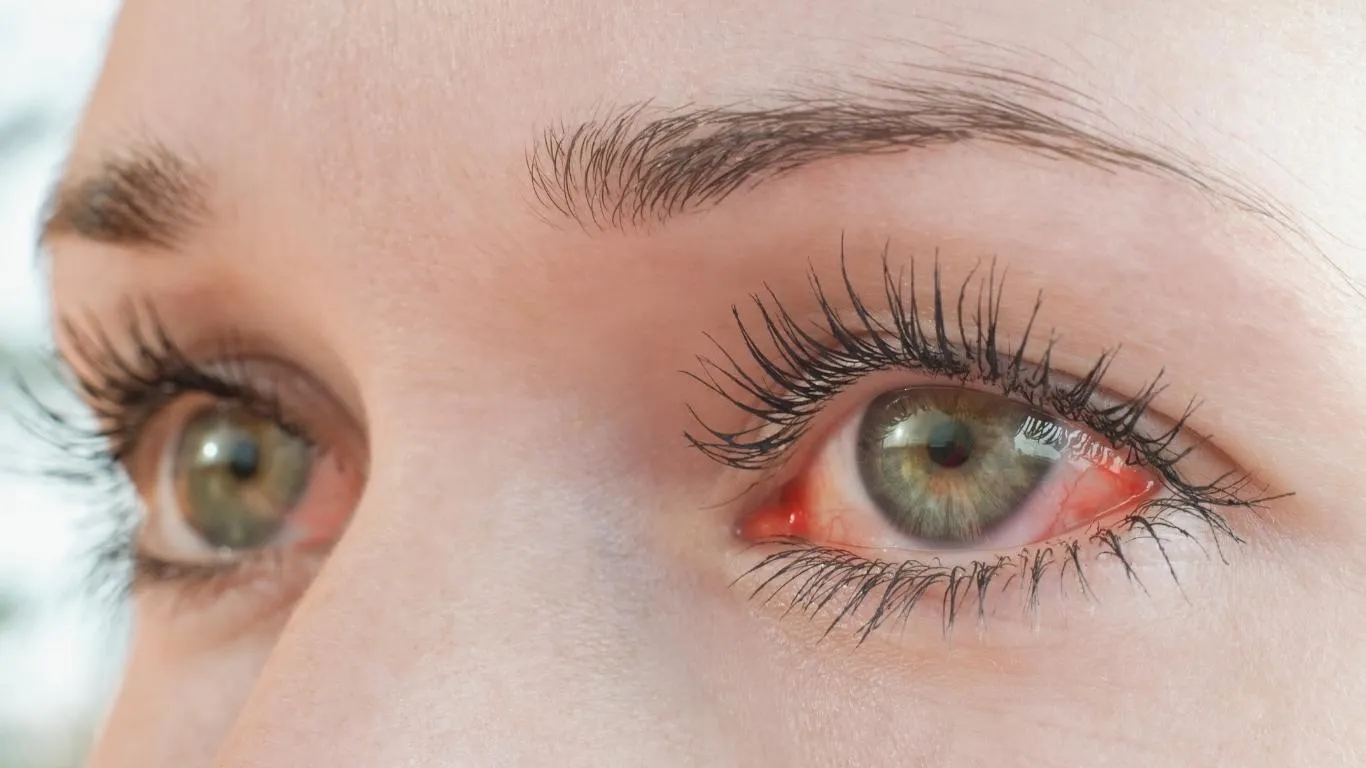
Over the years, I’ve experimented with simple neck mobility routines, and while they don’t “cure” floaters, they certainly help make them less distracting. The trick isn’t to target the floaters directly but to improve neck flexibility, reduce muscle stiffness, and enhance overall head posture. This creates a less strained visual environment, subtly reducing how intrusive floaters feel during activities.
One of my favorite routines involves slow circular neck rolls combined with deep diaphragmatic breathing. It’s not fancy, but the relief from neck tension often coincides with floaters becoming less of a visual nuisance.
Here’s a Simple 5-Minute Routine I Swear By:
- Neck Tilts: Slowly tilt your head towards each shoulder, holding for 10 seconds on each side.
- Chin Tucks: Gently pull your chin towards your throat without tilting your head forward. Hold for 5 seconds, repeat 5 times.
- Controlled Neck Rotations: Turn your head to the left and right, holding each position for 10 seconds.
- Neck Rolls: Make slow, deliberate circular motions with your head, 5 in each direction.
Doing this sequence daily, I’ve noticed a tangible difference not just in neck comfort but also in how floaters seem less distracting, especially during reading or screen time. This experience mirrors insights found in how neck tension may affect floaters.
Screen Time, Neck Posture, and Floaters: The Trio You Shouldn’t Ignore
Let’s be honest, most of us don’t realize how our daily screen habits contribute to neck strain, and in turn, floaters becoming more bothersome. Hours spent hunched over phones or laptops can create what’s known as “tech neck.” This repetitive strain compresses cervical muscles, impacts blood flow, and may enhance floaters’ visibility in certain lighting conditions.
If you’ve noticed your floaters seem worse after long screen sessions, it’s not just your eyes that are fatigued—your neck plays a silent but significant role. Screen-time-related floaters are a growing concern, especially with modern lifestyles.
Quick Posture Fixes for Floaters-Prone Individuals
- Ensure your screen is at eye level to reduce downward neck tilt.
- Use a chair with good lumbar support to keep your spine neutral.
- Take a “neck stretch break” every 30 minutes during prolonged screen use.
- Consider wearing anti-glare or blue-light-filter glasses to minimize visual strain.
Other Subtle Triggers You Might Be Overlooking
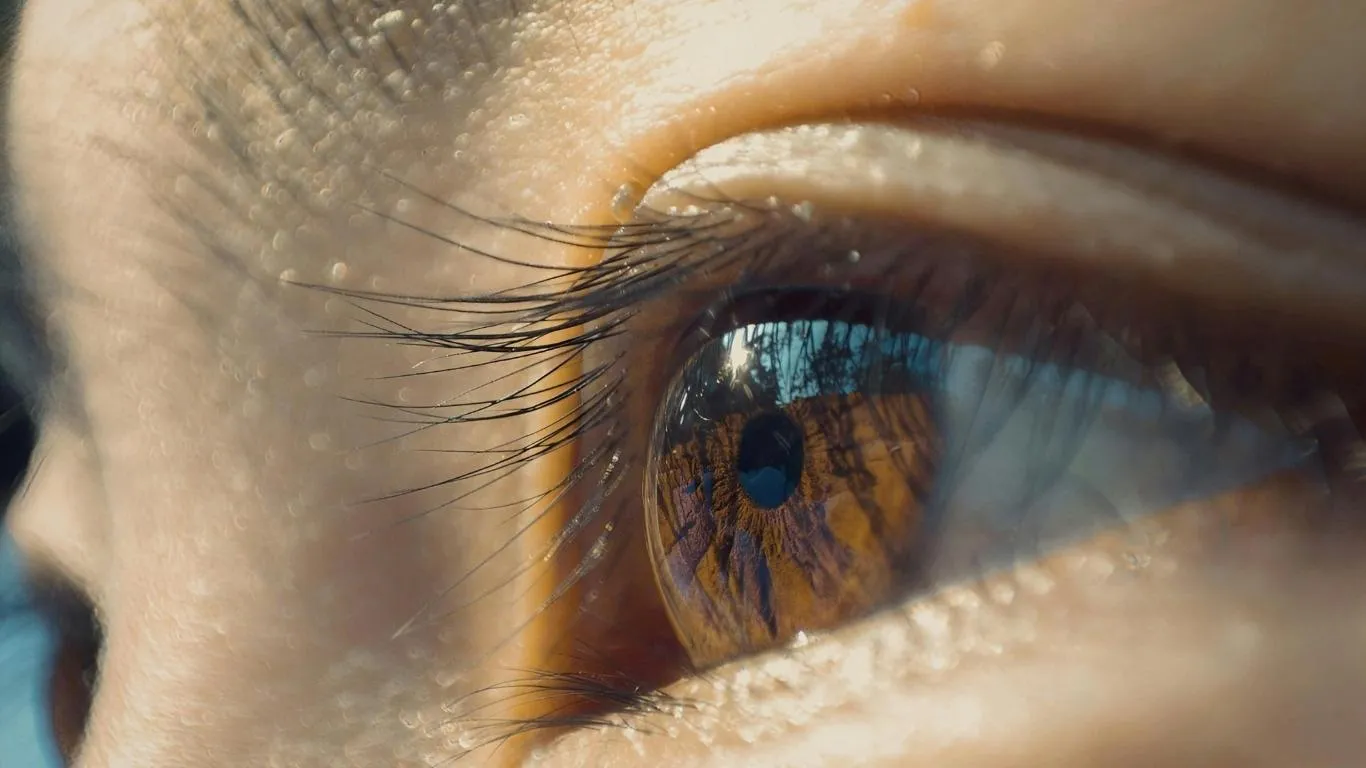
Beyond neck posture, there are a few sneaky factors that might be making your floaters worse during stretches or daily routines. Here are a few culprits I learned the hard way:
- Dehydration: Not drinking enough water can reduce vitreous fluid volume, making floaters more prominent. Dehydration’s link to floaters is often underestimated.
- Lighting Conditions: Bright, overhead fluorescent lights are notorious for highlighting floaters, especially after head tilts or rotations.
- Stress Levels: Mental tension often correlates with muscle tension. High stress can subconsciously make you tense your neck, amplifying floater perception. Stress-induced floaters are more common than you’d think.
Is There Any Permanent Fix?

While neck stretches and posture adjustments help manage the annoyance, they aren’t a cure for floaters. Treatments like laser vitreolysis or vitrectomy exist, but they’re generally reserved for severe cases. If your floaters are mild yet irritating, non-invasive strategies like neck mobility work, hydration, and ergonomic tweaks are your best allies.
For a deeper understanding of all treatment options available, Healthusias has a thorough article on eye floater treatments that covers everything from watchful waiting to surgical procedures.
My Personal Takeaway After Years of Dealing With Floaters
If there’s one thing I’ve learned, it’s that managing floaters isn’t just an “eye” problem. It’s about whole-body awareness. Gentle neck stretches, mindful posture, staying hydrated, and even managing daily stress can collectively reduce how intrusive floaters feel. They might not disappear, but they’ll bother you a lot less.
Understanding floaters as part of a bigger picture involving body mechanics and lifestyle factors is key. For a comprehensive breakdown of all common causes, I highly recommend reading Healthusias’ pillar article on common causes of eye floaters.

Camellia Wulansari is a dedicated Medical Assistant at a local clinic and a passionate health writer at Healthusias.com. With years of hands-on experience in patient care and a deep interest in preventive medicine, she bridges the gap between clinical knowledge and accessible health information. Camellia specializes in writing about digestive health, chronic conditions like GERD and hypertension, respiratory issues, and autoimmune diseases, aiming to empower readers with practical, easy-to-understand insights. When she’s not assisting patients or writing, you’ll find her enjoying quiet mornings with coffee and a medical journal in hand—or jamming to her favorite metal band, Lamb of God.