Why Floaters Distract You During Deep Focus And How To Reduce Them
Ever noticed how those pesky floaters seem to appear out of nowhere the moment you get into a deep focus mode? Whether it’s during intense work sessions or even while reading your favorite book, these drifting specks know the perfect time to show up. I’ve dealt with this more times than I can count, and let me tell you — it’s both fascinating and frustrating. But why does it happen? Let’s break it down.
What Are Eye Floaters and Why They Hijack Your Deep Focus?
Floaters are those semi-transparent squiggly shapes or dots you notice drifting across your vision. They’re actually tiny clumps of collagen inside the vitreous — the gel-like substance that fills your eyeball. Normally, we don’t pay much attention to them. But when you’re locked into a state of deep focus, staring at a blank wall or a bright screen, they become annoyingly visible.
It’s like they know when you’re trying to be productive. This happens because deep focus reduces distractions, and your eyes are often fixated in a steady position. The static background (like a white page or sky) makes floaters stand out more.
The Science Behind Floaters Becoming More Noticeable in Focused States
1. The Stillness Effect
During moments of intense concentration, your eyes are less likely to make rapid saccadic movements. This “stillness” gives floaters more visibility because they drift slowly within your visual field, unchallenged by frequent eye shifts.
2. Light and Contrast Play a Role
Ever wondered why floaters are almost invisible at night but annoyingly vivid during daylight or while looking at your monitor? The floaters cast shadows on your retina when light enters the eye, especially against uniform backgrounds. Hence, your bright laptop screen during a focused working session becomes their playground.
3. Vitreous Syneresis — A Hidden Factor
As we age, the vitreous gel starts to liquefy in a process called vitreous syneresis. Even in younger individuals, extended screen time or dehydration can amplify the effect. This condition not only increases the number of floaters but also makes them more prominent during long periods of intense focus. Curious how this process evolves? Check out our deep dive on age-related vitreous changes and floaters.
Personal Struggles: When Floaters Become Productivity Killers
I remember working on an important presentation one evening, and it felt like the floaters had formed a union to sabotage my focus. Every time I tried to ignore them, they seemed to multiply or drift exactly where I needed to read. What’s worse is that the more I concentrated, the more aware I became of their presence. It became a vicious cycle of noticing and distraction.
Is Deep Focus Actually Making Floaters Worse?
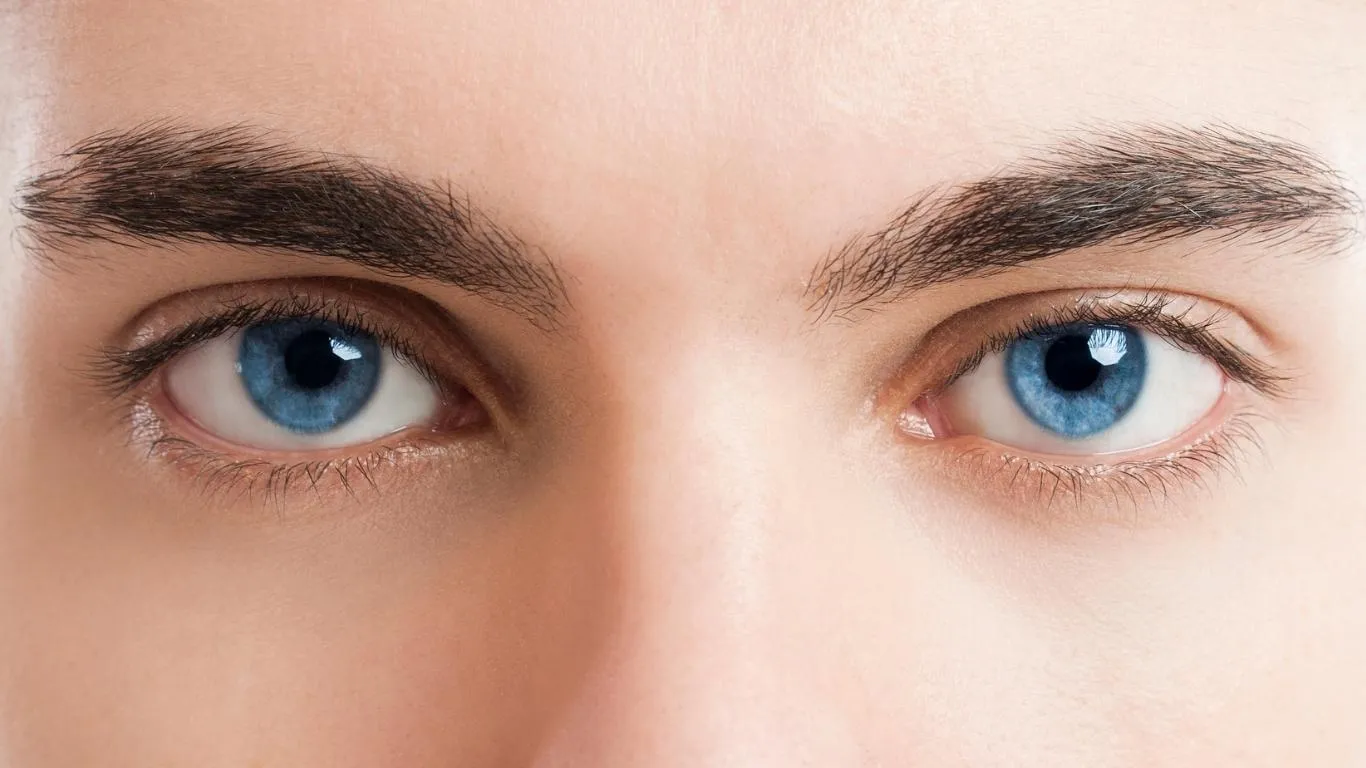
While focusing doesn’t physically create more floaters, it does enhance your perception of them. When your visual attention is heightened and your environment lacks visual “noise” (patterns, textures, movements), floaters take center stage. This explains why people often report seeing more floaters when meditating or doing tasks requiring sharp attention.
In fact, according to the National Eye Institute, floaters are not necessarily harmful but can be a sign of normal aging or vitreous detachment. However, sudden bursts of new floaters combined with light flashes can signal something more serious like a retinal tear.
Simple Hacks That Helped Me Reduce Floater Distractions
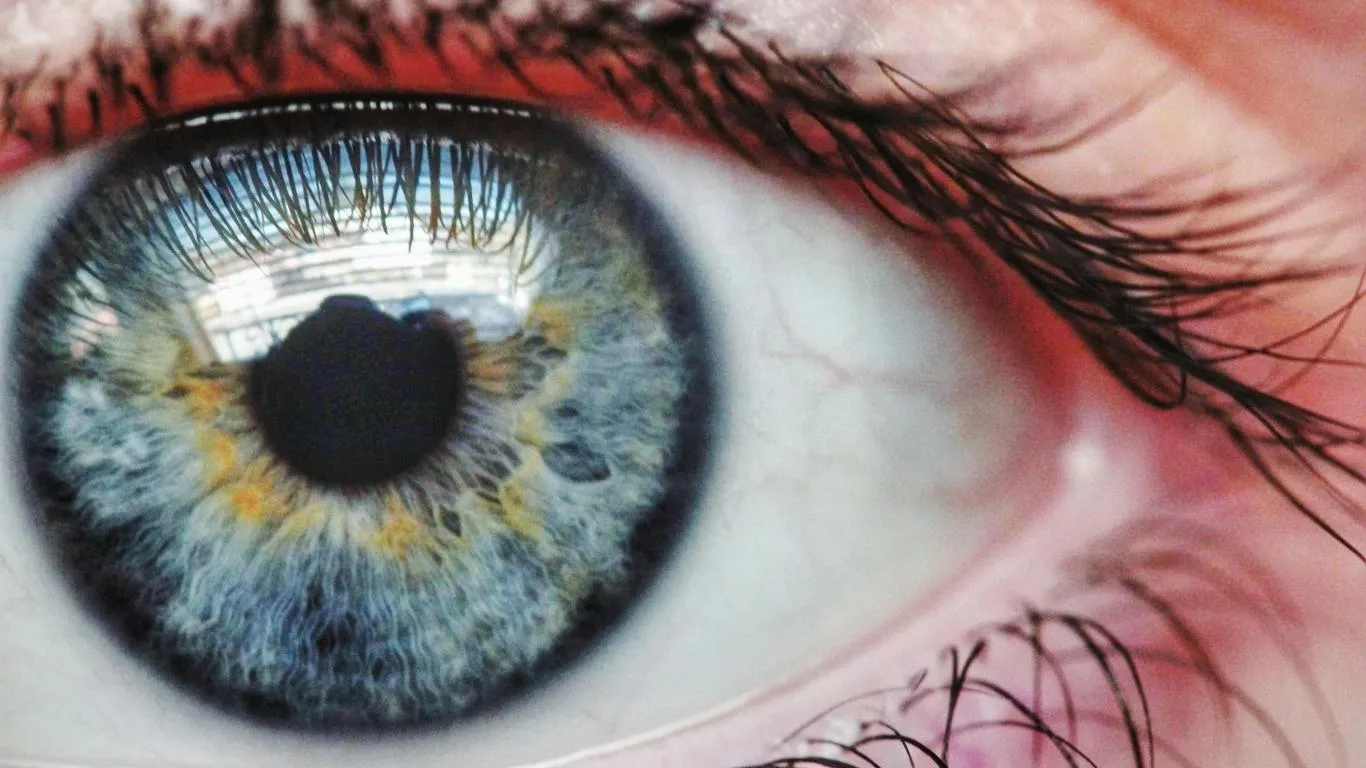
- Adjusting Screen Brightness: A subtle reduction in brightness combined with warmer color tones helps reduce contrast, making floaters less noticeable.
- Frequent Eye Movements: I started making deliberate small eye shifts every few minutes. This quick hack helps “reset” the floaters’ position.
- Hydration Matters: Dehydration tends to thicken the vitreous, making floaters more stubborn. I keep a water bottle within arm’s reach now.
- Break the Gaze Fixation: Every 20 minutes, I glance away from the screen and focus on a distant object. It sounds simple, but it’s remarkably effective.
When Should You Be Concerned?
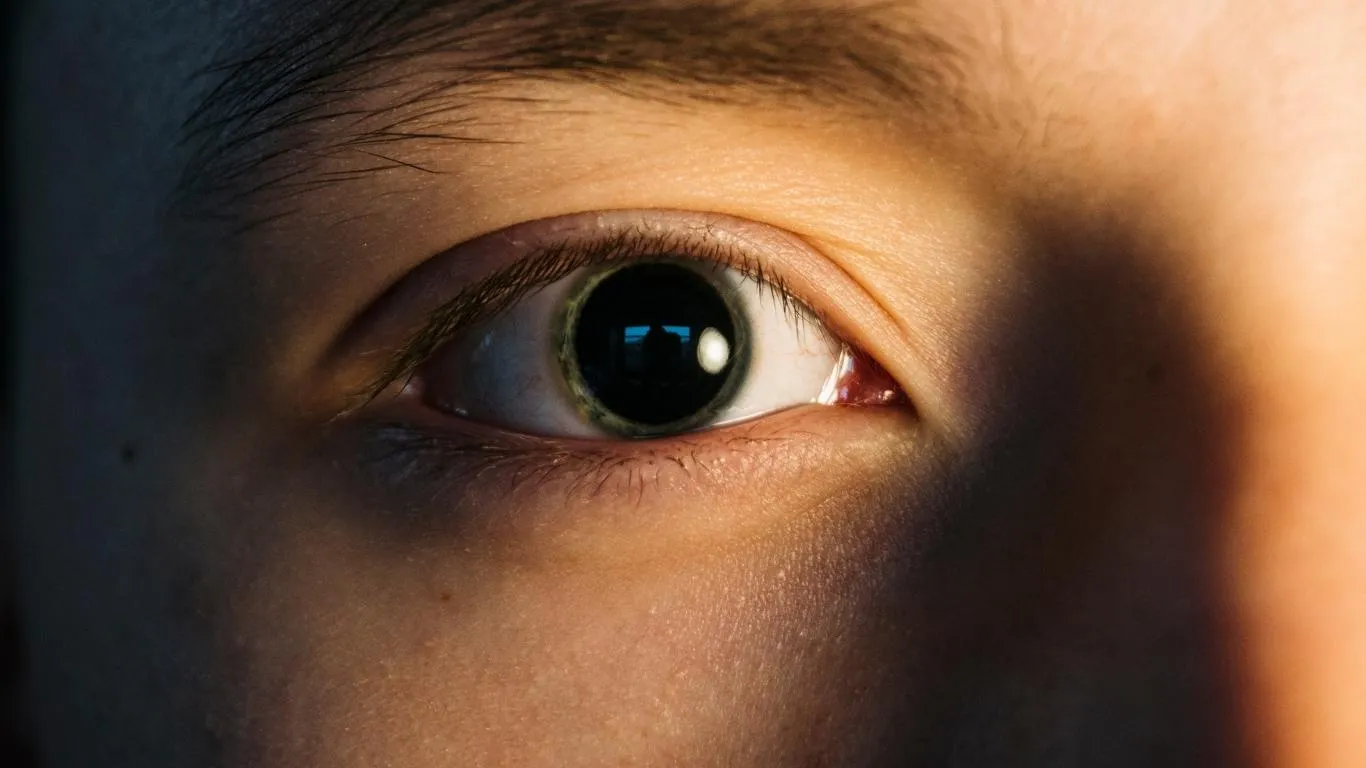
While occasional floaters during deep focus are normal, there are red flags you shouldn’t ignore. Sudden increases in floater numbers, flashes of light, or a dark shadow (curtain-like) in your peripheral vision warrant immediate medical attention. These could indicate a retinal tear or detachment. For more insights on floater dangers, refer to this detailed guide on floater warning signs.
For a comprehensive understanding of how floaters differ from other visual issues, don’t miss this comparison guide. If you’re interested in learning the root causes, visit our main pillar article on eye floaters.
Can Lifestyle Choices Reduce Floater Distractions During Focus?

I used to think floaters were just something I had to live with, but some small lifestyle tweaks have made a surprising difference. It’s not about eliminating floaters — that’s not always possible — but about minimizing their impact, especially during those deep concentration moments when every little distraction feels magnified.
Proper Lighting Setup
One thing that changed my work game was adjusting the lighting around my workspace. Soft, diffused light sources reduce harsh contrasts that make floaters stand out. Overhead LED panels with dimmers are a lifesaver, plus I avoid positioning myself directly against a bright window.
Visual Ergonomics Matter
Keeping my screen at eye level and maintaining a proper viewing distance (about an arm’s length) reduced the strain on my eyes. Ergonomic setups don’t just help with posture but also with how often you notice floaters hovering in your vision.
Don’t Underestimate the Power of Blinking
Sounds silly, but when we’re deep in focus, our blink rate drops. Dry eyes make floaters more noticeable. I set subtle reminders (like a small sticky note) to blink more often. It’s a simple hack that works wonders.
For a more detailed guide on managing floaters caused by prolonged screen time, check out this article on floaters and screen usage.
Stress, Focus, and the Floater Connection

It’s no secret that stress affects our vision. I noticed that during high-pressure deadlines, floaters became more invasive. Turns out, stress can alter intraocular fluid dynamics, making floaters appear more prominent. The tension around eye muscles and prolonged periods of rigid focus only adds to it.
Some research from the American Academy of Ophthalmology even suggests that psychological factors like anxiety can increase our sensitivity to floaters. It’s not that stress creates floaters, but it amplifies our brain’s perception of them.
Mindfulness Techniques to the Rescue
I began incorporating brief mindfulness breaks — literally just 60-second breathing pauses. These tiny resets improved not just my focus but also reduced how much attention my brain paid to those annoying floaters.
When Floaters Start Interfering with Visual Tasks
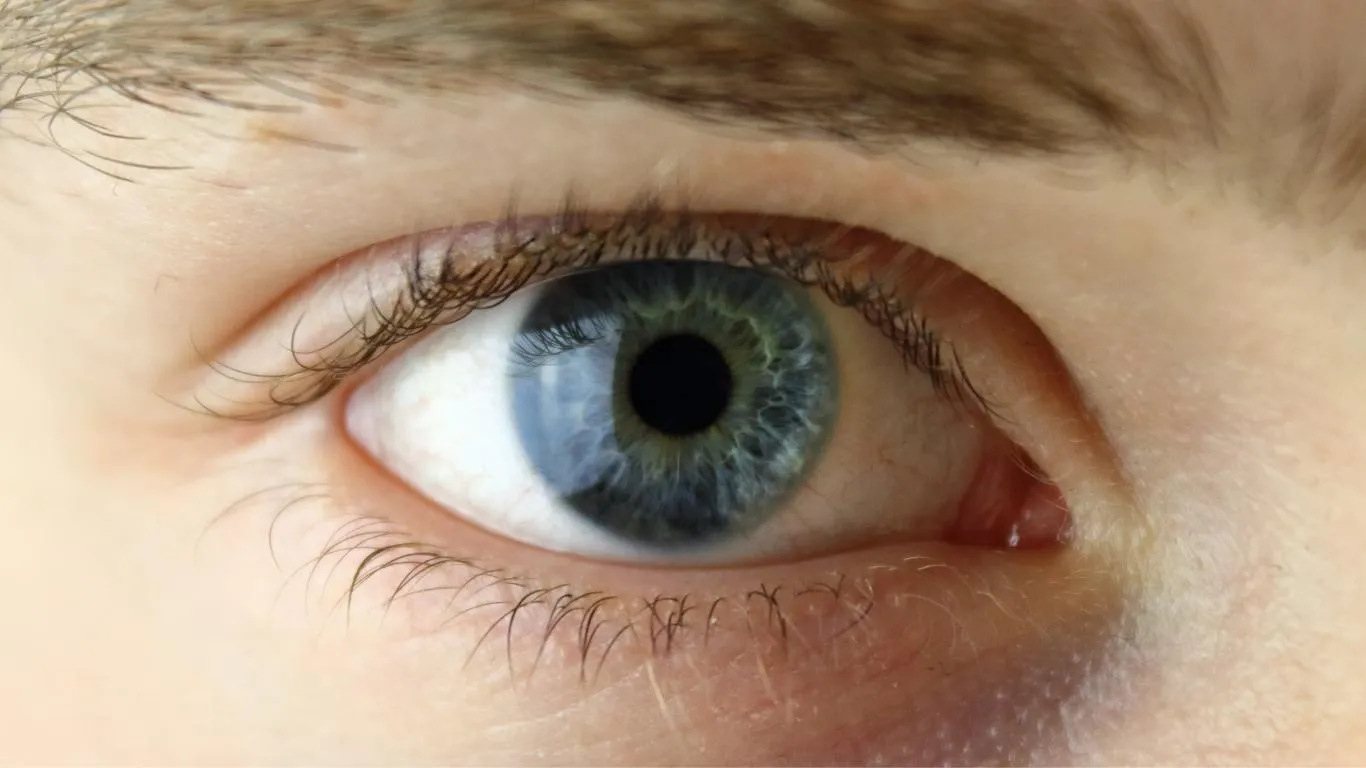
If you’re like me, tasks that require precision — like photo editing, graphic design, or even reading fine prints — make floaters more of a problem. The finer the visual detail, the more those little specks interfere. It’s incredibly frustrating when they align perfectly with the text you’re trying to read or a design element you’re working on.
In such scenarios, I’ve found that briefly changing head positions or using larger screen fonts can minimize the disruption. There’s also an in-depth piece on how floaters affect people with high myopia that you might find helpful: Floaters in high myopia patients.
Medical Options: When Do Floaters Require Intervention?
Most floaters are harmless and just a nuisance. But for some, especially when floaters start severely impacting vision clarity, medical interventions like YAG laser vitreolysis or vitrectomy may be considered. I haven’t personally opted for any procedure yet, but I’ve consulted ophthalmologists about it.
However, surgery is rarely the first step. Observation and non-invasive methods are typically recommended. If you want to explore more about treatment options, you should read this comprehensive guide on eye floater treatments.
Natural Remedies — Do They Actually Help?
Now, let’s talk about the popular topic of natural remedies. I’ve experimented with supplements like Lutein, Omega-3, and Vitamin C. While there’s no miracle pill to eliminate floaters, maintaining overall eye health certainly helps in managing how intrusive they feel.
- Hydration and Diet: Staying hydrated and consuming antioxidant-rich foods made my eyes feel less “floaty” over time.
- Eye Exercises: Gentle eye movements and focusing drills helped reduce fixation on floaters.
- Blue Light Filters: Using blue light blocking glasses lessened visual strain during extended focus periods, which in turn, reduced floater distractions.
For a reality check on natural solutions, here’s a detailed read: Natural remedies for managing eye floaters.
Personal Reflection: Learning to Coexist with Floaters

I’ve come to terms with the fact that floaters may always be part of my visual experience. But with a few adjustments in my routine and workspace, they’ve become more of a background nuisance than a constant source of frustration. It’s a mix of practical hacks, staying informed, and sometimes, just rolling with it.
One last resource I always recommend to friends who start noticing floaters is this must-read article on causes, symptoms, and treatment options for eye floaters. It’s a great starting point for understanding the full picture.

Camellia Wulansari is a dedicated Medical Assistant at a local clinic and a passionate health writer at Healthusias.com. With years of hands-on experience in patient care and a deep interest in preventive medicine, she bridges the gap between clinical knowledge and accessible health information. Camellia specializes in writing about digestive health, chronic conditions like GERD and hypertension, respiratory issues, and autoimmune diseases, aiming to empower readers with practical, easy-to-understand insights. When she’s not assisting patients or writing, you’ll find her enjoying quiet mornings with coffee and a medical journal in hand—or jamming to her favorite metal band, Lamb of God.