Why Floaters Get Worse While Listening to Relaxing Music
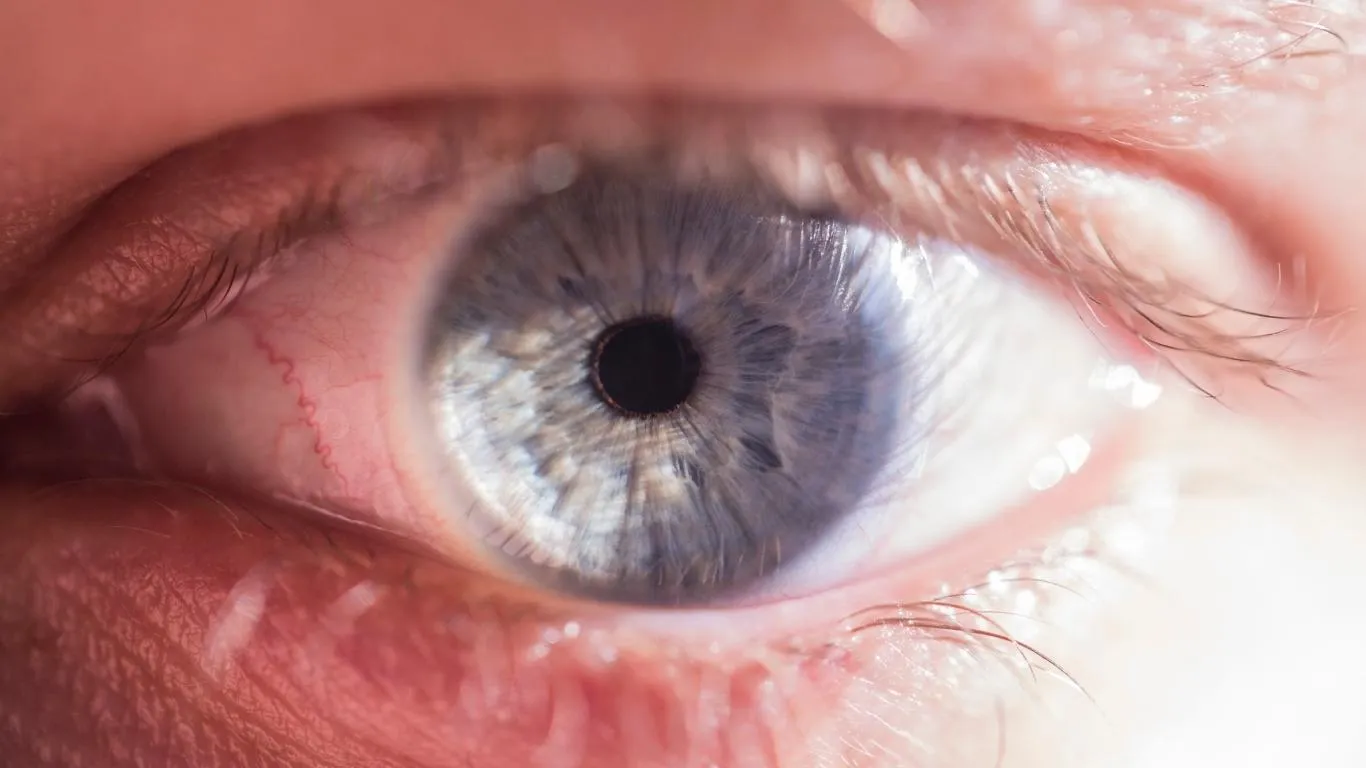
I never thought something as calming as listening to relaxing music could turn into a strange visual experience. There I was, headphones on, drifting into my favorite ambient playlist when—bam!—those little squiggly shadows appeared again. At first, I brushed it off as nothing. But then it kept happening. Every time I tuned into soothing tunes, the floaters danced more vividly across my vision. If you’re like me and started noticing floaters while listening to relaxing music, you’re not imagining it. Let’s dive into why this happens and what it might be telling us about our eyes and our overall health.
Why Do Floaters Become More Noticeable During Relaxing Moments?
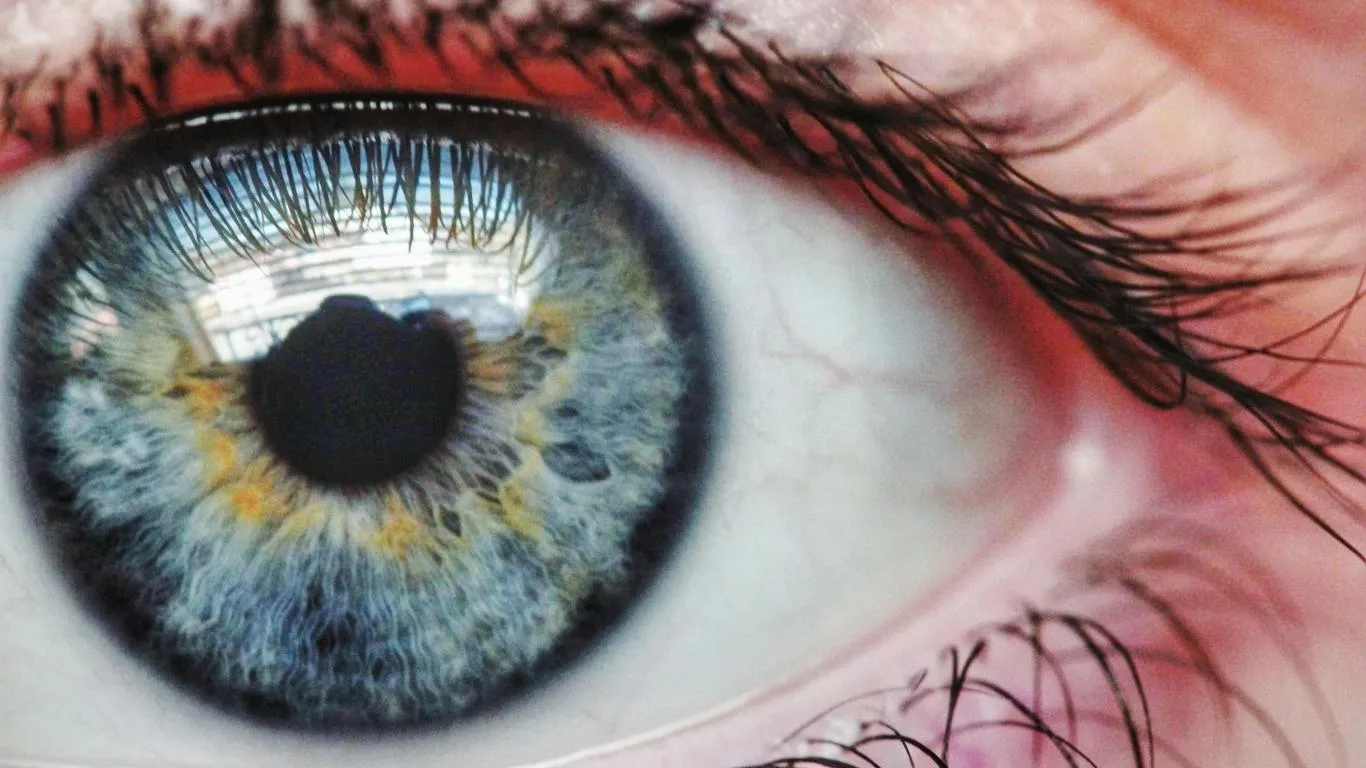
When the body is at rest, especially during activities like meditation or enjoying soft music, your pupils often dilate slightly due to the ambient light conditions and lowered heart rate. Combine that with fewer distractions and more internal focus, and suddenly you start noticing those translucent shapes more than usual. It’s not that the floaters just appeared—it’s that your brain finally has the quiet to pay attention to them.
According to American Academy of Ophthalmology, floaters are often part of the natural aging process of the eye, caused by the liquefaction of the vitreous gel. But certain external conditions, like contrast changes or focusing on uniform surfaces (like ceilings or screens), can make them way more apparent. Music relaxes the mind and narrows attention—so boom, floaters make their entrance.
You’re Not Just Seeing Things—This is Real
One evening, while winding down with some binaural beats in a dark room, I started seeing floaters that looked like drifting ash in a snow globe. No pain, no other symptoms, just those shadows. This led me to explore why they showed up more during relaxing rituals like music sessions. I learned I wasn’t alone—turns out, many people experience increased floater visibility during low-stimulus eye activities.
Is It Just the Music? Or Something Else Going On?
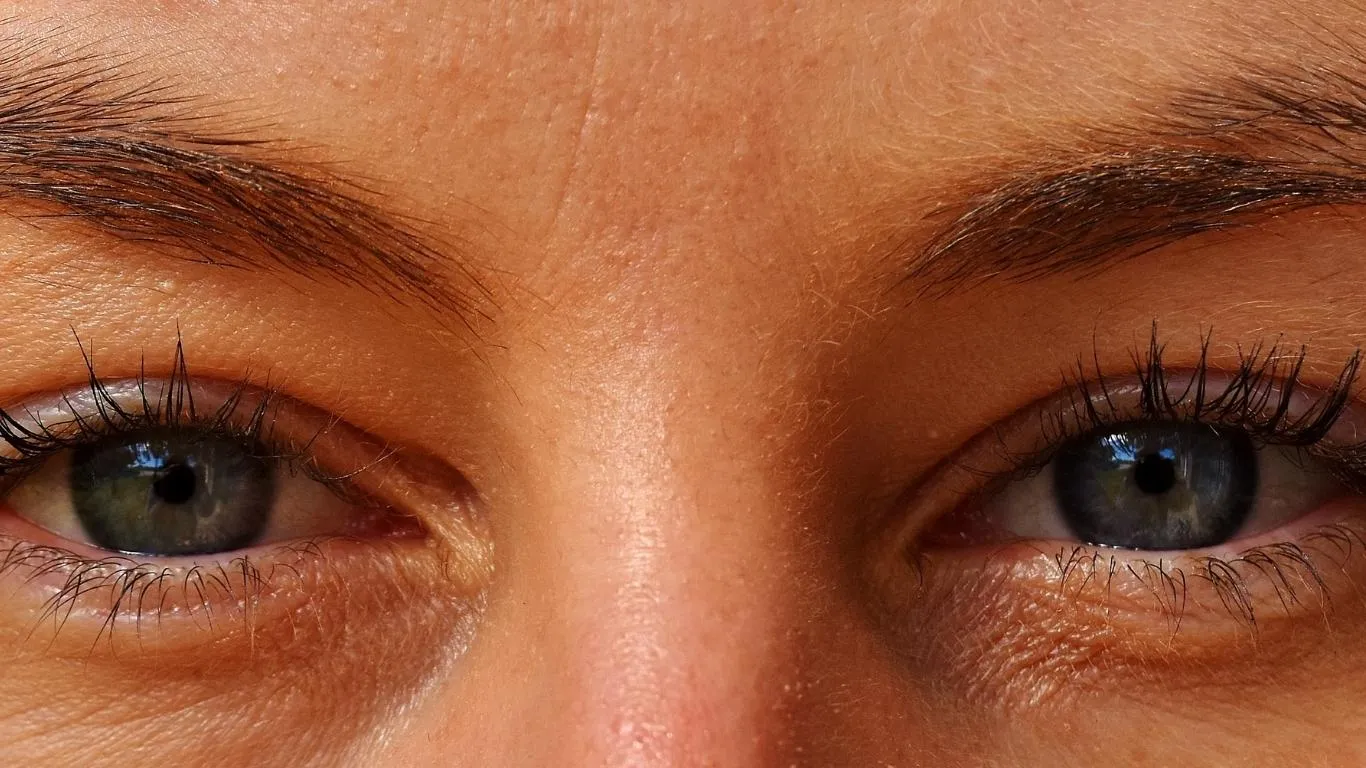
It’s tempting to think floaters popping up during music listening sessions is all in our heads. But music impacts more than mood—it changes the body physiologically. Calming tracks lower your heart rate, reduce muscle tension, and even improve circulation. For those with sensitive vision or underlying eye changes, this can affect how the floaters move or where they appear in your visual field.
Eye Pressure and Circulation
There’s increasing talk in the community about how changes in blood flow and eye pressure might influence floater perception. If relaxing music helps lower systemic blood pressure, it may subtly shift ocular fluid dynamics, making floaters float differently—especially if you’re lying down or in a reclined position. You can learn more in this eye-opening post on how breathing and relaxation affect floater activity.
Could Your Mind Be Making Them Worse?
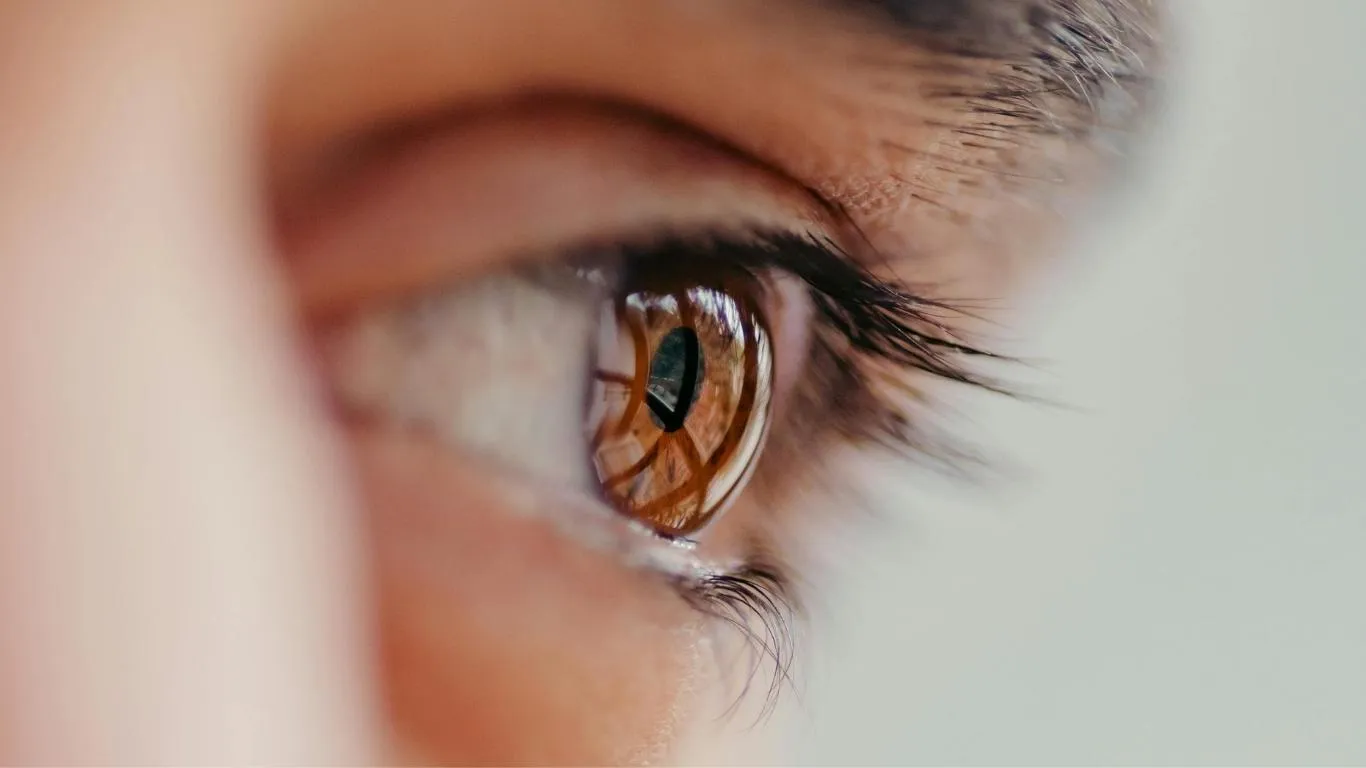
The brain plays a huge role in how we perceive floaters. When distracted by conversation or visual clutter, we tune them out. But give yourself silence, dim lighting, and melodic tones—and suddenly those ghostly strands become impossible to ignore. In fact, people with anxiety often report more intense floater experiences when they slow down. See this link that dives into how floaters can be triggered by mental exhaustion.
It’s not just perception. It’s brain-driven amplification. When you’re relaxed and your visual input is limited, your brain may become more sensitive to minor visual disturbances. That’s exactly what floaters are: microshadows cast on your retina by bits of collagen or vitreous gel. Now, throw in a deep focus state—like when music transports you—and your brain turns the volume up on those floaters.
Environmental Triggers: Lighting and Background
Music often sets the stage for mood lighting—dim lamps, candles, soft LED strips. Ironically, these setups can highlight floaters more than bright sunlight. When you’re staring at a monotone background like a beige ceiling or even just the inside of your eyelids during meditation, it gives floaters the perfect stage to show off. It’s like visual static on a blank screen. Check out this post on why floaters feel worse under ambient lighting.
So, Should You Be Worried?
Not necessarily. If they’re consistent in size and not accompanied by light flashes or sudden vision loss, floaters are usually benign. But they can indicate changes in the vitreous or retina. Especially if you’re over 40, it’s worth knowing the signs that floaters might mean something serious. Some floaters can be early signs of posterior vitreous detachment or even a retinal tear.
When Floaters Shift With Sound and Posture
Believe it or not, some people report floaters shifting or becoming more active with certain sounds—especially low frequency tones. Bass vibrations might stimulate eye movement or subtle head tilts, both of which can change how floaters appear. Combine this with lying back on a pillow or sofa, and your eye fluid shifts enough to make floaters more visible. I’ve even had this happen during sound bath sessions—talk about breaking the calm!
Weirdly enough, this may also tie into how floaters behave post-exercise or even post-coughing. Learn more from this detailed article on how floaters react after sudden bodily strain.
What You Can Do Without Ruining Your Music Vibe
- Use ambient light smartly: Soft, indirect lighting minimizes contrast that makes floaters stand out.
- Adjust head position: Elevate slightly or change the angle to move floaters out of your central view.
- Hydrate well: Dehydration can thicken vitreous fluid, making floaters more prominent. Keep a bottle nearby.
- Don’t hyperfocus: Let your eyes gently defocus or shift gaze periodically to minimize awareness of floaters.
For a deeper look into floater treatments, from laser options to vitrectomy, check out this thorough guide on eye floater treatments and explore the broader main resource on floaters causes and care as well.
So now you know—those mysterious shadows that float across your vision while you’re listening to calming music aren’t just your imagination. But what happens when they start showing up more often, or worse, getting in the way of that peaceful moment you were craving? That’s what really got to me. What started as a curious annoyance became something I couldn’t ignore. If you’ve reached that point too, let’s talk about what else might be going on and what you can do about it—without ditching your favorite playlists.
What If Floaters Keep Getting Worse During Music or Stillness?

If floaters seem to increase or become more distracting during those moments of calm, it might be time to rule out some less benign causes. While floaters themselves are usually harmless, their behavior—especially sudden changes—can sometimes point to more serious eye conditions. I had a friend who noticed his floaters got way more intense when listening to classical music in a dark room. Turns out, it wasn’t the music at all, but an early stage of posterior vitreous detachment.
It’s not a bad idea to schedule an eye exam if:
- You suddenly notice a dramatic increase in floaters
- They’re accompanied by flashes of light
- You see a shadow or curtain in your peripheral vision
These could be early signs of a retinal tear or detachment, both of which need quick attention. According to Mayo Clinic, catching these conditions early can prevent permanent vision loss. So don’t just vibe it out—get those eyes checked.
Floaters and Your Nervous System: An Underrated Link
Let’s not overlook what’s happening under the hood. Listening to relaxing music triggers your parasympathetic nervous system—the one that helps you rest, digest, and heal. While this calms your heartbeat and eases stress, it also shifts your sensory focus inward. You become more aware of your body…and your vision. If you’ve ever noticed floaters becoming more noticeable during deep breathing, meditation, or even just closing your eyes to listen, you’re experiencing this shift in sensory processing.
It’s fascinating (and a little frustrating) that our calmest moments can ironically become when floaters scream the loudest. You can explore that more in this insightful piece on how floaters show up during meditation.
Floaters That Dance to the Beat?
Sound vibration might not seem related to vision, but for some people, the connection is weirdly real. I’ve heard stories (and experienced this myself) where floaters seemed to *move* with bass drops or low-frequency sounds. It could be coincidence… or maybe not. Some theories suggest that vibrations subtly affect the gel-like consistency of the vitreous humor in the eye. Combine that with any slight body or head movements, and those floaters start swaying right along with the music.
Simple Hacks I Use to Reduce Distractions Without Killing the Vibe

Over time, I’ve learned to make peace with my floaters, especially when I just want to unwind. Here are a few things I do that actually help:
- Keep your gaze moving. Try slow eye movements during music listening—side to side, gentle circles. It keeps floaters from settling dead center in your vision.
- Light balance matters. Avoid total darkness. A small, warm-hued lamp can reduce visual contrast and make floaters less obvious.
- Elevate your head. When lying down, a slight incline helps reposition floaters away from the center of vision. A wedge pillow is a game-changer.
- Take eye breaks. Every 10–15 minutes, shift your focus to an object far away or gently blink and stretch your eyelids. It’s like a palate cleanser for your eyes.
For a deeper dive into how lifestyle adjustments can ease floater discomfort, check out this piece on post-infection floater relief strategies. Even if you haven’t had an eye infection, the tips are surprisingly helpful.
When Music, Sleep, and Vision Collide
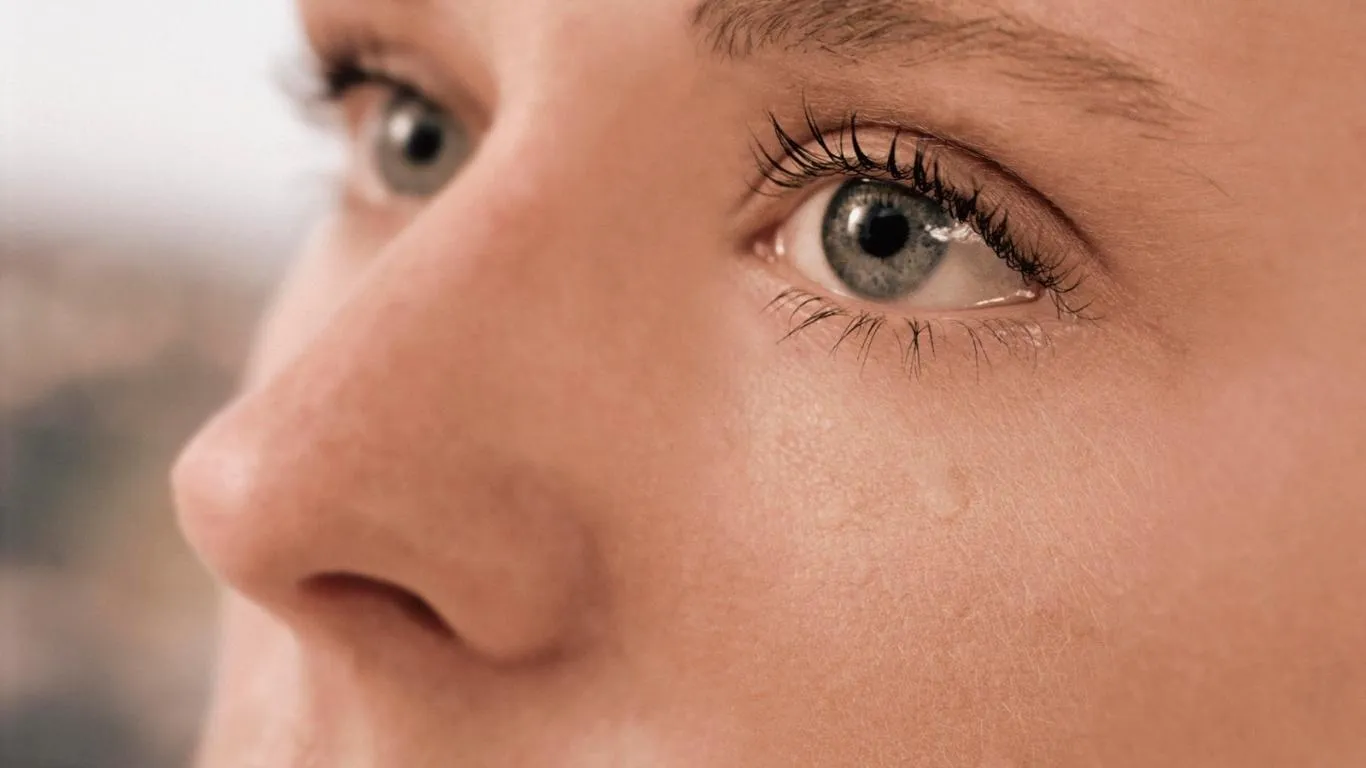
This one surprised me. I started noticing my floaters were more annoying not just during relaxing music, but also when I was sleep-deprived. That made me wonder—is there a sleep component to this? Turns out, sleep can have a major effect on floater intensity. Lack of rest affects how your brain filters sensory input. So if you’re low on sleep, your brain may amplify visual noise—including floaters. Add music into the mix, especially right before bed, and it creates a perfect storm for noticing those little floaty annoyances.
So What Should You Do?
If floaters are hijacking your zen, don’t panic—but do get informed. Keep track of when and how they show up. If your relaxing playlist seems to bring them out, don’t give up your music habit. Just tweak your environment and posture. Floaters are often manageable with small changes, especially when they’re not a symptom of something more serious.
But also—don’t ignore your gut. If something feels off, schedule a quick eye checkup. That one appointment could ease your mind and protect your sight long term. For more clarity (pun intended) on how floaters differ from other conditions, read up on this guide to floaters versus other visual issues.
And if you want to take a broader look at what causes floaters, check out the comprehensive overview on eye floater causes, symptoms, and treatments.

Camellia Wulansari is a dedicated Medical Assistant at a local clinic and a passionate health writer at Healthusias.com. With years of hands-on experience in patient care and a deep interest in preventive medicine, she bridges the gap between clinical knowledge and accessible health information. Camellia specializes in writing about digestive health, chronic conditions like GERD and hypertension, respiratory issues, and autoimmune diseases, aiming to empower readers with practical, easy-to-understand insights. When she’s not assisting patients or writing, you’ll find her enjoying quiet mornings with coffee and a medical journal in hand—or jamming to her favorite metal band, Lamb of God.