Why Floaters Appear When Petting Animals In Dimly Lit Rooms
Ever found yourself petting your cat or dog in a dimly lit room and suddenly noticing those annoying little specks or cobweb-like lines floating across your vision? You’re not alone. I used to think my glasses were dirty or that there was dust in the air. Turns out, those pesky floaters are something a lot of people experience, especially when you’re in a soft, ambient environment like dim rooms where contrast makes them more visible. Let’s talk about why this happens, what’s really going on inside our eyes, and why it’s more common during those relaxing pet cuddles.
Why Floaters Stand Out When You’re Petting Animals in Dim Light
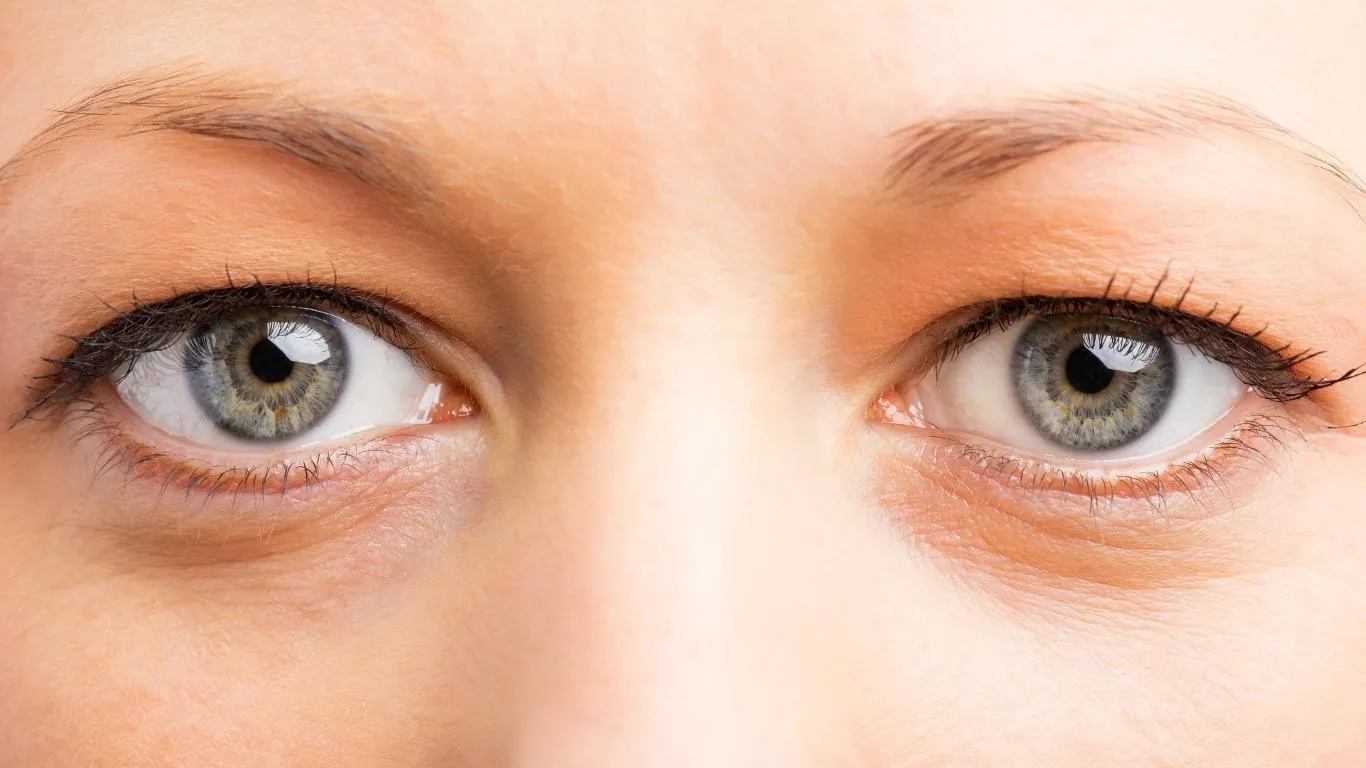
Floaters are tiny bits of collagen or cellular debris that float in the vitreous — that jelly-like substance inside your eyeball. Under normal lighting, they’re less noticeable. But when you’re chilling in a dim room, stroking your pet, your pupils dilate to let in more light, which enhances the contrast between the floater and the background. Essentially, you’re giving them the perfect stage to perform their little dance.
Many people assume floaters are a sign of vision deterioration, but in most cases, they’re just a natural part of aging or vitreous changes. However, certain conditions make them pop up more frequently during specific activities — like petting animals in low light settings.
My Personal Experience: The “Petting My Dog and Seeing Floaters” Moment
I’ll be honest; the first time I noticed floaters while lying on my couch with my Labrador under a dim lamp, I thought there was a bug flying around. After swatting the air like a lunatic, I realized it was happening inside my eye. The stillness of the environment, combined with focusing on a solid-colored background (like a beige couch or a soft-lit wall), created a perfect scenario to see floaters in high definition.
It was a subtle reminder to get an eye check-up. But my ophthalmologist assured me that occasional floaters are typically harmless — unless accompanied by sudden flashes or vision loss.
What Makes Floaters More Noticeable in Dim Rooms?
1. Pupil Dilation Amplifies Contrast
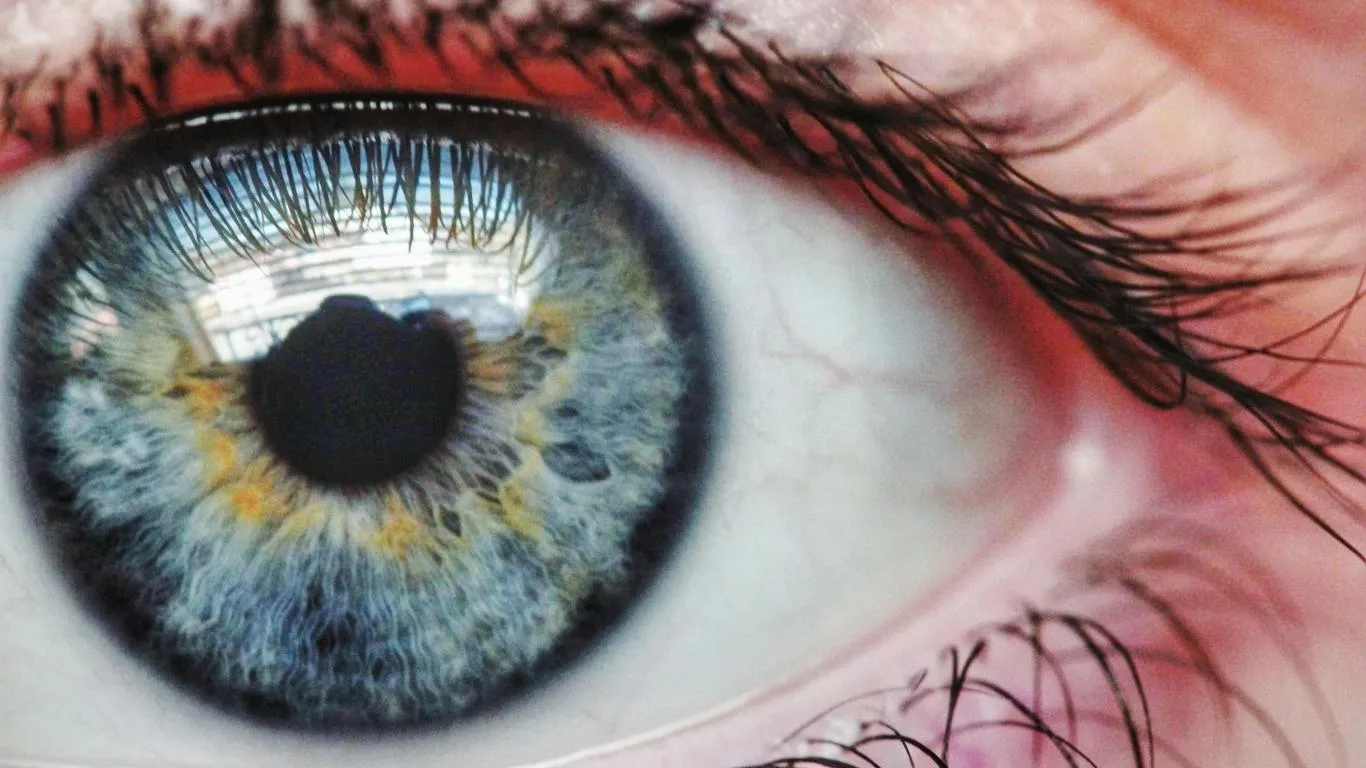
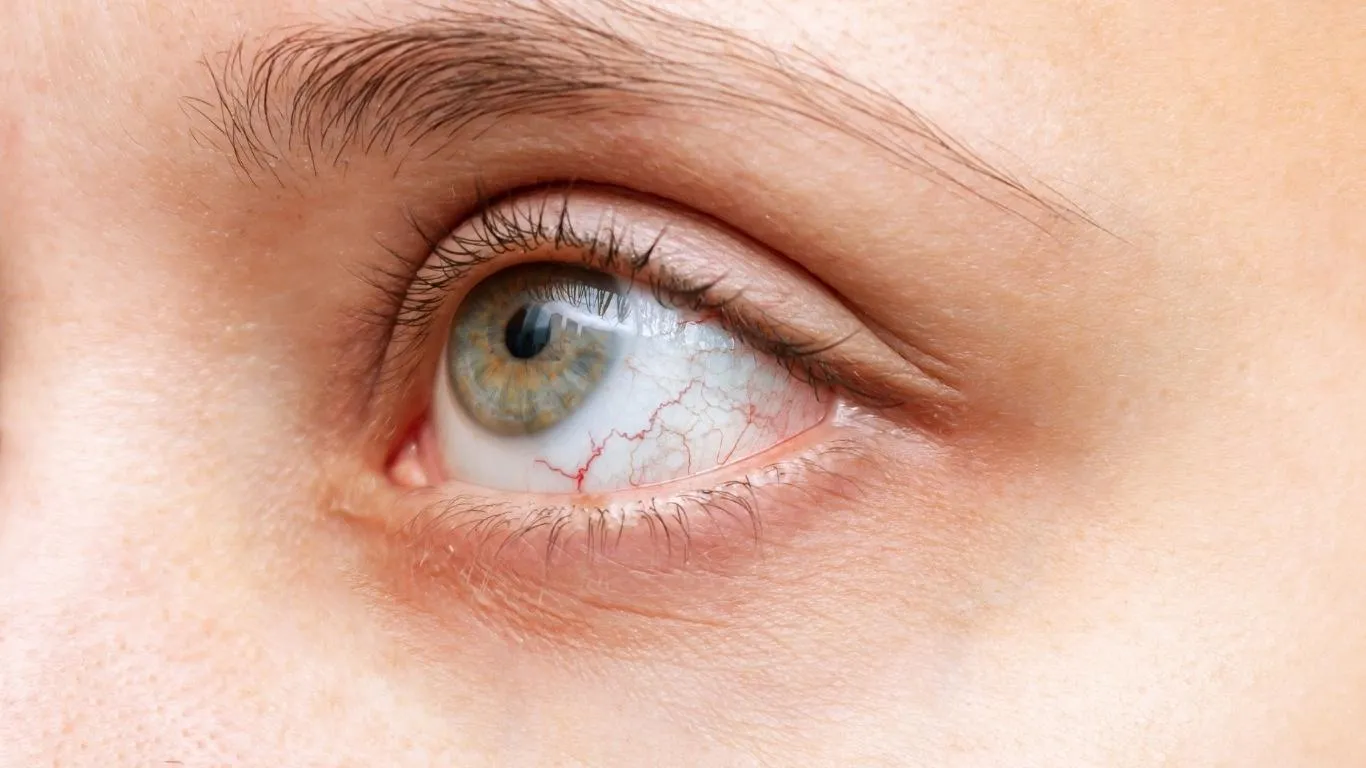
Dim rooms cause your pupils to widen, allowing more light in. This makes the floating debris in your vitreous cast bigger shadows on your retina. Hence, they’re not increasing in number — you’re just noticing them more because of the lighting conditions.
2. Static Visual Backgrounds
Petting your furry friend often involves staring at a uniform surface — a couch, a rug, or even their fur. These non-distracting backgrounds make it easier for your eyes to catch the subtle movements of floaters.
3. Decreased Eye Movement
When you’re in relaxation mode, your eyes aren’t darting around. This stillness allows floaters to “settle” in your field of vision, making them more apparent. Interestingly, I noticed that when I’m playing with my dog in bright daylight, those floaters seem to vanish. But the moment we’re chilling under a soft lamp, there they are again.
Are Floaters While Petting Animals a Sign of a Bigger Problem?
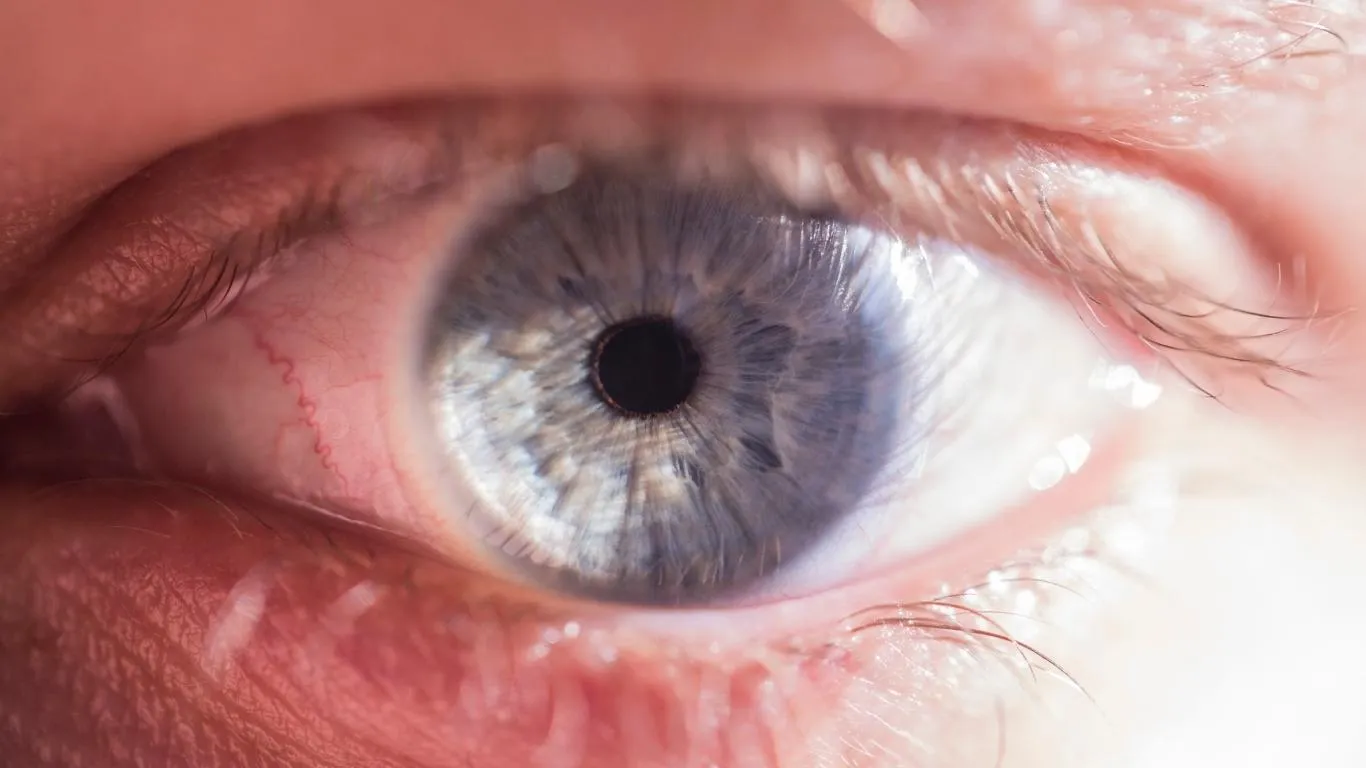
Most of the time, the answer is no. But it’s always a good idea to know when floaters cross the line from being a harmless annoyance to a potential warning sign. According to experts, sudden bursts of floaters, especially if accompanied by light flashes or a shadow curtain over your vision, could signal retinal detachment. You can learn more about these warning signs in this detailed eye floaters danger guide.
Additionally, certain health conditions like high myopia or recent eye injuries can make you more prone to noticing floaters during specific activities. One of the more surprising causes? Dehydration. Yep, I didn’t believe it either until I stumbled upon an article discussing how dehydration impacts eye floaters.
How to Reduce Floater Visibility During Cozy Pet Cuddles
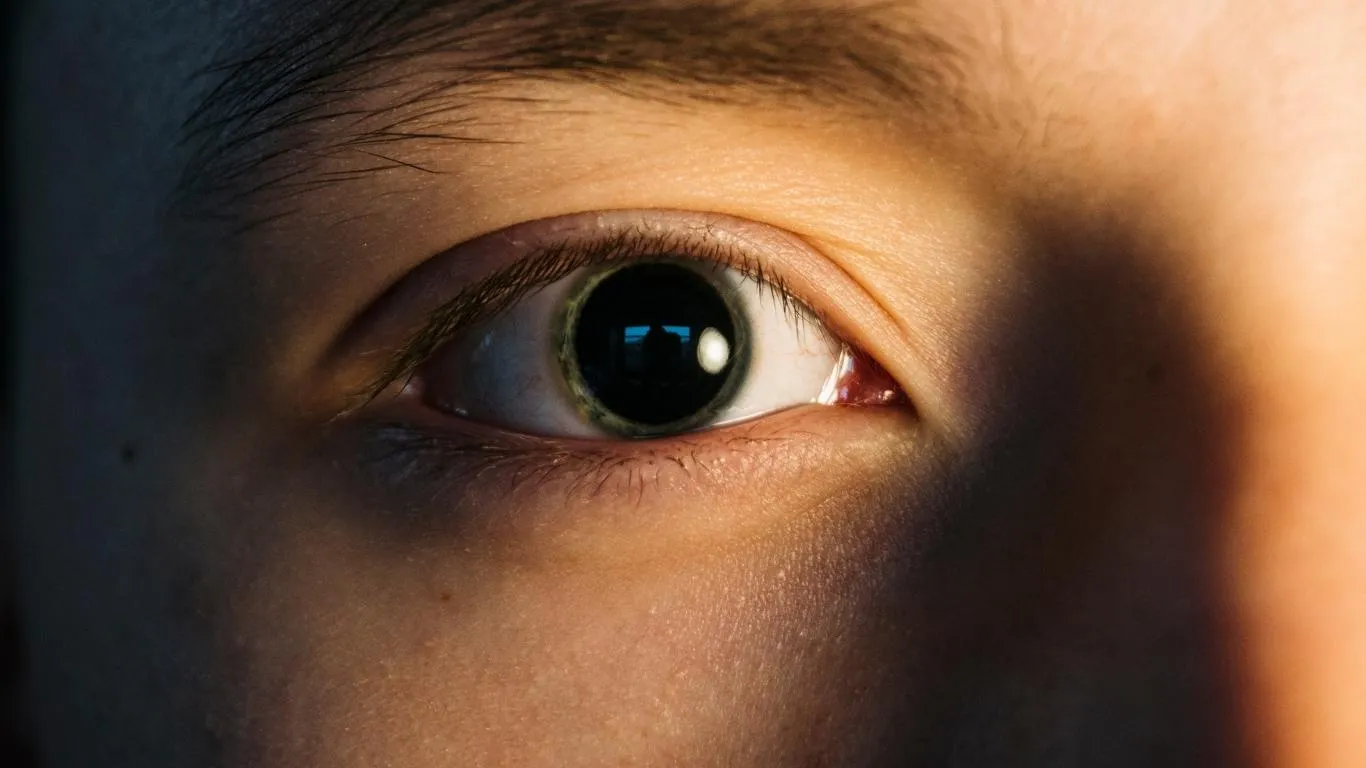
- Blink Frequently: Blinking helps shift floaters out of your central vision. I make it a habit to blink more often when I notice them appearing.
- Adjust the Lighting: Use ambient lighting that’s not too dim but also not harsh. A soft warm light minimizes sharp contrasts that highlight floaters.
- Stay Hydrated: Believe it or not, keeping your body hydrated helps maintain the vitreous consistency. More info on this in the hydration and floaters guide.
- Focus Your Eyes Differently: Sometimes, shifting your focus point (e.g., looking slightly above or to the side) can push floaters out of the main line of sight.
When to Get Professional Help
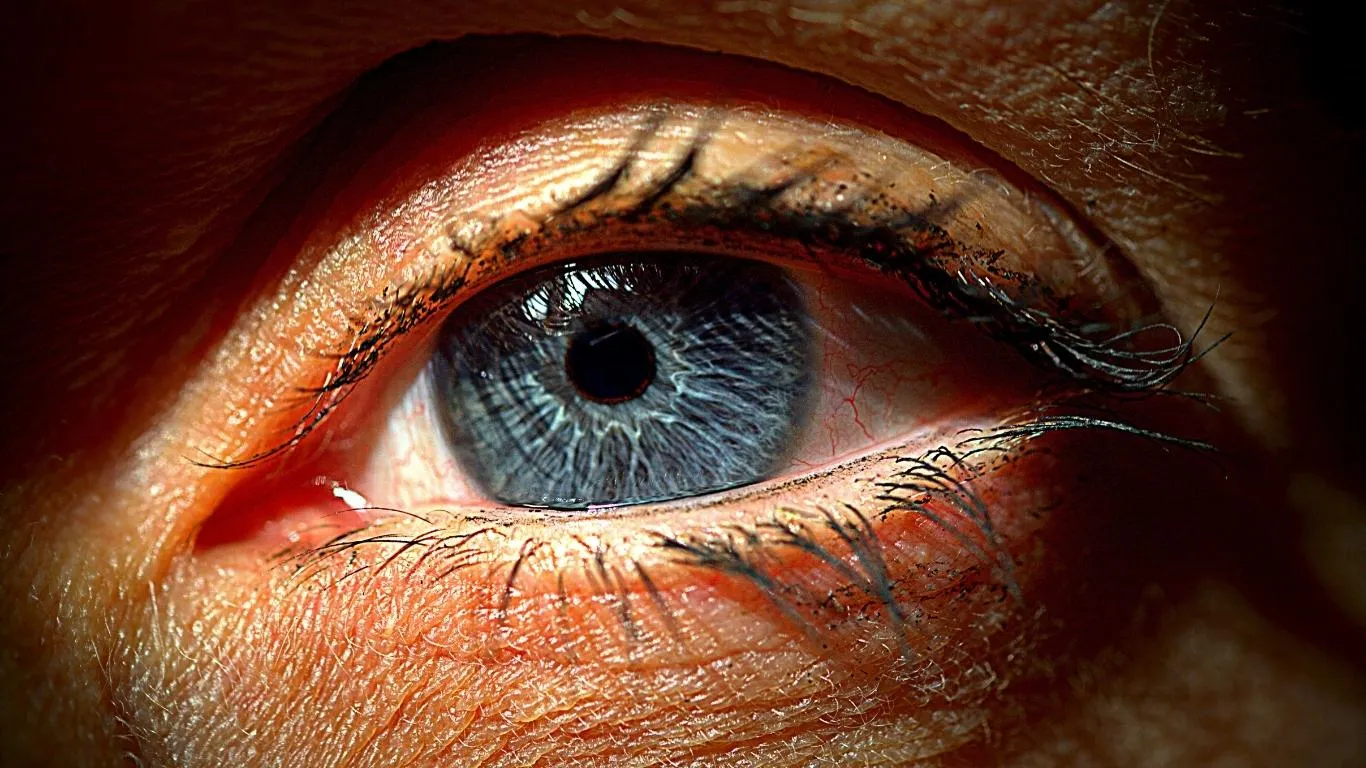
If your floaters are persistent, increasing, or accompanied by flashes of light, it’s time to schedule an eye exam. Floaters can sometimes be early signs of retinal issues, and early intervention is key. You can explore treatment options ranging from observation to surgery in this comprehensive eye floater treatments guide.
For a more holistic overview of eye floaters, including their causes, symptoms, and when they’re a cause for concern, visit our main pillar resource here: Eye Floaters Main Guide.
Can Petting Techniques or Animal Fur Types Affect Floater Visibility?
Funny story — I once thought my Persian cat’s fluffy white fur was creating visual distractions, only to realize it was my floaters making a grand appearance. It got me wondering, could the texture or color of pet fur amplify floater visibility?
Turns out, the answer is yes. Here’s why:
- Light-colored fur reflects ambient lighting in dim rooms, providing a contrasting canvas that makes floaters stand out.
- Slow petting motions can reduce eye movements, giving floaters more time to drift into your central vision.
- Focusing intently on pet grooming details — like spotting loose fur or dirt — sharpens your visual attention, inadvertently making floaters more noticeable.
In comparison, playing with darker-colored pets or engaging in brisk petting motions tends to minimize the visual contrast, making floaters less prominent. That said, once you’re aware of floaters, it’s hard to “unsee” them in those calm moments.
Natural Methods People Swear By (But Do They Really Work?)
I’ve seen countless threads online with people recommending home remedies to reduce floaters. Here’s a breakdown of some popular methods — and my personal take on them:
- Eye Rolling Exercises: Slowly rotating your eyes in circular motions can shift floaters out of your direct line of sight. I’ve tried this while lounging with my dog, and it does give temporary relief.
- Natural Supplements: Some suggest supplements like Lutein and Omega-3s for vitreous health. While I can’t claim immediate results, there’s supporting science behind these nutrients improving overall eye wellness. You can read more about it in the Eye Floaters Supplements Guide.
- Hydration & Diet Adjustments: Increasing water intake and avoiding excessive caffeine seem simple, but they genuinely help me experience fewer “floater attacks” during those quiet petting moments.
Though none of these methods “cure” floaters, they’ve definitely made my daily life easier. The key is consistency and managing expectations.
Understanding When Floaters Are a Symptom of Something Else
One thing I wish more people understood — floaters can sometimes be an early sign of underlying conditions. For instance, floaters that suddenly increase in number, especially after head injuries, could be more than just an annoyance. I recently read about how head trauma is linked to sudden floater onset.
Similarly, if you’re diabetic or have autoimmune disorders, floaters appearing during petting sessions in dim rooms shouldn’t be brushed off as coincidence. An article that opened my eyes (pun intended) was this one on Diabetes-related floaters, which explains the connection quite well.
Monitoring changes and being proactive is the safest bet. Even if floaters are benign, regular check-ups ensure you’re not missing something more serious.
Tech Tools & Tricks to Minimize Floater Distractions
While there’s no magic tech to make floaters disappear (yet), here are some tweaks that genuinely helped me:
- Smart Lighting: Using smart bulbs to adjust light warmth and brightness dynamically during evening petting sessions significantly reduces floater contrast. Avoid direct overhead lighting — go for diffused, ambient sources.
- Blue Light Filters: Surprisingly, using glasses with blue light filters not only reduces screen strain but also softens floater visibility during casual scrolling sessions in low light. Here’s more on how computer glasses help with floaters.
- Mindful Focus Shifts: Training myself to focus slightly ahead or beyond my pet (instead of directly at their fur) helps floaters move out of my immediate focus zone. It’s a subtle trick, but with practice, it becomes second nature.
When Floaters Interrupt Quality Time with Pets
I get it — you’re trying to enjoy a calm moment with your cat or dog, and these floaters are turning it into a frustrating experience. If floaters are starting to interfere with your relaxation or are causing anxiety, it’s worth exploring professional treatments. Options like laser vitreolysis or vitrectomy are available for severe cases, though they’re not without risks.
Before considering surgical routes, it’s essential to understand all treatment avenues. I highly recommend this in-depth guide on treatment options for floaters — it breaks down pros, cons, and realistic expectations.
Maintaining Eye Health to Keep Floaters in Check
Let’s be honest, floaters won’t magically vanish. But maintaining overall eye health can prevent them from worsening. Here are some everyday habits that made a difference in my life:
- Balanced Diet: Incorporating more leafy greens, citrus fruits, and Omega-3-rich foods (like salmon and chia seeds) has been game-changing.
- Staying Active: Moderate exercises improve blood circulation, supporting vitreous health and reducing floater perception. I noticed floaters being less bothersome on days I stay active.
- Stress Management: Believe it or not, stress can amplify how you perceive floaters. Practicing mindfulness and relaxation techniques during petting sessions helps me stay present without fixating on the floaters.
For those who want to dive deeper into lifestyle approaches, this natural management strategies article is a must-read.
Final Word: Embracing Floaters Without Letting Them Steal the Moment
At the end of the day, floaters while petting animals in dim rooms might be annoying, but they don’t have to ruin your experience. I’ve come to accept them as part of my “visual background noise.” With the right mindset, environment adjustments, and a proactive approach to eye health, those quiet moments with your furry companions remain as special as ever.
If you’re new to the world of eye floaters and want a solid understanding of causes, symptoms, and treatment, check out this ultimate guide to eye floaters. It’s a comprehensive resource I wish I had found earlier in my floater journey.

Camellia Wulansari is a dedicated Medical Assistant at a local clinic and a passionate health writer at Healthusias.com. With years of hands-on experience in patient care and a deep interest in preventive medicine, she bridges the gap between clinical knowledge and accessible health information. Camellia specializes in writing about digestive health, chronic conditions like GERD and hypertension, respiratory issues, and autoimmune diseases, aiming to empower readers with practical, easy-to-understand insights. When she’s not assisting patients or writing, you’ll find her enjoying quiet mornings with coffee and a medical journal in hand—or jamming to her favorite metal band, Lamb of God.