How Floaters While Playing Sports in Sunlight Can Disrupt Vision
It happened to me last summer, mid-game on the basketball court, staring up to catch a rebound. Suddenly, there it was—a tiny, squiggly shadow drifting across my vision. At first, I thought it was dust or maybe something on my contact lens. But as the game went on, I kept seeing it. Every time I looked toward the sun or sky, it danced into view like a mosquito that wouldn’t land. That was my introduction to eye floaters—and I had no idea how common they were, especially when playing sports under bright sunlight.
Why Do Floaters Appear During Sports in Bright Sunlight?
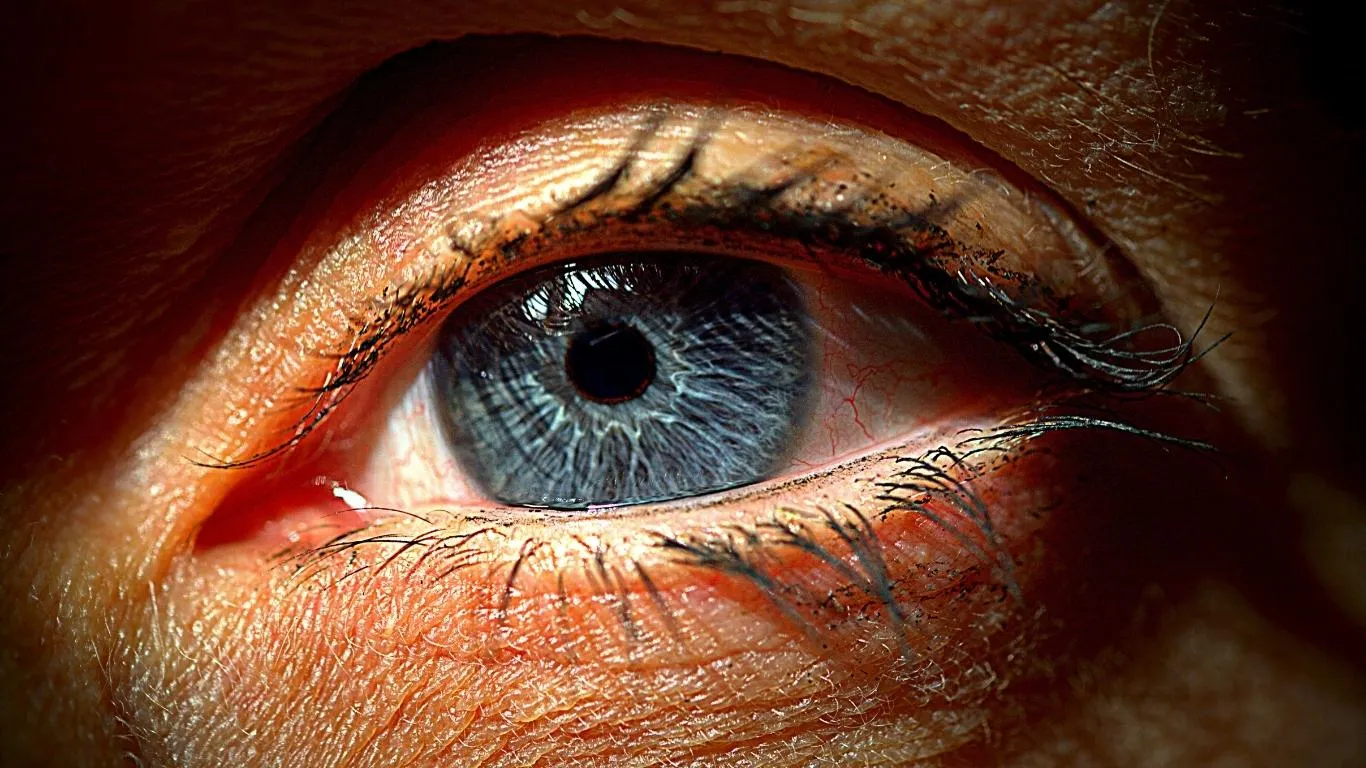
Floaters are tiny specks or thread-like strands that float around in your field of vision. While they might seem external, they’re actually inside your eye, drifting within the vitreous gel that fills it. During sports—especially in sunlight—your eyes are more likely to pick them up because of high contrast between the bright sky and the floaters.
The Contrast Effect
Ever noticed how floaters are more obvious when you look at the sky or a white wall? That’s because they cast a subtle shadow on your retina. During outdoor sports, this contrast becomes even more extreme. The bright environment makes these translucent threads far more visible than they would be indoors.
Increased Eye Movement
When you’re running, shifting focus quickly, or following a fast-moving ball, your eyes are constantly adjusting. This rapid motion makes floaters more likely to enter your line of sight, especially if you already have them. For many athletes and active individuals, this can feel like an annoying distraction that affects performance and focus.
Who Is Most at Risk of Experiencing This?
While floaters can show up at any age, some groups are more prone to seeing them during sports activities:
- People over 40: Natural aging causes vitreous shrinkage, making floaters more common.
- High myopes: Nearsighted people often have more floaters due to the shape of their eyes.
- Outdoor athletes: Sun exposure and rapid eye motion both contribute to increased floater visibility.
- People post eye trauma: Even mild trauma, like a ball hitting your eye, can trigger floater development. Read more on eye floaters after sports injuries.
Is It Dangerous or Just Annoying?
In most cases, floaters are completely harmless—just a byproduct of aging or normal changes in the vitreous. But when you’re mid-game and trying to focus, they can feel like a real visual interference. That said, sudden bursts of floaters—especially if accompanied by flashes of light—can be a red flag. It might indicate a retinal tear or more serious issue.
I once ignored a sudden “shower” of floaters after a rough volleyball dive, thinking it was nothing. A friend later had the same symptom and ended up needing emergency laser treatment. Not saying this to scare anyone, but if floaters appear out of nowhere and increase fast, don’t wait—get checked.
Common Misconceptions About Floaters and Outdoor Sports
- “They’re caused by dirt or sweat in my eye.”
Nope. While sweat can sting, floaters originate deep within the eye—not on its surface. - “If I blink enough, they’ll go away.”
Wish it were that easy. Blinking may shift your field of vision slightly, but floaters won’t disappear unless they naturally sink below your line of sight. - “Only older people get them.”
Not true. Even younger athletes can get floaters, especially if they’re nearsighted or have experienced any eye inflammation. This guide on eye floaters in young adults is worth reading.
What Can Make Floaters Worse When You’re Active Outside?
Several factors can intensify the floater experience while you’re playing sports in sunlight:
- Dehydration: A lack of fluids can affect vitreous consistency. See: does dehydration make floaters worse.
- Sunlight sensitivity: UV light doesn’t cause floaters directly, but it makes them easier to notice.
- Eye strain: Playing without proper eye protection or with poorly corrected vision increases awareness of floaters.
If you’re someone who plays a lot of sports outdoors and keeps noticing floaters popping up, consider reading this comparison between floaters and other eye issues. It helped me realize I wasn’t dealing with dry eyes or allergy spots—it was all floaters.
What Should You Actually Do About It?
You don’t have to quit playing tennis or soccer just because of floaters. But here’s what’s helped me:
- Wear polarized sunglasses: Reduces glare and makes floaters less visible.
- Stay hydrated: Your eyes, like the rest of your body, perform better with good hydration.
- Track your symptoms: I log floaters when they change in size or frequency—it’s helpful during eye checkups. Here’s how to track changes in floaters.
Also, understanding when floaters are harmless and when they’re not is key. This guide on serious floaters symptoms was a game changer for me (pun intended).
For a complete overview of causes, prevention, and treatment options, I highly recommend this main article on eye floaters and the in-depth resource on eye floater treatments. Both are packed with solid medical info from reputable sources.
Should You Stop Playing Sports If You Have Floaters?
Short answer? Nope, you absolutely don’t have to stop. I still play soccer and volleyball a few times a week. The key is understanding how to manage floaters—not fear them. Unless they’re accompanied by other warning signs, they’re just annoying, not dangerous.
One thing I had to adjust was how I reacted when I saw them. I used to blink a lot, thinking it would clear my vision. That actually made me more aware of them. Over time, I trained myself to just ignore the floaters mid-play, and eventually, my brain adapted. Most people experience this kind of natural adaptation—it’s well documented in resources from American Academy of Ophthalmology.
When to Actually See a Specialist
Floaters usually fade or settle, but you should definitely call an eye doctor if you notice:
- Sudden burst of many floaters
- Flashes of light, especially in your side vision
- Dark curtain-like shadow (possible sign of retinal detachment)
- Floaters after blunt trauma to the head or eye
In sports, it’s easy to take a knock and shrug it off, but your retina doesn’t always shrug it off. If you’ve recently been hit in the face during a game and noticed an increase in floaters, check out this guide on floaters from blunt trauma.
Floaters or Something Else? Misidentification Happens
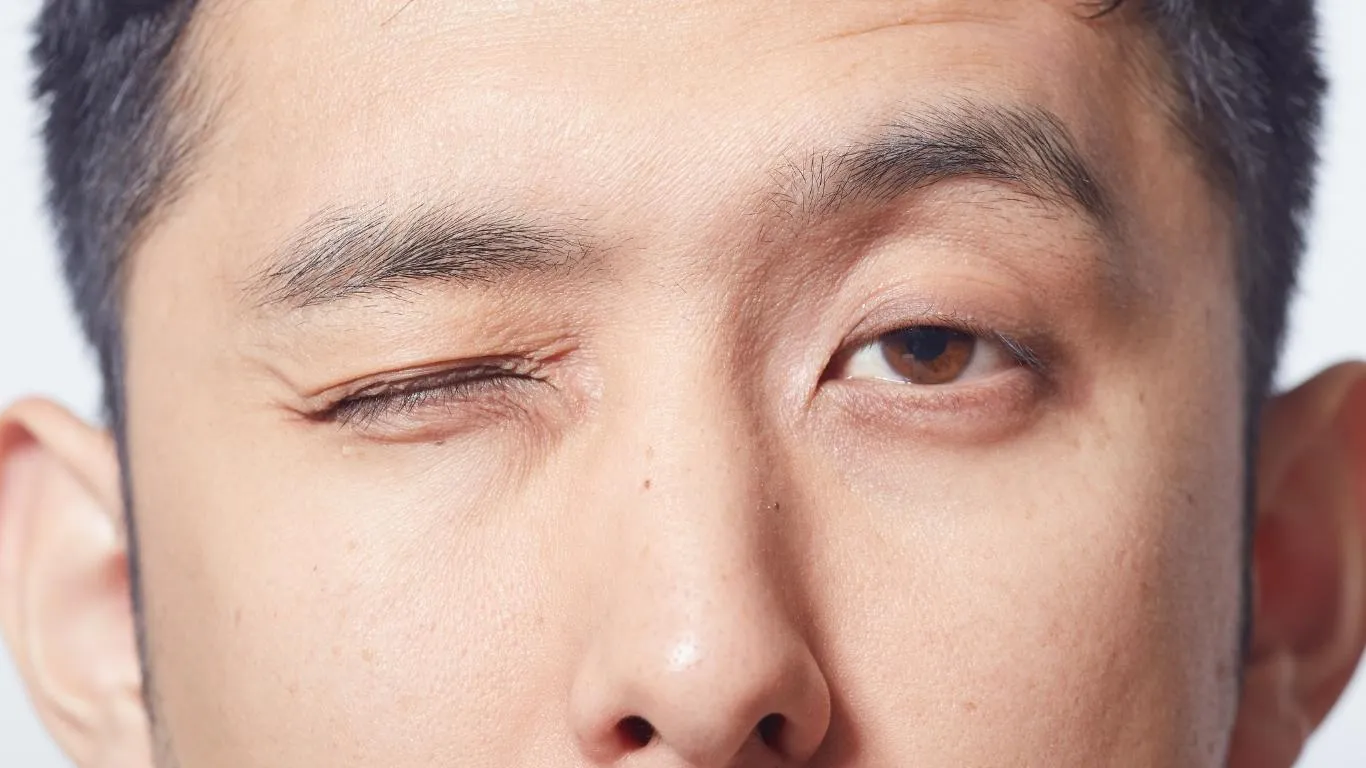
This is important. Not every speck or flash in your field of view is a floater. Sometimes, athletes mistake other visual symptoms for floaters, especially when dehydrated, overheated, or overly fatigued.
I once thought I had a new floater during a mid-summer run, but it turned out to be a mild case of migraine aura. It faded in 30 minutes and didn’t float—it shimmered. That’s a subtle but important difference.
Here’s a quick comparison:
- Floaters: Move when your eye moves, drift slowly, don’t flash
- Migraine aura: Flashing, shimmering, zig-zag lights, last up to 60 mins
- Dry eye spots: Appear after screen time or wind exposure, often blink away
Can Anything Be Done to Reduce Them?
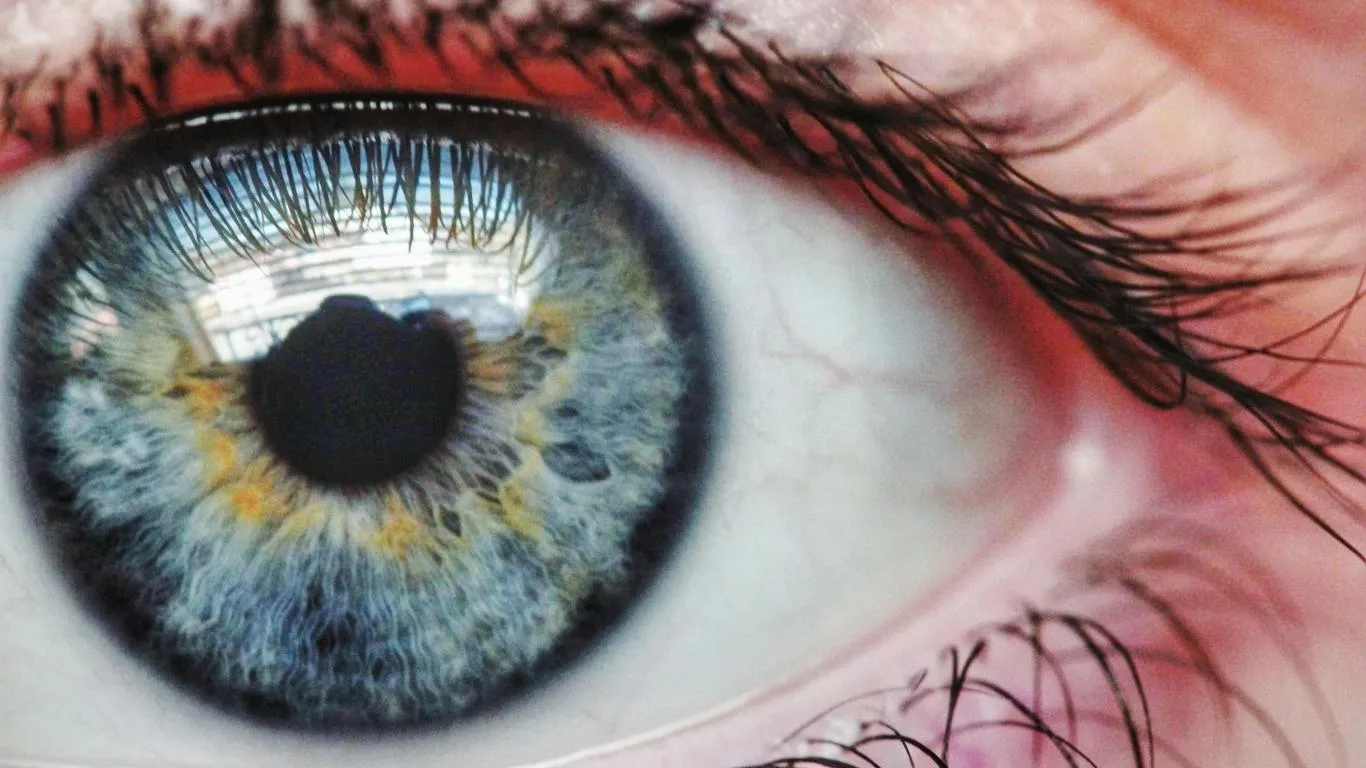
This is probably the question I get most from friends after pickup games. There’s no magic pill, but yes—certain habits can help reduce their appearance or prevent them from worsening. Here’s what has actually worked for me:
Diet and Hydration
I never thought what I ate could affect my eyes, but it does. Foods rich in antioxidants and hydration help maintain eye health. Lutein, zeaxanthin, and omega-3s have all been studied in connection with vitreous health. Check out this solid read on diet changes for floaters.
Blue Light and Eye Strain
Turns out, all that phone scrolling between sets might be doing more harm than good. I noticed my floaters became more noticeable after long hours on screens. Now I use screen filters and take regular breaks. It’s subtle, but it helps.
Supplements and Lifestyle
While I’m skeptical of most supplements, I’ve personally had some relief with basic eye vitamins. Just be sure you’re getting clinically backed ones. Here’s what actually helped me: supplements that support eye clarity.
Vision Therapy or Surgery: Are They Worth It?
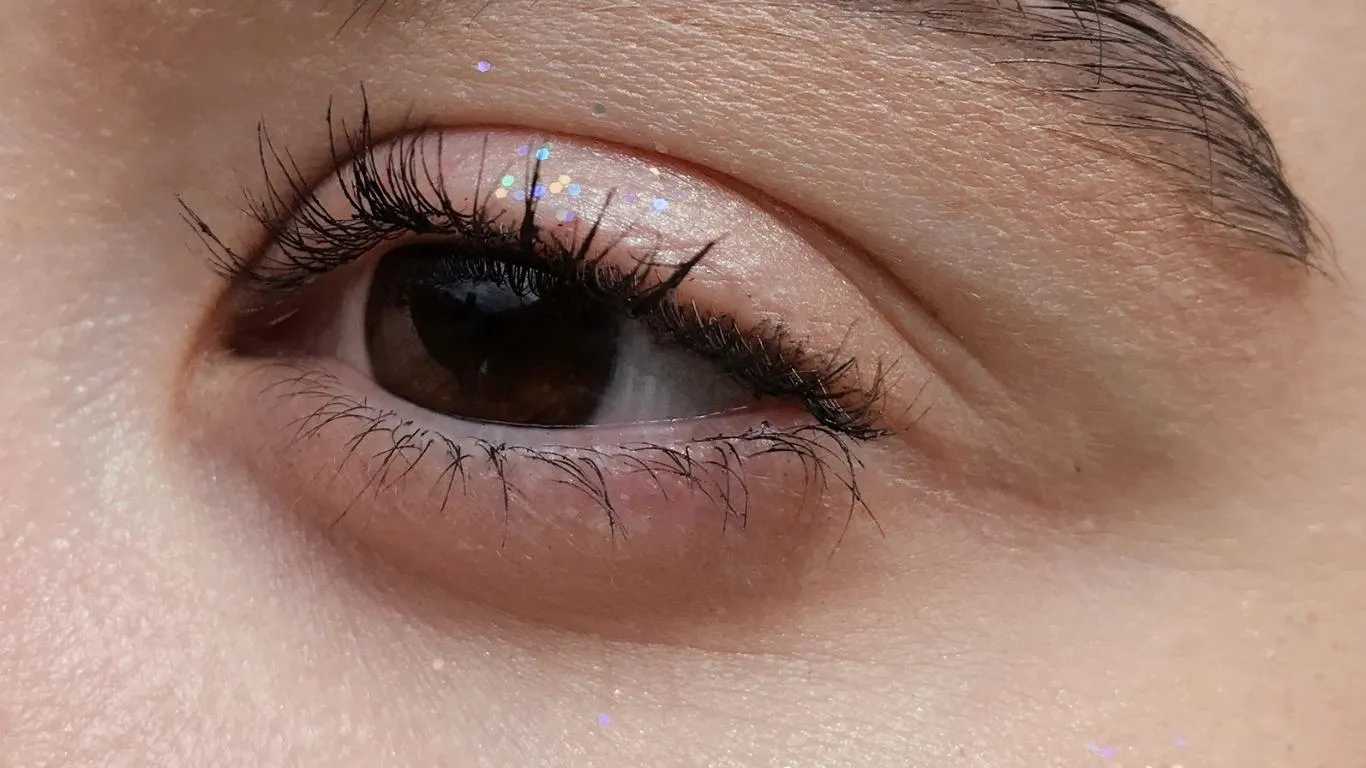
In extreme cases where floaters truly disrupt daily life or vision, there are clinical options. These include:
- Laser vitreolysis: A laser breaks up floaters. Results vary and it’s not for everyone.
- Vitrectomy: A surgical procedure that removes the vitreous gel. It’s effective but very invasive and reserved for serious cases.
Most ophthalmologists lean toward a conservative approach. That’s echoed in this in-depth piece on eye floater treatment options. It breaks down who’s a good candidate, risks, recovery, and alternatives.
If you’re unsure whether what you’re experiencing is normal or worsening, I always suggest reading the main resource first: What Are Eye Floaters?
Small Habits, Big Impact
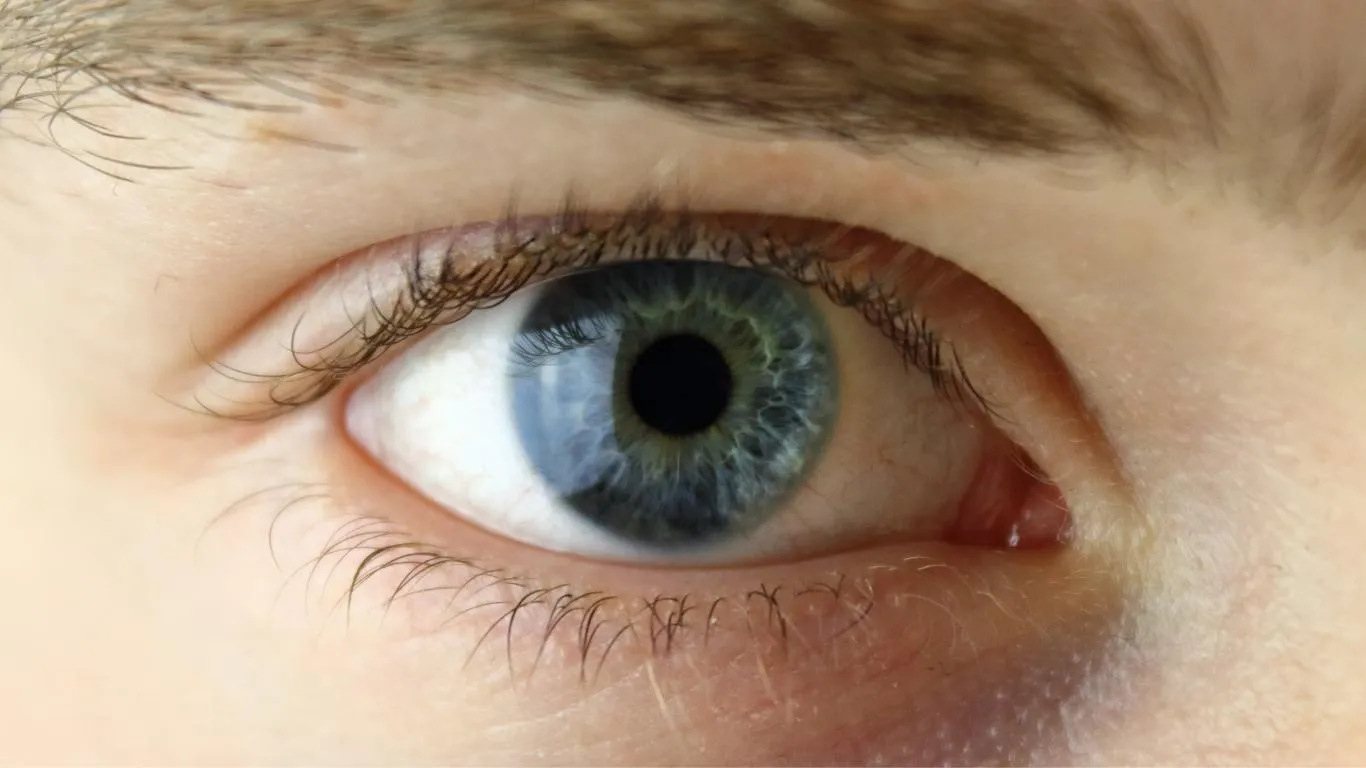
In my experience, the little things make a surprising difference. Just adding UV-blocking sunglasses, better hydration before practice, and even blinking techniques during serve returns helped me adapt to floaters without feeling distracted.
And I get it—when you’re trying to stay competitive, even the smallest visual annoyance can throw off your rhythm. That’s why awareness and management are key. If you’re seeing floaters worsen in bright settings, this article on floaters and bright light sensitivity is worth checking out.
Floaters aren’t always a sign of something serious, but they shouldn’t be ignored either. If your gut says something’s changed, go see your eye doc. Catching issues early is everything.

Camellia Wulansari is a dedicated Medical Assistant at a local clinic and a passionate health writer at Healthusias.com. With years of hands-on experience in patient care and a deep interest in preventive medicine, she bridges the gap between clinical knowledge and accessible health information. Camellia specializes in writing about digestive health, chronic conditions like GERD and hypertension, respiratory issues, and autoimmune diseases, aiming to empower readers with practical, easy-to-understand insights. When she’s not assisting patients or writing, you’ll find her enjoying quiet mornings with coffee and a medical journal in hand—or jamming to her favorite metal band, Lamb of God.