How Floaters Disrupt Relaxation in Nature and What to Do
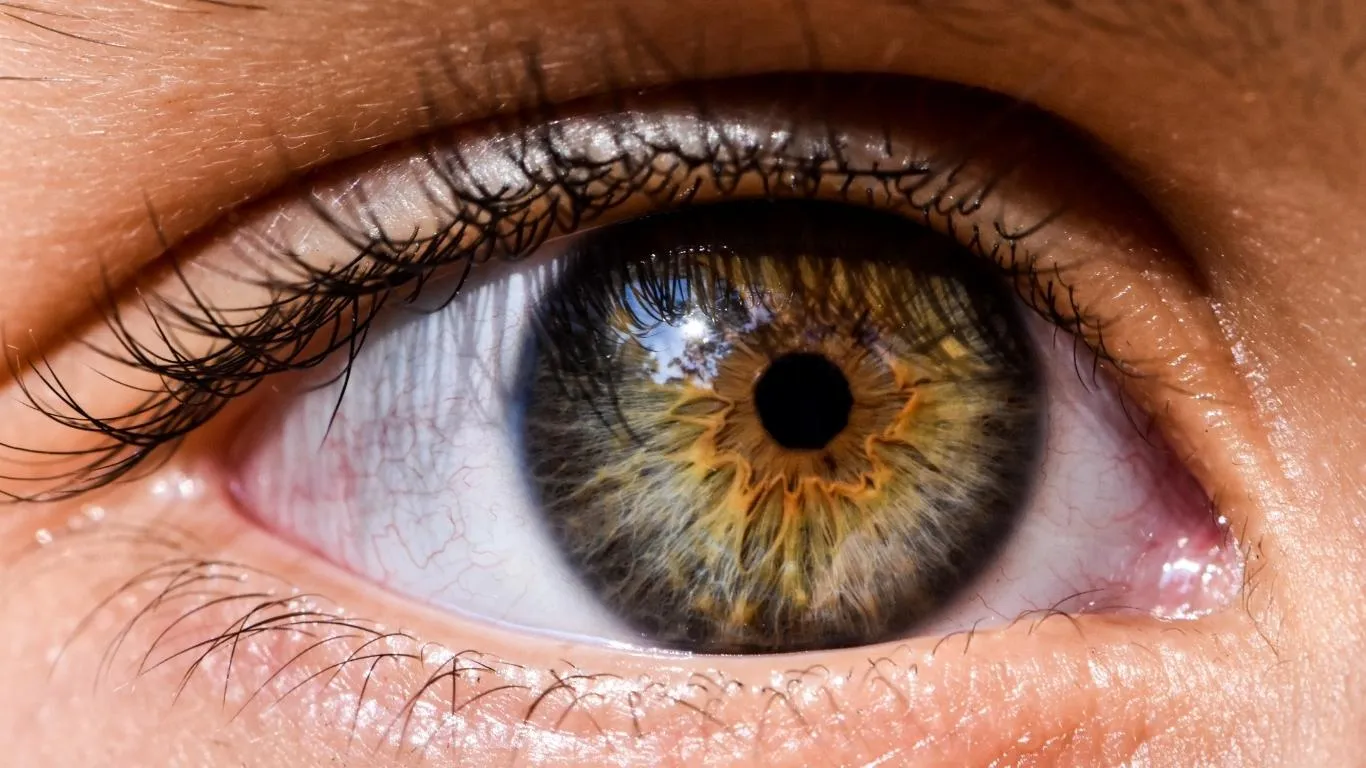
Last weekend, I was lying under a tree at a quiet park, just taking in the breeze and the rustle of the leaves above me. It was one of those rare moments when everything feels still. But then, there they were again—those squiggly little floaters drifting across my vision like they had front-row seats to my serenity. If you’ve ever experienced floaters while relaxing in nature, you know how distracting they can be. It’s like your eyes won’t let your brain unplug, even when the world around you is trying its best to help you chill. So, what exactly is going on here?
Why Do Floaters Become More Noticeable Outdoors?
When you’re in a peaceful, sunlit environment—like a forest trail, lakeside bench, or even your own backyard—your eyes are often directed toward open, bright surfaces like the sky or light-colored clouds. These conditions create the perfect backdrop for floaters to show up and steal the spotlight.
The Role of Light and Contrast
Bright natural lighting enhances contrast in your visual field, especially against plain backgrounds. This makes any debris in the vitreous humor of your eyes much easier to detect. You’re more likely to spot floaters when looking at the sky, sand, or a white rock during a nature walk.
Relaxation Can Actually Increase Awareness
Here’s the twist: when you’re relaxing, you’re not distracted by emails, social feeds, or other people. Your senses are heightened to the present moment. So even minor visual disturbances—like floaters—become more noticeable. This isn’t just anecdotal. In fact, people often report floaters more vividly after napping or resting in bright areas.
Common Triggers of Floaters in Natural Settings
While the floaters themselves may already be there due to aging or past eye changes, there are specific factors in outdoor environments that can aggravate their appearance.
- High Sunlight Exposure: Too much time in bright sunlight without eye protection increases glare, which can intensify your perception of floaters.
- Hydration Levels: Hiking or relaxing outside without enough fluids? Dehydration is known to make floaters worse, especially in summer.
- Eye Fatigue from Squinting: Bright conditions often make us squint, creating strain. That fatigue can make floaters more irritating and pronounced.
In fact, it’s not unusual for floaters to seem more vivid during nature hikes or after activities like paddleboarding or lying on a hammock on a sunny afternoon.
Eye Movements in Nature Are More Subtle
In a relaxed setting, your eye movement slows down, and you’re not darting from one object to another like you do indoors. This lets floaters drift in a way that becomes more obvious. When you’re staring up at the clouds or the leaves swaying above, it’s practically an invitation for floaters to dance across your vision.
When Should You Be Concerned?
For most people, floaters are harmless and just part of the aging process. But there are some red flags to watch out for—especially if you’re noticing floaters more often during restful outdoor activities.
- Sudden Increase in Floaters: If you’re out for a walk and notice a sudden burst of floaters, it could be a sign of retinal damage or detachment.
- Floaters with Flashes or Shadows: If your relaxing forest view is interrupted by flashes of light or a shadow curtain, don’t brush it off. See an eye specialist ASAP.
- Persistent Floaters After Trauma: Even if you’re just out biking on a trail, a small accident or bump can cause vitreous changes. Read more on how floaters may linger after trauma.
If any of these symptoms appear while you’re trying to unwind outdoors, it’s best to consult an ophthalmologist. Floaters can occasionally signal something more serious than just aged vitreous fluid.
Tips for Enjoying Nature Without Annoying Floaters
After enough weekends interrupted by floaters, I picked up a few tricks that help reduce how much they bug me when I’m trying to recharge in nature.
- Wear Polarized Sunglasses: Not only do they reduce glare, but they also make floaters less visible against bright skies and water reflections.
- Stay Hydrated: Always carry a water bottle, especially during warmer seasons. Your vitreous fluid likes hydration too.
- Rest Your Eyes Periodically: Gaze at objects with more texture—tree bark, rocks, your trail shoes—to reset your focus and give your eyes variety.
- Blink Frequently: Blinking refreshes your tear film and helps shift your floaters, making them less noticeable for short periods.
I’ve found that even just keeping my gaze moving helps. Floaters tend to “follow” the direction of your eye movement and settle out of your direct field of vision. It’s a simple hack that works more often than not.
Want to Dig Deeper Into the Causes?
Floaters can originate from many conditions beyond just age. Curious how issues like infections or high blood pressure can play a role? Read this deep dive on common causes of eye floaters that might surprise you.
For a complete guide on symptoms, prevention, and treatment options, be sure to check our main eye floaters article here. It’s a good one to bookmark—especially if floaters are becoming a regular part of your downtime.
And next time you’re out soaking in the natural beauty, you’ll know exactly what those drifting shapes are—and how to keep them from ruining your view.
The other day, I found myself staring at a calm lake during a weekend getaway—no phone, no noise, just birds chirping and wind in the trees. Sounds perfect, right? But there they were again: floaters. They danced across my vision every time I blinked or moved my eyes slightly. It’s wild how something so small can pull you out of a peaceful moment. If you’re reading this, chances are you’ve noticed floaters while relaxing in nature too. In Part 1, we looked at why floaters seem worse outdoors and how to reduce their impact. Now let’s go further into management strategies, mental effects, and even some underrated causes most people never consider.
How Nature Itself Can Sometimes Make Floaters Worse
Not to knock nature—because I love it—but certain environmental elements may actually trigger more noticeable floaters, depending on your eye health and habits.
Altitude and Atmospheric Pressure
If you enjoy hiking in the mountains or taking scenic drives to higher altitudes, you might have noticed floaters becoming more vivid. This could be linked to subtle pressure changes in the eye, which can affect the vitreous gel’s density and movement.
Dry Air or Windy Conditions
Ever sit on a beach or a breezy hill and suddenly feel your eyes get dry fast? Dryness can increase the friction in your eye’s surface, making floaters more irritating. Combine this with bright light, and you’ve got the perfect storm for visual distraction.
Allergy-Triggering Environments
For those prone to seasonal allergies, a walk in the woods can come with sneezing, itchy eyes—and yes, worse floaters. Allergic inflammation might cause minor changes in the vitreous that amplify floater movement. There’s even a direct connection between allergy symptoms and floaters for some people.
The Mental and Emotional Impact of Floaters Outdoors
We often talk about floaters in a clinical sense, but no one really dives into how they affect your mental state—especially when you’re trying to recharge. You plan a day to decompress, breathe fresh air, maybe reconnect with yourself… and your eyes just won’t let you be.
Why It’s More Than Just a “Visual Thing”
When floaters interrupt moments of peace, they chip away at your ability to truly relax. Some people start associating outdoor leisure with visual stress. It’s a frustrating cycle—one I personally felt stuck in for months until I learned to mentally reframe it.
According to the National Eye Institute, while floaters are mostly harmless, persistent visibility can contribute to visual discomfort and even low-level anxiety. It’s subtle, but real.
Tips to Reframe the Distraction
- Focus on movement: Let your eyes follow natural motion—leaves swaying, birds flying. This redirects attention away from floaters.
- Use guided nature meditation: Apps with visual prompts and nature sounds help keep your focus outward rather than inward.
- Accept and detach: Easier said than done, I know. But when I stopped fighting to “erase” floaters and just acknowledged them, they became less intrusive.
What You Eat and Drink Before Going Outdoors Matters
Your diet plays a bigger role in floater activity than you’d think. Certain nutrients—or lack of them—can affect vitreous consistency and hydration levels in the eye.
Foods That Help
- Lutein-rich greens: Spinach, kale, and chard support retinal health.
- Omega-3 fatty acids: Found in walnuts and flaxseeds, these help maintain eye fluid integrity.
- Hydrating fruits: Cucumbers, watermelon, and citrus keep you hydrated in a clean, natural way.
More details? You might want to check this guide on dietary tweaks for floater reduction. I started drinking cucumber water before hikes—it actually helped more than I expected.
Are You Mistaking Floaters for Something Else?
Especially in natural light, it’s easy to confuse floaters with other visual oddities. Some of them aren’t floaters at all.
Visual Auras and Migraine Effects
If you’ve noticed sparkly, flickering shapes during a walk that don’t quite float but shimmer, you might be experiencing a migraine aura—especially if it fades after 20–30 minutes and returns in patterns.
Dust, Debris, or Allergy Flashes?
Sometimes what we think are floaters are external particles or eye allergy-related movements. One way to tell? Floaters move with your eyes, not when your head moves alone.
Can Floaters Fade Over Time?
This is the question I always had—and I’m guessing you do too. The good news? Yes, they can. But it depends on the cause and your body’s ability to adapt.
Floaters caused by minor age-related changes often become less noticeable as your brain “tunes them out.” This is called neuroadaptation. For others, floaters can dissolve, shift out of central vision, or get pushed aside by eye movement. Here’s more on how that works.
When They Don’t Go Away
If floaters linger or become worse outdoors—despite all the lifestyle changes—it may be time to consider options like laser vitreolysis or vitrectomy. This treatment guide breaks down what to expect, from observation to more proactive solutions.
More Than Just a Distraction
Seeing floaters while relaxing in nature may seem like a small problem, but it can interfere with how present you feel in the world. Once I started managing them instead of obsessing over them, things shifted. I didn’t stop noticing them completely—but they stopped owning the moment.
Floaters can be triggered or worsened by a whole ecosystem of factors—light, pressure, nutrition, even emotion. But by understanding them, we take a little power back. For the full breakdown of what causes them and how to know when it’s something serious, don’t miss this detailed main eye floaters article here.

Camellia Wulansari is a dedicated Medical Assistant at a local clinic and a passionate health writer at Healthusias.com. With years of hands-on experience in patient care and a deep interest in preventive medicine, she bridges the gap between clinical knowledge and accessible health information. Camellia specializes in writing about digestive health, chronic conditions like GERD and hypertension, respiratory issues, and autoimmune diseases, aiming to empower readers with practical, easy-to-understand insights. When she’s not assisting patients or writing, you’ll find her enjoying quiet mornings with coffee and a medical journal in hand—or jamming to her favorite metal band, Lamb of God.