Why Floaters Get Worse While Sitting Under A Fan
If you’ve ever kicked back under a ceiling fan and suddenly noticed little squiggly shadows or transparent spots drifting across your vision, you’re definitely not alone. I first thought my contacts were dirty—or worse, I needed new glasses. But nope, they were floaters. And oddly enough, they’d pop up more noticeably every time I sat under that spinning fan in my living room. If this sounds familiar, don’t brush it off—it could be your body’s way of hinting at something subtle but worth understanding.
Why Floaters Become More Visible Under a Fan
Floaters—those tiny, drifting specs—aren’t exclusive to sitting under a fan, but the effect is more pronounced in that setting. Here’s the thing: fans often direct light downward or cause subtle shifts in ambient brightness, especially with ceiling-mounted lighting. That swirling motion of air and light plays tricks on your eyes, making existing floaters way more noticeable.
The Role of Light Diffusion and Contrast
When you’re sitting under a fan with overhead lighting, your eyes face contrast changes. Floaters, which are essentially tiny bits of collagen or cellular debris in the vitreous humor of your eye, become more prominent as light enters and scatters across your retina in new ways.
This is especially true if you’re looking at a white ceiling or a bright wall—similar to how floaters seem worse when staring at the sky or a bright screen. I noticed it most during evening TV sessions, where the room was dim but the fan’s shadow play made floaters appear like ghostly dancers on my vision.
Air Movement and Dry Eyes
Air movement from a fan can dry out your eyes faster than you might realize. And when your eyes are dry, floaters tend to become more bothersome—not because they increase in number, but because your eyes are less able to stabilize focus. This triggers a sensitivity to internal debris like floaters. It’s no surprise that dry eye syndrome and floaters often go hand in hand.
Could It Signal Something More Serious?
Not every floater is harmless. Sure, they’re usually just part of the normal aging process of the eye, but sudden changes or an increase in frequency—especially in specific conditions like under a fan—might mean something’s shifting in your vitreous humor. One possibility? Posterior Vitreous Detachment (PVD), which is quite common after age 40 and could become noticeable in precise lighting conditions.
And it’s not just about age. There are dozens of seemingly harmless environmental triggers that, in the right conditions, can amplify floaters. For instance, switching light conditions or looking at white backgrounds can magnify the problem. Under a ceiling fan with diffused lighting? Perfect storm for seeing floaters clearly.
Fan Settings, Eye Fatigue, and Visual Perception
Ceiling fans create an ambient strobe effect, especially when light passes through the blades. While it’s not obvious to the naked eye, this flicker can cause visual fatigue over time. Tired eyes are more prone to picking up floaters. This is backed up by increasing anecdotal reports from individuals who experience visual floaters after eye fatigue, especially in low or shifting light environments.
- High fan speed increases light distortion
- Dry air accelerates eye strain
- Dimmed lighting under a fan makes shadows from floaters sharper
Personally, I’ve started noticing a pattern. After a long day staring at screens, then sitting under the fan with ambient light, floaters feel almost magnified. That’s not just in my head—it’s the brain’s way of compensating for blurred or scattered information in tired eyes.
Is It a Symptom or Just a Trigger?
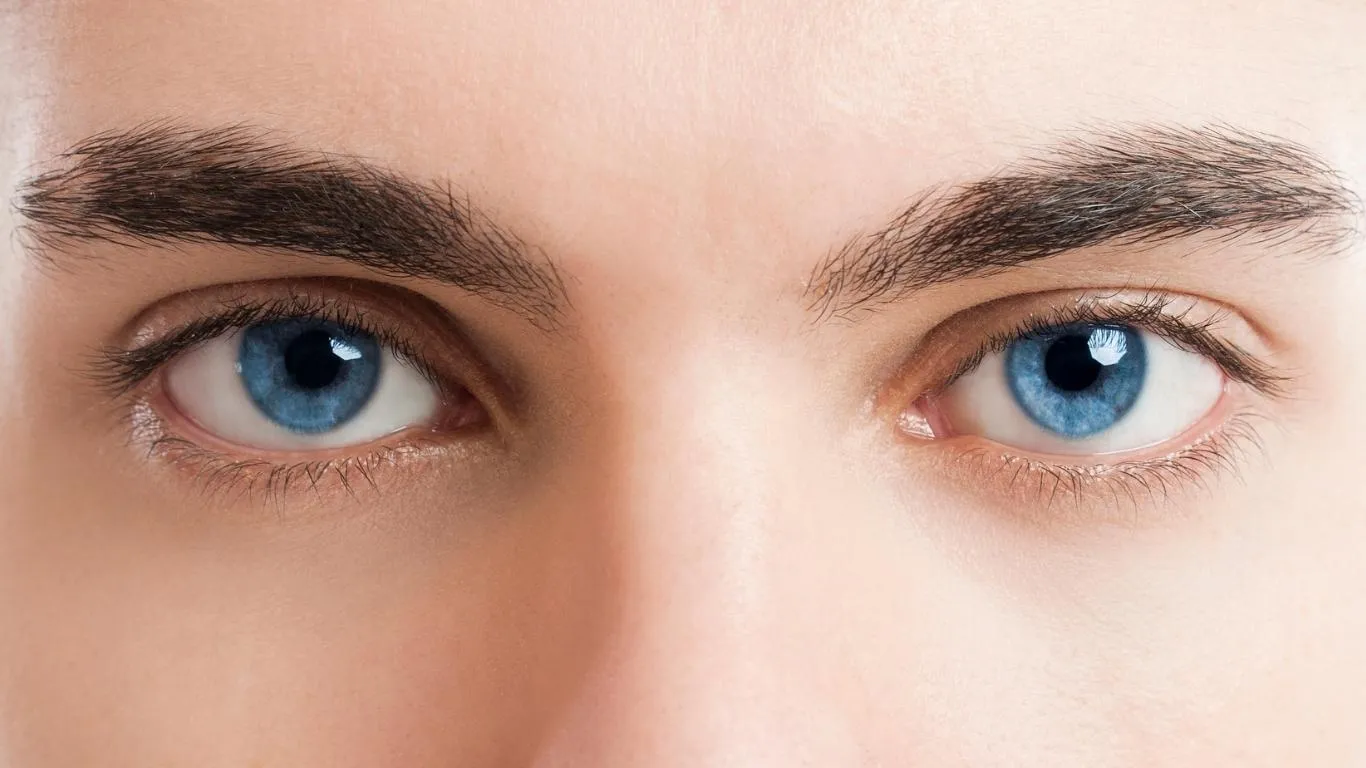
It’s tempting to associate the fan with causing floaters, but it’s really more of a trigger than a root cause. The underlying cause might be something entirely different, like vitreous degeneration, dry eyes, or even head position. In fact, I came across a fascinating breakdown on how head positioning can affect floater visibility. The upward tilt from lounging back under a fan may alter how floaters float across your field of vision.
In other words, fans don’t cause floaters—but they sure can spotlight them.
When to Take Action
- If your floaters increase suddenly while sitting under a fan or otherwise
- If you notice flashes of light or peripheral shadows
- If you develop vision loss or a “curtain” effect in one eye
These could be signs of retinal detachment or vitreous hemorrhage—serious issues that should be checked immediately. According to nei.nih.gov and aao.org, floaters combined with flashes or vision changes are warning signs not to ignore.
How I Reduced Floater Discomfort Under My Fan
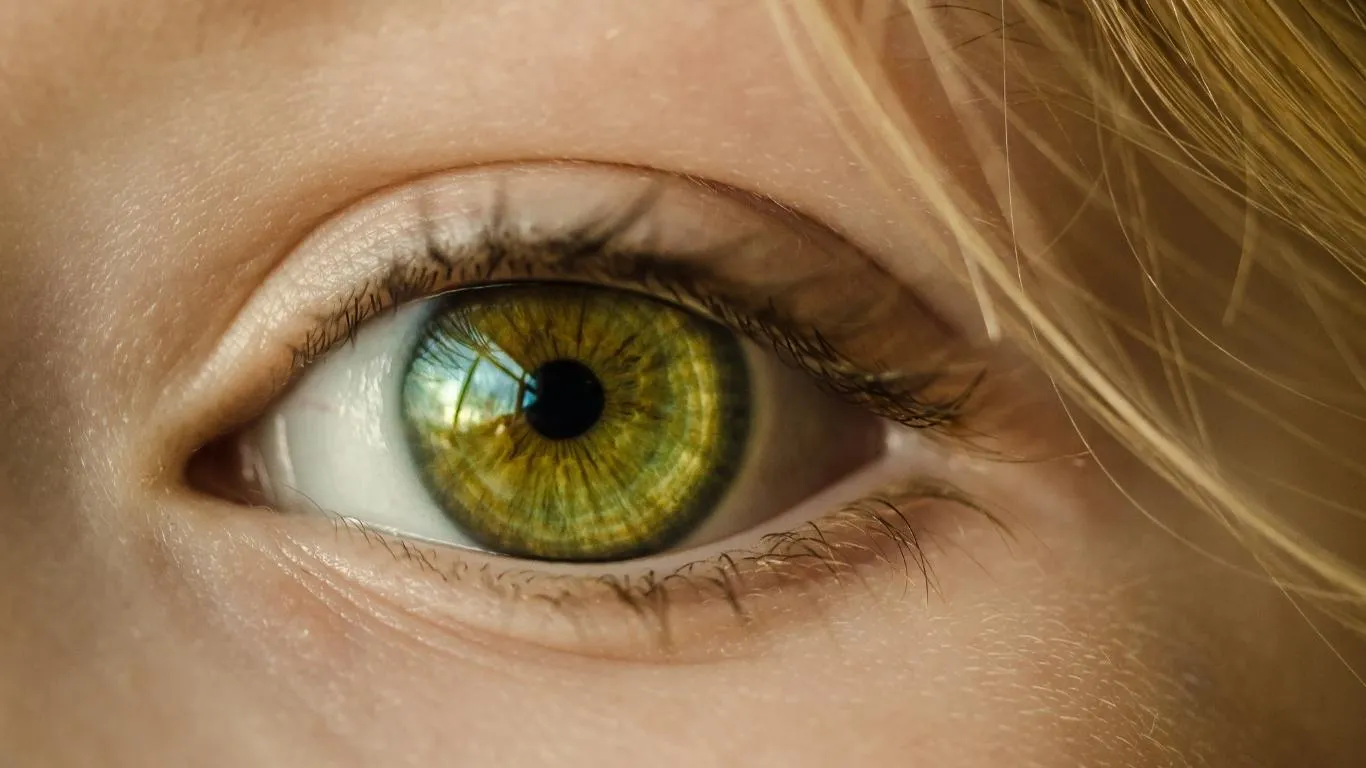
From my personal trial-and-error, here’s what helped me dial down the annoyance:
- Switching to indirect lighting in fan-equipped rooms
- Using a humidifier to reduce eye dryness
- Taking short screen breaks and blinking exercises
- Adding collagen-friendly eye supplements (after asking my eye doctor)
If floaters are new to you or just getting more frustrating, especially in specific environments like under a ceiling fan, it’s worth diving deeper into potential root causes. I found this guide helpful: Common causes of eye floaters. It’s one of the more comprehensive breakdowns I’ve seen online.
And if you’re still exploring the ins and outs of floaters, from symptoms to treatments and beyond, bookmark this full resource page: What are eye floaters? It covers everything from causes to advanced treatments—definitely worth the read.
Why Your Vision Acts Differently While Relaxing Under a Fan
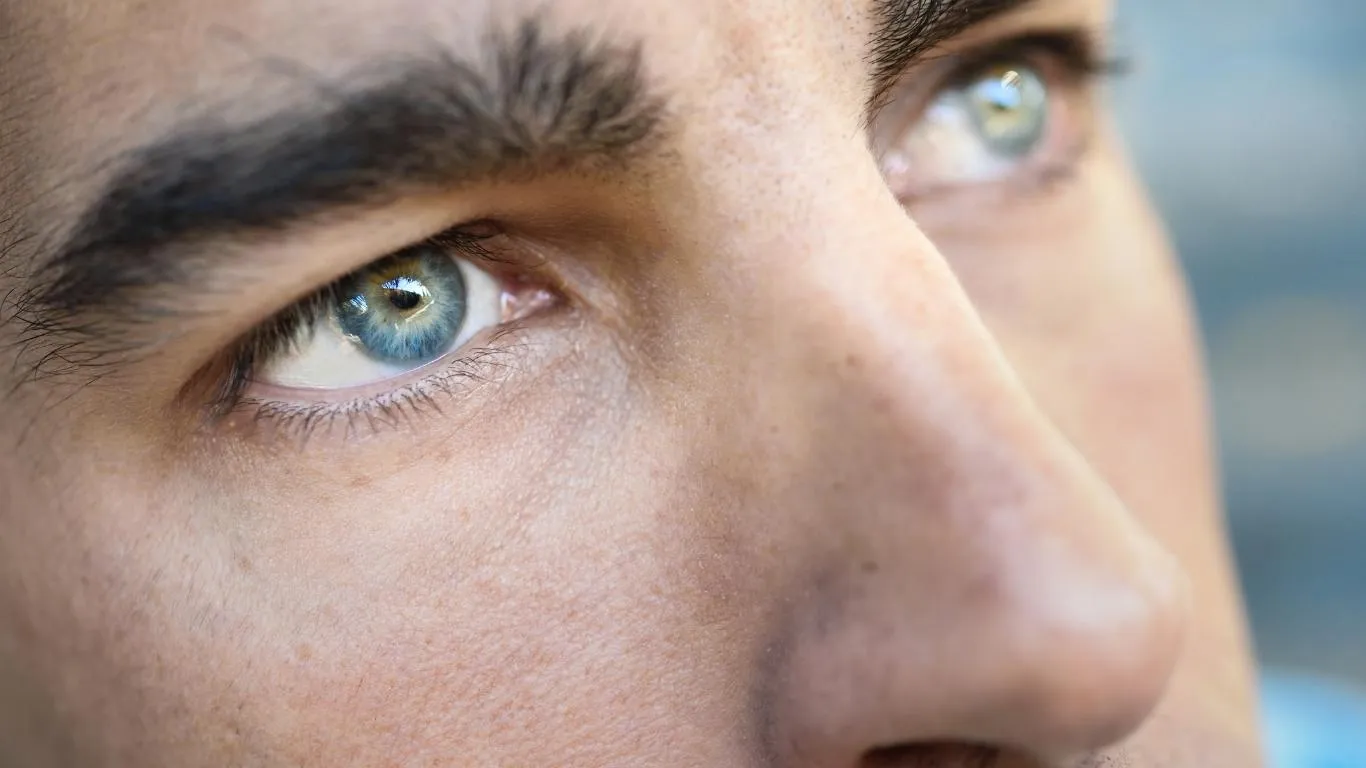
There’s something oddly specific about the comfort of sitting under a fan—your body unwinds, your eyes relax… and boom, the floaters show up, front and center. I didn’t realize how consistent this was for me until I caught myself rubbing my eyes every time I sunk into my recliner with the fan spinning overhead. It turns out, there’s actually a reason our vision changes in those moments of relaxation.
When your body shifts into a restful state, your pupil adjusts to the softer, ambient light. Your eyes stop darting around and start absorbing more of the subtle “noise” in your visual field—including floaters. Some researchers suggest this enhanced awareness could be linked to your brain being less stimulated, allowing internal visual obstructions to feel more present.
That’s also when dry eye kicks in faster, especially if you’re not blinking as much. And if you’re reclining or looking slightly upward, you’re positioning your eyes in a way that makes vitreous strands shift more centrally in your vision field.
Fan Direction Might Be a Factor (Surprisingly)
I didn’t think much of fan settings until I stumbled across a Reddit thread of people swearing that switching their fan to rotate counterclockwise in summer actually reduced floater awareness. That led me to play around with mine too. And oddly enough, it helped.
Why? Because the downward airflow tends to circulate air toward your eyes more directly, speeding up evaporation. Flipping the fan rotation changes airflow angles—reducing how dry your eyes get while seated underneath. It’s not a cure, but it’s a surprisingly practical tweak.
Other Unusual Triggers While Under a Fan
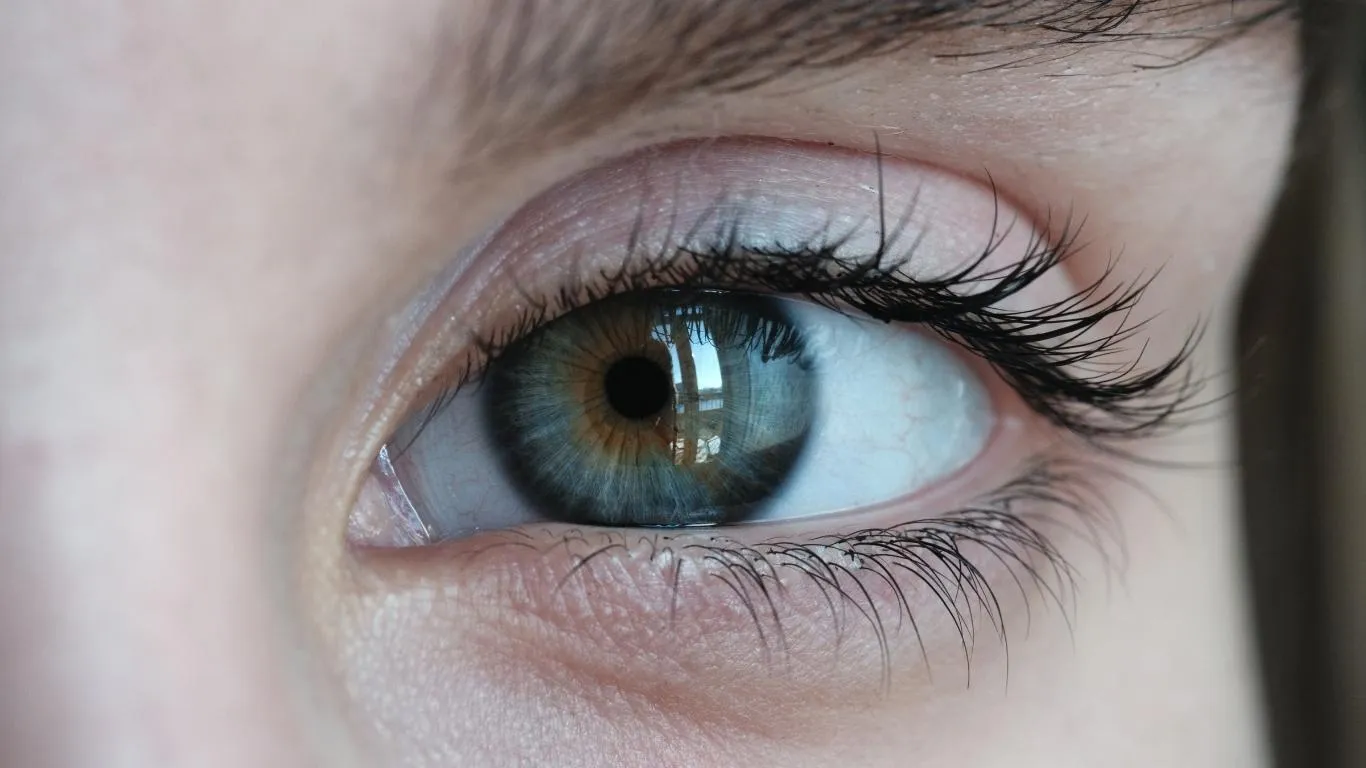
Sometimes it’s not just the fan but the combo of factors. Based on my own experience and digging into stories from others dealing with this floater-fan phenomenon, a few culprits kept showing up:
- Light-reflective surfaces: Glossy ceilings or white-painted walls reflect light back, making floaters easier to spot.
- Glasses glare: If you wear glasses, the angle of light under a fan can amplify internal floaters via lens reflection.
- After-nap eye haze: Ever wake up under a fan, open your eyes, and get blasted with new floaters? That slight dehydration and eye surface irritation might be why. It’s even discussed in cases like floaters that appear after naps.
For me, I started connecting floaters to specific times: end of the day, overhead fan spinning, low hydration. If I had screen time beforehand? Double trouble. That led me to cut down on late-night phone use under the fan—and believe it or not, it made a huge difference.
Can Fan-Triggered Floaters Be Prevented?
There’s no magic cure to eliminate floaters—yet—but managing their visibility, especially under fans, is absolutely doable. I’ve turned it into part of my evening routine. A few things that worked for me (and are backed by solid vision science):
- Hydrate first: One or two full glasses of water before relaxing can keep your eyes from drying out too fast.
- Eye drops: Especially if the air is dry or if you’ve been exposed to screens for hours.
- Use a fan with diffused lighting: Harsh LEDs and spotlight-style bulbs tend to highlight floaters.
- Try eye exercises for floaters: Gentle rotations and focus shifting can help ease floater perception during downtime.
When Floaters Under a Fan Are a Red Flag
If you’re seeing floaters only under a fan, and they disappear in other settings, it’s likely a combination of lighting, dryness, and eye fatigue. But if floaters persist or come with additional symptoms, don’t wait. Sudden onset floaters—especially if they’re accompanied by vision flashes—can indicate retinal tears or even hemorrhages. This article dives deep into what to look out for and when to act fast.
Also worth considering? Health conditions like autoimmune disorders or high blood pressure that can sneakily impact the eyes. You’d be surprised how many people have had floaters as an early visual clue of something more systemic. It’s covered well in this guide on diabetes and floaters.
Expert-Approved Practices to Minimize Floaters in Daily Life
- Use softer lighting setups during rest hours
- Avoid lying directly under airflow when watching TV or reading
- Check your medications—some, like NSAIDs or allergy meds, may worsen floaters (read more here)
- Stay consistent with eye checkups—early detection is key
That combo of low-key changes helped me reclaim my comfort under the fan without having to rearrange my living room. The floaters? Still there—but way less in-my-face, if you know what I mean.
Looking Deeper into Floater Triggers and Solutions
There’s a surprisingly deep world behind something as simple as “floaters while sitting under a fan.” It’s not just ambient light. It’s air dryness, hydration, fatigue, inflammation, visual sensitivity, even posture. If you want to go further into the nuances—especially natural remedies, myths, and real treatments—this article has been super valuable: Natural ways to manage floaters.
Ultimately, floaters don’t always need treatment. But understanding how and why they show up—especially in weirdly specific settings like under a fan—can be empowering. For me, it turned confusion into control. I now manage my surroundings, not let them surprise me.

Camellia Wulansari is a dedicated Medical Assistant at a local clinic and a passionate health writer at Healthusias.com. With years of hands-on experience in patient care and a deep interest in preventive medicine, she bridges the gap between clinical knowledge and accessible health information. Camellia specializes in writing about digestive health, chronic conditions like GERD and hypertension, respiratory issues, and autoimmune diseases, aiming to empower readers with practical, easy-to-understand insights. When she’s not assisting patients or writing, you’ll find her enjoying quiet mornings with coffee and a medical journal in hand—or jamming to her favorite metal band, Lamb of God.