Why Floaters Get Worse While Using Night Shift Mode
Not gonna lie—I’ve been that person, scrolling through emails or binge-watching videos on night shift mode at 2 AM, only to suddenly notice those annoying little shadowy specks floating across my vision. If you’re seeing floaters more vividly when using night shift mode, you’re definitely not alone. Turns out, this combo of dim screens and tired eyes isn’t as harmless as we think.
Why Floaters Seem Worse in Night Shift Mode
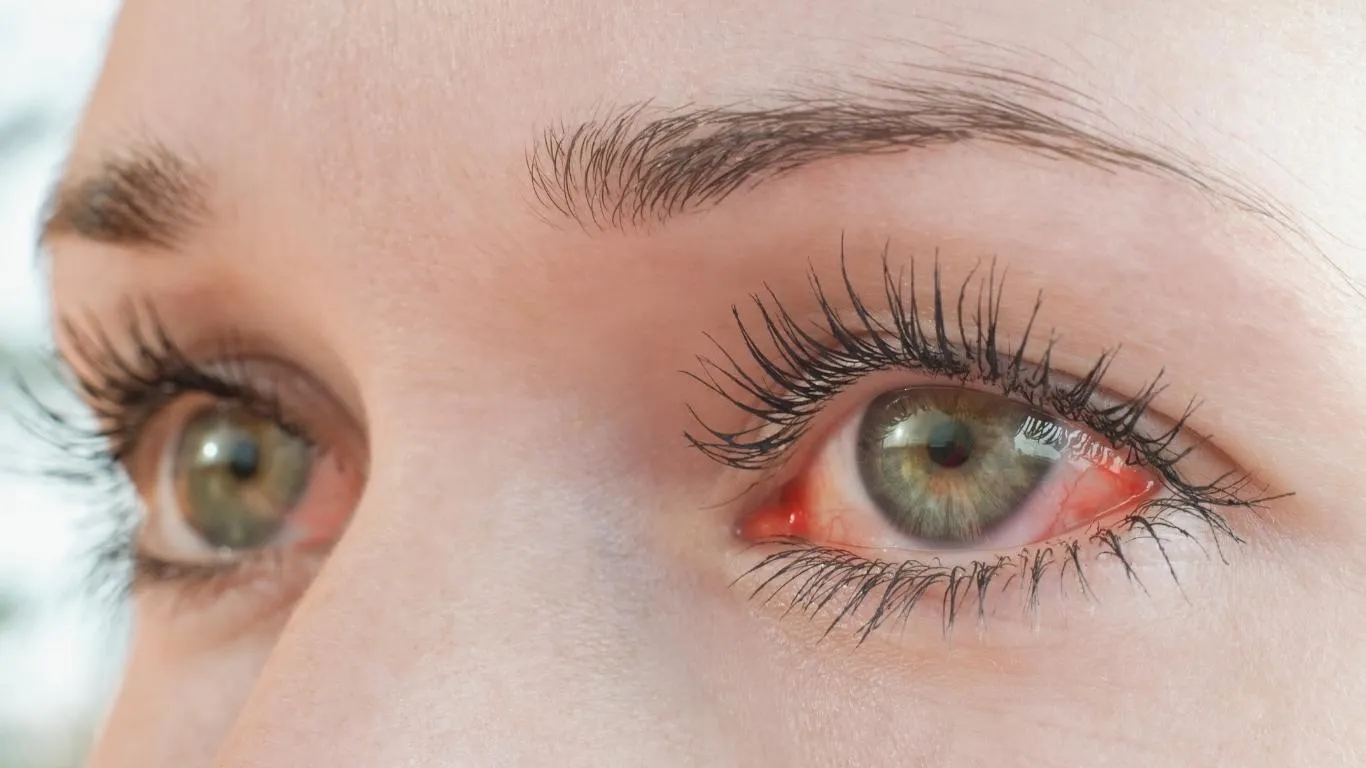
Let’s get this straight—night shift mode itself doesn’t cause floaters. But it sure does make them a lot more noticeable. The dimmer the environment and the lower the contrast between the floater and your screen, the easier it becomes for those translucent floaty specks to pop out.
It’s All About Contrast
When your screen background turns dark or beige-ish, and your text flips to white, floaters become more visible because your pupils dilate in low-light. This lets in more light and also makes those floaters—the debris in the vitreous of your eye—cast more obvious shadows on the retina.
I first started noticing mine when I switched to dark mode reading PDFs late at night. I thought my glasses were dirty until they followed my eye movements—classic floater behavior.
Pupil Dilation & Eye Fatigue
Dark screens trick your eyes into opening up to let in more light, which in turn makes existing floaters appear more prominent. Add some fatigue to the mix, and your eye muscles aren’t filtering visuals as sharply as usual. Your brain begins to register visual ‘noise’ that it might otherwise ignore.
- Increased pupil size amplifies floater shadow
- Eye fatigue lowers brain’s ability to ignore floaters
- Night shift mode increases exposure to screen glare
How I Learned to Spot the Triggers
The irony is—night shift mode is supposed to be easy on the eyes. But I found that floaters became more persistent when I combined this setting with low ambient light. After talking with an optometrist (and falling deep into the rabbit hole of floaters research), I realized the triggers were more behavioral than biological.
My Triggers for Worse Floaters at Night
- Using screens in pitch-dark rooms (don’t do this)
- Switching between light and dark themes too often
- Rubbing my eyes after hours of screen time
- Dehydration—yep, it plays a sneaky role too
There’s actually a pretty comprehensive breakdown on this topic at Healthusias’ floater-in-dark-screen article, which really hit home for me.
When Should You Be Concerned?
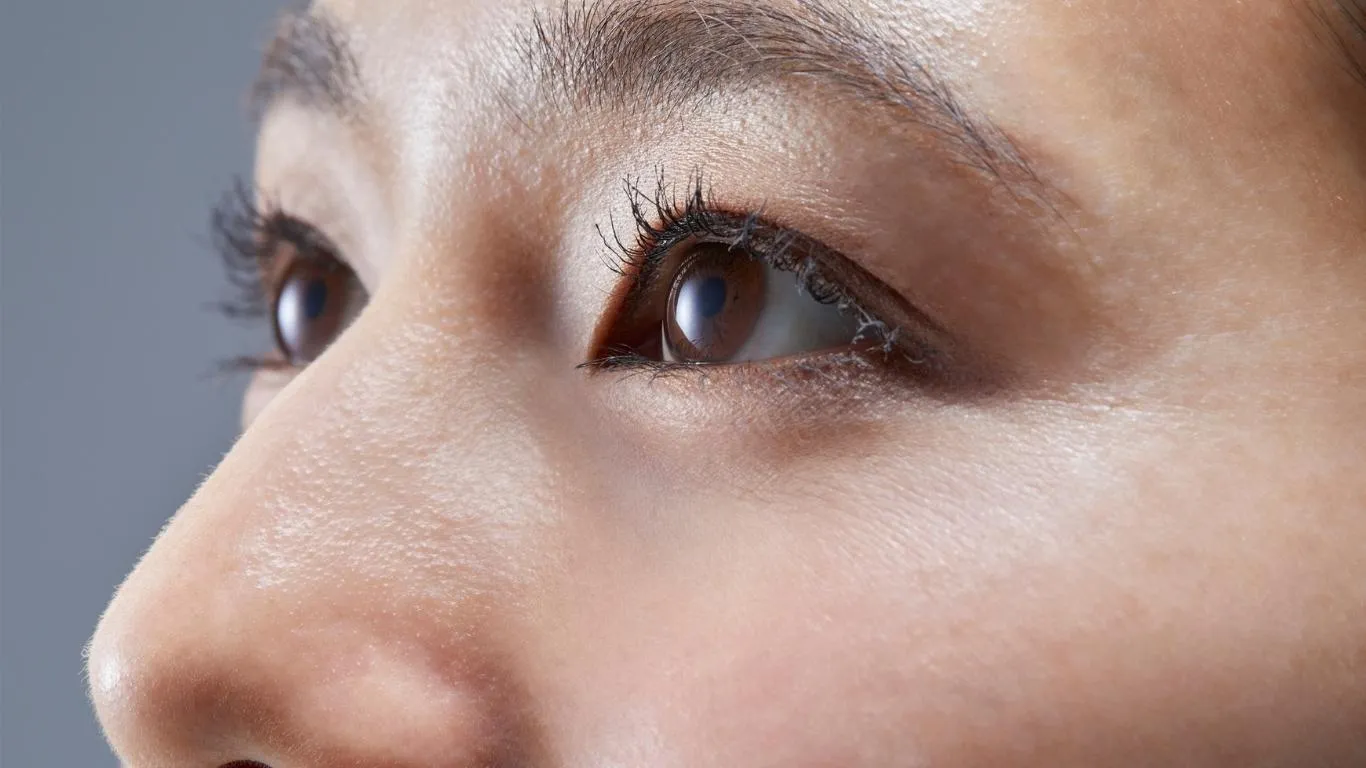
In most cases, floaters in night shift mode are just more visible, not more numerous. But here’s the catch—if you suddenly see a burst of new floaters, especially with flashes of light, it could signal something serious like a retinal tear or detachment. Been there, panicked about that.
Check out this related guide on sudden floaters signaling serious eye issues. It outlines exactly when to get urgent help.
Signs You Need to See a Doctor
- Sudden increase in floaters overnight
- Flashes of light even with eyes closed
- Loss of side or central vision
- Floaters that resemble a ‘curtain’ across vision
How to Manage Floaters During Night Screen Use
I’ll be honest—there’s no magic cure. But there are ways to reduce how often you notice them, especially when glued to screens at night. For starters, increase ambient lighting to avoid working in pitch darkness. That alone reduced floater distractions for me by half.
Habits That Help
- Use a soft desk lamp to balance your environment’s light
- Avoid switching back and forth between dark and light modes
- Take regular breaks using the 20-20-20 rule
- Stay hydrated (seriously, don’t skip water)
Also, it wouldn’t hurt to review whether your floaters are increasing due to underlying health conditions. According to this great write-up on age-related vitreous changes, floaters are just one visible symptom of a deeper aging process within the eye.
Are Night Floaters Linked to Eye Strain or Something Worse?
Short answer? Maybe. Extended screen time under night shift mode can lead to dry eyes, eye strain, and visual stress. When that happens, your brain’s filtering system is less able to suppress floaters from your consciousness. That’s why you don’t “see” them during the day, but suddenly they show up in force at night.
If you’re experiencing other symptoms like pressure behind the eyes or light sensitivity, take a look at hormonal imbalance as a cause—not always talked about, but definitely relevant.
More In-Depth Reading from Trusted Resources
- Explore root causes in Common Causes of Eye Floaters
- Understand the basics of floaters in this main pillar guide
- Authoritative insights available from aao.org and ncbi.nlm.nih.gov
What You Can Do If Floaters Won’t Leave You Alone
Okay, so you’ve tweaked your lighting, adjusted your screen settings, maybe even tried a few eye exercises—and yet, those floaters still drift by like they own the place. I’ve been there too, especially during those 10 PM work marathons where even the softest glow on my phone screen made them pop up like ghosts.
The good news? You’ve got more options than you think. While there’s no surefire cure for eye floaters (unless you’re going the surgical route, which is a whole conversation by itself), there are ways to keep them from hijacking your night.
1. Check Your Screen Settings
Night shift mode often adds a yellowish tint to reduce blue light—but sometimes, that extra warmth makes floaters stand out even more. Personally, I found switching to a slightly cooler hue—still not bright white, but less orange—helped reduce floater contrast.
You can also reduce screen sharpness slightly and increase text contrast so your eyes don’t have to work as hard. Every device has its own settings, but it’s worth digging into those “Accessibility” or “Comfort View” options.
2. Don’t Skip Hydration
Yes, I’m repeating this again because it matters. Dehydration can worsen floaters, especially if your vitreous starts to shrink or lose fluidity. There’s a solid explanation for this at this breakdown on dehydration and floaters. A simple bottle of water can make a bigger difference than you’d expect.
3. Keep Your Eyes Moving
Staring at static text in night mode for hours on end can make your floaters feel like they’re growing roots. I’ve started making a point to shift my gaze around the room every 10 minutes—even something as basic as rolling your eyes in a slow circle helps floaters shift position and become less distracting.
Oh, and never underestimate the power of good eye hygiene. Washing your face before bed, cleaning your eyelids, and giving your eyes a rest can all help reset things.
When Natural Remedies Are Worth a Try
I’ll be honest, I was skeptical about supplements for floaters. But after weeks of frustration and multiple trips down WebMD rabbit holes, I decided to give it a shot. The results? Not miraculous, but enough to make things bearable during night shift sessions.
There’s a great resource on supplements that support vitreous health, and it helped me zero in on a few options that didn’t feel like snake oil.
- Lutein & Zeaxanthin: Known for supporting retina health
- Omega-3 fatty acids: Help maintain eye fluid balance
- Vitamin C: Some early links to collagen health in the vitreous
If you’re curious about more natural routes, this article on natural floater remedies is a solid place to explore what’s worth trying—and what isn’t.
But… Should You Ever Consider Medical Treatment?
If your floaters go from mildly annoying to life-interrupting—especially at night—it might be time to think beyond lifestyle tweaks. I spoke with a retina specialist after my floaters started interfering with driving at night (that glow against headlights is brutal), and here’s what I learned:
Common Treatments for Persistent Floaters
- Laser Vitreolysis: Uses laser pulses to break up large floaters
- Vitrectomy: Surgical option that removes the vitreous gel entirely
- Eye drops: Usually ineffective, but still prescribed in some mild cases
If you’re on the fence, this overview of treatment options breaks it down with clarity—especially for those trying to avoid unnecessary procedures.
Can Floaters and Screen Settings Point to Bigger Eye Issues?
One of the biggest surprises for me was realizing that floaters—especially when triggered or worsened by screen habits—could sometimes reveal underlying issues. It’s not always just screen fatigue. Sometimes, floaters are your early warning system screaming for attention.
Case in point: after a particularly sudden floater episode during a late-night editing session, I booked an eye exam just to be safe. Turns out, I had early signs of posterior vitreous detachment. Not scary in itself, but a good reminder that ignoring changes isn’t wise. Here’s a full breakdown on posterior vitreous detachment that helped me make sense of it all.
Conditions Often Linked to New or Worsening Floaters
- Posterior vitreous detachment (PVD)
- Retinal tear or detachment
- Diabetic retinopathy
- Uveitis or inflammation
Spotting floaters more clearly in night shift mode may not be dangerous on its own—but if it’s new, getting worse, or accompanied by other visual changes, don’t wait it out.
Stay Proactive—Don’t Just “Live With It”
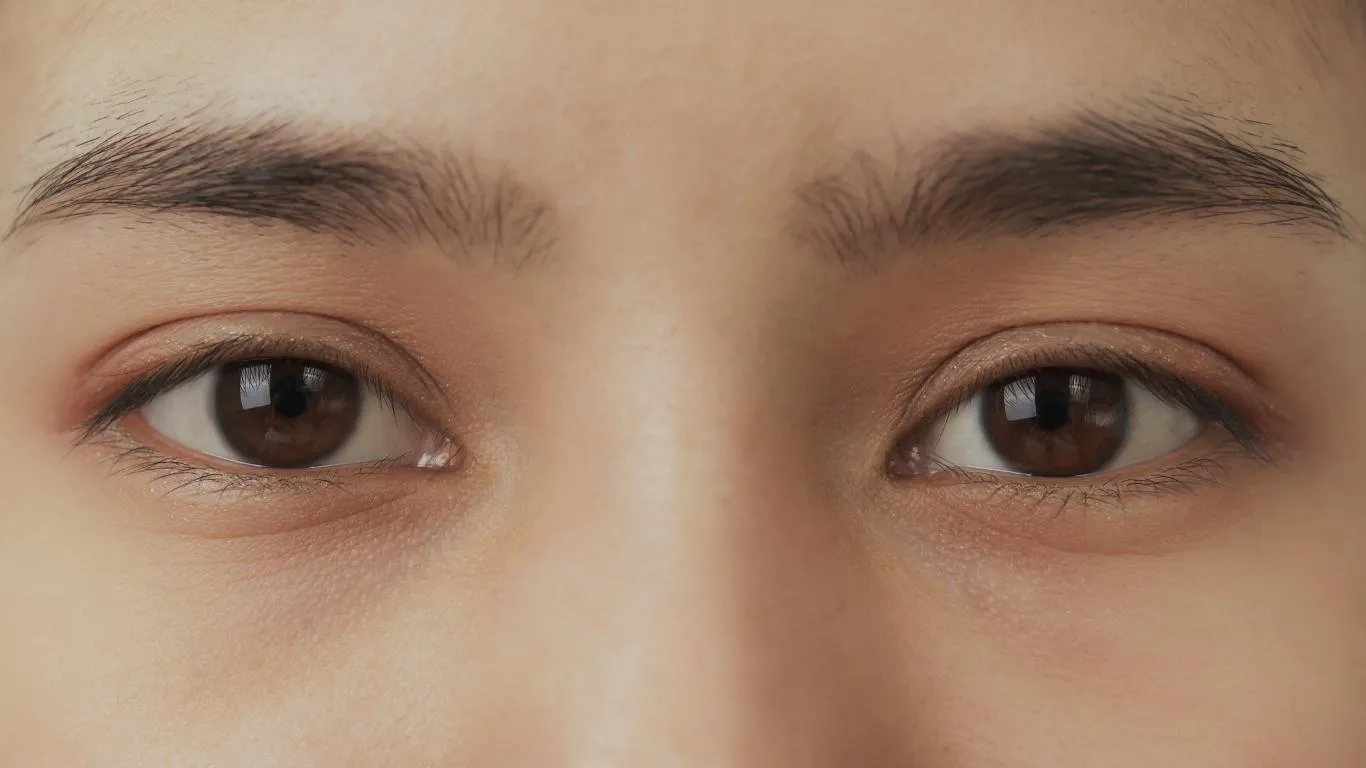
The real secret to handling floaters isn’t some miracle fix—it’s staying engaged with your own eye health. Keep track of changes. Test different screen settings. Be mindful of lifestyle triggers like dehydration, allergies, or hormonal shifts. And most of all, don’t ignore persistent symptoms just because they show up more at night.
For anyone starting to notice floaters regularly in night shift mode, it’s worth diving into this article on serious floater signs. It breaks down the real red flags from the harmless annoyances.
And if you’re still exploring the basics, the main eye floaters pillar article has a solid overview worth bookmarking.

Camellia Wulansari is a dedicated Medical Assistant at a local clinic and a passionate health writer at Healthusias.com. With years of hands-on experience in patient care and a deep interest in preventive medicine, she bridges the gap between clinical knowledge and accessible health information. Camellia specializes in writing about digestive health, chronic conditions like GERD and hypertension, respiratory issues, and autoimmune diseases, aiming to empower readers with practical, easy-to-understand insights. When she’s not assisting patients or writing, you’ll find her enjoying quiet mornings with coffee and a medical journal in hand—or jamming to her favorite metal band, Lamb of God.