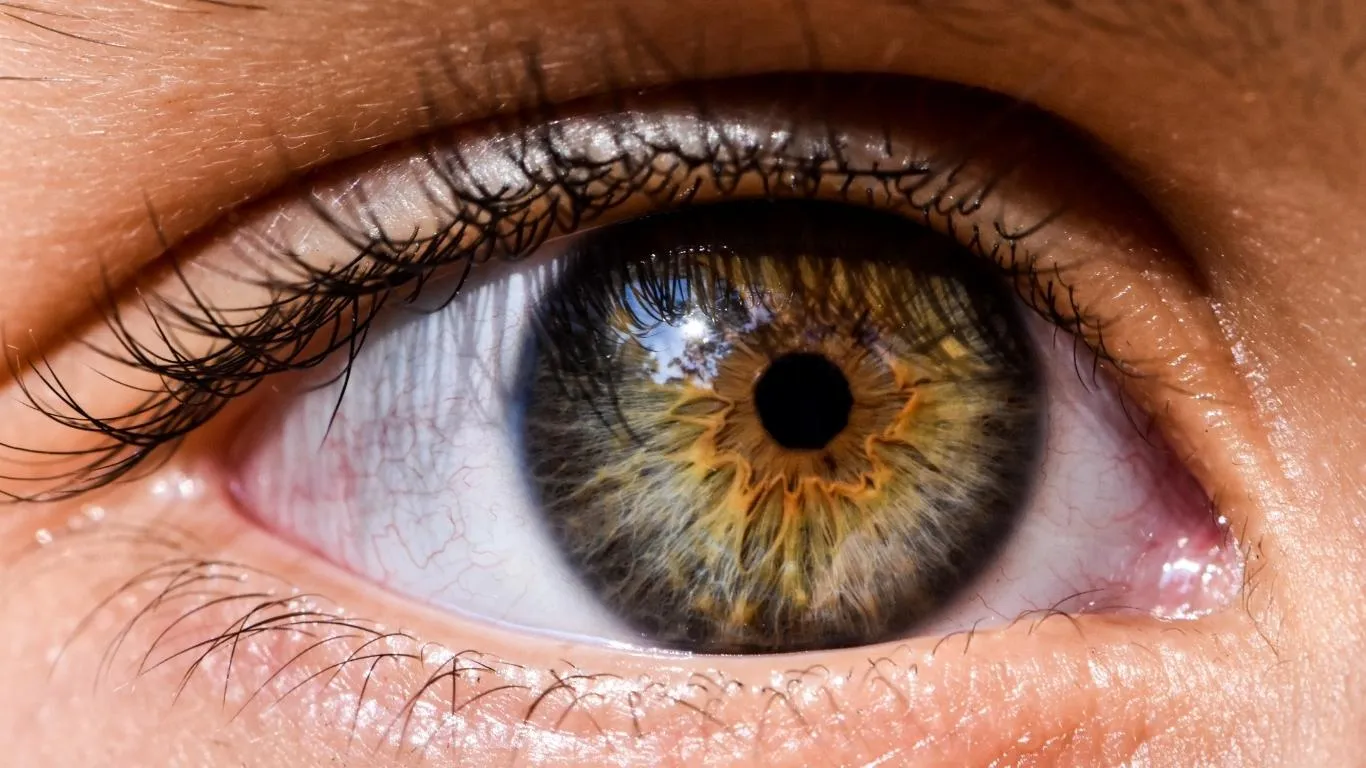
Why Floaters Get Worse While Walking Under Ceiling Fans
Okay, so you’ve just walked into a room, looked up at the ceiling fan spinning above your head, and—bam!—there they are again. Those strange, squiggly little things drifting across your field of vision. You blink, rub your eyes, look away, and they’re gone… for a second. But every time you walk under that fan—or in certain lights—they show up like uninvited guests. If you’ve been wondering why these floaters seem to appear (or worsen) when walking under ceiling fans, trust me, you’re not alone. I’ve been there. And after digging into both the science and some very personal experiences, there’s more going on here than just imagination.
Why Do Floaters Seem Worse Under Ceiling Fans?
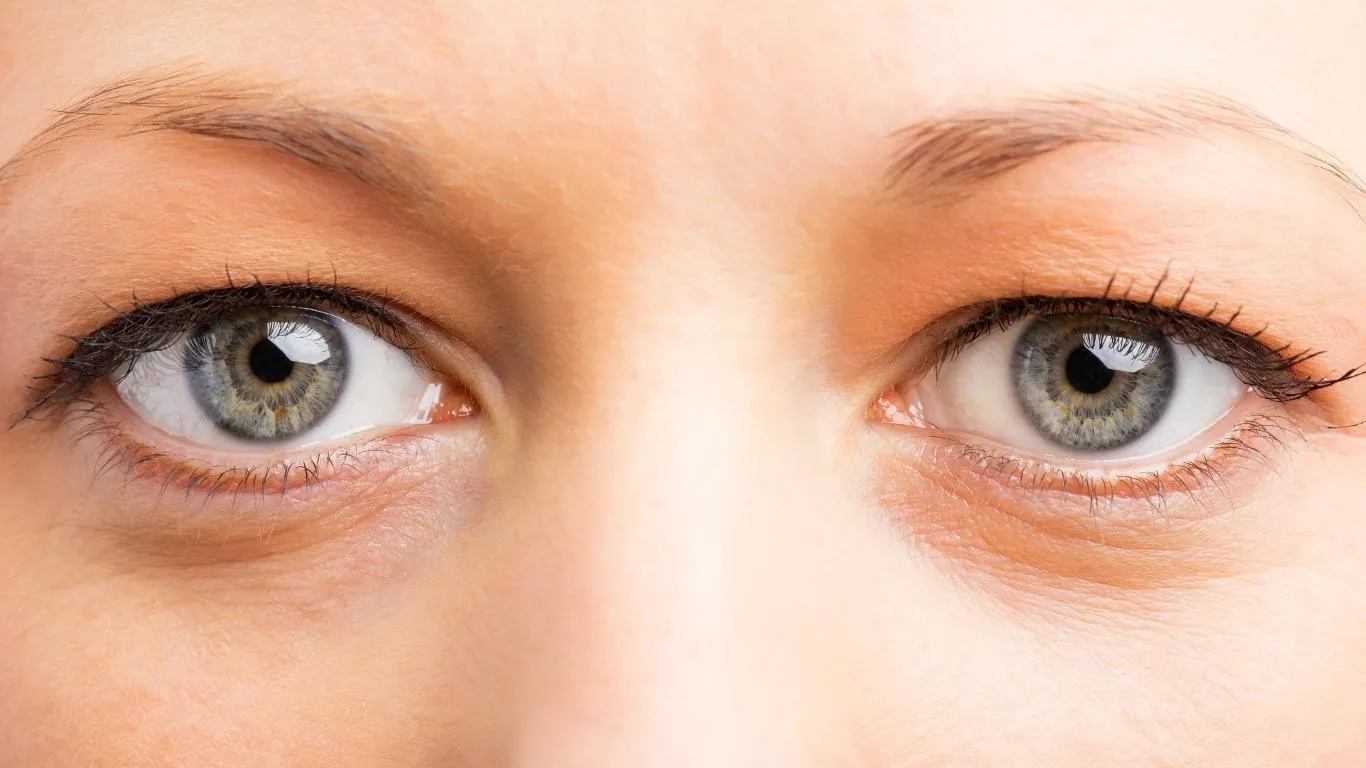
Let’s start with the basics. Eye floaters are small, shadowy shapes that drift around in your vision. They’re actually tiny bits of collagen or cells inside the vitreous—the jelly-like fluid inside your eye. Most of the time, they’re harmless. But what makes them more obvious in some settings, especially under ceiling fans?
Light and Motion: The Perfect Storm
The lighting setup in most rooms with ceiling fans tends to involve overhead or center lighting. When the blades move, they chop up that light—literally. The flickering pattern creates shifting shadows and contrast in the environment. This moving contrast enhances the visibility of floaters, especially against brighter backgrounds like white ceilings.
Ceiling fans don’t just cool the room—they stir up visual chaos. The light passing through the spinning blades mimics strobe effects, which your eyes have to work harder to filter. That increased strain makes you more likely to notice floaters that were already there but dormant in plain sight.
My First Encounter With Floaters Under a Fan
Honestly, I thought I was losing it the first time it happened. It was after dinner, I walked into my bedroom, flipped the ceiling fan on, and suddenly noticed these faint little worms hovering in my vision. I kept blinking, even washed my face thinking I was just tired. But they were still there—faint but undeniably present. Once I looked away or moved out from under the fan, they faded. That’s when I started putting two and two together.
Lighting Conditions Matter More Than You Think

There’s a reason floaters feel more obvious in some lighting situations. The combination of bright artificial light and high ceiling contrast—especially white ceilings—provides the perfect canvas for floaters to become visible. Natural lighting from windows doesn’t usually scatter light in the same way.
Other Light-Triggered Scenarios
- Looking at ceiling lights while lying flat on your back
- Fluorescent or LED lighting in hospitals and office buildings
- Sunlight pouring in through windows bouncing off light-colored walls
And yes, there’s a specific connection between fluorescent light and floaters that’s been observed in a lot of people.
Why Movement Makes Floaters Appear

Here’s where it gets a little more technical but still relatable. Floaters don’t just exist—they move within your vitreous. When you walk, turn your head, or follow a moving object (like ceiling fan blades), the vitreous shifts slightly. That means floaters drift and spin with your movement, becoming more noticeable.
There’s even some research suggesting that motion-based visual activities can accentuate floater awareness. If you’ve ever walked under a ceiling fan and suddenly saw floaters swirling, you’ve witnessed this phenomenon firsthand.
Posture and Gaze Direction Matter Too
Looking upward while walking under a fan naturally changes your head position and eye movement, which can also change how light hits the retina—and where the floaters fall in your field of vision. According to recent discussions on motion-triggered floaters, those rapid shifts can literally ‘jiggle’ floaters into view.
Is It Something More Serious?

In most cases, floaters aren’t dangerous. But let’s not sugarcoat it—sometimes they are. If your floaters increase suddenly, change shape, or are accompanied by light flashes, blurred vision, or shadows, it’s not just about ceiling fans anymore. You need to get checked immediately.
There’s a clear difference between benign floaters and those linked to retinal issues, and understanding this can save your vision. Learn how to tell them apart in this guide on distinguishing floaters from other eye problems.
Also, don’t skip this in-depth resource from the American Academy of Ophthalmology for more medically reviewed info.
What You Can Do to Minimize Floaters Under Ceiling Fans
If you’re like me and ceiling fans are a daily necessity, there are ways to reduce the visual annoyance of floaters:
- Adjust lighting angles: Try using side lamps or diffused light rather than direct overhead sources.
- Reduce high-contrast surroundings: A dark ceiling fan on a white ceiling makes floaters easier to see.
- Use ceiling fans with covers or indirect lighting: This softens the light and minimizes the strobe effect.
- Stay hydrated and rest your eyes: According to hydration and floater reduction studies, lifestyle tweaks do make a difference.
Some people even find relief by using blue light filters or adjusting screen exposure, especially if they’re working under ceiling fans in home offices.
If your floaters have worsened recently or you’re noticing them more during specific activities, it’s also worth checking out the full range of floater treatment options available today.
And for a deeper dive into what causes these tiny disruptions in your field of vision, don’t miss this overview on what eye floaters are and how to manage them.
How Ceiling Fan Conditions May Mask Underlying Vision Problems
Here’s the catch—and something I honestly didn’t realize until much later: lighting from ceiling fans can actually camouflage or distort early symptoms of more serious eye conditions. The flicker, the motion, the disorienting shadows… they can all distract from what your eyes are really trying to tell you.
I brushed off my floaters for months thinking, “It’s just the light,” only to find out during a routine eye exam that I had early signs of posterior vitreous detachment (PVD). It wasn’t urgent, but it shouldn’t have gone unchecked that long.
If you’re experiencing floaters more intensely under fans, but also:
- They appear in dim light or at night
- You notice them while reading or driving
- You’ve recently had an eye injury or surgery
—it’s time to book an appointment. These could be more than a nuisance. If you’re not sure whether your symptoms match serious indicators, this breakdown of when floaters become medically serious can help.
Do Certain People Notice Floaters More Under Fans?
Absolutely. If you’re nearsighted (like me), you’re already at higher risk for developing floaters. People with high myopia often have thinner retinas or elongated eyeballs, which stretches the vitreous and makes floaters more common—and more annoying in environments with intense lighting shifts.
In fact, I remember talking to my ophthalmologist about why I seemed hyper-aware of floaters while walking under ceiling fans at work. He wasn’t surprised at all. Turns out, high myopia and daily floater disturbances go hand in hand.
Other groups who may notice fan-related floater issues include:
- People over 40 (due to age-related vitreous changes)
- Those who spend lots of time under LED or fluorescent lighting
- Individuals with a history of eye inflammation or eye strain
If you fall into one of these categories, it’s worth being proactive about eye care even if your symptoms come and go. For example, I didn’t think my floaters after screen time were related… until they started interfering with my ability to work.
Simple Lifestyle Hacks That Help (More Than You’d Think)
We often underestimate how much our daily environment plays into our floater perception. I did—until I made a few small changes and saw a huge difference in how frequently I noticed mine. Here’s what helped me (and what could help you too):
- Switch to matte paint or textured ceilings: It breaks up the uniform brightness that makes floaters pop.
- Use indirect lighting instead of overhead bulbs: Lamps with warm tones reduce glare and visual strain.
- Keep hydrated: Yes, again. It sounds like a cliché, but dryness can make vitreous changes more noticeable.
- Do focused eye exercises: I’ve personally tried a few from this eye exercise guide, and while they won’t eliminate floaters, they help manage strain.
- Monitor screen exposure in rooms with fans: Combine the two for too long and you’ll trigger flare-ups, trust me.
Also, cutting back on caffeine late in the day helped my floaters feel less “jumpy” at night. It wasn’t a cure, but it brought relief. There’s an interesting insight on that in this article on caffeine and floaters.
What If Floaters Start After Turning the Fan On?
If your floaters only become noticeable immediately after turning the fan on—like within seconds—it might be more about motion-triggered perception than new floaters forming. That said, if it happens frequently, you might be dealing with an underlying issue like:
- Dry eyes worsened by airflow from the fan
- Vitreous shifts from head movements when looking up
- Pressure sensitivity triggering visual changes
There’s even a little-known link between floaters and sinus pressure or changes in intracranial pressure that can be set off by sudden head tilts. I personally noticed more visual disruptions after having a mild sinus infection and lying under the ceiling fan. For more insight, check out this deep dive on sinus infections and their floater connection.
When to See a Specialist (And What to Ask)
Alright, so here’s where we stop guessing and start acting. If floaters under fans are bothering you more than before—or you’re just unsure what’s normal—it’s totally okay to book an exam. I always bring a list of observations to my appointments now, including:
- When the floaters appear (time of day, lighting conditions)
- Whether they move, pulse, or stay static
- Whether they come with flashes or dark shadows
Ask your optometrist or ophthalmologist about retinal scans, especially if you’re nearsighted or over 40. They can spot vitreous changes or early signs of something more serious long before it affects your daily life. Here’s a great summary of the various treatment options from monitoring to surgery worth knowing about.
And if you’re starting your journey understanding these odd little shadows, the full guide on causes and treatments of eye floaters gives you the foundational knowledge you need to feel confident and proactive about your eye health.

Camellia Wulansari is a dedicated Medical Assistant at a local clinic and a passionate health writer at Healthusias.com. With years of hands-on experience in patient care and a deep interest in preventive medicine, she bridges the gap between clinical knowledge and accessible health information. Camellia specializes in writing about digestive health, chronic conditions like GERD and hypertension, respiratory issues, and autoimmune diseases, aiming to empower readers with practical, easy-to-understand insights. When she’s not assisting patients or writing, you’ll find her enjoying quiet mornings with coffee and a medical journal in hand—or jamming to her favorite metal band, Lamb of God.