Why Floaters Distract You While Writing Affirmations Near Windows
Ever tried writing affirmations near a window only to find yourself distracted by those tiny, floating shapes drifting across your vision? Yeah, me too. I remember sitting by my bedroom window one calm morning, pen in hand, ready to rewire my mindset for success—and boom, there they were again. Floaters. Like little shadowy threads dancing around, refusing to let me focus. At first, I brushed it off. But when they kept showing up every time I was near bright, natural light, I knew I had to dig deeper. Here’s what I learned and what I wish I knew sooner.
Why Floaters Show Up While Writing Affirmations Near Windows
The Lighting Factor: Brightness Amplifies Visibility
Natural light pouring through windows makes floaters stand out more. These wispy or transparent blobs are already floating around in the vitreous gel of your eyes, but under normal indoor lighting, they’re barely noticeable. When you’re near a window, especially during sunrise or sunset when the light angle is sharp and direct, it’s like putting a spotlight on them.
It’s not your imagination—floaters are more pronounced in brighter environments. The contrast between the bright background and the shadows cast by these floaters on your retina makes them super visible.
The Stillness of Writing Helps Them Stand Out
Writing affirmations tends to be a slow, mindful activity. You’re not darting your eyes around like when you’re reading a book or watching a show. This stillness means your brain isn’t distracted and has more “bandwidth” to notice things like floaters.
And let’s be honest, focusing on something internal (like repeating affirmations) makes you hyper-aware of what’s happening visually. It’s like turning down the noise so you can hear the softest background hum—you suddenly notice what was always there.
How to Tell If These Floaters Are Normal
When Floaters Are Just Annoying, Not Dangerous
Most floaters are totally harmless, especially if you’ve had them for a while and they haven’t changed shape or frequency. They’re usually the result of age-related changes in the vitreous gel of your eye, called vitreous syneresis. If you’re in your 30s or beyond, it’s common to notice them after a certain point—especially if you’re nearsighted.
Eye floaters often come and go, especially when you shift your gaze or blink. According to this article on eye floaters in young adults, even people with perfect vision can develop them early on.
Red Flags You Shouldn’t Ignore
Here’s when you should stop writing affirmations and pick up the phone instead:
- Sudden onset of many new floaters
- Flashes of light (like a camera flash)
- Loss of peripheral vision or a curtain effect
These could be signs of retinal detachment, which is a medical emergency. Don’t wait it out. Visit an eye specialist immediately or check out this in-depth post on floaters and retinal tears.
Does Your Environment Make It Worse?
Why Windows and Writing Go Hand in Hand With Floaters
There’s something about setting up next to a sunlit window—maybe it’s the peace, or the symbolism of letting light in. But for those with floaters, this environment can backfire. The high contrast setting makes those translucent specks show up more prominently, especially against pale backgrounds like the blank page of a journal or a white wall.
I’ve even found that floaters get worse when journaling in rooms painted in pastel colors or near white curtains. It’s not just superstition—your visual background has everything to do with how visible floaters become. That’s actually covered in the article on floaters in pastel environments.
Screen Time, Lighting Angles & Other Triggers
If you alternate between handwriting and typing affirmations, screen time could also be worsening the floaters. Many report worsened floaters after long visual tasks. You can read more on how light and visual strain play a role here.
Adjusting your writing station—lowering blinds, avoiding direct sunlight, or switching to ambient lighting—can make a noticeable difference. I personally swapped my usual spot by the east-facing window to a more shaded corner and noticed fewer distractions from floaters while writing.
Is It Just Floaters, or Something More?

Understanding the Science of Floaters
Most floaters are little clumps of collagen inside the vitreous gel. As we age, the gel becomes more liquified and separates from the retina. That’s when clumps or strands begin to cast shadows. Posterior Vitreous Detachment is one of the main causes and usually occurs after age 50—but it can happen earlier in nearsighted people or those with eye trauma.
According to ncbi.nlm.nih.gov, myopia significantly increases the risk of earlier vitreous changes, making floaters show up decades before the average age. If you wear glasses and spend a lot of time in front of screens or reading, your floaters may simply be part of that lifestyle.
But Why Do They Feel Worse When You’re Calm?
This part surprised me. I always thought stress caused more floaters. Turns out, the opposite can be true. When your mind is quiet—like during affirmations—you actually perceive floaters more clearly. Your brain isn’t distracted, so it processes visual “noise” more deeply.
That aligns with insights from this exploration of floaters during outdoor affirmations, showing how calm moments often reveal subtle changes in vision you’d otherwise miss.
Should You Be Concerned About Floaters While Journaling?
Not Always, But Awareness Is Key
If the floaters stay consistent and aren’t accompanied by flashes or vision loss, chances are they’re benign. But if you’re noticing a sudden change—more floaters, new shapes, or they’re affecting your ability to concentrate—it’s worth getting your eyes checked. Even if it’s just for peace of mind.
When I first noticed mine, I assumed it was just part of aging, but I also wanted to be sure I wasn’t overlooking something serious. Reading up on common causes of floaters helped me connect the dots between my visual habits, health, and lifestyle.
And if you’re looking for a deeper dive into what floaters are, how they’re formed, and when to seek help, the main pillar article covers it all in one place.
What You Can Do to Minimize Floaters While Writing Affirmations
Adjusting Your Environment
One of the simplest tricks I stumbled upon—purely by accident—was shifting where I sit. Instead of sitting directly in front of a sunlit window, I moved slightly to the side where the light wasn’t so direct. The difference? Huge. The floaters weren’t gone, but they were way less distracting.
Try these quick environmental tweaks:
- Use sheer curtains to diffuse harsh light coming in.
- Switch to indirect lighting if writing at night or on cloudy days.
- Avoid bright white pages; go for cream-colored journals or slightly toned paper.
If you’re using digital affirmations, blue light filters or sepia background tones can help reduce the sharpness that makes floaters pop out.
Use Your Eye Movements Strategically
Ever tried the “floaters flush”? That’s what I call it anyway. If I catch myself staring at a floater mid-sentence, I pause, look left and right, then blink slowly a few times. It’s not a cure, but it helps move the floater out of my line of sight just long enough to get back into the groove.
This also helps your eyes reset their focus when you’re switching between your journal and your view out the window. Floaters moving with your eye direction is totally normal—they’re literally inside your eye’s gel—but being aware of their behavior helps you feel less distracted by them.
Supplements and Eye Nutrition You Can Actually Trust
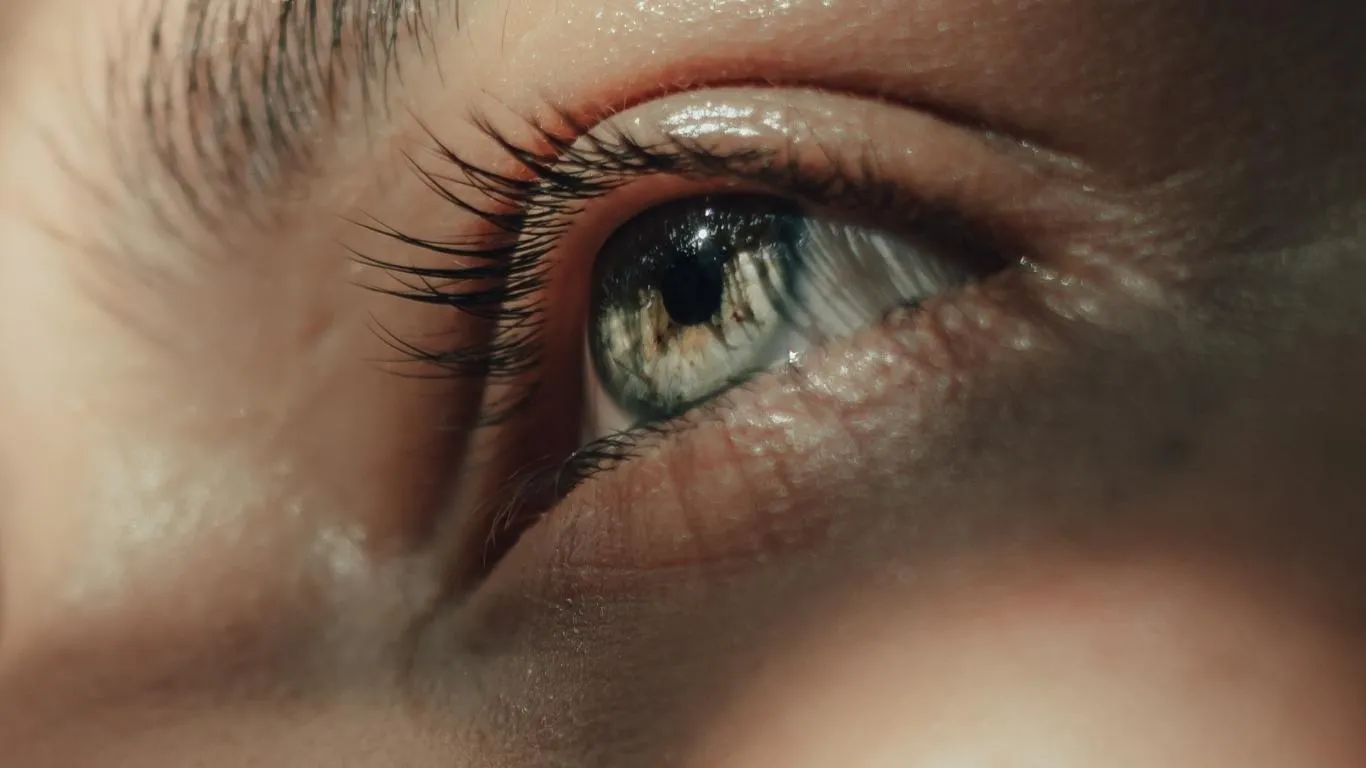
Let’s Talk Eye-Friendly Nutrients
I was skeptical at first. Another supplement? Really? But after digging into it—and trying a few myself—some ingredients do have strong science behind them. The big ones to look for:
- Lutein and Zeaxanthin – Help protect the retina and improve visual contrast.
- Vitamin C – Plays a role in collagen formation, which is key in vitreous health.
- Omega-3 fatty acids – Support fluid circulation and reduce inflammation in eye tissues.
I added more leafy greens, citrus fruits, and wild-caught salmon into my meals—and yes, I noticed less visual “junk” floating around after a few weeks. Curious if diet plays a role? Definitely check out these diet changes for floaters.
What About Collagen Supplements?
Good question. Some optometrists I spoke to gave it a cautious thumbs-up. While collagen doesn’t reverse existing floaters, supporting vitreous health might help slow down new ones from forming. You can read about the real effects in this guide to collagen for the eye.
Mindfulness, Affirmations & the Vision Connection
Writing Affirmations Can Boost More Than Your Mood
Floaters aside, journaling affirmations near windows is a practice worth keeping. It helps rewire your thoughts, lowers stress levels, and brings a kind of emotional clarity that’s honestly rare in today’s world. But if floaters are disrupting your flow, that doesn’t mean you have to give it up. It just means modifying your space a little.
Sometimes I write affirmations with my eyes closed first, then open them to journal. That helps reduce visual strain while still keeping the intention alive. If you’re someone who combines visual focus with internal stillness, this can really balance things out.
Dealing With Floaters Without Losing Focus
It’s easy to spiral into frustration—believe me, I’ve been there. But floaters are often a gentle nudge to slow down and be more present. Ironically, they’ve taught me patience. I started treating them like background noise—like the ticking of a clock in a quiet room. Still there, but not the main focus anymore.
If you find they’re still affecting your journaling practice, this article on floaters and visual fatigue is an eye-opener—pun intended.
When to See a Specialist—And Why It Matters
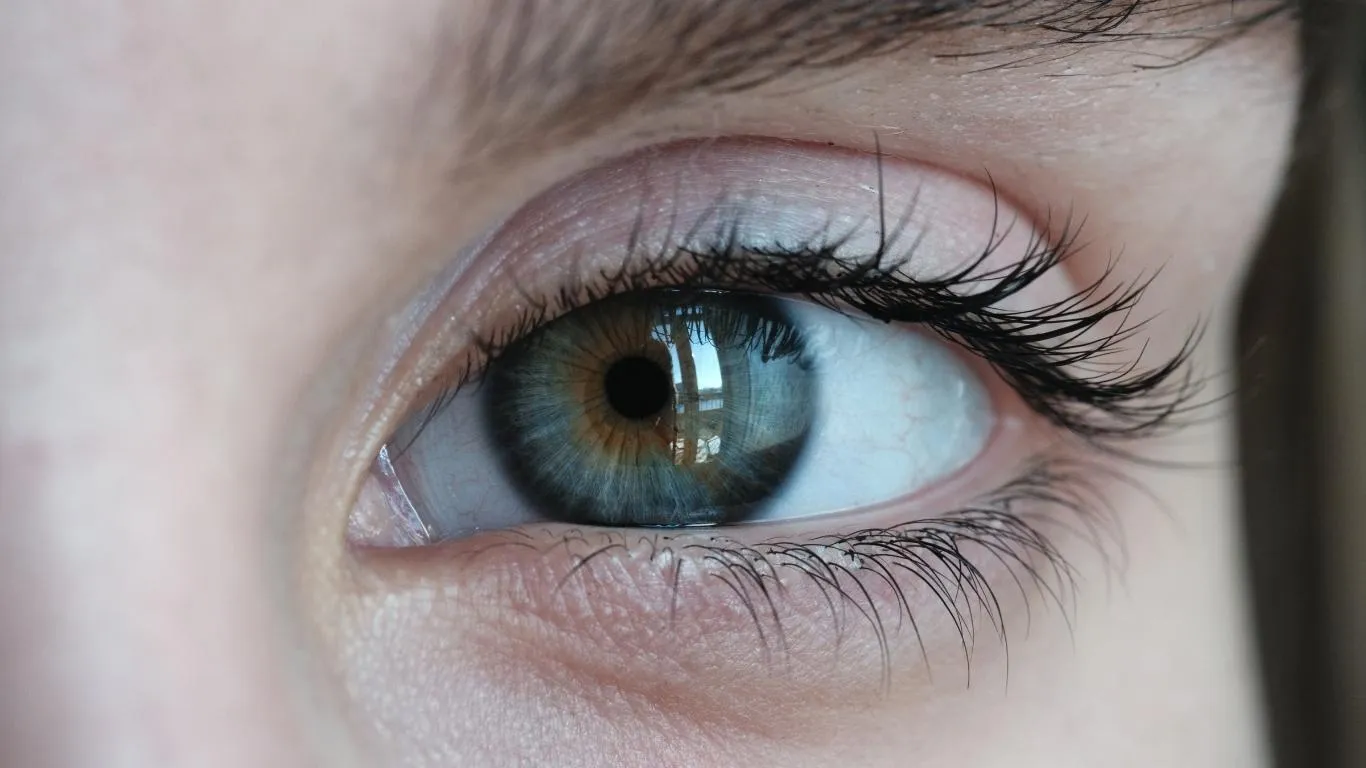
Monitoring Sudden Changes
You don’t need to panic at the first sign of a new floater. But any sudden increase in floaters, flash of light, or loss of side vision warrants a same-day visit to an ophthalmologist. That’s not optional. It could indicate retinal issues like a tear or detachment, which need to be caught early.
Many people—my past self included—dismiss floaters as just a side effect of screen time or tired eyes. And while that’s often true, floaters can signal deeper retinal issues that you don’t want to miss.
Where to Go for More Answers
If you’re just starting your journey understanding floaters and how they show up during daily rituals like journaling or self-reflection, bookmark this deep-dive article on recognizing floater symptoms. It’s one of the most helpful pieces I’ve read that bridges medical insight with real-world experience.
And for an expert overview on floaters, including causes and treatments, the comprehensive guide from Healthusias’ main pillar is your go-to reference.

Camellia Wulansari is a dedicated Medical Assistant at a local clinic and a passionate health writer at Healthusias.com. With years of hands-on experience in patient care and a deep interest in preventive medicine, she bridges the gap between clinical knowledge and accessible health information. Camellia specializes in writing about digestive health, chronic conditions like GERD and hypertension, respiratory issues, and autoimmune diseases, aiming to empower readers with practical, easy-to-understand insights. When she’s not assisting patients or writing, you’ll find her enjoying quiet mornings with coffee and a medical journal in hand—or jamming to her favorite metal band, Lamb of God.