Why Floaters With No Change After Years Might Still Matter
For as long as I can remember, I’ve had these faint little specs and strands drifting around in my vision. They’ve been there since my early 30s—now I’m past 40—and honestly, they haven’t really changed. No better, no worse. Just… there. If you’re like me and dealing with floaters with no change after years, you’re not alone. And while that might sound oddly reassuring, the real question is—what does it actually mean for our eyes?
What Does It Mean When Eye Floaters Stay the Same for Years?
Most people assume floaters will either go away, get worse, or signal something alarming. So when nothing changes for years, it feels like being stuck in limbo. But here’s the deal—not all floaters progress. In fact, in many cases, they stabilize and simply become part of your visual landscape.
The medical term for these specs is vitreous floaters, and they’re often caused by clumps of collagen floating in the gel-like substance inside the eye. If they’ve been consistent and you haven’t noticed new flashes, vision loss, or increasing shadowy areas, your floaters may be what’s known as “benign floaters.”
I remember asking my eye doctor a few years back, “Shouldn’t something have changed by now?” He explained that if floaters are caused by age-related vitreous changes and not from retinal issues, they can literally just… linger.
Floaters After Posterior Vitreous Detachment (PVD)
One common reason floaters appear is posterior vitreous detachment. Once that event occurs, some people develop floaters that don’t evolve much further. As long as there’s no retinal tear, they simply settle into a stable pattern, annoying but not dangerous.
Why Some Floaters Remain Unchanged Over Time
- Age-Related Vitreous Changes: These floaters often stabilize after the initial changes in the eye’s vitreous gel finish their shift.
- Lack of Retinal Involvement: Floaters from benign causes rarely worsen unless something else—like trauma or retinal issues—enters the picture.
- Stable Eye Health: No other underlying conditions like diabetes, uveitis, or high myopia means floaters often remain consistent.
Interestingly, a study published by the American Academy of Ophthalmology confirmed that most floaters related to aging alone do not necessarily worsen over time.
But Should You Be Concerned If They Don’t Change?
That’s the million-dollar question. And the answer lies in your overall eye health. If your floaters aren’t accompanied by other symptoms—flashes of light, dark curtains, pain—you’re probably okay. Still, it’s wise to get annual eye checkups.
And let me just say this as someone who’s had them for over a decade—you can learn to live with them. I’ve adapted so well that I sometimes forget they’re even there unless I’m staring at a white wall or sky.
When Floaters With No Change Might Still Need a Closer Look

Okay, now let’s not get too relaxed here. Floaters that don’t change might seem harmless, but under certain conditions, they deserve a second look. Here are some signs that even stable floaters could still be linked to something worth investigating:
- You’re over 50 and never had a full dilated eye exam.
- You have diabetes or autoimmune conditions known to affect the retina.
- There’s a family history of retinal detachment or other vitreoretinal diseases.
These don’t mean your floaters are dangerous, but it’s about layering awareness with precaution. For instance, I once found out a coworker ignored her floaters for years, only to discover late-onset macular changes. Better to be safe than sorry.
Is There Any Way to Get Rid of Long-Term Floaters?
If your floaters have overstayed their welcome and you’re looking for relief, you’re not alone. There are a few options people explore, although the effectiveness varies wildly:
- Observation: For many, just monitoring is enough. It’s what I chose personally.
- Vitrectomy: This surgical option removes the vitreous gel but comes with its own risks.
- Laser vitreolysis: Not widely available, and results can be mixed.
- Natural management: Some try herbal approaches or supplements. See this take on natural remedies for floaters.
What the Research Says About Long-Term Floaters
There’s no shortage of chatter on Reddit and forums, but real data is what matters. Research indicates that many floaters remain unchanged for years—especially those related to age and PVD. A comprehensive write-up on that is available in the Eye Floater Treatments pillar, which breaks down both surgical and non-invasive approaches.
If you’re still wondering whether you should be concerned, the broader context might help. According to NIH studies, most patients with persistent floaters don’t experience functional vision loss or retinal complications.
Don’t Ignore What Your Eyes Are Trying to Say
Even if those floaters have been chilling in your vision for ages without changing, your eyes are still worth listening to. Staying on top of your routine exams and understanding the signs of something more serious is the best approach.
If you want a full overview of causes, symptoms, and when to act, check the main article on what causes eye floaters and how to treat them.
Living With Unchanging Eye Floaters Day to Day
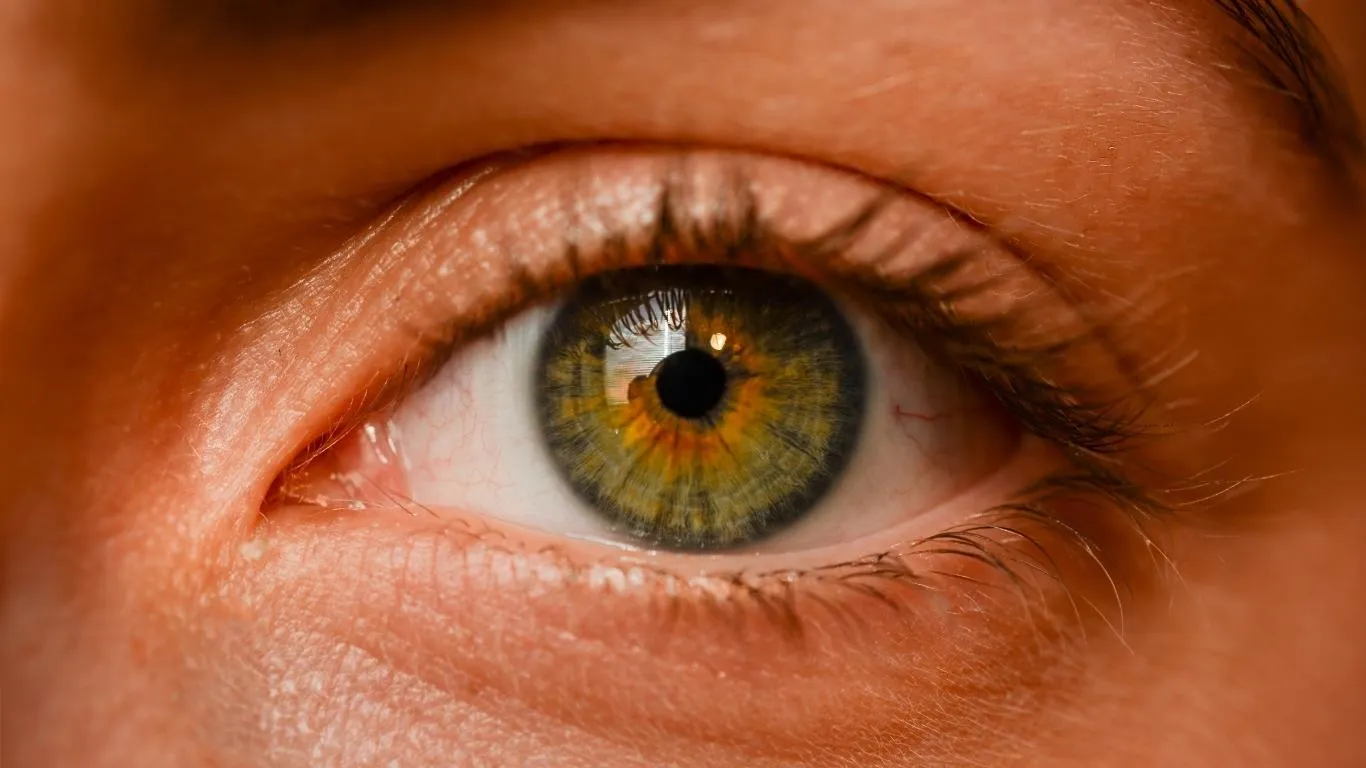
Here’s something I didn’t expect: over time, I stopped noticing them so much. Sure, they pop up against bright backgrounds or screens, but most days? I just tune them out. That’s actually pretty common. The brain is remarkably good at ignoring visual clutter—sort of like how you stop hearing the hum of an air conditioner after a while.
If floaters have remained the same for years, you might already know how to position your screen, adjust lighting, or even shift your focus to “hide” them in your peripheral vision. These aren’t hacks—just little lifestyle tweaks that help keep your sanity in check.
My Go-To Tips That Actually Helped
Nothing fancy here—just what’s worked for me personally:
- Text Mode & Dark Mode: These modes on phones or e-readers reduce floater visibility, especially in apps with large white backgrounds.
- Glare reduction: I swapped my standard glasses for lenses with an anti-reflective coating. Huge difference.
- Proper hydration: Seems simple, but dehydration made my floaters more noticeable—turns out there’s a link.
- Stretch breaks: Too much screen time always made mine stand out. Now, I stand up every hour, even if it’s just to walk to the kitchen.
What Science Says About Brain Adaptation to Floaters
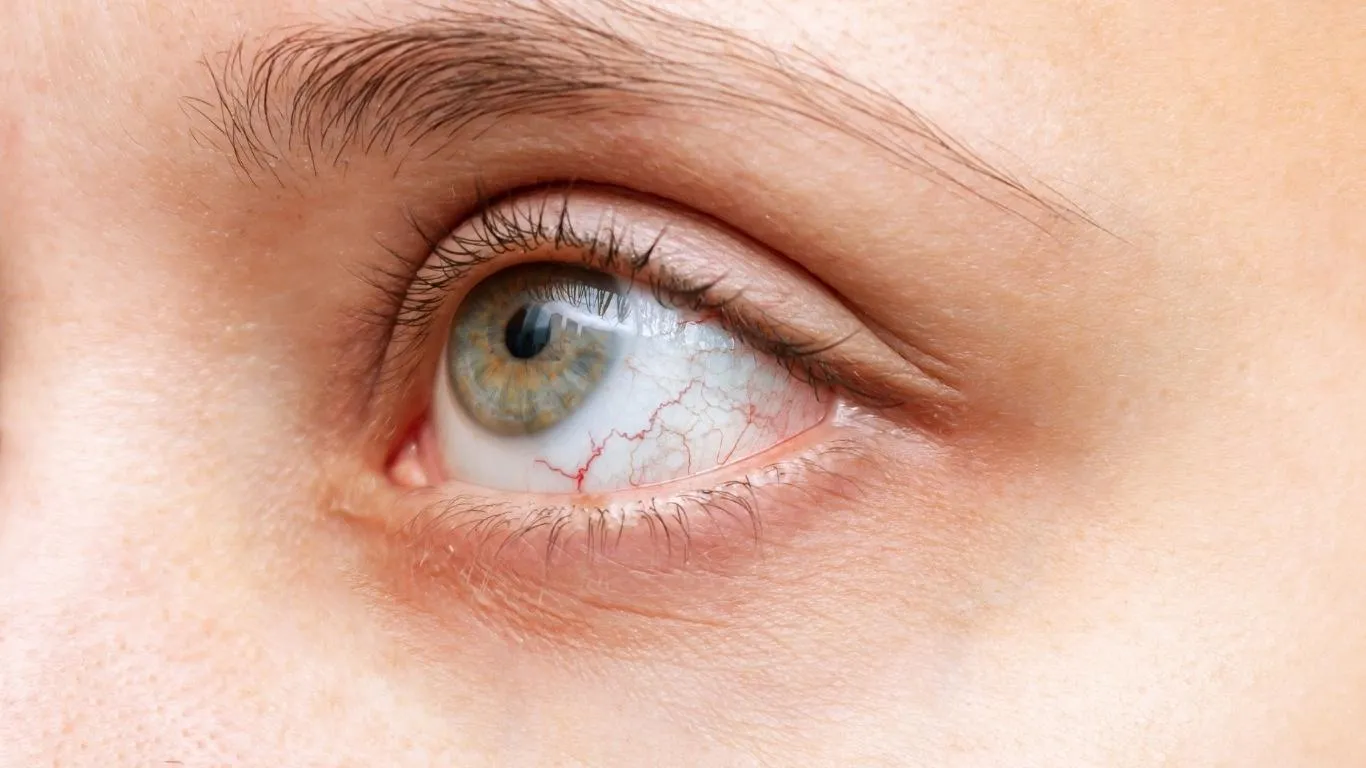
There’s a term for this mental “filtering”—neuroadaptation. Once your brain learns that those floaters aren’t dangerous, it begins to deprioritize them. A study published by NIH observed this effect in long-term floater patients, particularly those with stable symptoms and no underlying retinal issues.
This also explains why people with new floaters often find them more distracting than someone who’s had them for years. It’s not just that your floaters stop moving—it’s that your brain stops caring.
But Sometimes, They’re Suddenly More Noticeable
Ever notice your floaters getting worse during a bad night’s sleep or after hours on your laptop? That’s real. I went down the rabbit hole of research and found this great write-up on why certain actions can make floaters seem worse temporarily. For me, dry environments and long reading sessions made mine more prominent—something to keep in mind.
When to Finally Take Action—Even After Years of “Stability”
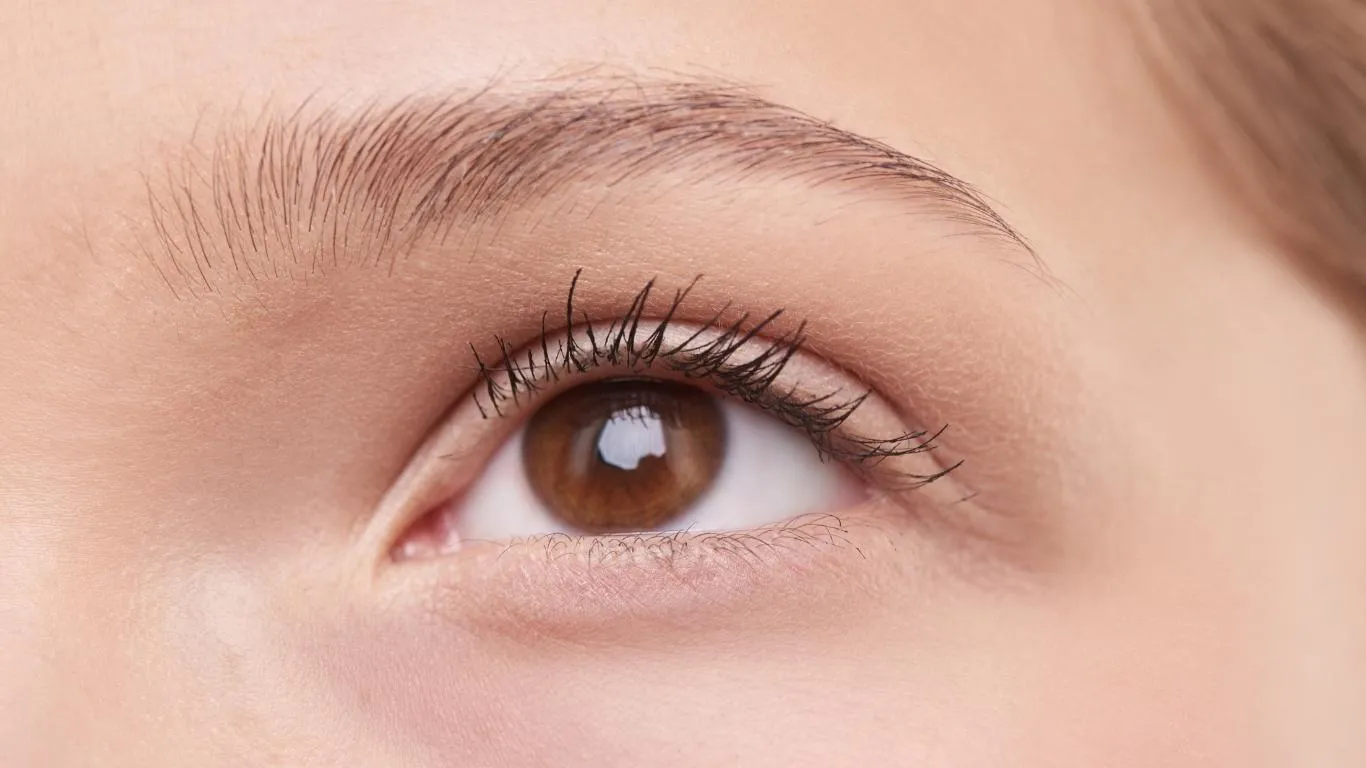
I won’t sugarcoat it. Just because your floaters have been stable doesn’t mean you get a free pass forever. There are moments you should absolutely take them seriously again, such as:
- Sudden shift in size, shape, or density of floaters
- New floaters showing up unexpectedly
- Flashes of light or shadowy arcs in your peripheral vision
- Vision distortion that wasn’t there before
In fact, when I hit 45, I made it a point to get a retinal check just to be sure. It’s one thing to adapt—it’s another to ignore warning signs. This in-depth guide on when floaters signal danger was a wake-up call for me. You can’t rely on “they’ve always been there” as a reason to skip an eye exam.
Can Supplements Actually Help After Years?
I was skeptical, but curiosity won. I tested a few vision supplements known to support vitreous health. Results? Nothing instant, but over a few months, I felt like my eyes were just… less bothered. Could be placebo, but studies on floaters and eye supplements suggest certain antioxidants may help maintain clarity.
Just make sure you go with something clinically tested—many of the “natural cure” claims online are more hype than help. And always, always talk to your optometrist first.
What Else Could Be Behind Your Long-Term Floaters?
While most floaters are harmless, a few less-common causes can fly under the radar. For instance:
- Ehlers-Danlos Syndrome: Can cause long-term collagen-related floaters that appear earlier in life.
- Autoimmune disorders: Floaters may be a subtle indicator of chronic inflammation.
- Diabetic retinopathy: Especially relevant if you have metabolic conditions.
Sometimes, you don’t notice the systemic link until much later. That’s why E-E-A-T (experience, expertise, authority, trust) is crucial when it comes to vision info—too much clickbait out there.
So, Are Floaters With No Change After Years Safe or Not?
Short answer: usually, yes. Long-standing floaters that don’t change, don’t spread, and aren’t paired with other symptoms tend to be benign. But that doesn’t mean you can forget about them entirely.
The best thing you can do? Pair personal awareness with professional oversight. I’ve had mine since my early 30s, and while they’re not gone, I don’t feel haunted by them either. They’re part of my vision, but not my worry.
If you want to get into the nitty-gritty of how floaters form, how to tell them apart from more serious issues, and treatment breakdowns, the Eye Floater Treatments article is a solid place to start.
And don’t miss the main breakdown on what causes floaters and how to deal with them—it’s the go-to reference I share with friends who are just starting to notice their own specs.

Camellia Wulansari is a dedicated Medical Assistant at a local clinic and a passionate health writer at Healthusias.com. With years of hands-on experience in patient care and a deep interest in preventive medicine, she bridges the gap between clinical knowledge and accessible health information. Camellia specializes in writing about digestive health, chronic conditions like GERD and hypertension, respiratory issues, and autoimmune diseases, aiming to empower readers with practical, easy-to-understand insights. When she’s not assisting patients or writing, you’ll find her enjoying quiet mornings with coffee and a medical journal in hand—or jamming to her favorite metal band, Lamb of God.