Why Floaters With No Vision Loss Still Deserve Your Attention
It started while I was out for a walk. A tiny speck floated across my vision, like a ghostly cobweb that refused to settle. I blinked, looked away, tried rubbing my eyes — but there it was, just hovering. No pain, no blurriness, no vision loss. Just a stubborn little shadow I couldn’t shake. If you’ve experienced something similar, you’re not alone — and chances are, you’re dealing with eye floaters, even if you have no other vision symptoms.
What Are Floaters with No Vision Loss Symptoms?
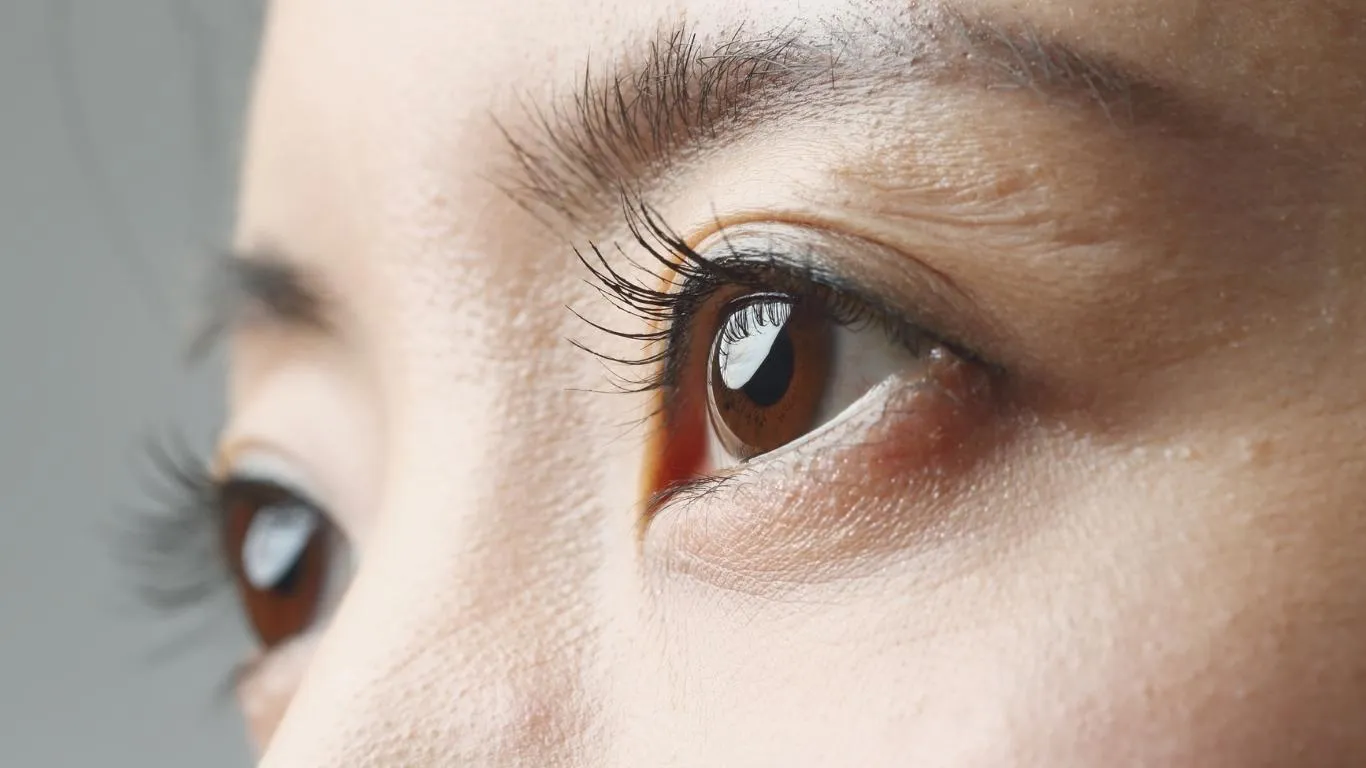
Floaters are tiny specks, threads, or cobweb-like shapes drifting across your field of vision. They’re caused by microscopic clumps of collagen in the vitreous — the gel-like substance inside your eye. As the vitreous slowly shrinks or changes texture (especially as we age), it creates shadows on your retina, resulting in floaters.
But here’s the kicker: many people with floaters experience no other symptoms. No pain, no blurriness, and no vision loss. It’s one of those frustratingly subtle changes that can mess with your focus or clarity, yet pass every eye chart test with flying colors.
Is It Normal to Have Floaters Without Any Vision Loss?
Absolutely. In fact, for most healthy individuals, especially those over 40, this is considered completely normal. The eye’s vitreous naturally changes over time — a process called vitreous syneresis. These changes often come without warning or any other symptoms.
I remember asking my optometrist about it. He smiled and said, “You’ve just joined the club. Floaters happen to everyone eventually.” Reassuring? Sort of. But still annoying.
What Do These “Symptom-Free” Floaters Look Like?
They come in all forms:
- Small dots or circles that float when you move your eyes
- Long, stringy strands — almost like a strand of hair across your lens
- Transparent blobs that drift slowly, then vanish when you try to look directly at them
- Zigzag or amoeba-like shapes that come and go, especially in bright light
Sometimes I see mine more clearly when looking at a white wall or the sky. Some mornings, they’re barely there. Other days, they’re back like annoying little guests I didn’t invite.
Should You Be Concerned If There’s No Vision Loss?
This is where things get tricky. While occasional floaters without vision loss are usually harmless, a sudden burst of new floaters could be a sign of a more serious problem. For example, if floaters appear along with flashes of light, or if it seems like a curtain is coming down over your field of view, it might point to a retinal tear or detachment.
Still, if your floaters appear gradually and without other issues, it’s often safe to simply monitor them. According to American Academy of Ophthalmology, many floaters become less noticeable over time as your brain learns to ignore them.
Some people — myself included — find that their floaters fluctuate depending on fatigue, hydration, or lighting. I’ve had days where a good night’s sleep and proper hydration made mine almost vanish. And then there are times when stress or screen overload makes them flare up again. If this sounds familiar, stress-related floaters might be something worth reading into.
Why You Might Still Want to Get Checked
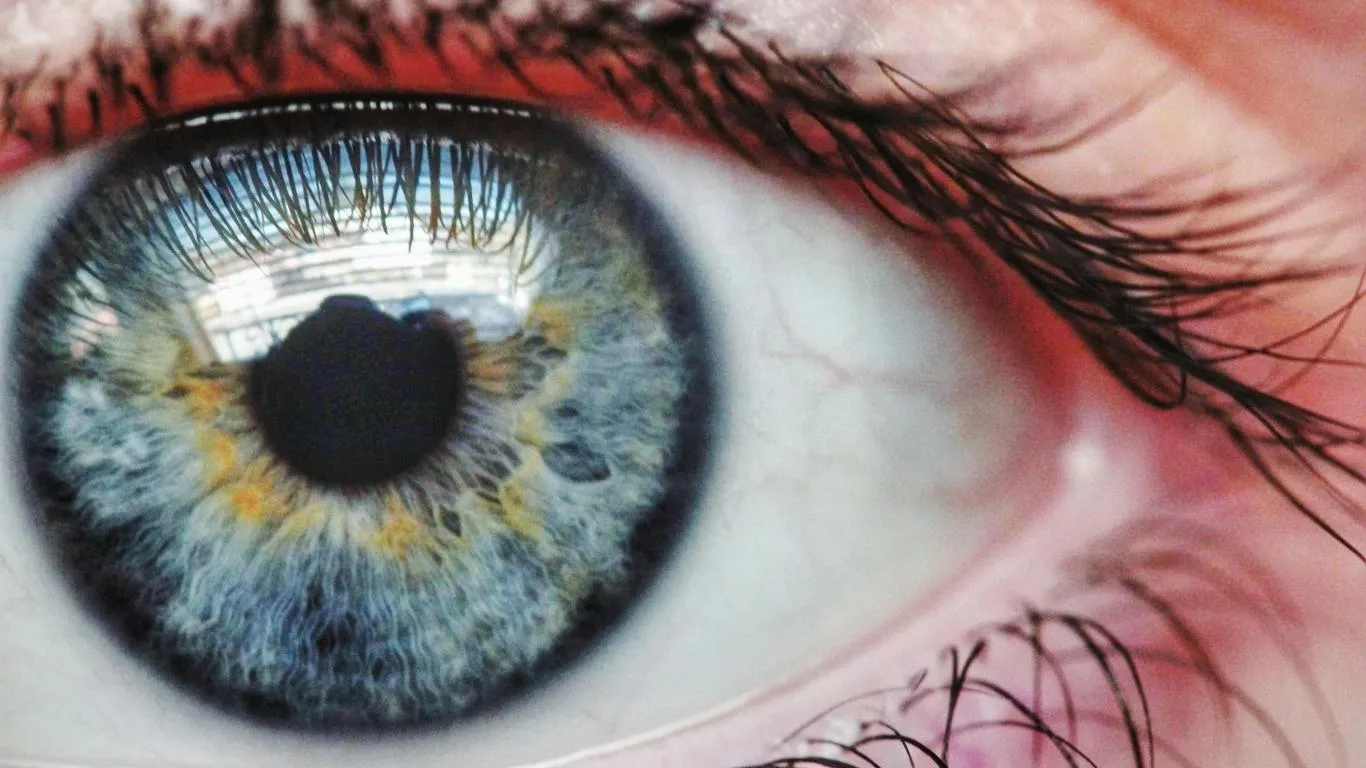
Just because you’re not losing vision doesn’t mean you should ignore changes in your eyes. I go for an annual dilated eye exam just to be safe. It’s quick, painless, and it gives me peace of mind that those floaters are just a cosmetic issue, not a medical one.
If you’ve recently noticed floaters and want to play it safe, your best move is to book a checkup. It might also be worth exploring potential links between floaters and underlying conditions like stress, diabetes, or even high blood pressure.
Everyday Triggers That Can Make Floaters Worse (Even If They’re Harmless)
There’s no denying that even benign floaters can be a nuisance. In my experience — and confirmed by my optometrist — some common floaters triggers include:
- Bright lighting: Direct sunlight or bright white backgrounds make floaters stand out.
- Extended screen time: Hours in front of a monitor can increase your awareness of floaters. Here’s how to ease it.
- Dehydration: A drier vitreous makes floaters more visible. Drinking more water actually helped me manage this.
- Lack of sleep: Fatigue makes floaters more noticeable — and more annoying. Sleep tips here.
- Stress and eye strain: The more anxious or focused I am, the more prominent they seem.
If any of this sounds like your daily routine, floaters might just be your eyes telling you to slow down.
Related Reads You Shouldn’t Miss
- Floaters after using phone in the dark
- Floaters that look like zigzag lines
- Eye floaters in young, healthy adults
To dig deeper into how to tell floaters apart from more serious eye issues, visit our detailed guide on eye floaters vs other eye problems. And for a full overview of causes, symptoms, and treatment, don’t miss our main article on eye floaters.
Can Floaters Without Vision Loss Be a Sign of Something Developing?

Here’s the part that often doesn’t get talked about enough — floaters that show up without vision loss may still be an early sign of deeper changes in your eye health. While most cases are benign, some floaters can be linked to more serious retinal issues that haven’t yet progressed to the point of impacting your vision.
I’ve met people — especially those with perfect vision and no history of eye problems — who had floaters turn out to be the first indicator of changes like posterior vitreous detachment. It didn’t impact their sight immediately, but a routine exam caught something starting to shift.
That’s why I always say: don’t wait for symptoms to escalate before you get checked.
How Long Do These Types of Floaters Typically Last?
There’s no universal timeline, but in most cases, floaters without vision loss will either remain stable or become less noticeable over time. Your brain adapts — it literally learns to filter them out of your awareness. This process is called “neuroadaptation.”
Mine, for example, seemed to fade into the background after a few months. Some days, I hardly notice them. But every once in a while, a bright sky or screen brings them front and center again. According to research on vitreous changes, this is incredibly common and not typically a red flag unless you’re experiencing a sudden increase in number or shape.
If you’ve had the same floaters for a while, and they haven’t changed or worsened, odds are they’ll just continue to be a minor nuisance — not a danger.
Natural Techniques That Help Make Them Less Noticeable
While there’s no guaranteed way to get rid of floaters entirely without surgery, you can do a few things to manage their visibility — and I’ve personally found some relief using these strategies:
- Improve hydration: The vitreous needs fluid, and dehydration makes floaters more prominent.
- Eye-friendly nutrition: Diets rich in lutein, omega-3s, and vitamin C may support vitreous health. This guide helped me clean up my meals.
- Blue light filters: Using blue light glasses or screen filters can reduce digital strain, which often intensifies floater perception.
- Yoga and eye movement exercises: These improve circulation and help you feel more in control. I use a few from this article regularly.
- Avoid white or bright backgrounds: Sounds simple, but switching my browser to dark mode was a game-changer.
When “No Symptoms” Can Still Mean Trouble
This is where most people get blindsided: just because your floaters come with no vision loss doesn’t mean there’s zero risk. A sudden increase in floaters — even if your sight is still crystal clear — could indicate:
- Retinal tears starting to form
- Vitreous pulling away from the retina
- Inflammation in the back of the eye
- Early symptoms of underlying systemic diseases
I once ignored a spike in floaters after an intense workout, thinking it was just strain. Turned out it was linked to elevated eye pressure. I caught it early, but it taught me never to downplay changes — even subtle ones. If you ever notice sudden bursts of floaters without pain or vision loss, don’t wait. Get a dilated eye exam.
What If They Start Interfering With Focus or Work?
This was one of my biggest challenges. Even though my vision was technically “perfect,” those floaters would drift right in front of the screen while I was trying to write or code. It drove me nuts. I ended up creating a set of small daily habits that helped:
- Using a matte screen protector on my laptop to cut glare
- Increasing font size to reduce eye strain
- Practicing “20-20-20” breaks (every 20 mins, look at something 20 feet away for 20 seconds)
- Switching to darker themes in apps and editors
If your floaters are making concentration difficult but your vision remains sharp, try a few of those — they made a huge difference for me. And if they’re truly affecting your work, it might be worth exploring professional treatment options.
Are There Medical Treatments Even Without Vision Loss?
Yes, but not always necessary. Most ophthalmologists won’t recommend surgery unless the floaters severely impair your quality of life. But if you’re struggling, here are a few options worth knowing:
- Vitrectomy: Surgical removal of the vitreous (and floaters). Highly effective but carries risks like retinal detachment.
- Laser vitreolysis: Uses a laser to break floaters into smaller, less visible particles. Works best for certain floater types.
- Targeted eye drops: Some drops claim to dissolve floaters, though most lack solid clinical backing. Still, you can learn more about what’s currently available.
If you’re curious about medical interventions, it’s smart to start with a low-risk consult. Many clinics offer screenings specifically for floaters, even when vision is unaffected.
More Articles That Go Deeper on Specific Triggers
- Dehydration’s role in floaters
- Floaters after a new glasses prescription
- What circular floaters might mean
If you’re still wondering whether your harmless floaters could become something more, check out the in-depth overview on when floaters are actually dangerous. For everything from causes to care, revisit the main floaters guide here.

Camellia Wulansari is a dedicated Medical Assistant at a local clinic and a passionate health writer at Healthusias.com. With years of hands-on experience in patient care and a deep interest in preventive medicine, she bridges the gap between clinical knowledge and accessible health information. Camellia specializes in writing about digestive health, chronic conditions like GERD and hypertension, respiratory issues, and autoimmune diseases, aiming to empower readers with practical, easy-to-understand insights. When she’s not assisting patients or writing, you’ll find her enjoying quiet mornings with coffee and a medical journal in hand—or jamming to her favorite metal band, Lamb of God.