Why Floaters Worsen After Sauna or Steam Bath Exposure
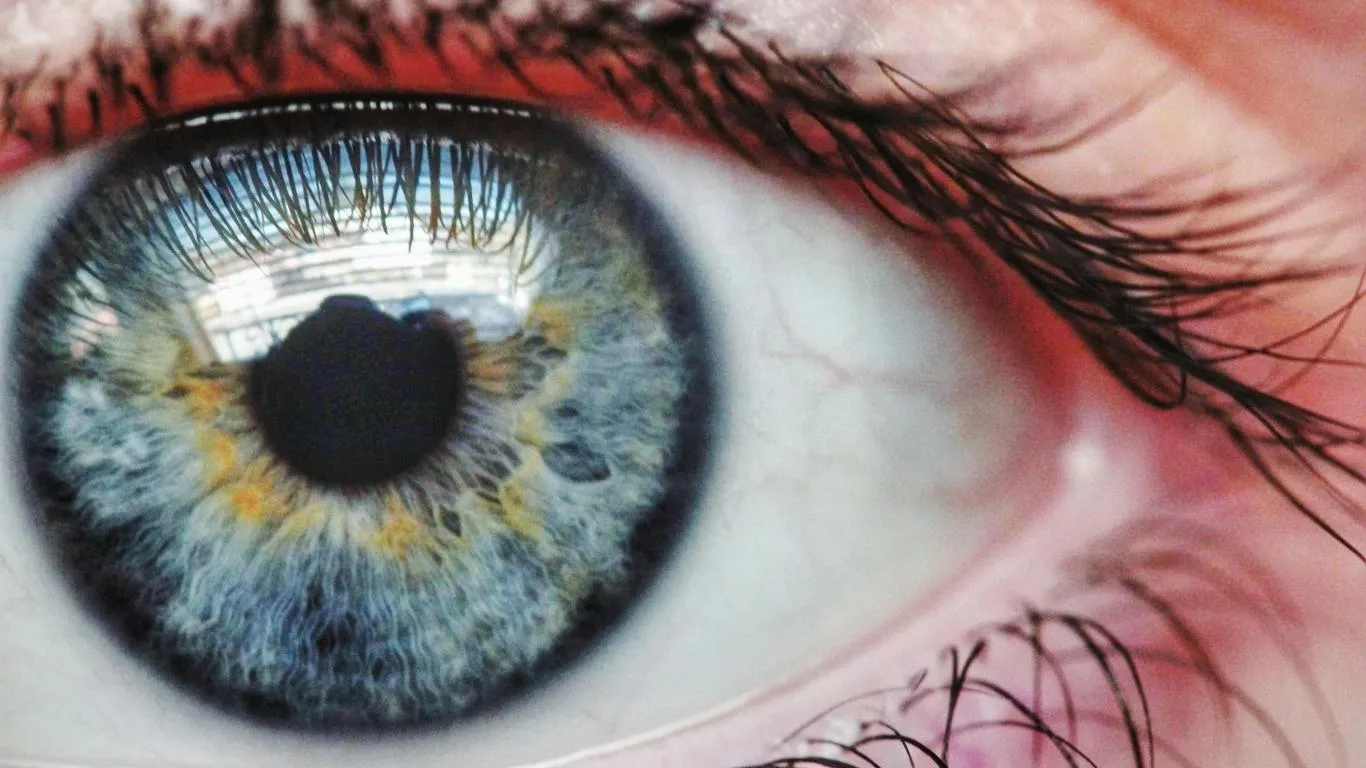
So I was in a steam room after a long week — relaxing, sweating it all out — when I noticed something odd. The tiny specks I usually ignore in my vision? Way more noticeable. And floaters after sauna? Yeah, they were not playing nice. Turns out, I’m not the only one. If you’ve ever walked out of a sauna or steam bath and wondered why your floaters are suddenly throwing a party, you’re in the right place.
Why Floaters Seem Worse After Saunas or Steam Baths
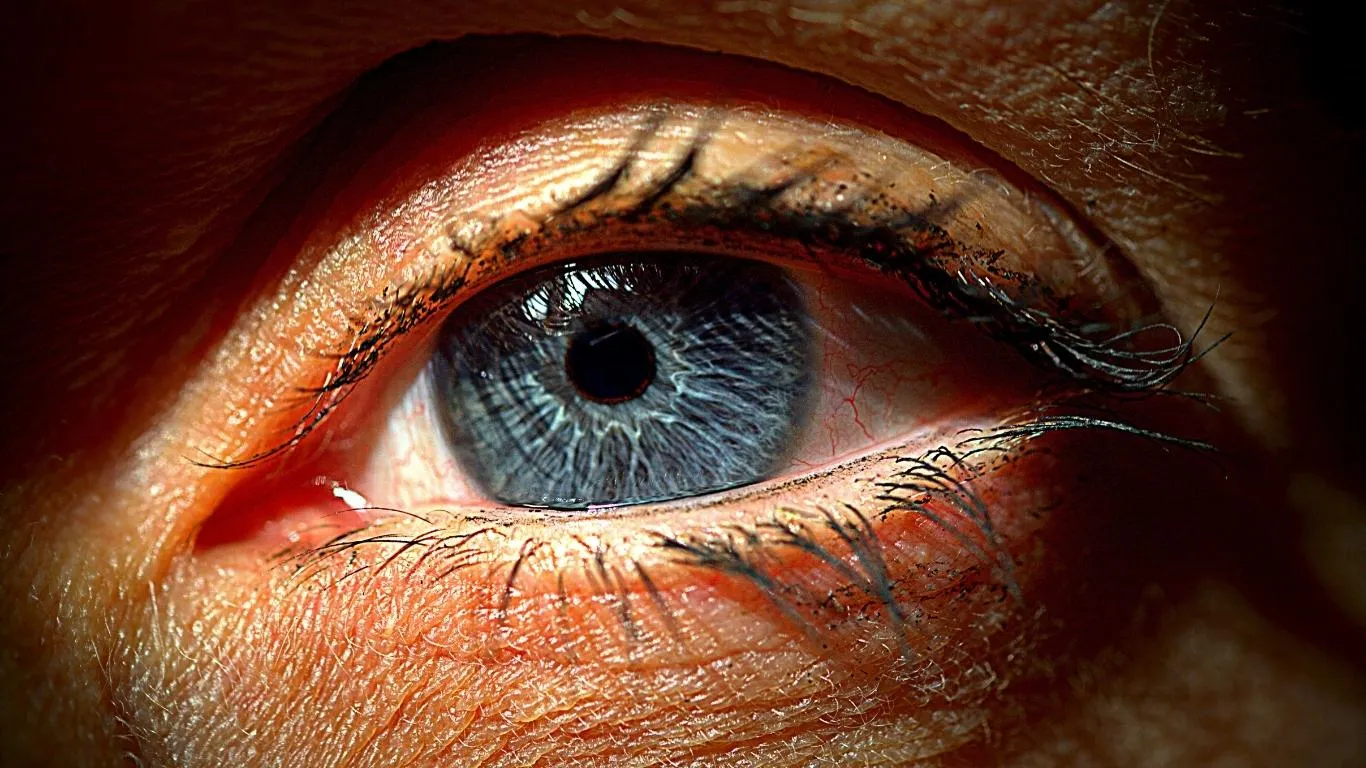
Saunas are great — detoxing, relaxing muscles, even improving circulation. But for those of us with floaters, it’s like stepping into a magnifying glass. You step out feeling zen… but then the little shadows in your vision are way more dramatic.
Heat and the Vitreous Humor: A Sensitive Relationship
Most floaters come from changes in the vitreous humor — the gel-like substance in your eye. Heat and humidity can potentially cause slight dehydration in the eye tissues or increase movement within the vitreous. That means if floaters are already present, they may shift more or become more noticeable during and after heat exposure.
Body Temperature and Circulation Affect Visual Perception
Rising core body temperature can alter blood flow to the eye, temporarily making floaters more visible. This doesn’t mean they’ve worsened structurally — just perceptually. Similar effects are reported after intense workouts or fever. But in a steam room? That foggy lighting and sweat amplify everything.
When Sauna-Related Floaters May Signal Something More
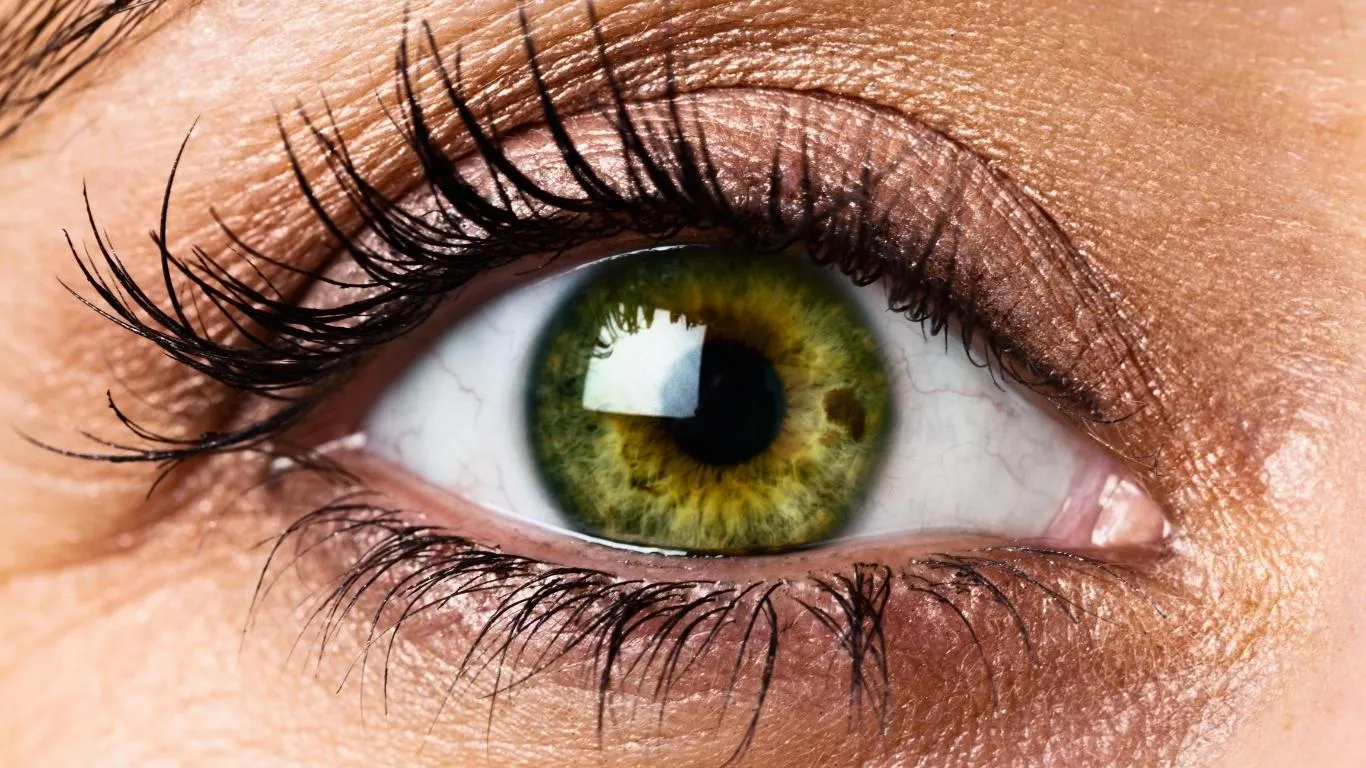
Most of the time, floaters just float. But if they spike in intensity after using a sauna, it may be worth checking for underlying causes — especially if paired with flashing lights or peripheral vision loss.
- Recent trauma or surgery?
- Retinal issues like tears or detachments?
- Inflammation or autoimmune flare-ups?
In fact, people with a history of cataract surgery or autoimmune disease might notice their floaters reacting differently under heat exposure.
Could It Be Dehydration Making It Worse?
Possibly. Steam and heat can dehydrate your whole body — including your eyes. Dehydration can shrink the vitreous slightly, pulling on the retina or changing how light hits floaters. Here’s what to know about dehydration and floaters.
Real-Life Experience: My Sauna Floaters Freakout
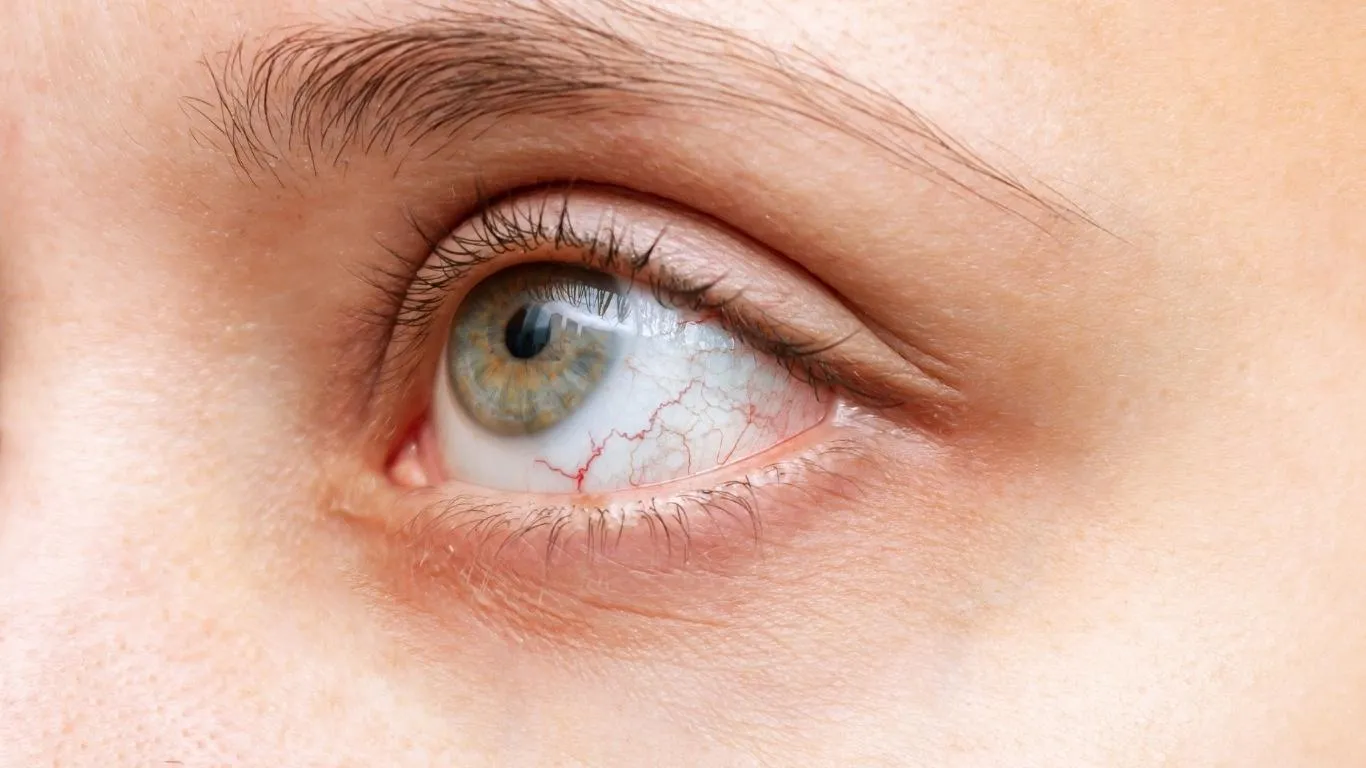
For me, I noticed floaters jumping around more after sauna sessions. The foggy lighting didn’t help. I initially thought it was just me, until I dug into the science and saw just how many people have the same reaction. And truthfully, that’s when I started to take note of hydration and eye health habits — before, during, and after using steam rooms.
- I started hydrating 30 minutes before and right after my sauna session.
- Wore wraparound sunglasses after, especially on sunny days when floaters pop more.
- Gave myself a 10-minute cool-down before driving or working at a screen.
Not magic. But these helped.
How to Know If You Should Worry
Most sauna-induced floaters aren’t dangerous. But if you suddenly see a curtain over your vision, or floaters appear like a storm overnight, you could be dealing with something more serious — like a retinal tear or posterior vitreous detachment.
Some doctors even say rapid-onset floaters after heat exposure could signal early-stage inflammatory conditions, like uveitis. If you’ve experienced eye inflammation before, read this guide.
Other Factors That Might Be Making It Worse
- Stress
- Long screen-time exposure before/after sauna use
- Smoking or vaping in between sessions
- High blood pressure fluctuations
What Experts Say About Steam and Eye Health
Ophthalmologists agree: Saunas and steam baths don’t cause floaters, but they can make them more visible due to changes in light, temperature, and how your eye fluids behave. The American Academy of Ophthalmology notes that any sudden change in floater appearance should be taken seriously — especially when tied to visual disturbances or health changes (aao.org).
Meanwhile, research on thermal effects suggests sustained heat exposure may subtly influence intraocular pressure and vitreous consistency — especially in aging eyes. Worth considering if you’re over 40.
Want a broader look at floaters in general? Check out this main guide on what eye floaters really are and their root causes. Or explore this pillar post on common causes to see where your symptoms might fall.
Can You Still Enjoy Saunas Without Making Floaters Worse?
Absolutely. I didn’t want to ditch steam baths completely — they’re part of my weekend ritual. But I did have to get smarter about how I used them. If you want to keep reaping the sauna benefits without triggering a floaters flare-up, a few simple changes can go a long way.
Use a Shorter Session Time
Start small. Keep your session under 10 minutes and build up. I found anything over 15 minutes was my personal threshold — floaters would dance around like they had their own playlist. Keeping it short helped reduce visual disruption and kept dehydration in check.
Hydration is Everything
Drink before, during, and after. Seems obvious, but you’d be surprised how many of us walk into the sauna already dry. I now keep a bottle of coconut water nearby — bonus points for the electrolytes. If floaters get worse after steam, hydration may help calm the shift in your vitreous gel.
Cool Down Gradually
One thing I skipped early on was the cool-down phase. Now I take 10 minutes to rest in a dimly lit, cool room. Helps reset the eyes. Bright backgrounds can make floaters more obvious post-sauna, so easing back into light levels can really help.
Supportive Eye Health Habits for Sauna Lovers
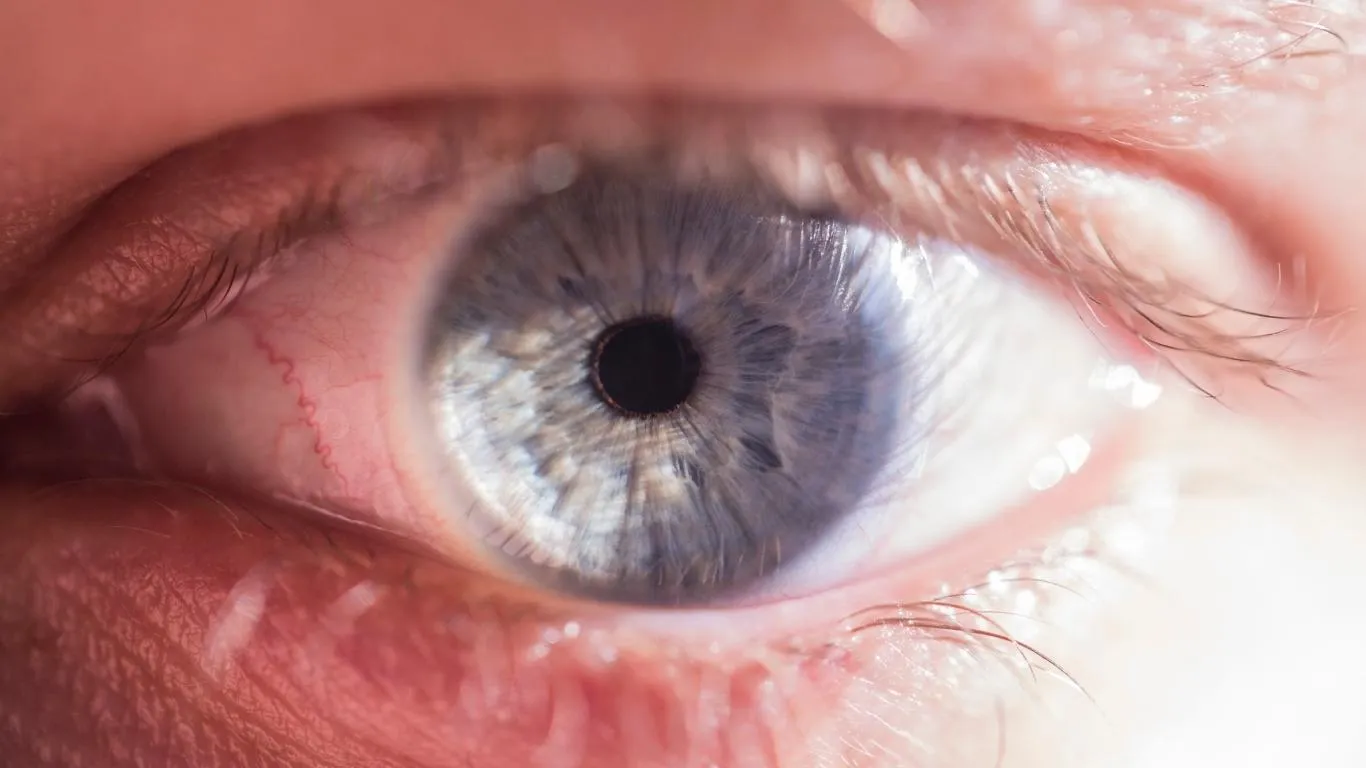
If floaters are part of your everyday life, a few eye-friendly routines can make a difference — sauna or no sauna.
Nutrition That Supports Vitreous Clarity
Eyes love antioxidants, and the vitreous gel is no different. I upped my intake of foods rich in vitamin C, lutein, and omega-3s. Here’s what works for me:
- Blueberries and oranges (every morning)
- Spinach and kale for lutein
- Flaxseed oil or wild salmon twice a week
Supplement-wise, there’s also good feedback on collagen boosters specifically for vitreous health. Personally, I noticed fewer “sudden swarm” episodes after about 6 weeks of daily support.
Protecting Eyes from Environmental Triggers
After a sauna, skip the bright screens for at least an hour. I also wear blue light filter glasses when using devices. Oh, and I no longer read on my phone in the steam room — yep, I used to do that.
When to Get a Professional Eye Check
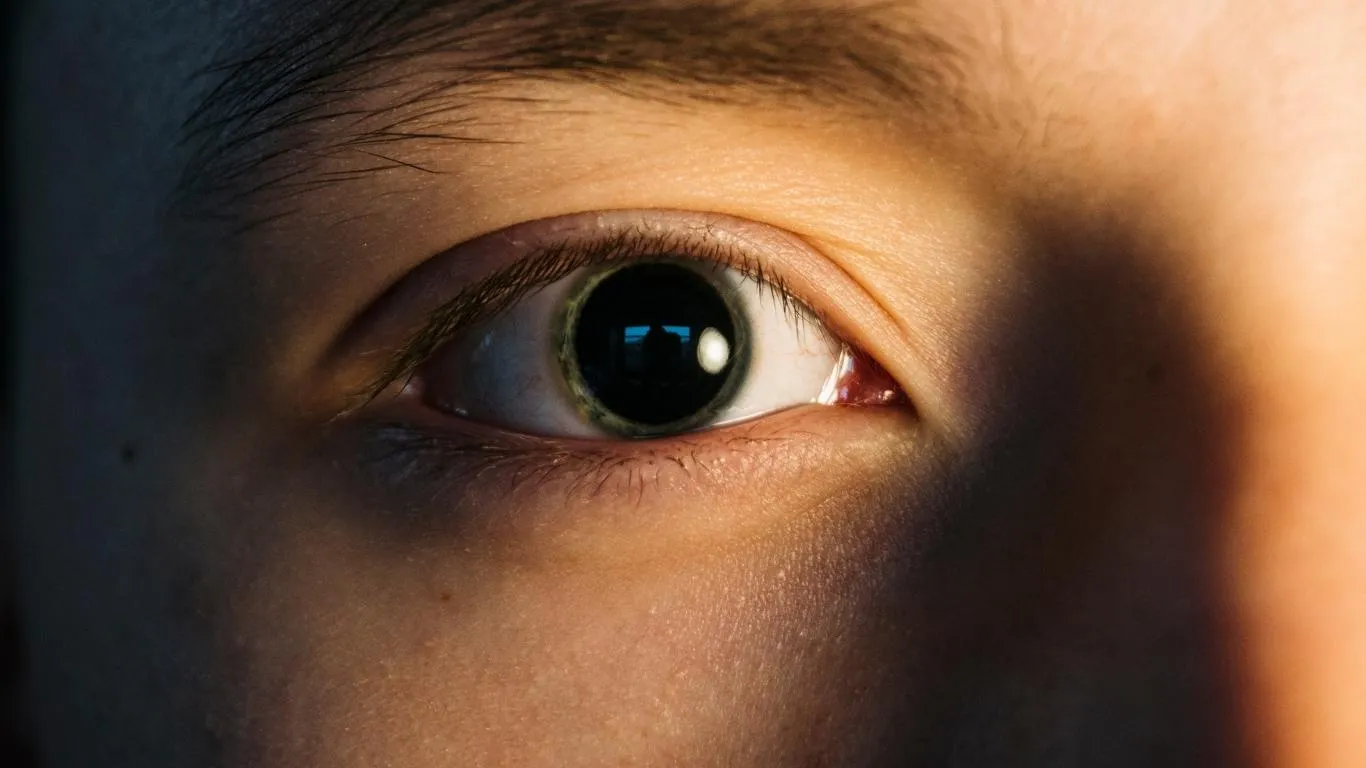
If your floaters change shape, multiply rapidly, or are followed by flashes of light or shadowy vision loss, it’s not the sauna anymore — it’s your retina waving a red flag. A few floaters is normal. A sudden blizzard isn’t.
According to National Eye Institute, these signs could point to retinal tears, detachments, or vitreous hemorrhages — which need immediate care. It’s not about being paranoid, it’s about knowing when to act.
Floaters after heat exposure can also be an early symptom of diabetic retinopathy or hormonal changes post-menopause, so age and health history matter here too.
What Else Can Trigger Sauna-Like Floaters?
If steam baths make your floaters act up, you might also notice similar effects in other environments:
- High altitude changes like flying
- Intense physical activity (especially cardio)
- Bright outdoor sunlight
- Sudden temperature shifts or migraines
Basically, anything that messes with pressure, temperature, or hydration in your body may impact how you perceive floaters. Doesn’t mean they’re getting worse — it just means they’re more visible.
Still Curious? Here’s Where to Dive Deeper
Floaters can be a symptom or just a harmless nuisance — context is everything. If you’re looking for a bigger picture view, don’t miss this main explainer on eye floaters from Healthusias. It’s the place I started when I wanted to separate facts from fluff.
You’ll also want to bookmark the treatment guide for floaters — covering everything from simple observation to surgical options when things get worse.

Camellia Wulansari is a dedicated Medical Assistant at a local clinic and a passionate health writer at Healthusias.com. With years of hands-on experience in patient care and a deep interest in preventive medicine, she bridges the gap between clinical knowledge and accessible health information. Camellia specializes in writing about digestive health, chronic conditions like GERD and hypertension, respiratory issues, and autoimmune diseases, aiming to empower readers with practical, easy-to-understand insights. When she’s not assisting patients or writing, you’ll find her enjoying quiet mornings with coffee and a medical journal in hand—or jamming to her favorite metal band, Lamb of God.