How Anxiety Affects Communication in Relationships and Hurts Trust
Anxiety can be a quiet saboteur in relationships, especially when it creeps into how we communicate. I’ve been there—feeling that knot in my stomach during a simple conversation, misinterpreting tone, overthinking responses, or just shutting down altogether. It’s a frustrating cycle, and what’s worse, it often happens without either person realizing what’s really going on. If you’ve ever felt like your conversations with your partner, friend, or family member suddenly feel like walking through a minefield, anxiety might be quietly pulling the strings.
How Anxiety Interferes with Emotional Expression

One of the most overlooked ways anxiety affects communication in relationships is by muting emotional expression. I used to hold back how I felt—not because I didn’t care, but because I was afraid of being misunderstood, judged, or even rejected. Sound familiar?
When you’re anxious, your body’s in fight-or-flight mode. Expressing love, concern, or even frustration feels risky. That internal tension can cause you to:
- Downplay your emotions
- Avoid difficult conversations
- Use passive-aggressive behaviors instead of clear statements
Over time, this creates distance, misunderstandings, and emotional isolation. It’s one reason why anxiety in romantic relationships feels so draining—you’re constantly editing yourself, which is exhausting.
The Domino Effect on Listening Skills

Active listening becomes nearly impossible when anxiety is present. I’ve caught myself rehearsing what I was going to say next instead of truly listening. An anxious mind is often too busy anticipating conflict or overanalyzing the other person’s body language.
This mental overload affects our ability to:
- Stay present during conversations
- Pick up on emotional cues
- Respond with empathy and clarity
That’s not just anecdotal—it’s supported by psychological assessments like the Beck Anxiety Inventory, which helps pinpoint how anxiety manifests, including its impact on communication behaviors.
Fear of Conflict: Why We Avoid Crucial Conversations

Sometimes anxiety turns us into avoiders. We sidestep tough conversations, even when they matter. I’ve stayed silent when I should’ve spoken up, simply because I feared the other person’s reaction. Ironically, not addressing issues usually causes more tension than the actual discussion would have.
This fear-based communication can lead to:
- Unresolved resentments
- Passive communication styles
- Emotional detachment
There’s even a term for this: conflict avoidance communication patterns. It’s a hallmark of anxiety-driven behavior. Addressing this early with strategies like cognitive behavioral therapy can help rebuild confidence in conflict resolution skills.
Overthinking and Misinterpretation

Here’s the kicker: anxiety loves to twist words. You might reread a text 10 times, dissect every emoji, and still walk away unsure of what the sender meant. I’ve spent sleepless nights obsessing over a sentence that likely had zero hidden meaning. That kind of overthinking can cause unnecessary friction in any relationship.
And it goes both ways. If your partner says something neutral, your anxiety might translate it as criticism or disapproval. Suddenly, what could’ve been a light conversation becomes a spiral of self-doubt. It’s this emotional reactivity that causes so much miscommunication.
That’s why understanding cognitive distortions is crucial. These mental habits—like mind-reading or catastrophizing—feed anxiety’s grip on communication.
Anxiety’s Role in Emotional Withdrawal

Some people lash out when they’re anxious. Others, like me, shut down. I’ve withdrawn emotionally during arguments just to avoid escalation. While that might feel like self-protection, it also signals disinterest or coldness to the other person, even if that’s far from the truth.
This kind of shutdown creates a communication freeze. It often leads to a cycle where:
- One partner feels unheard
- The other feels overwhelmed and pulls away
- Both become emotionally distant
It’s a hard loop to break, especially if anxiety has been left unaddressed for years. Tools like psychotherapy and counseling offer structured approaches to rebuild emotional safety and re-engage authentically in conversations.
When Anxiety Makes You Over-Explain or Apologize Too Much

Ever find yourself apologizing for things that don’t need an apology? Or explaining your point five different ways just to make sure you’re understood? That’s anxiety at work too. I’ve walked away from conversations drained, not because they were intense, but because I felt compelled to defend every word I said.
This communication pattern is especially common in people with generalized anxiety. They often fear being misunderstood or disliked, so they try to control the narrative. Unfortunately, this can come off as insecurity or a lack of confidence, which unintentionally pushes people away.
Learning coping strategies for generalized anxiety can help you find balance—being clear without feeling the need to over-justify your every thought.
Building Communication Awareness Together

Healthy communication isn’t just about talking more—it’s about understanding how anxiety alters our words, tone, reactions, and silences. Bringing this awareness into your relationships isn’t just healing; it’s empowering.
If this sounds like something you’re struggling with, you might find deeper insights in our detailed guide on anxiety disorder self-help and lifestyle tips and our foundational piece on why anxiety disorders can secretly control your daily life.
According to APA and NIMH, anxiety disorders affect how we perceive and respond to interpersonal cues, which directly influences relationship satisfaction and communication patterns.
How Anxiety Affects Assertiveness in Conversations

Assertiveness is essential in communication, but anxiety often strips us of it. I used to confuse assertiveness with confrontation, which made me avoid direct statements altogether. Instead of saying, “I need help,” I’d hint, dodge, or just stay silent. The result? Frustration—both for me and the people around me.
Anxiety makes it tough to express needs without second-guessing yourself. It causes questions like:
- “Am I being too demanding?”
- “What if they think I’m overreacting?”
- “Will this change how they see me?”
This internal script prevents honest communication. If you’re always editing your needs, those around you never get a clear picture of where you stand. Over time, it erodes relationship trust. Mind-body practices like yoga can help you reconnect with your sense of confidence and presence—an essential piece for rebuilding assertiveness.
Hypervigilance: Reading Too Much Between the Lines

I’ve had entire conversations in my head before they ever happened. Anxiety makes you hypervigilant—constantly scanning for subtle shifts in tone or body language. You hear a sigh and assume it’s annoyance. A pause feels like disapproval. Even a simple “K” in a text message can spiral into a storm of worry.
This tendency to over-read and over-analyze creates misunderstandings where none existed. You respond to perceived slights that weren’t even there, which then confuses or hurts the other person. It’s exhausting and unfair to both sides.
That’s where tools like social media boundaries or even short-term journaling can help create a reality check. Writing down your interpretation of a situation and then comparing it to what actually happened is one small but powerful habit I still use.
Communication Paralysis During Conflict

Sometimes, anxiety completely freezes your ability to communicate. Mid-argument, my mind would go blank. I couldn’t think of the right words or explain how I felt. Even when I wanted to talk, it felt like the words were stuck behind a wall.
This paralysis is more than just shyness. It’s a physiological response. Your brain interprets the conflict as danger, triggering a freeze mode. In these moments, silence isn’t stonewalling—it’s survival.
People with anxiety-related shutdowns often benefit from communication agreements—like taking a 10-minute break and returning to the conversation with clarity. Couples counseling or therapy options like EMDR therapy have been game-changers in helping many navigate this response, including myself.
Anxiety’s Impact on Tone and Body Language

You might not realize it, but anxiety can change the way you sound and look when you speak. A soft voice, crossed arms, limited eye contact, fast talking—these are just a few non-verbal signs of anxiety that people misread.
I remember my partner once asking why I seemed “mad” during dinner. I wasn’t angry—I was anxious. But my clenched jaw and short answers said otherwise. Anxiety masks your intentions and creates confusion in people who care about you.
Learning to regulate your physical response through breathing techniques and muscle relaxation can help bring your tone and body language back into sync with your actual feelings.
When Anxiety Turns You Into a People-Pleaser

I used to agree with things just to keep the peace, even if I didn’t mean it. That’s classic people-pleasing, and anxiety was the engine behind it. I feared disappointing people or sparking disagreement so much that I ended up being dishonest—first with others, then with myself.
It’s a behavior pattern that chips away at authentic communication. You say “yes” when you mean “no,” offer to help when you’re burned out, and smile when you’re quietly struggling.
Breaking that cycle starts with tiny moments of honesty. Saying, “Let me think about it,” instead of an instant yes. Expressing disagreement with kindness. These changes don’t happen overnight, but with patience and the right mental health support—like nutrition that supports emotional stability—it becomes easier to be real without guilt.
The Connection Between Anxiety and Emotional Reactivity
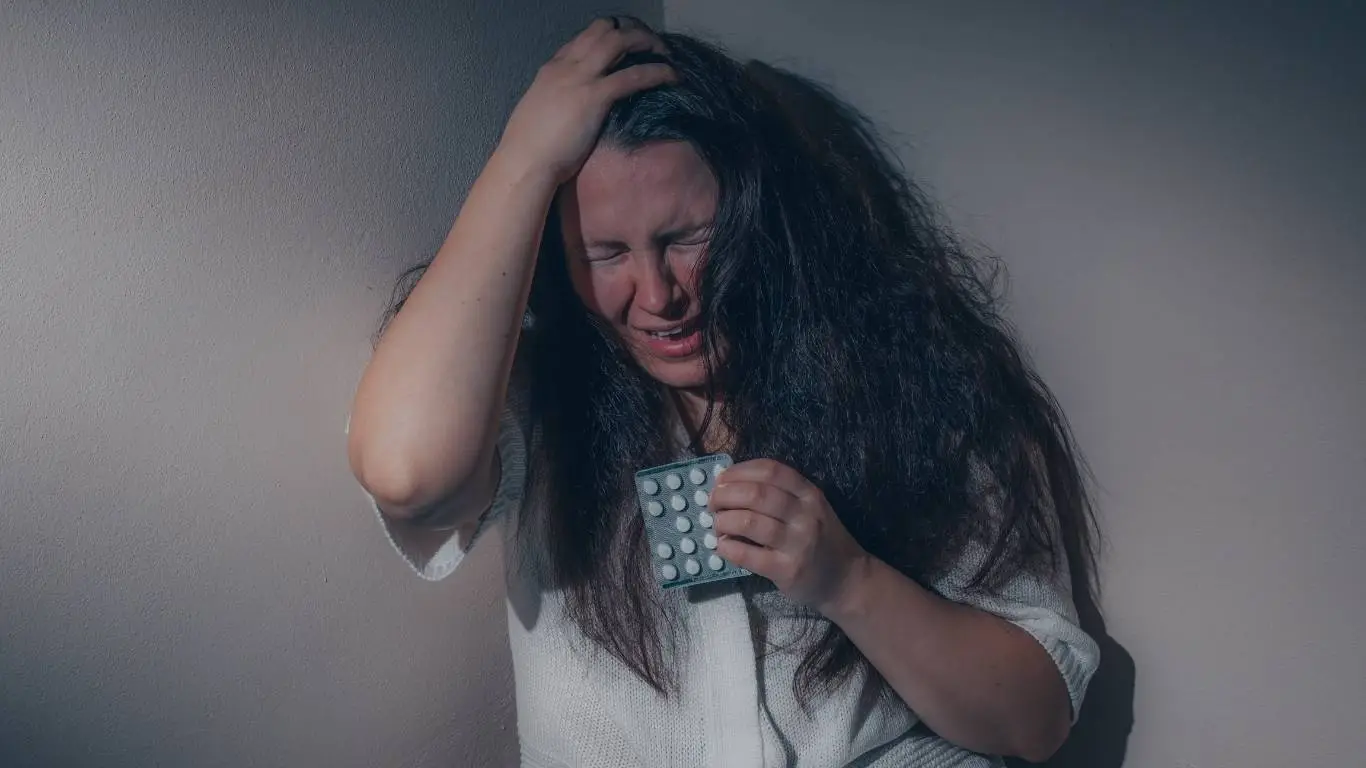
When anxiety’s running the show, your emotional thermostat is on high alert. A casual comment can spark tears, anger, or panic—not because you’re overly sensitive, but because your system is already overwhelmed.
I’ve snapped during harmless conversations and then spent hours regretting it. Emotional reactivity isn’t just a “you” problem—it affects the entire relational dynamic. It makes others feel like they have to walk on eggshells around you.
Learning to self-soothe before responding is a skill worth developing. Practices like journaling or even acceptance and commitment therapy can help reduce impulsive responses and restore a sense of internal control.
What You Can Do Right Now to Communicate Better

Let’s get real: anxiety doesn’t magically go away, but we can learn to work with it—not against it—when we communicate. Here are a few things that made a difference in my day-to-day conversations:
- Use “I” statements: They reduce blame and invite connection (“I feel anxious when…”).
- Practice active listening: Repeat back what you’ve heard to ensure clarity.
- Pause before responding: A short silence gives you space to regulate.
- State your needs clearly: Don’t assume others know what you want.
- Check in often: Ask how your tone or words are being received.
For more actionable strategies, this guide on anxiety in performance-driven settings offers tips that translate well into relationship dynamics too.
If you’re ready to go deeper into addressing the root causes of anxiety in your life, I recommend exploring our breakdown on hidden causes of anxiety. For a broader perspective on anxiety’s impact across your daily interactions, including communication, check out our main pillar article on how anxiety silently shapes your life.
And if you’re wondering how to start working on your anxiety from a more holistic perspective, dive into our self-help lifestyle pillar—it’s packed with practical advice that’s helped me personally shift from overreacting to engaging with calm and clarity.
Whether it’s a partner, parent, coworker, or friend—you deserve relationships where you feel heard, understood, and supported. And yes, that’s possible—even with anxiety tagging along.

Camellia Wulansari is a dedicated Medical Assistant at a local clinic and a passionate health writer at Healthusias.com. With years of hands-on experience in patient care and a deep interest in preventive medicine, she bridges the gap between clinical knowledge and accessible health information. Camellia specializes in writing about digestive health, chronic conditions like GERD and hypertension, respiratory issues, and autoimmune diseases, aiming to empower readers with practical, easy-to-understand insights. When she’s not assisting patients or writing, you’ll find her enjoying quiet mornings with coffee and a medical journal in hand—or jamming to her favorite metal band, Lamb of God.