How Anxiety Affects Your Posture And Breathing In Daily Life
If you’ve ever caught yourself slouching at your desk or holding your breath without realizing it, you’re not alone. I never really paid attention to how anxiety crept into my posture and breath patterns until I started feeling physically drained all the time. It wasn’t just mental stress—it was showing up in my shoulders, my chest, even in how I sat and stood. Turns out, anxiety doesn’t just affect your thoughts—it quietly reshapes your body’s natural rhythm and form.
How Anxiety Alters the Way You Breathe
The Shift to Shallow Breathing
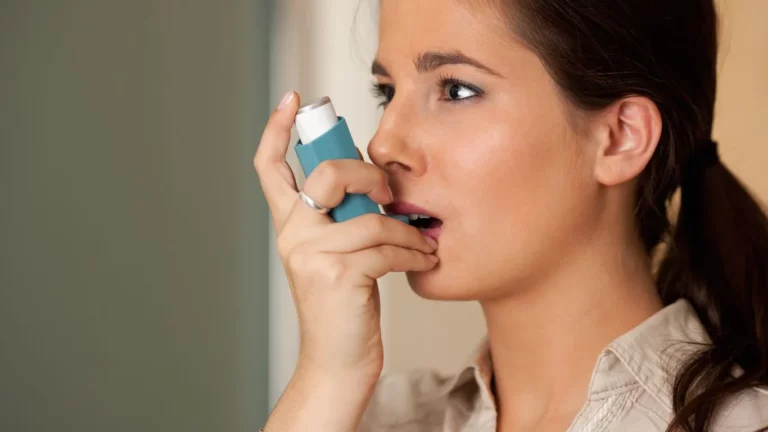
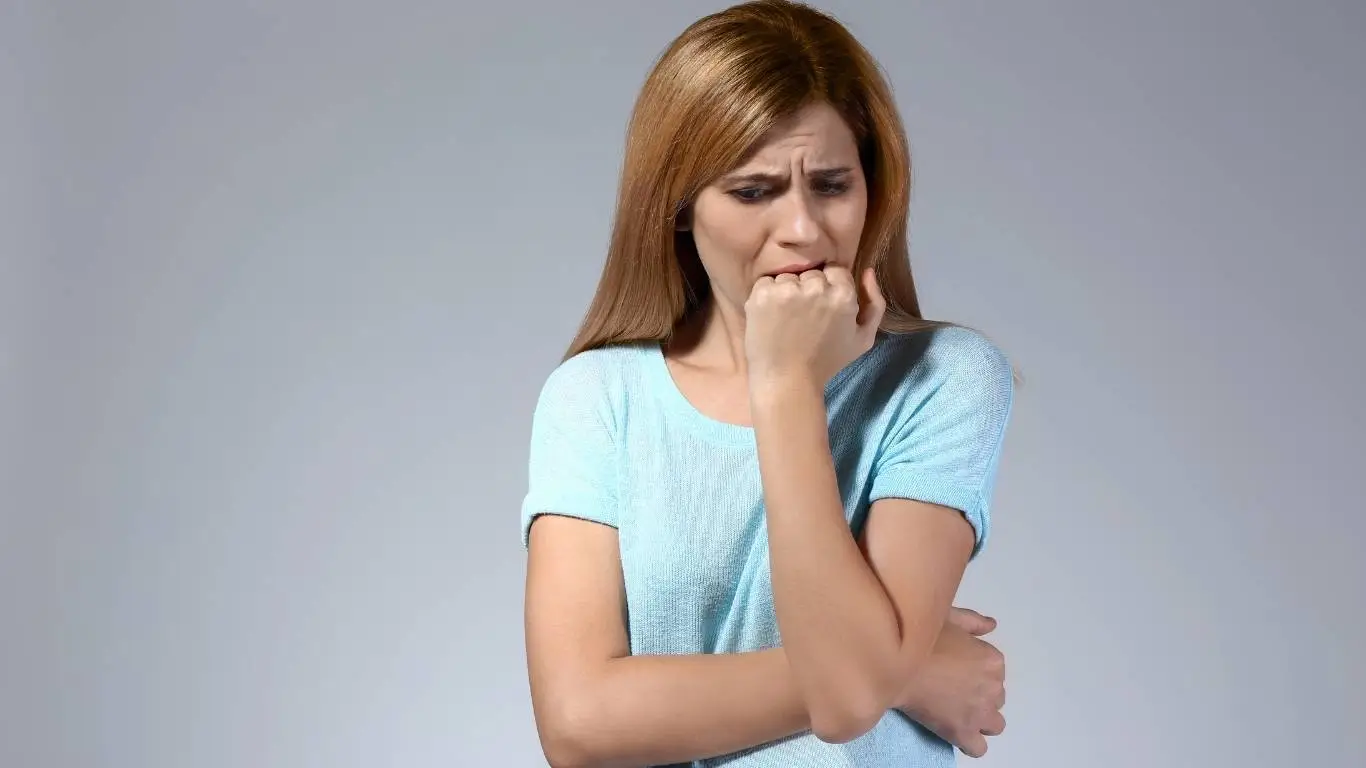
Anxiety flips your breathing pattern from calm and deep to short and fast—what’s known as chest breathing. I used to think I was just out of shape, but really, I was constantly in a state of alertness. Shallow breathing triggers the sympathetic nervous system, your body’s way of staying ready for danger.
- Reduces oxygen intake
- Increases heart rate
- Feeds feelings of panic
That “can’t catch your breath” feeling? It’s real. And common. This shortness of breath anxiety is often mistaken for something more serious, like a heart condition, which only escalates the worry.
Breath-Holding Spells
Sometimes, anxiety makes you unconsciously hold your breath—especially during focus or while scrolling through overwhelming news. It’s called Email Apnea. I found myself doing this while reading work emails, completely unaware. Over time, this kind of habitual breath restriction sends your nervous system deeper into survival mode.
The Diaphragm’s New Enemy
When your breath stays high in the chest, your diaphragm—the main muscle responsible for proper breathing—gets less use. Eventually, it weakens, which leads to fatigue and even digestive issues. Breathing exercises help, but they don’t fix the root issue if anxiety remains unaddressed.
Posture’s Role in the Anxiety-Breathing Loop
The Collapse Response
Anxiety tends to pull your body inward. That protective slouch is your body bracing against perceived threats. I always thought I just had “bad posture,” but really, my nervous system was telling my body to curl up. Shoulders roll forward, the chest caves in, and the head drops. That’s what psychologists call a collapse response.
- Limits lung expansion
- Compresses digestive organs
- Reinforces low mood and fatigue
The worse your posture, the harder it is to take full, calming breaths—creating a vicious loop that keeps anxiety alive.
Forward Head Posture and Neck Tension
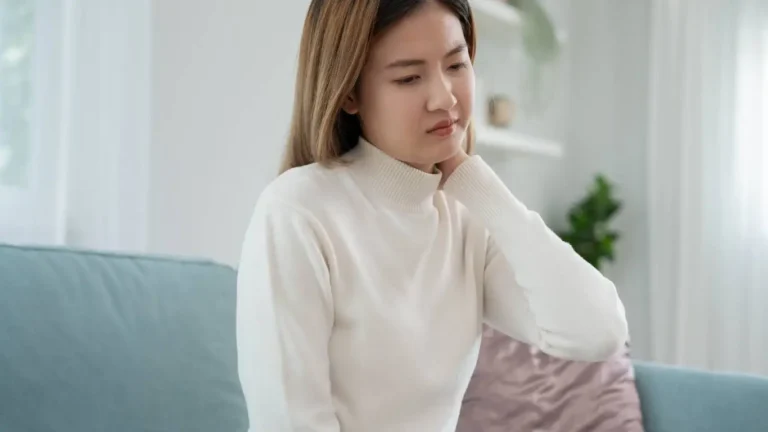
The “text neck” or forward head posture caused by screen time is amplified by anxiety. That chronic jaw clenching and stiff neck? I noticed mine kicked in during periods of social stress. One look in the mirror and you’ll often see your shoulders hugging your ears like they’re preparing for impact.
This chronic muscle engagement isn’t just uncomfortable—it wears down your joints and leads to long-term pain. You might want to check out how muscle tension and anxiety are connected for more insight into this feedback loop.
When Breathing and Posture Collide
How the Physical Body Feeds Mental Stress
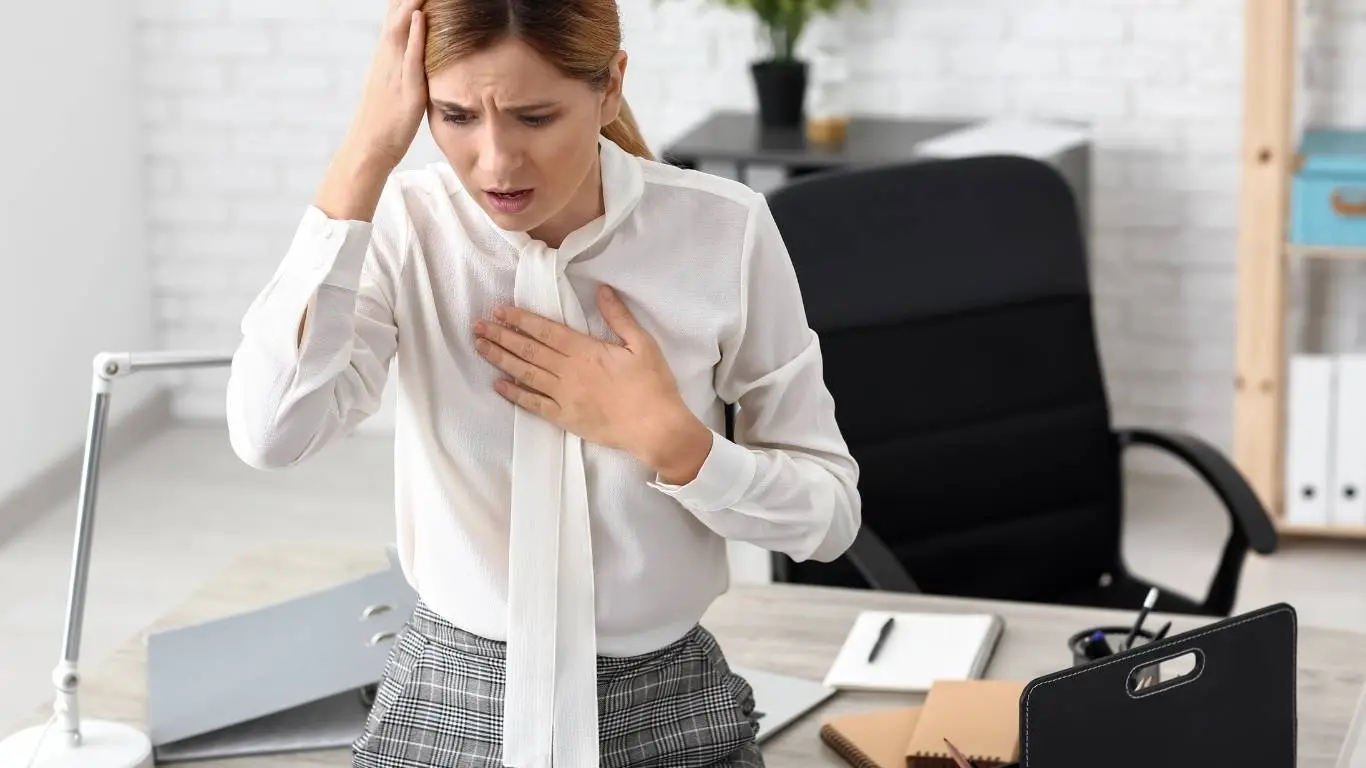
The more I let my posture go and ignored my breathing, the worse I felt—not just physically, but mentally. There’s something deeply unsettling about not being able to take a deep breath, or feeling your chest tighten out of nowhere. This constant physical discomfort loops back into the brain and keeps your threat system activated.
Even my digestion took a hit. The tight abdomen from slouching and stress-breathing made every meal feel like a chore. There’s a surprising amount of research showing how anxiety messes with digestion, and much of it starts with posture and breath.
The Breath-Posture-Anxiety Triangle
This trifecta becomes a self-sustaining cycle: anxious thoughts lead to collapsed posture and short breathing, which in turn deepen the sense of unease. It becomes a loop that’s hard to break. What helped me most was becoming aware—stopping for a second to check in with my shoulders and breath every hour. That simple check-in was a turning point.
Practical Ways to Interrupt the Loop

Awareness and Reset Techniques
Before I even got into yoga or therapy, I started with 3-minute posture resets. I’d set a timer and stretch upward, pulling my shoulder blades together and expanding the ribs. It felt awkward at first, but doing this consistently made me realize how often I was living in a hunched, anxious shell. Pairing it with this simple breathing exercise made it even more powerful.
Correcting with Movement
You don’t need a fancy gym or gear. Walking, stretching, or even laying on the floor with a pillow under your back can help open up your chest. A lot of people overlook progressive muscle relaxation, but it’s honestly one of the fastest ways I found to snap out of an anxious body freeze.
Build Awareness, Not Perfection
I’m still not a posture saint. But I’m a lot more aware of when my breath feels tight or when my back rounds into that familiar “turtle mode.” That awareness is what started changing things. The best part? It gave me a bit more control over how anxiety shows up in my life—physically and mentally.
If this all feels familiar, you might want to dive deeper into how anxiety quietly disrupts your daily routine. It’s eye-opening.
Also, I’d strongly recommend reading this eye-opening guide on how anxiety disorders control daily life and exploring the broader picture through the main symptoms of anxiety disorders.
Restoring Natural Breathing and Posture Patterns

Rebuilding Your Baseline
Let me be real—changing how you breathe or stand isn’t something that happens overnight. It took me months before my default wasn’t shallow chest breathing or slouching over a laptop. What helped was working on my baseline state. That means creating moments of calm often enough that my nervous system didn’t think I was under attack 24/7.
I started small: box breathing during lunch breaks, stretching before coffee. Little stuff that didn’t feel like a chore. Eventually, my posture stopped defaulting to the “shrug and collapse” mode every time something stressed me out. And when I did feel anxious, my body didn’t spiral as hard.
This kind of self-regulation helps counter the physiological patterns tied to chronic stress. It’s closely related to what’s discussed in breathing exercises for anxiety relief. Even five mindful breaths per hour add up.
Make Your Environment Work for You
I also changed my workspace setup. Simple things—like adjusting my monitor height, using a lumbar pillow, and setting posture reminders—did more than just fix my back. They became visual cues to breathe deeply, to stay open instead of curling into myself.
When your environment supports a relaxed physical state, you’re less likely to get stuck in that hunched, guarded stance. This doesn’t just reduce physical strain—it sends signals to your brain that you’re safe, which reduces overall anxiety levels. The body and brain are in constant conversation.
The Role of Stress Management in Physical Recovery

Learning to Downshift
I used to think “relaxing” meant zoning out with Netflix. But real relaxation involves downshifting your nervous system. I learned this from a therapist during one of the toughest periods of my life. She introduced me to EMDR therapy, and it honestly helped me connect how old stress patterns were showing up in my body.
Slowing down my breath became a ritual. I’d start journaling when I felt that chest tightness return. Noticing those early warning signs—like holding my breath while typing or tensing my jaw while on Zoom—helped me shift gears before anxiety took over.
Strengthen Mind-Body Awareness
The more I tuned in to my posture and breath, the more I started catching tension before it became pain. I’d ask myself simple things: Am I clenching? Is my breath stuck in my chest? It felt awkward at first, like talking to my own shoulders. But body awareness is huge for breaking out of chronic anxiety cycles.
Try pairing those check-ins with calming movement. Gentle yoga, walking outdoors, or even basic yoga for anxiety relief can help ground you physically and mentally.
Therapeutic Interventions That Target the Root

Breath and Body in Therapy
What finally helped me break out of the loop was a therapist who didn’t just focus on talk therapy, but how anxiety showed up physically. We used cognitive behavioral therapy but added in body scanning and grounding. I learned how my posture was reinforcing negative beliefs.
There’s also something powerful about having a professional validate that your physical symptoms—tight chest, poor posture, shallow breathing—aren’t “just in your head.” They’re part of how your nervous system processes anxiety.
If therapy isn’t accessible for you right now, there are tools you can use on your own. Guided breathwork apps, posture correction videos, and self-paced courses can all help. Many people find value in virtual therapy options that are more flexible.
Incorporating Lifestyle Strategies
Supporting your body through nutrition, hydration, and sleep can amplify your efforts. I didn’t realize how much poor hydration affected my anxiety until I started drinking water consistently and noticed fewer chest tightness episodes.
Same goes for diet—cutting back on caffeine and processed foods helped stabilize my breathing and energy. I dove into nutrition strategies for anxiety and found that magnesium and omega-3s played a big role in keeping me balanced.
Daily Practices That Keep You Grounded
The 5-Second Reset
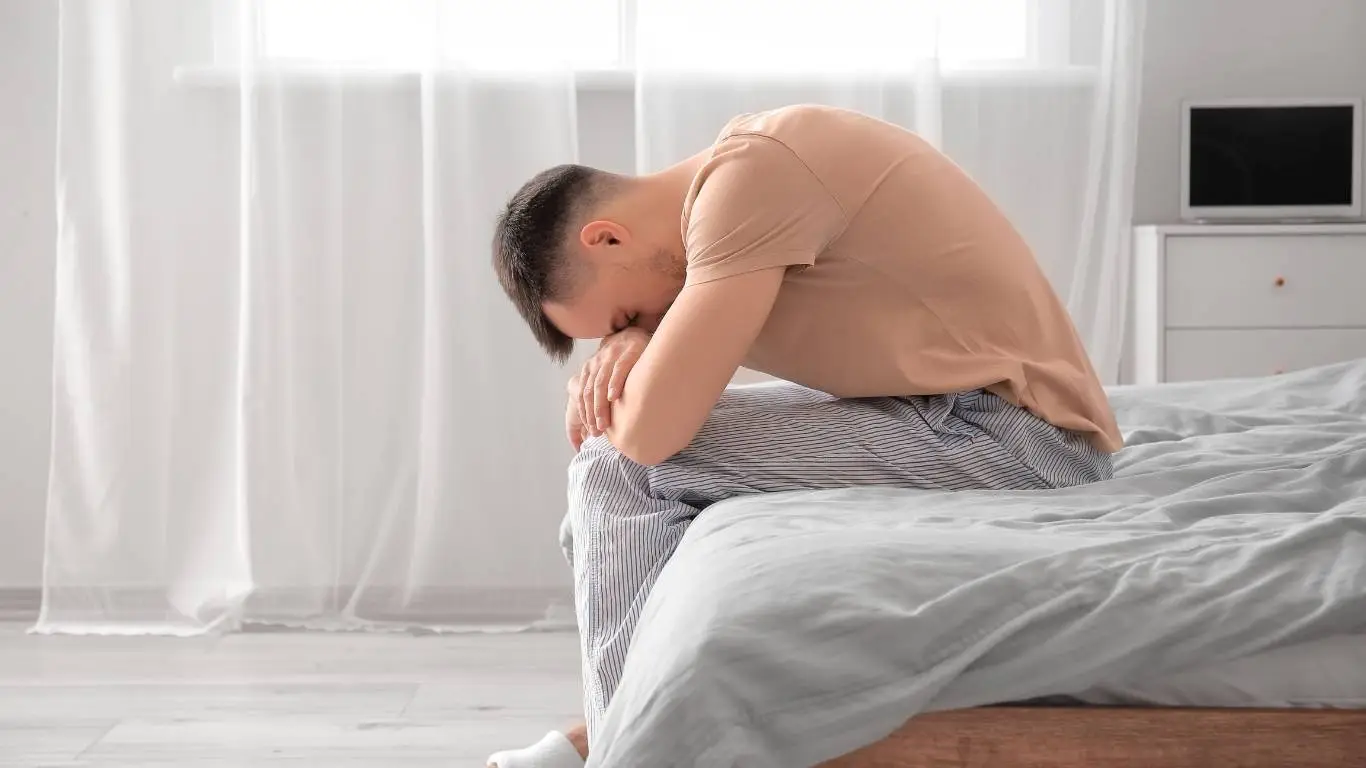
This one changed my day-to-day life: when anxiety hits, I stop and do a five-second reset. I lift my chest, pull my shoulders down, and take a slow breath. That’s it. No deep spiritual practice or fancy tools—just a pause. Over time, it trained my body to shift out of panic mode faster.
Consistent, Not Perfect
If there’s one takeaway here, it’s that consistency beats perfection. You don’t need to sit like a yogi 24/7 or breathe like a meditation teacher. Just notice. Check your breath when you’re annoyed in traffic. Sit upright when you’re anxious about an email. It adds up.
With practice, these moments become muscle memory. And slowly, anxiety doesn’t live so loudly in your body anymore.
For more context, the broader guide on anxiety lifestyle and self-help practices is a great next step. And if you haven’t yet, I strongly suggest reading through why anxiety disorders can quietly take over your life. It helped me connect the dots early on.

Camellia Wulansari is a dedicated Medical Assistant at a local clinic and a passionate health writer at Healthusias.com. With years of hands-on experience in patient care and a deep interest in preventive medicine, she bridges the gap between clinical knowledge and accessible health information. Camellia specializes in writing about digestive health, chronic conditions like GERD and hypertension, respiratory issues, and autoimmune diseases, aiming to empower readers with practical, easy-to-understand insights. When she’s not assisting patients or writing, you’ll find her enjoying quiet mornings with coffee and a medical journal in hand—or jamming to her favorite metal band, Lamb of God.