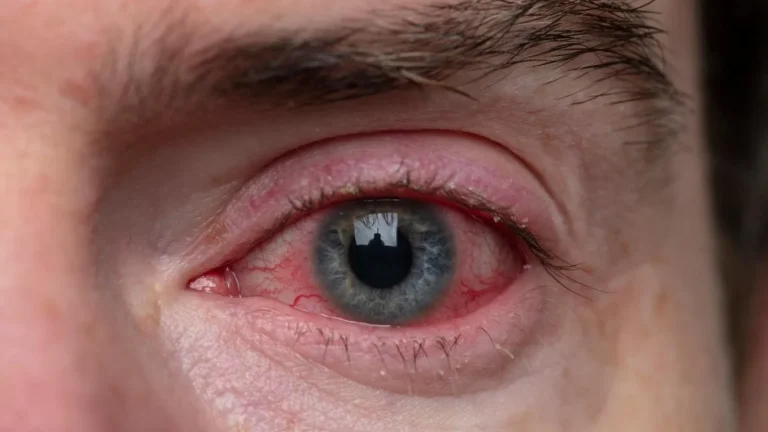
How Anxiety From Chronic Health Conditions Quietly Worsens Life
Living with a chronic health condition can feel like you’re constantly carrying an invisible weight. You’re managing medications, appointments, flare-ups—and on top of that, there’s anxiety. A deep, often unspoken anxiety that creeps in between doctor visits and test results. I’ve been there, waking up in the middle of the night wondering if a new symptom is a big deal or just another bad day. If you’ve ever felt that pit-in-your-stomach fear about your health spiraling, you’re not alone. Anxiety due to chronic health conditions is more common than most people realize, and it’s rarely talked about openly.
Why Chronic Illness Often Breeds Anxiety

Chronic conditions, whether it’s diabetes, lupus, multiple sclerosis, heart disease, or any long-term illness, come with a mental health toll that doesn’t always get enough attention. The fear of flare-ups, the stress of managing treatment, and the uncertainty of the future all pile on. Even seemingly stable health days come with a lingering fear—when will the next bad one hit?
It’s not just in your head. Studies from ncbi.nlm.nih.gov have shown that people living with chronic illness are significantly more likely to experience anxiety disorders. And yet, anxiety is often dismissed or misattributed to just being “stressed out” from the illness. But it’s deeper than that. It’s the body’s way of responding to the constant threat and unpredictability.
Common Anxiety Triggers in Chronic Conditions
- Uncertainty about the future – Will my condition worsen?
- Fear of medical complications – What if this medication stops working?
- Social limitations – Missing out on gatherings or feeling isolated
- Financial stress – Mounting medical bills, lost income
- Physical symptoms mimicking panic – Racing heart, breathlessness, fatigue
These triggers don’t just cause mental distress—they can worsen physical symptoms too. I’ve had days where stress literally made my condition flare, turning a manageable day into a full-blown episode.
How Anxiety Manifests Differently with Chronic Illness

The thing with chronic health-related anxiety is that it’s not always obvious. For instance, what I thought were side effects of my illness—tight chest, shortness of breath, racing thoughts—turned out to be anxiety attacks.
According to adaa.org, overlapping symptoms often blur the line between physical illness and mental distress. This makes diagnosis tricky, and many people are misdiagnosed or overlooked. If this sounds familiar, here’s a resource that helped me spot the difference: Shortness of breath anxiety that feels scary but isn’t dangerous.
Overlapping Symptoms to Watch For
- Fatigue or exhaustion that doesn’t align with your typical symptoms
- Persistent worry even when your condition is stable
- Restlessness or muscle tension during “good” days
- Changes in appetite or sleep outside of flare-ups
- Increased irritability or avoidance behavior
One thing that surprised me? How often my anxiety would peak right after getting good news from the doctor. It’s like my body didn’t trust relief anymore. Turns out, that’s common in long-term illness—living in fight-or-flight mode becomes the norm.
What Helped Me Start Managing the Anxiety

Let me be clear: it’s not about “thinking positively.” It’s about building realistic, compassionate strategies that work with your condition, not against it. Therapy was my game-changer—especially dialectical behavior therapy, which taught me how to stay grounded when my body felt out of control.
For some, it’s medication. For others, it’s lifestyle tweaks. For me, it was a mix—therapy, journaling (like the kind suggested here), and slowing down my expectations. And on days where I couldn’t control anything else, I could still control my breath—breathing exercises helped a ton.
Everyday Tools That Actually Help
Also, don’t underestimate the power of understanding what’s happening in your brain. This article was eye-opening for me: Why chemical imbalance hurts you. It helped me feel less “broken” and more human.
The Role of Medical Professionals—And Why We Must Speak Up

Unfortunately, many healthcare providers still separate physical and mental health too rigidly. I’ve had appointments where anxiety was brushed off as “just stress” or not addressed at all. It’s frustrating—and honestly, disheartening.
But I’ve also learned that being open with doctors about anxiety makes a difference. Tools like the GAD-7 questionnaire helped me explain what I was experiencing in ways they understood. And once my care team acknowledged the anxiety, everything else got easier—from medication adjustments to better support referrals.
It’s also worth reading their take on diagnosis here: Why how doctors diagnose anxiety often feels misunderstood. It helped me navigate those awkward first conversations better.
For a broader picture of how these diagnoses are approached, check out this full guide on anxiety disorders diagnosis and assessment—it’s detailed but not overwhelming, which I appreciated. And for context on how anxiety controls day-to-day life, I highly recommend this main pillar piece: Why anxiety disorders can secretly control your daily life.
Living Fully, Even When Anxiety Tags Along
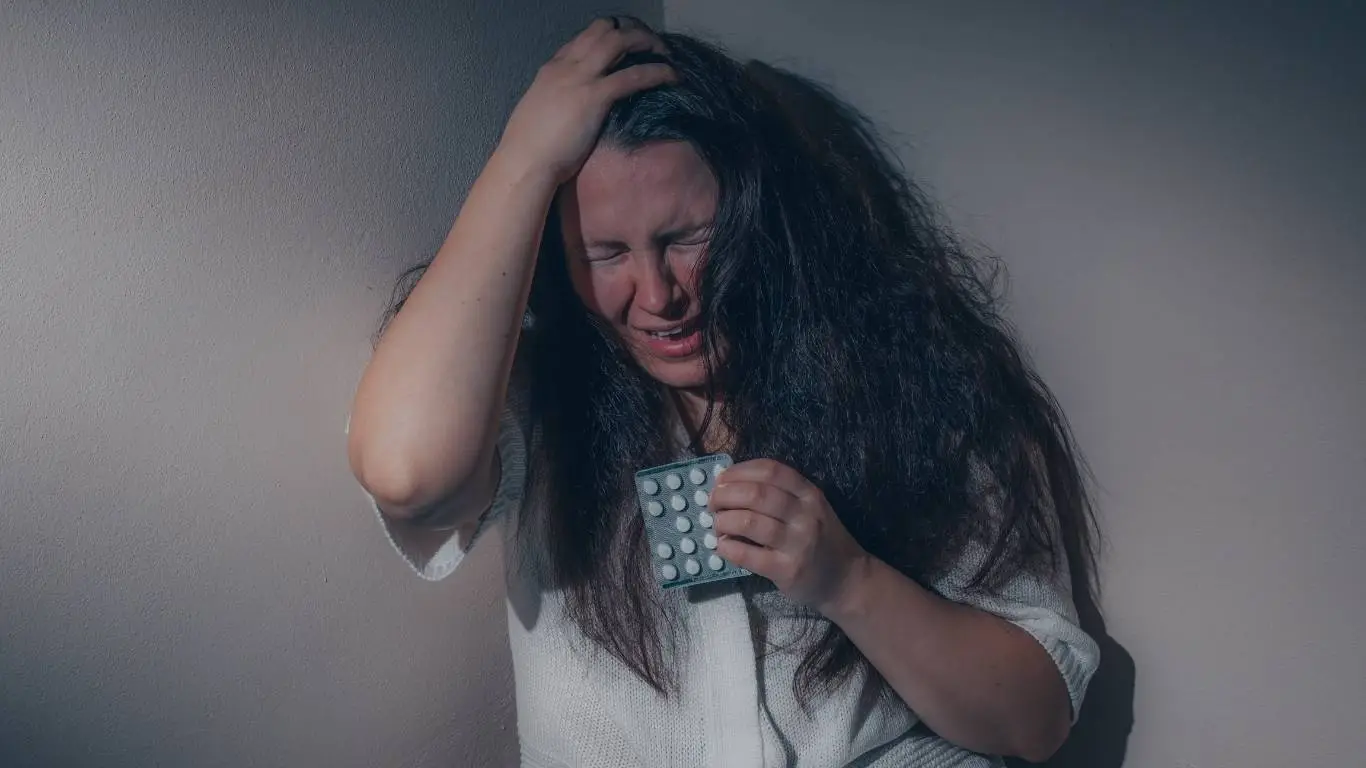
When you’re living with a chronic health condition, there’s this pressure to either “power through” or stay silent about what you’re feeling. But here’s the truth: anxiety is part of the experience for many of us. That doesn’t mean it has to own you. Learning to live alongside anxiety—without letting it run the show—is where the freedom starts to return.
For me, that began when I started focusing less on controlling the anxiety and more on supporting my nervous system long term. Understanding what *soothes* it—not fights it—was the key shift. On days when I feel the spiral coming, I turn to a few tools that ground me, and yes, sometimes that includes herbal teas and breathing techniques, but other times it’s simply calling a friend and admitting, “Hey, today’s rough.”
Small Anchors That Brought Big Shifts
- Movement – Gentle yoga flows helped me reconnect with my body without exhausting it. One pose at a time.
- Journaling – I never thought I’d be someone who journals, but giving my thoughts a space outside my head made them feel lighter. These journaling prompts were a great start.
- Limiting stimulants – I had to accept that caffeine and my nervous system are not friends. Here’s why.
- Boundaries – Saying “no” to draining things, even small ones, gave me space to breathe—literally.
It also helped to reframe my expectations. Not every day needs to be productive. Not every flare-up needs fixing. Some days are just for getting through with kindness toward yourself. That’s still progress.
Don’t Ignore the Mind-Body Connection

One thing I wish more people knew is how tightly anxiety is tied to our bodies. Especially when chronic illness is already part of the picture, even tiny shifts in diet, hydration, or sleep can swing anxiety levels dramatically. This article opened my eyes: how poor hydration affects anxiety.
And then there’s gut health. I was skeptical until I tried adding probiotics to my routine and genuinely felt less reactive. This deeper dive into probiotics and mental health explains the link better than I ever could.
Nutrition doesn’t cure anxiety—but it does affect it. Same goes for processed foods, which many of us rely on when we’re exhausted or in pain. But when I swapped them out even partially, my mood felt steadier. It’s not about being perfect. It’s about noticing what makes things a little easier.
What to Do When You Feel Overwhelmed by “What Ifs”

The hardest part of health-related anxiety, in my experience, is the “what if” spiral. What if this symptom means something worse? What if this test result changes everything? That loop is exhausting. And the truth is, it doesn’t go away overnight. But there are ways to quiet it.
One approach that’s helped me is practicing radical presence—learning to anchor myself in what’s actually happening now versus the fear story. Mindfulness isn’t always about sitting cross-legged in silence; sometimes it’s just pausing long enough to name what I’m feeling without judgment.
If overthinking tends to rule your days like it does mine, I recommend checking out this read: how overthinking and generalized anxiety affect joy. It made me feel seen—and gave me a few ideas I still use today.
Building a Support System That Truly Understands

There’s something about talking to someone who gets it. Not just intellectually, but because they’ve lived it. That’s why anxiety support groups made a huge difference for me. And no, you don’t need to pour your heart out if that’s not your thing. Sometimes just being in a space where anxiety and illness coexist openly is enough.
This article on anxiety support groups is a great place to start if you’re curious. Whether it’s in-person or online, that connection matters.
You can also lean on trusted friends or family—but I’ve found it helps to be specific about what you need. Instead of “I’m anxious,” I’ll say, “I need help grounding,” or “Can you distract me for 15 minutes?” Clear communication makes support more effective and less draining for everyone involved.
Managing Health Anxiety Doesn’t Have to Be a Solo Battle

I want to emphasize this: You are not broken for feeling anxious. You’re human. And if you’re dealing with a chronic health condition, you’re also strong—probably stronger than you give yourself credit for. Anxiety doesn’t mean you’re failing. It just means you’re feeling the weight of what you carry.
There are tools. There are people. There are days ahead that won’t feel this heavy.
And if you’re feeling stuck, start here—this guide helped me understand the bigger picture: the hidden causes of anxiety. Also, the lifestyle and self-help guide gives realistic suggestions that don’t feel like pressure or a to-do list.
Everything gets easier when you stop trying to manage anxiety in silence. Speak it. Share it. Sit with it when needed—but know you don’t have to stay there.
And if you’re still not sure where to begin, this might help pull the thread: Why anxiety disorders can secretly control your daily life. You’re not alone in this, even when it feels like it.

Camellia Wulansari is a dedicated Medical Assistant at a local clinic and a passionate health writer at Healthusias.com. With years of hands-on experience in patient care and a deep interest in preventive medicine, she bridges the gap between clinical knowledge and accessible health information. Camellia specializes in writing about digestive health, chronic conditions like GERD and hypertension, respiratory issues, and autoimmune diseases, aiming to empower readers with practical, easy-to-understand insights. When she’s not assisting patients or writing, you’ll find her enjoying quiet mornings with coffee and a medical journal in hand—or jamming to her favorite metal band, Lamb of God.