
How Anxiety Impacts Sleep Quality and Quietly Steals Your Rest
Sleep has always been a bit of a battle for me. There was a time I used to think I was just a “night owl” or someone who simply preferred working late. But the reality? Anxiety was quietly hijacking my nights. If you’ve ever stared at the ceiling for hours while your mind runs a marathon of worries, you’re far from alone. Understanding how anxiety impacts sleep quality isn’t just helpful—it’s necessary for anyone who’s been trapped in that frustrating cycle of exhaustion and restlessness.
Why Anxiety and Sleep Are Always in Conflict

When anxiety takes hold, your body switches into fight-or-flight mode—even if there’s no real threat. The nervous system ramps up, heart rate spikes, muscles stay tense, and cortisol floods your system. That’s all fine if you’re dodging a tiger, but not so helpful when you’re trying to get some shut-eye.
Racing Thoughts That Just Won’t Quit
This is the classic one. You lie down, close your eyes, and suddenly your brain reminds you of that awkward thing you said in a meeting six months ago—or worse, starts catastrophizing about tomorrow. These racing thoughts are one of the most common ways anxiety disrupts sleep. They delay sleep onset and often lead to fragmented rest throughout the night.
Physical Symptoms That Disrupt the Body
Even if your mind’s somewhat calm, anxiety can still show up physically: clenched jaw, muscle twitching, a tight chest, or even heart palpitations. All of these make your body feel like sleep is a bad idea—so it resists.
Hypervigilance and the Inability to “Let Go”
Sometimes I’d hear the faintest sound—like a car door closing down the street—and bolt upright. That’s anxiety keeping the brain in a state of hyper-awareness. You’re on edge, always waiting for something to go wrong, and that means your brain never quite settles into the deep stages of sleep that are most restorative.
The Ripple Effects of Poor Sleep on Mental Health

When anxiety steals your sleep, the next day is like trying to walk through fog. Concentration tanks, memory gets fuzzy, and your fuse gets a whole lot shorter. But it doesn’t stop there. Sleep deprivation makes anxiety worse—it fuels the exact patterns of negative thinking you were trying to escape.
A Vicious Cycle: Anxiety Causes Insomnia, Which Fuels More Anxiety
There’s actually a name for this cycle in mental health circles—the sleep-anxiety feedback loop. Once your brain associates bedtime with stress, even thinking about going to sleep can cause anticipatory anxiety. It’s frustrating, but understanding the loop is the first step to breaking it.
Increased Cortisol and Poor REM Sleep
Stress hormones like cortisol spike when we’re anxious—and cortisol doesn’t care that it’s 2 a.m. It disrupts REM sleep, which is essential for emotional processing. Without it, your brain doesn’t get the overnight detox it needs to function calmly the next day.
Increased Risk of Sleep Disorders
Many people with anxiety also develop specific sleep disorders like insomnia or night-time panic attacks. These aren’t just minor disturbances—they can dramatically affect long-term mental and physical health if not addressed.
Real-World Strategies That Help Calm the Mind at Night

I Had to Learn the Hard Way
I used to scroll through my phone endlessly at night, thinking I was winding down. Spoiler: it wasn’t helping. What finally made a difference? A consistent wind-down routine and serious boundaries with screens. It wasn’t magic, but it was real progress.
Proven Techniques to Improve Sleep Despite Anxiety
- Breathing exercises: Deep breathing reduces sympathetic nervous system activity. Try this one: inhale for 4, hold for 7, exhale for 8.
- Progressive muscle relaxation: Start from your toes and tense each muscle group for 5 seconds, then release.
- Journaling before bed: Getting worries out of your head and onto paper can mentally “offload” stress.
- Magnesium supplements or magnesium-rich foods: There’s solid evidence suggesting magnesium helps relax the nervous system. Learn more at this breakdown on magnesium for anxiety.
Why the Environment Matters More Than You Think
Anxiety makes your brain scan for threats. So if your room is cluttered, bright, or noisy, that environment can subtly reinforce the idea that sleep isn’t safe or calm. Set the stage for rest: cool temperature, minimal light, and remove any non-sleep activities from the bedroom (yes, even doomscrolling).
When It’s More Than Just “Trouble Sleeping”

If your sleep issues have been going on for more than a few weeks and it’s starting to affect your daytime function, you might be dealing with more than just occasional restlessness. Generalized Anxiety Disorder often shows up at night first. You can learn more about that through this in-depth GAD resource.
It’s also worth considering a deeper look at diagnosis and treatment options. From my own experience, therapy changed everything—but the real game-changer was recognizing I didn’t have to “tough it out” alone. If that sounds like you, start with this essential diagnostic guide from Healthusias.
For a broader view on how anxiety quietly infiltrates daily life, you may find this main article insightful: Why Anxiety Disorders Can Secretly Control Your Daily Life. And to better understand how lifestyle and sleep health intersect with anxiety, the dedicated section on lifestyle self-help for anxiety is a must-read.
The Science of Sleep and Anxiety: What’s Actually Happening in Your Brain
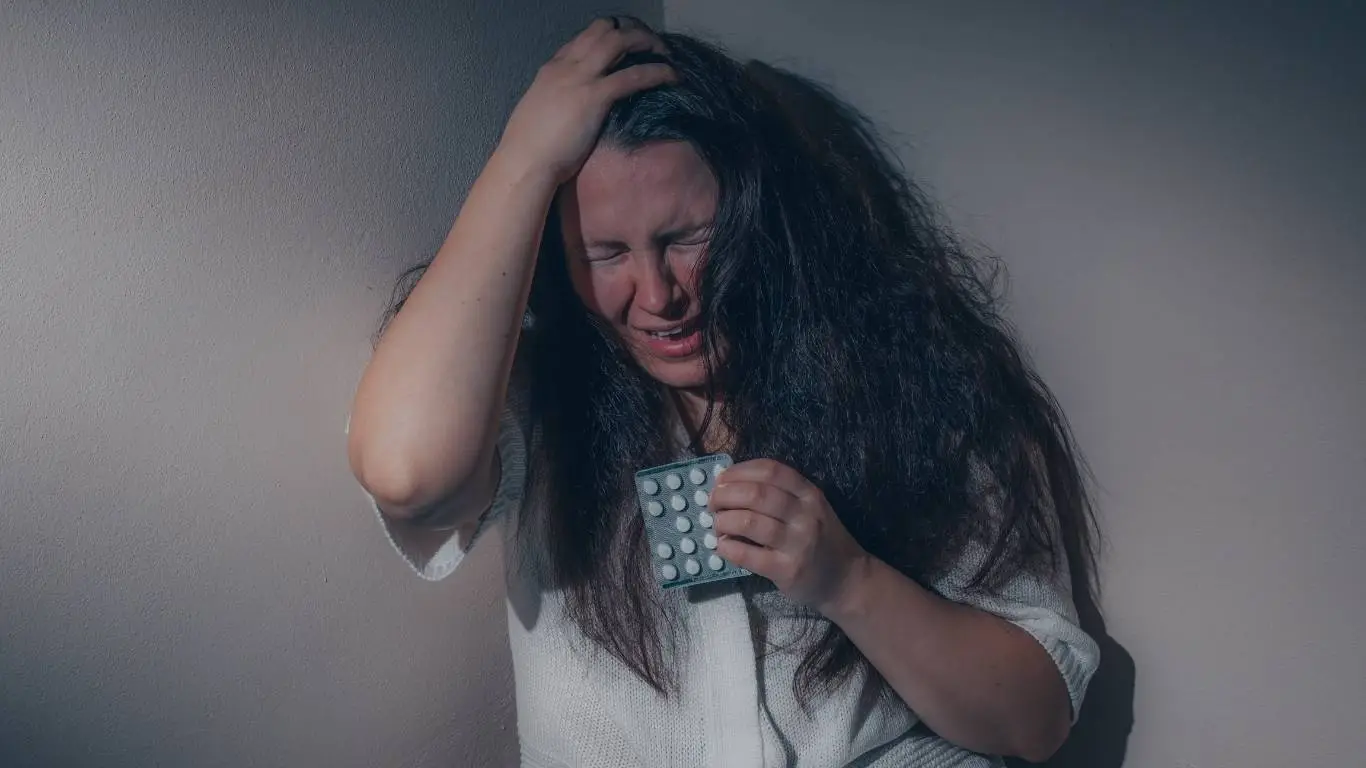
It’s easy to dismiss anxiety-related sleep issues as “all in your head,” but the truth is—it is in your head, quite literally. Anxiety affects several areas of the brain, including the amygdala (the fear center), hippocampus (memory processing), and prefrontal cortex (decision-making). When these areas are overstimulated, your sleep architecture—the patterns and phases of your sleep—gets completely thrown off balance.
Interrupted Sleep Cycles
We need both REM and deep sleep to mentally and physically recharge. But when you’re anxious, your body spends less time in these vital phases. The result? You wake up feeling just as drained as when you went to bed. Even worse, if you experience social anxiety or performance-based anxiety, your mind might unconsciously rehearse stressful scenarios in your dreams, further robbing you of real rest.
Overproduction of Stress Hormones
Elevated cortisol and adrenaline don’t just keep you alert—they interfere with melatonin production. That’s the hormone that tells your body, “Hey, it’s time to chill out and sleep.” Without it, falling asleep becomes an uphill battle every single night.
Why Mind Racing Is a Biological Response
That never-ending loop of thoughts when you lie down? That’s your amygdala going into overdrive. It’s scanning for danger, but the only threat is your own inner dialogue. There’s evidence suggesting that people with anxiety disorders experience exaggerated amygdala responses to even neutral stimuli, keeping your body in a state of chronic arousal—even while you sleep.
Therapies That Help Reset Sleep-Anxiety Imbalances

I remember the first time someone suggested therapy to help with my sleep issues. My knee-jerk reaction was, “Isn’t therapy for people with serious problems?” But as it turns out, anxiety-based insomnia is pretty serious when you live with it every single night. Fortunately, therapy options today are more personalized and science-backed than ever before.
Cognitive Behavioral Therapy for Insomnia (CBT-I)
CBT-I is one of the most effective methods for breaking the anxiety-sleep cycle. It helps retrain your brain to associate bedtime with calm instead of chaos. You learn practical steps—like sleep scheduling and thought reframing—that have real, lasting impact.
Acceptance and Commitment Therapy (ACT)
ACT teaches you to sit with your thoughts rather than wrestle with them. It’s not about stopping anxious thoughts—it’s about reducing their power over you. I found this especially helpful during those nights when my mind refused to cooperate, no matter how many relaxation tricks I tried.
Relaxation-Based Modalities
- Yoga and gentle stretching before bed can help signal your nervous system to power down.
- Mindfulness meditation slows down thought loops and encourages body awareness.
- EMDR therapy is particularly useful if anxiety stems from trauma or past emotional triggers that sneak in at night.
Sleep Hygiene for Anxious Minds

We’ve all heard the term “sleep hygiene,” but if you’re dealing with anxiety, it’s not just a checklist—it’s your first line of defense. Making your environment and bedtime routine anxiety-proof can dramatically improve your chances of falling and staying asleep.
Essential Tweaks That Make a Huge Difference
- Consistent Sleep Schedule: Go to bed and wake up at the same time, even on weekends. This helps regulate your circadian rhythm.
- Cool, Dark, and Quiet Room: Your brain needs sensory calm to settle down. Try blackout curtains and white noise if needed.
- Bed = Sleep (and intimacy): Avoid working, eating, or watching TV in bed. This helps retrain your brain to see your bed as a place of rest, not stimulation.
Dietary and Lifestyle Adjustments That Help
- Avoid caffeine in the afternoon—yes, even that innocent green tea can be a sleep wrecker.
- Limit alcohol, which disrupts deep sleep even if it initially makes you drowsy.
- Try calming herbal teas like chamomile or lemon balm to prep your body for rest.
When Professional Support Becomes Essential

If your anxiety is severe or your sleep has been disrupted for months, it might be time to speak with a professional. That doesn’t mean you’re failing—it means you’re choosing to take control. Tools like the GAD-7 questionnaire can help you start that conversation with real data about your symptoms.
Some people benefit from SSRIs or other medications, but the key is finding a balance. It might also be helpful to explore natural methods in tandem with medical care, like CBD oil or supplements, under guidance from a healthcare provider.
When you’re ready to take that step, this in-depth article on anxiety disorder treatments lays out your options clearly and professionally.
For a deeper dive into how anxiety quietly disrupts your everyday life—not just your sleep—this foundational read might surprise you: Why Anxiety Disorders Can Secretly Control Your Daily Life.

Camellia Wulansari is a dedicated Medical Assistant at a local clinic and a passionate health writer at Healthusias.com. With years of hands-on experience in patient care and a deep interest in preventive medicine, she bridges the gap between clinical knowledge and accessible health information. Camellia specializes in writing about digestive health, chronic conditions like GERD and hypertension, respiratory issues, and autoimmune diseases, aiming to empower readers with practical, easy-to-understand insights. When she’s not assisting patients or writing, you’ll find her enjoying quiet mornings with coffee and a medical journal in hand—or jamming to her favorite metal band, Lamb of God.