How Back Pain Due To Scoliosis Can Disrupt Daily Life
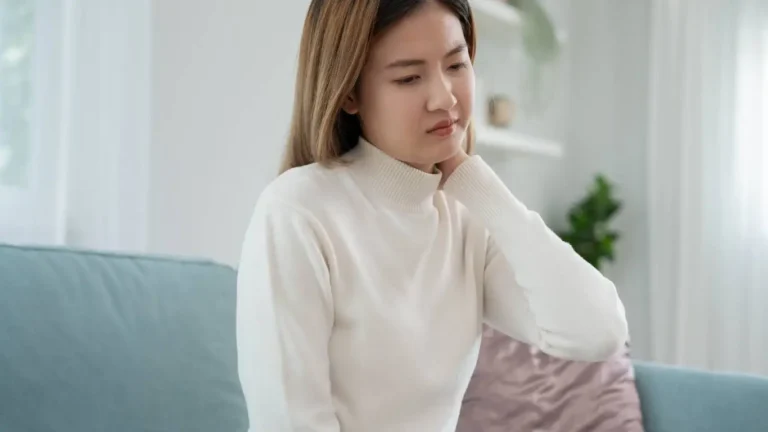
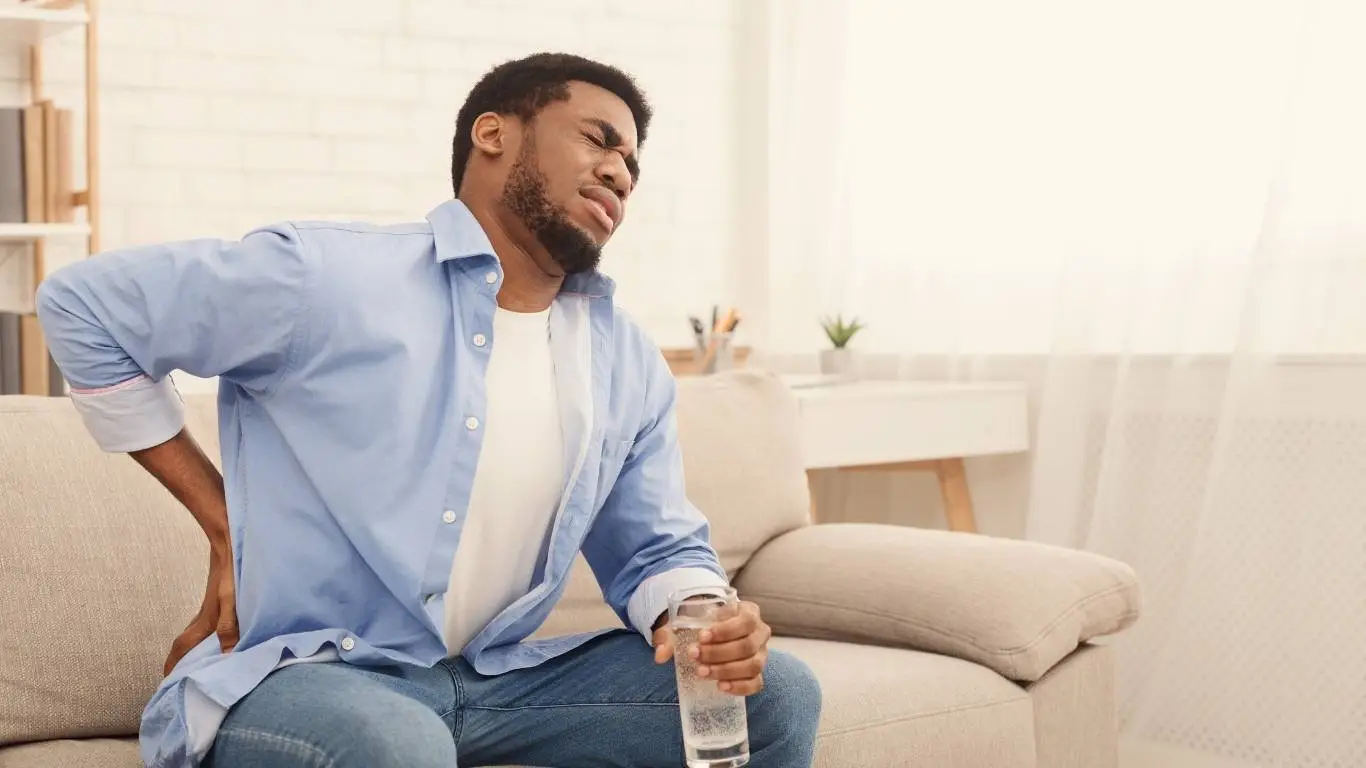
If you’ve ever found yourself wincing after sitting too long or twisting a little awkwardly and feeling that sharp jolt down your back—yeah, I’ve been there too. Back pain can sneak up on anyone, but when scoliosis is involved, it’s a whole different story. I didn’t think much of my uneven shoulders and occasional lower back aches until a scan during a routine check revealed the culprit: scoliosis. And suddenly, everything made a lot more sense. Let’s talk about what really goes on when back pain and scoliosis collide—and what can actually help.
What Is Back Pain from Scoliosis Really Like?
Scoliosis isn’t just a “curved spine” diagnosis tossed around during school screenings. It’s a complex condition where the spine curves sideways—often in an S or C shape—and that misalignment can throw the whole body out of whack. For some, it’s barely noticeable. For others, like me, it translates into persistent aches, muscle fatigue, or even shooting nerve pain after long days.
Back pain due to scoliosis often:
- Builds up slowly, especially with poor posture or physical strain
- Hits harder on one side (especially the lower back)
- Leads to tension in surrounding muscles trying to “compensate” for the imbalance
What’s interesting is that scoliosis-related back pain isn’t always directly from the spine itself. It’s the muscles, nerves, discs, and even the way you walk that play a part. Over time, this can snowball into something much more chronic if left unchecked.
Common Triggers and Why Pain Gets Worse Over Time

One thing I learned the hard way: what doesn’t hurt now may start to ache later—especially if you don’t stay ahead of it. So what causes scoliosis-related back pain to worsen over time?
- Muscle imbalance: When one side works harder to keep you upright, it fatigues and spasms.
- Poor ergonomics: Long hours at a desk or in the car without proper support.
- Inactivity or overexertion: Both ends of the spectrum can make symptoms worse.
- Disc degeneration: The uneven pressure can accelerate wear-and-tear on the spinal discs.
And then there’s aging. If scoliosis is already in the picture, natural spine degeneration can make the curve more pronounced, leading to new pain that didn’t exist before.
How to Tell If Your Back Pain Is Caused by Scoliosis
It’s easy to dismiss back pain as “normal,” especially if you’re active or aging. But scoliosis-related pain has a few tell-tale patterns:
- One hip or shoulder looks higher than the other
- Pain feels deeper and more “structural” rather than just sore muscles
- You lean slightly to one side when standing
- The pain worsens after sitting or standing for a long time
Getting a proper diagnosis matters. When I finally saw a spine specialist, they confirmed the curve with a simple X-ray. That changed the entire course of how I approached managing my pain.
If you’re noticing these patterns, getting an evaluation from an orthopedist is worth every second. They’ll likely refer to the diagnostic process here that outlines different curve degrees and how they correlate with pain.
Effective Conservative Treatments That Help

Thankfully, not all scoliosis-related back pain leads to surgery. Many of us find genuine relief through conservative strategies. In my own experience, combining a few approaches made a massive difference.
1. Physical Therapy and Targeted Exercise
This was a game-changer. A physical therapist designed a custom routine to strengthen the weaker side and stretch the tight side. Over time, it helped reduce the constant ache and improved posture. I followed many of the tips from this exercise and ergonomics guide, and it worked wonders.
2. Ergonomic Adjustments
I swapped my desk chair for one with lumbar support and added a footrest. Also adjusted the monitor height—simple, but you’d be surprised how fast small tweaks reduce strain.
3. Heat, Ice, and Massage
When pain flares up, I alternate heat and ice packs. Massage therapy, particularly trigger point release, helps a lot—especially in the upper back and shoulders.
4. Bracing (in Some Cases)
Not for everyone, but in moderate scoliosis, bracing can help reduce progression and ease pain. Usually more helpful in younger patients or early detection scenarios.
5. Mind-Body Therapies
Believe it or not, my stress levels used to skyrocket my pain. Practicing mindfulness and gentle yoga—like the kind you can find in the lifestyle and natural remedies section—made a big difference over time.
Also worth noting: scoliosis-related pain is often under-treated in adults. Many people brush it off or assume nothing can be done. But resources like this comprehensive main pillar and evidence-backed treatments at mayoclinic.org or spine-health.com can help guide better decisions.
#LNF

Camellia Wulansari is a dedicated Medical Assistant at a local clinic and a passionate health writer at Healthusias.com. With years of hands-on experience in patient care and a deep interest in preventive medicine, she bridges the gap between clinical knowledge and accessible health information. Camellia specializes in writing about digestive health, chronic conditions like GERD and hypertension, respiratory issues, and autoimmune diseases, aiming to empower readers with practical, easy-to-understand insights. When she’s not assisting patients or writing, you’ll find her enjoying quiet mornings with coffee and a medical journal in hand—or jamming to her favorite metal band, Lamb of God.