How Blood Sugar Fluctuations Trigger Floaters in Diabetics
If you’re living with diabetes, you probably keep tabs on your blood sugar and foot health—but what about your eyes? I didn’t think much about my vision until one day I noticed tiny specks drifting across my field of vision, especially when looking at a bright wall or the sky. At first, I brushed it off as nothing, but when they became more noticeable and persistent, I decided to dig deeper. That’s when I stumbled upon a surprising link—blood sugar fluctuations in diabetics can trigger or worsen eye floaters. Yep, those annoying little spots could be telling you something much bigger is going on.
Understanding the Diabetic Eye: Why Vision Gets Complicated
Diabetes messes with more than your insulin—it impacts the tiny blood vessels throughout your body, including the delicate ones in your retina. When your blood sugar spikes or crashes, it doesn’t just make you feel lousy—it actually creates micro stress events for your eyes.
Vitreous Humor and Glucose Volatility
The jelly-like substance in your eye, called the vitreous humor, floats between your lens and retina. It’s supposed to be clear. But when your glucose levels jump around, proteins and cell debris can clump and cast shadows on your retina, which appear as floaters. This isn’t just theory—many diabetics report more floaters during periods of unstable blood sugar.
Hyperglycemia’s Hidden Impact
When your blood sugar remains high for too long (hyperglycemia), it weakens capillaries in your retina. They can leak or burst, causing hemorrhages that worsen floaters. According to American Academy of Ophthalmology, this is an early marker of diabetic retinopathy, a serious eye condition that often begins silently.
When Should Diabetics Worry About Floaters?

Floaters by themselves aren’t always dangerous, but for diabetics, they’re not to be ignored. I learned this the hard way—after a long week of stress-eating and poor sleep, I woke up to what looked like black pepper flakes dancing across my vision. That was the day I booked my first emergency visit to a retina specialist.
Red Flags to Watch For
- Sudden increase in floaters
- Flashes of light in your peripheral vision
- Dark curtain-like shadow moving across your vision
- Floaters accompanied by blurred or distorted sight
Any of these symptoms may suggest more serious issues like a retinal tear or vitreous hemorrhage, which can result from rapid blood sugar drops or trauma. Early intervention matters, especially if you already have mild diabetic retinopathy brewing in the background.
How Blood Sugar Swings Influence Floaters

Glycemic Instability and Visual Disturbances
Think of your blood sugar like a roller coaster—the more dramatic the ride, the more likely your eyes are to respond negatively. When you swing from high to low too fast, the pressure inside your eyes can shift, subtly tugging at the vitreous gel and causing more floaters to appear or old ones to move more noticeably.
Insulin Sensitivity and Ocular Response
Some diabetics experience autoimmune components like thyroid disorders alongside diabetes, which can increase inflammation in the eye. Chronic inflammation adds another layer of stress to your already vulnerable retinal tissues. Over time, this irritation can produce more debris in the vitreous cavity, leading to those drifting shapes we call floaters.
Managing Floaters Naturally—What Actually Helps?
While some floaters fade on their own, there are ways to support your eye health that might reduce their frequency or intensity—especially if you’re keeping your diabetes under control.
Tips I’ve Tried Personally
- Stable blood sugar control: I started tracking my food more diligently. Turns out, even one high-carb snack could trigger a next-day increase in floaters.
- Hydration: Dehydration makes floaters worse. I now drink a glass of water with every meal, and my vision thanks me for it. You can learn more about that here.
- Eye-safe supplements: I checked with my doctor and added omega-3s and lutein, which may help with ocular inflammation. Don’t go overboard though—talk to a specialist first.
- Blue light filters: Reducing screen glare made a surprising difference for me. When I’m on screens less, I see floaters less.
More Strategies That Make a Difference
- Anti-inflammatory foods
- Science-backed supplements
- Simple eye exercises
- PubMed-reviewed nutrient therapies
For a broader understanding of treatment options—both natural and clinical—check out the full guide at eye floater treatments, or the main overview on floaters for a complete breakdown.
When Floaters Are More Than Just an Annoyance

I used to think floaters were just a quirky part of getting older. But after my diagnosis, I learned they can be the first warning sign of bigger diabetic complications. And no, that’s not being dramatic. Several ophthalmologists I’ve seen have explained how chronic blood sugar swings accelerate damage in the retina and vitreous.
Diabetic Retinopathy: The Silent Progressor
It creeps up slowly. Floaters, slight vision changes, maybe a little blur—nothing alarming at first. But behind the scenes, fragile blood vessels are leaking into your eye. That’s when things can take a serious turn. In my case, it wasn’t until I saw tiny black dots like soot falling across my vision that I knew I had to act.
If floaters start coming in clusters, change shape, or are accompanied by eye pain, it’s time to get checked for possible hemorrhages or retinal tears, especially if your diabetes isn’t tightly controlled. This isn’t fear-mongering—just smart prevention.
Posterior Vitreous Detachment (PVD)
In diabetics, a condition called PVD can occur earlier than usual. The vitreous gel detaches from the retina, causing sudden, large floaters and flashes. It’s not always vision-threatening, but when it happens alongside uncontrolled blood sugar, the risk of retinal tear rises.
Clinical Options for Managing Floaters in Diabetics
Let’s be honest—not every floater needs surgery or laser treatment. But if your vision is being compromised, especially while managing diabetes, it’s worth knowing what’s out there. I had to go through three different consults before deciding what made the most sense for me.
1. Observation and Monitoring
This is the go-to approach for most floaters. If they’re not affecting daily life, and there are no signs of retinal issues, you may just need regular retinal screenings. Diabetics should already be having these annually, if not semi-annually.
2. Laser Vitreolysis
This outpatient procedure uses lasers to vaporize large floaters, making them less noticeable. While it’s not suitable for all cases, some studies have shown positive outcomes in diabetic patients who can’t tolerate floaters interfering with daily tasks like driving.
3. Vitrectomy
The most aggressive option—this surgery removes the vitreous gel entirely. It’s often reserved for severe cases or when floaters coexist with diabetic retinopathy or hemorrhages. I personally opted against this due to the higher risk of cataracts post-surgery, but every case is different.
Preventive Habits That Help Me Keep Floaters in Check
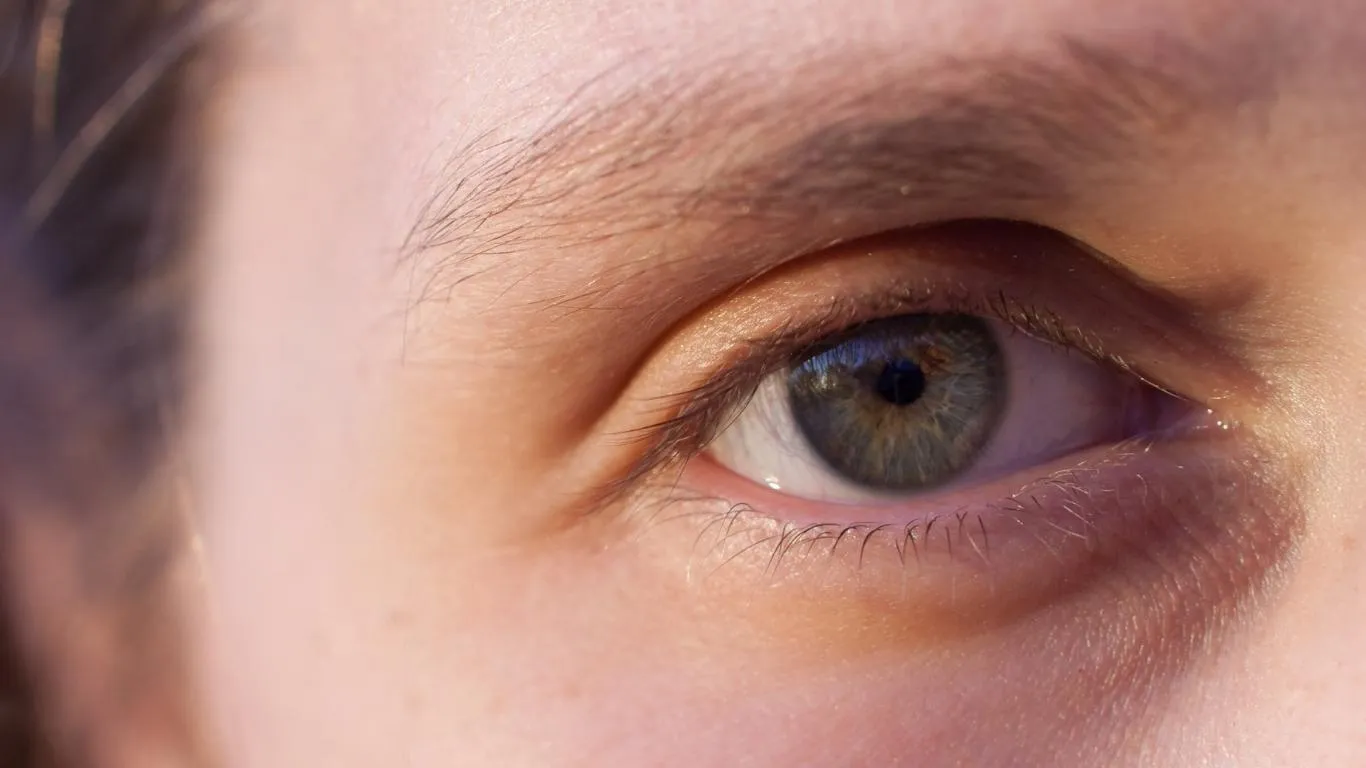
I wish someone had told me earlier how simple lifestyle tweaks could make a huge difference. Here’s what’s been most helpful for me over the past year:
- Glucose Stability: My floaters are dramatically less noticeable on days when my glucose stays between 90–130 mg/dL. No joke. I wear a CGM, and the correlation is real.
- Proper Lighting: Harsh light makes floaters pop. I installed warmer lighting at home and use screen filters to ease my eye strain. Here’s a breakdown on how bright lights affect floaters.
- Exercise: Walking post-meals helps regulate my sugar and improves circulation—my eye doctor actually recommends it as part of my floater management plan.
- Rest: When I’m exhausted, floaters become more intense. Consistent, quality sleep is one of the most underrated tools for visual comfort. Here are a few tricks that helped me.
When to See an Eye Specialist

If you’re diabetic and noticing floaters more often—or if they change suddenly—it’s time to consult a retina specialist. Not just an optometrist. You need someone trained to detect retinal damage before it becomes irreversible. And yes, there are specialists who work specifically with diabetic patients.
Checklist Before Your Appointment
- Keep a log of your blood sugar readings over the last week.
- Note the timing and appearance of your floaters.
- Bring a list of current medications and supplements.
- Have recent A1C and cholesterol labs handy.
Preparation gives your eye doctor a better shot at identifying what’s really going on—and crafting a plan that works around both your diabetes and your eye health.
More Resources Worth Exploring
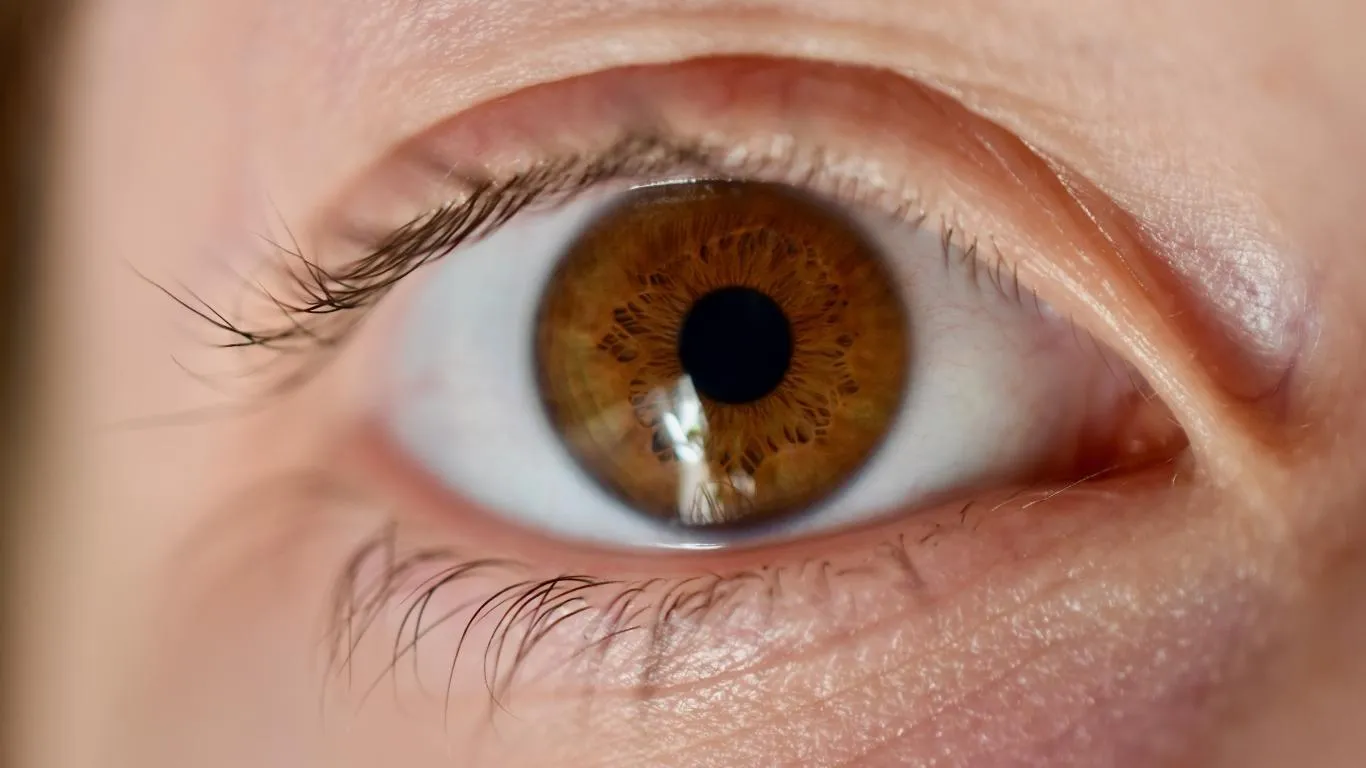
If you want to go deeper into causes, treatments, and prevention of eye floaters, I highly recommend starting with the detailed resource on how floaters differ from other vision issues. It’s helped me ask smarter questions at my appointments.
And for a broader understanding of how floaters work—whether you’re diabetic or not—the full guide at Healthusias main floaters page breaks down the science in a super readable way. It was my starting point, and honestly, still one I go back to.
If there’s one thing I’ve learned, it’s this: don’t ignore what your vision is telling you. Floaters aren’t always harmless—and in the context of diabetes, they’re often trying to wave a red flag. I’m glad I listened.

Camellia Wulansari is a dedicated Medical Assistant at a local clinic and a passionate health writer at Healthusias.com. With years of hands-on experience in patient care and a deep interest in preventive medicine, she bridges the gap between clinical knowledge and accessible health information. Camellia specializes in writing about digestive health, chronic conditions like GERD and hypertension, respiratory issues, and autoimmune diseases, aiming to empower readers with practical, easy-to-understand insights. When she’s not assisting patients or writing, you’ll find her enjoying quiet mornings with coffee and a medical journal in hand—or jamming to her favorite metal band, Lamb of God.