How Fast Do Floaters Dissolve Naturally and What to Expect
Not gonna lie, the first time I noticed eye floaters, I thought a tiny insect was flying inside my eyeball. It’s one of those weirdly alarming but medically common things that most of us end up googling at 2 a.m. If you’re here wondering how fast do floaters dissolve naturally, you’re not alone—and you’re not imagining things. Floaters can feel like that one uninvited guest at a party that just won’t leave. But hey, it turns out there’s a bit more to the story than just “wait it out.”
What Are Eye Floaters, Really?
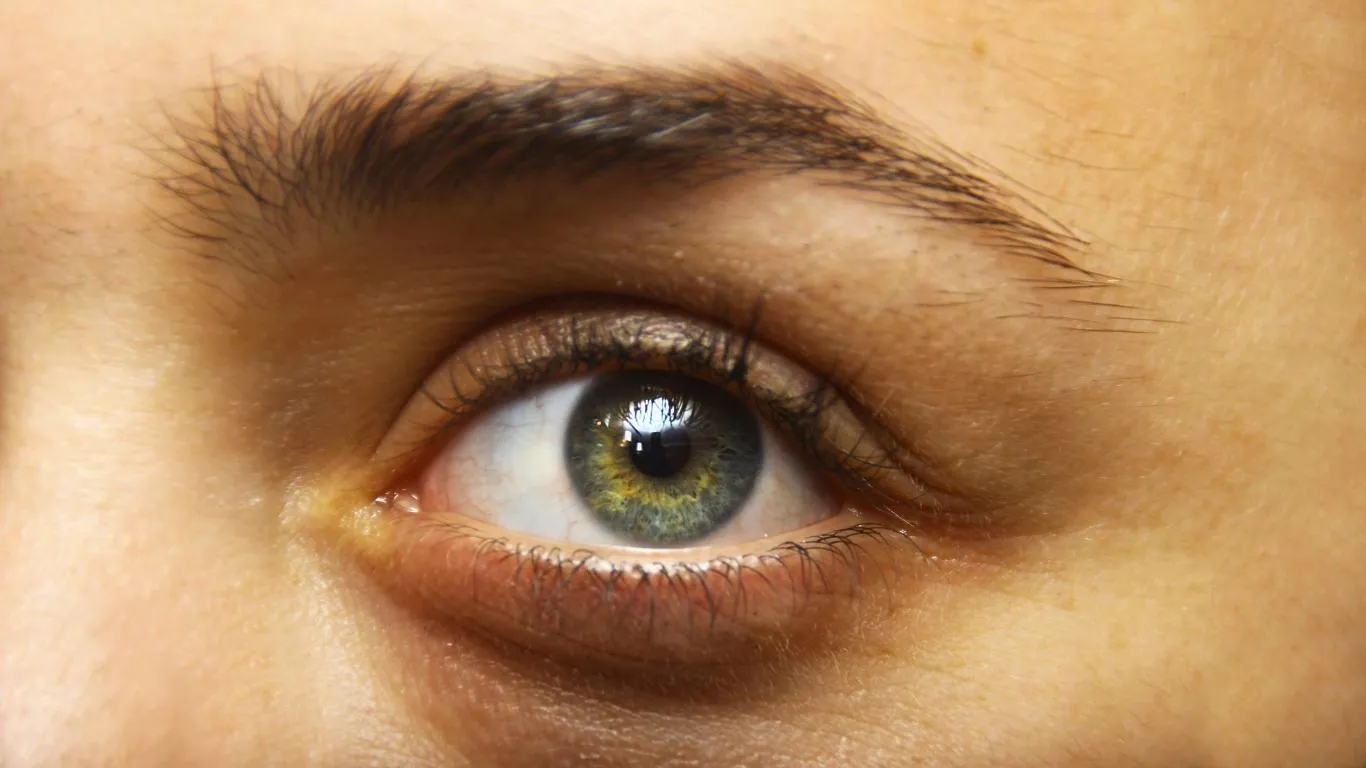
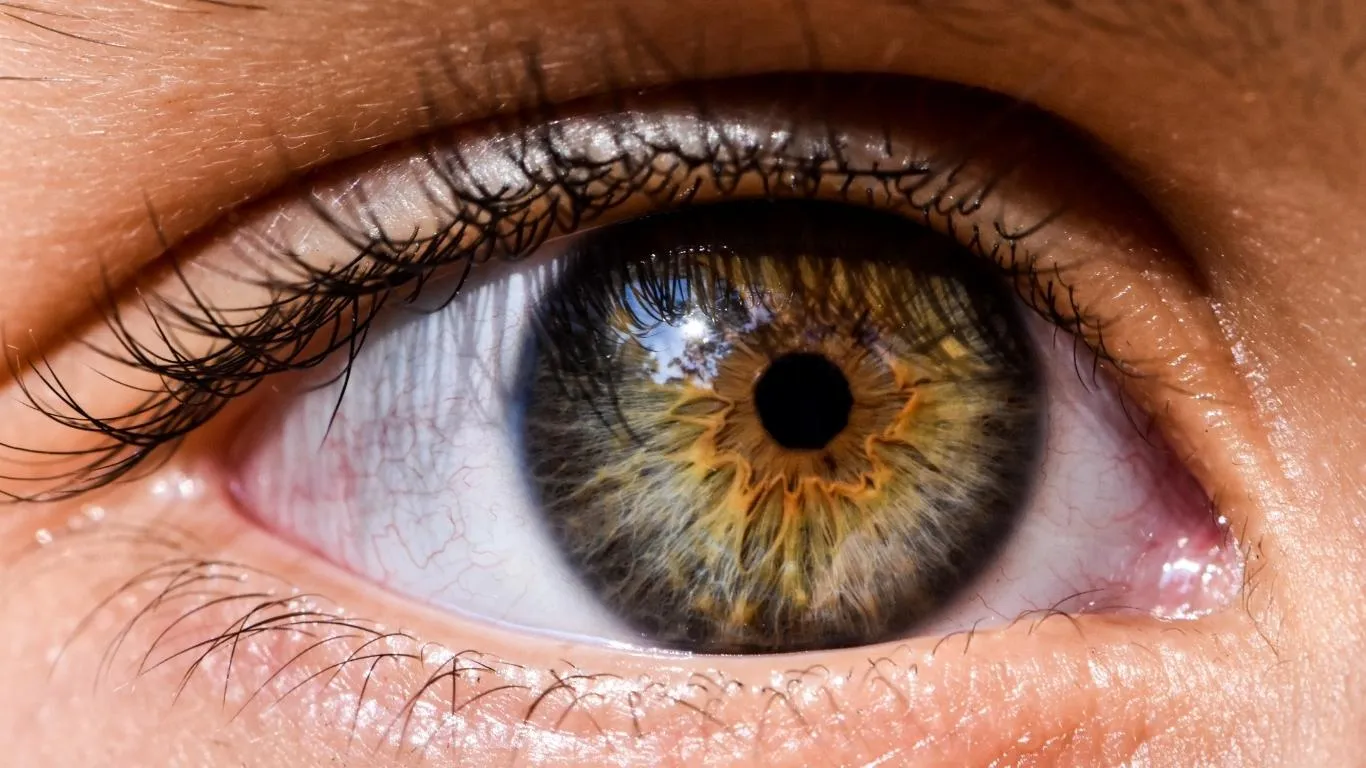
Eye floaters are those little specks, cobwebs, or squiggly threads that drift across your vision. They’re not imaginary—though they seem to vanish when you try to focus directly on them. Medically, they’re bits of collagen or cellular debris floating in the vitreous, the gel-like substance inside your eye. As we age, this vitreous begins to shrink and liquefy, clumping up and casting shadows on the retina. Voilà: floaters.
Now, most floaters aren’t dangerous, but they’re incredibly annoying. And if you’re reading this, chances are you’ve been told to just live with them. But how long do you really have to deal with them before they go away—or do they even go away?
So, How Fast Do Floaters Dissolve Naturally?

Here’s the slightly frustrating truth: most floaters don’t completely “dissolve” in the traditional sense. Instead, your brain learns to tune them out, a process called neuroadaptation. In terms of timeline, smaller floaters might become less noticeable over a few weeks or months. Larger, more stubborn floaters can take six months to a year to fade—or at least become tolerable enough that you stop noticing them constantly.
In some cases, floaters are reabsorbed into the eye’s vitreous and fade naturally. But again, it’s not an overnight thing. Most ophthalmologists will tell you to monitor them unless you experience sudden bursts or flashing lights, which could signal a retinal tear. And here’s something I learned the hard way—lack of sleep can make them way more visible, especially first thing in the morning or when staring at a bright screen.
Factors That Influence How Long Floaters Last
1. Age and Vitreous Health
The older you are, the slower your body is to reabsorb those bits floating around your eyeball. Floaters that show up in your 40s or later may linger longer simply because of natural age-related changes. This is why age-related vitreous degeneration plays such a key role in their formation and persistence. Learn more about it in this solid overview on vitreous changes with age.
2. Type of Floater
Not all floaters are equal. The tiny translucent specks? They’re usually absorbed faster. But those dark, worm-like floaters that seem to dance every time you move your eye? Yeah, those tend to stick around longer. According to National Eye Institute, denser floaters caused by posterior vitreous detachment (PVD) can last a lot longer, especially in patients with high myopia.
3. Lifestyle and Daily Habits
Believe it or not, your lifestyle impacts how floaters behave. I noticed mine were worse after long screen time sessions. Turns out, screen strain and bright light can make floaters more visible. Here’s a helpful article on how screen time worsens floaters and what you can do about it.
4. Eye Health and Underlying Conditions
If you have diabetes, inflammation, or conditions like uveitis, you’re more prone to persistent floaters. I met a fellow runner with diabetes who dealt with persistent floaters for years, only realizing later that it was tied to early-stage diabetic retinopathy. It’s worth checking out how diabetes can trigger floaters early on.
What Helps Speed Up the Process?
- Hydration: Dehydration can thicken the vitreous, making floaters more noticeable. I make it a habit to drink a full glass of water first thing in the morning—it surprisingly helps.
- Antioxidants: Foods rich in vitamin C, lutein, and zeaxanthin support overall eye health. You can dive deeper into this with evidence-based supplement advice.
- Eye rest & screen breaks: Follow the 20-20-20 rule. Every 20 minutes, look at something 20 feet away for 20 seconds. It’s not just good for dry eyes, it makes floaters less maddening.
- UV Protection: Always wear sunglasses outside. UV rays not only damage your retina but also accelerate vitreous degeneration.
If you’re exploring more structured natural options, this guide on natural ways to manage eye floaters gives a balanced take—no snake oil, just science-backed info.
When Should You Actually Worry?
While it’s totally normal to have some floaters, a sudden storm of them—especially if paired with flashes of light or peripheral vision loss—can indicate a retinal tear. That’s an emergency. Don’t mess around—go see a retinal specialist immediately. I had a scare once and learned how fast that can escalate.
Floaters after trauma or head injury should also be taken seriously. This article on floaters after accidents helped me better understand the risk factors after a fall or impact.
For a deeper dive into floater causes and treatment paths, check out this comprehensive guide on common causes, and here’s the main hub if you want the full breakdown: Eye Floaters: Causes, Symptoms, and Treatments.
What If Floaters Don’t Go Away?
Alright, let’s talk about the elephant in the room: what if your floaters just decide to overstay their welcome? I’ve had one pesky floater that hung around for almost a year. Honestly, I started naming it—it was that persistent. The good news? Even stubborn floaters often fade to the background of your vision with time. But if they don’t, or if they interfere with daily tasks like reading or driving, there are still options to explore.
First, don’t panic. Persistent floaters aren’t always a sign of something more serious. But you should still rule out conditions like posterior vitreous detachment (PVD), retinal tears, or underlying inflammation. A dilated eye exam with an ophthalmologist can clear things up—no pun intended.
Medical Treatments That Actually Work
1. Vitrectomy
This is the “big gun” treatment. A vitrectomy involves removing the vitreous gel and replacing it with a saline-like solution. It’s highly effective but not without risks—retinal detachment and cataract development are possible. So unless floaters are truly life-disrupting, most doctors recommend trying everything else first.
2. Laser Vitreolysis
Less invasive than a vitrectomy, this laser procedure targets floaters and vaporizes them. It’s outpatient, quick, and works best for large, well-defined floaters. The catch? Not everyone’s anatomy makes them a good candidate. I was told mine were too close to the retina, which made the risk not worth it.
Want a full breakdown of both options? The resource on eye floater treatments does a fantastic job laying it all out—benefits, risks, recovery time, and all.
What About Natural Remedies?
Let’s be real for a second—there’s a lot of junk advice out there when it comes to “natural” floater cures. I’ve read everything from staring at a candle to doing yoga upside down (okay, not really, but close). The truth? Most floaters can’t be cured with a green smoothie or essential oils. But some natural strategies may support eye health and reduce symptoms over time:
- Omega-3s: Fatty acids help with inflammation and support retinal health. I personally take fish oil daily—it hasn’t made my floaters vanish, but I do feel less eye strain overall.
- Vitamin C & Collagen Support: The vitreous is 99% water and 1% collagen. Some studies suggest that collagen-boosting supplements may help slow degeneration.
- Eye Exercises: You won’t blink your floaters away, but techniques like palming and slow eye rolls can improve circulation. This simple exercise guide breaks it down nicely.
Still skeptical? Me too, honestly. But I do believe there’s value in holistic eye care as part of a bigger picture. If anything, these habits make your eyes feel better—and that’s never a bad thing.
Common Myths People Still Believe
Let’s clear the air on some popular myths I’ve encountered (and believed myself at one point):
- “Floaters mean you’re going blind.” – Nope. Floaters are usually harmless. But sudden increases or flashes of light? That’s different. See a doc.
- “Only older people get floaters.” – Not true. Even teens and young adults can get them, especially if they’re nearsighted or had an eye injury. Sports injuries are a common trigger.
- “Floaters are all in your head.” – Tell that to anyone who’s tried ignoring a black blob floating over their favorite Netflix show. They’re real. They just live inside your eye’s jelly.
More myth-busting goodness? Check out this honest breakdown on natural floater management—it’s refreshingly free of woo-woo.
Supporting Your Vision for the Long Haul
I’ll be honest—floaters taught me a lot about patience, eye health, and the limits of what modern medicine can (and can’t) fix instantly. While most floaters won’t disappear completely, you can reduce how much they affect your quality of life.
Small changes really do add up: staying hydrated, wearing UV-protective sunglasses, cutting back on screen time when you can, and keeping your overall health in check. It’s about giving your eyes the best chance to adapt—and that’s a process I’ve learned to respect.
If you’re still trying to figure out whether what you’re seeing are actually floaters or something else entirely, this quick explainer on eye floaters vs. other eye issues is a must-read. It’s surprising how easy it is to confuse them with migraines, flashes, or even dust in your contact lens.
And if you’re deep-diving on what causes floaters in the first place, here’s your go-to master resource: Eye Floaters: Causes, Symptoms, and Treatment Options.
What the Research Says
We’ve got data to back some of this up. Studies published on AAO and NCBI confirm that most primary floaters become less noticeable after several months through adaptation, not actual disappearance. And while treatment demand is growing, many eye specialists still opt for observation unless there’s functional vision loss or signs of retinal pathology.
In plain English: hang in there. You’re probably fine, but if you’re not sure, it’s better to get checked. I learned that the hard way after ignoring a sudden cluster that turned out to be a minor retinal hemorrhage. Caught early, no damage. But it could’ve been much worse.
Floaters can be a nuisance—but with the right info, a little patience, and some practical habits, they don’t have to hijack your day-to-day life.

Camellia Wulansari is a dedicated Medical Assistant at a local clinic and a passionate health writer at Healthusias.com. With years of hands-on experience in patient care and a deep interest in preventive medicine, she bridges the gap between clinical knowledge and accessible health information. Camellia specializes in writing about digestive health, chronic conditions like GERD and hypertension, respiratory issues, and autoimmune diseases, aiming to empower readers with practical, easy-to-understand insights. When she’s not assisting patients or writing, you’ll find her enjoying quiet mornings with coffee and a medical journal in hand—or jamming to her favorite metal band, Lamb of God.