How Inflammation In The Gut Can Worsen Your Back Health
Let me tell you something I didn’t expect to learn from years of chasing doctors, trying out weird back pain therapies, and Googling symptoms at 2 AM: sometimes, the pain in your back starts in your gut. Sounds wild, right? I used to think back pain was always about posture or injury — never once did I suspect my digestive system could be throwing my spine out of balance. But once I dug into the research (and more importantly, my own healing journey), the connection between **gut inflammation** and **back health** became impossible to ignore.
How the Gut and Spine Are Secretly Talking to Each Other

The gut and spine are closer friends than we give them credit for. Your **enteric nervous system** (often called the “second brain”) is constantly exchanging information with your central nervous system. So, when there’s inflammation brewing in your intestines — maybe from poor diet, stress, or an autoimmune trigger — it doesn’t just stay local. That chemical chaos can travel upward, affecting how your spine feels, functions, and heals.
It’s Not Just Bloating — It’s Biochemistry
When your gut lining is compromised (hello, leaky gut), proteins and bacteria sneak into your bloodstream, setting off an immune response. Cytokines — the body’s inflammatory messengers — go into overdrive. They can land in your lower back and joints, making everything feel stiff, sore, or just plain painful.
The Real-Life Impact: My Back Pain Wasn’t All About My Back
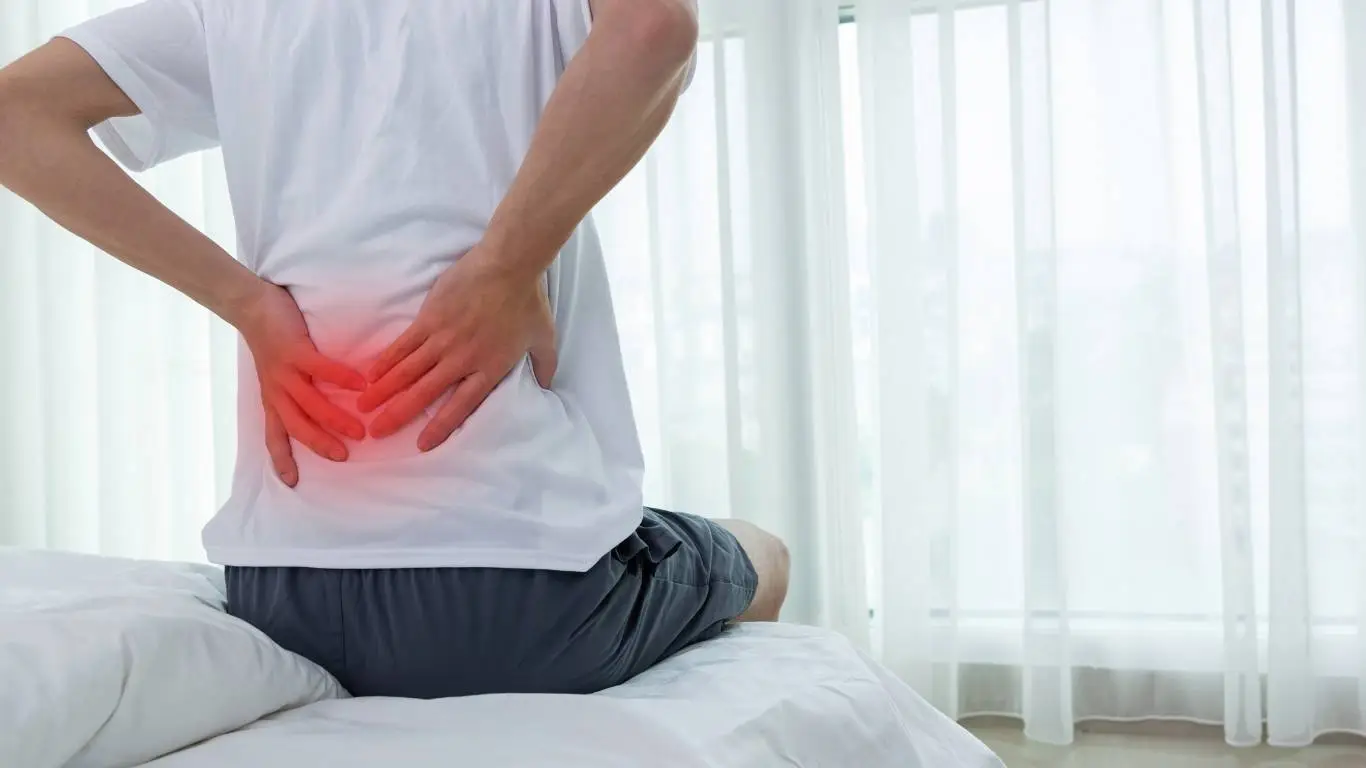
Years ago, I had this gnawing pain in my lower back that no chiro adjustment, heating pad, or massage could fix. Turns out, I was eating foods my body hated — gluten and processed sugars were the top culprits. Once I cleaned up my diet and supported my gut with probiotics and fiber-rich meals, my back loosened up. That tight, cramping, deep ache? Gone.
Research agrees. Studies have shown strong links between gut microbiome health and systemic inflammation, which includes musculoskeletal discomfort. Even Cleveland Clinic recognizes this gut-joint connection as a critical factor in chronic pain conditions.
Conditions That Link Gut Inflammation to Back Pain

- Ankylosing Spondylitis: An inflammatory spinal disease often linked to gut issues. Many patients have undiagnosed gut imbalances or morning stiffness as a red flag.
- IBD (Crohn’s and Ulcerative Colitis): These gut diseases frequently bring extra-intestinal symptoms, including severe back pain and stiffness.
- Leaky Gut Syndrome: While not universally accepted by mainstream medicine, many functional medicine experts point out the cascade of inflammation triggered by gut permeability leads directly to joint and back pain.
The Posture-Gut Connection No One Talks About
Ever sat slouched after a greasy takeout binge and felt that sharp pull in your lower back? Yeah, me too. Digestion and posture aren’t unrelated. When your gut’s inflamed, you often hunch forward from bloating or cramping — putting pressure on your lumbar spine. This slouchy stance only deepens existing muscular imbalances and sets off a chain reaction of pain.
Anti-Inflammatory Lifestyle = Better Back Health

Addressing gut inflammation isn’t all about cutting things out. It’s about rebuilding. Here’s what helped me (and what science supports):
- Load up on Omega-3s: These fatty acids reduce systemic inflammation and have been shown to improve back pain symptoms. Consider reading about the benefits of Omega-3 for joints and spine health.
- Eat more fermented foods: Kimchi, sauerkraut, kefir — they restore your gut flora and calm the immune response.
- Use anti-inflammatory spices: Turmeric and ginger are gut-soothing and spine-supportive heroes.
- Balance blood sugar: Spikes in insulin increase inflammation. Aim for meals with protein, fiber, and healthy fats.
And don’t forget the power of movement. Gentle activities like yoga and walking stimulate the gut and reduce inflammation. Check out these yoga poses specifically designed to ease back tension while supporting digestion.
When to Suspect Your Gut is the Culprit

- You’re constantly bloated or gassy, especially after eating
- You’ve had unexplained back pain that doesn’t respond to physical therapy or posture fixes
- You struggle with skin conditions like eczema or acne — signs of internal inflammation
- Your mood feels off — serotonin is made in the gut, and mental health often mirrors gut health
If you’re nodding to a few of these signs, don’t just reach for painkillers. Your spine might be crying out for help from your gut. You can also explore more on the underlying causes of back pain many people overlook — from poor digestion to inflammatory triggers.
For a broader understanding of the full back pain puzzle, this main pillar on back pain connects the dots between lifestyle, anatomy, and recovery. And if you want a deeper dive into how lifestyle and diet influence your spine, don’t miss this essential resource on natural remedies for back pain.
Why Gut-Focused Back Pain Treatment Often Works When Everything Else Fails

If you’ve thrown your back out more times than you can count, and conventional treatments never seem to hold up, it might be time to treat your gut like a primary suspect. I’ve worked with people who tried injections, surgery, posture correctors — all the usual suspects — with minimal results. But when they cleaned up their diet, reduced processed food, and added targeted gut support? That’s when the real healing started.
The “Back-Gut Loop” and Chronic Pain
One theory I personally find fascinating — and honestly, it explains a lot — is the idea of a feedback loop between your gut inflammation and pain sensitivity. A disturbed microbiome can amplify your perception of pain, thanks to your vagus nerve, which acts like a hotline between your gut and brain. When the gut is inflamed, pain signals are heightened — especially in vulnerable areas like the lower back and hips.
Surprising Foods That Could Be Feeding Your Back Pain

I used to think my pain flared randomly — until I started tracking meals. Turns out, some foods that seem “healthy” can still trigger gut-based inflammation. These were my biggest back pain triggers:
- Artificial sweeteners: They disrupt gut bacteria and can lead to bloating and inflammation.
- Wheat and dairy: Even if you’re not allergic, they can trigger low-grade gut irritation.
- Vegetable oils: Common in takeout and processed snacks, they’re high in omega-6s, which can fuel inflammation.
- Alcohol: Aside from stressing your liver, it damages the gut lining and affects sleep (another pain amplifier).
If you suspect your diet’s sabotaging your spine, try removing these for 2-3 weeks. Many find their pain reduces dramatically just from cutting back inflammation internally. For deeper insight, here’s why anti-inflammatory diets really do help with spinal pain.
Gut-First Habits That Reduced My Flare-Ups

- Morning hydration: Warm lemon water became my ritual — it gently wakes up the gut and reduces bloating.
- Probiotics + prebiotics: I rotated between fermented foods and high-fiber veggies. Gut diversity matters.
- Mindful eating: I stopped rushing meals. Chewing thoroughly and eating calmly helped digestion and reduced bloating (which eased my posture too).
- Movement after meals: I started walking for 10 minutes after dinner — not for calories, but for digestion and circulation. My back felt less stiff by morning.
Even science backs it: small lifestyle tweaks can reduce systemic inflammation. If you’re wondering why your pain won’t quit, read how weight gain and inflammation affect spine health more than most people think.
When Gut Inflammation Worsens Structural Back Issues

If you already have structural spinal issues — like a herniated disc or spinal stenosis — gut inflammation acts like lighter fluid on an already smoldering fire. Inflammation affects tissue repair, delays recovery, and increases pain perception. Even after surgery, patients with high systemic inflammation tend to heal slower and report more complications.
Are There Tests for Gut-Back Connection?
Honestly, there’s no single “gut-back” test. But stool analysis, food sensitivity testing, and inflammation markers (like CRP or ESR) can help uncover hidden triggers. I also found that tracking flare-ups with a food log gave me clarity no blood test could. Some people also benefit from exploring minimally invasive solutions while addressing gut health in parallel.
What to Ask Your Doctor (That Most Don’t Think To)

Many healthcare providers still treat back pain in a vacuum — but more are open to integrative care. Here are smart questions to bring up at your next visit:
- “Could chronic gut inflammation be contributing to my spinal pain?”
- “Is there a nutritionist you recommend who specializes in inflammation?”
- “Should we consider gut testing or dietary interventions before physical therapy?”
- “What’s your take on probiotics, turmeric, or other gut-supportive supplements for pain?”
And while conventional care has its place, it’s worth learning how lifestyle-focused solutions can radically shift outcomes. See this breakdown on lifestyle and diet changes that impact chronic pain more than medications alone.
Building a Daily Routine That Supports Both Gut and Back
Here’s what my current daily rhythm looks like — and it’s helped me stay mostly pain-free for over a year now:
- Morning: Hydration, mobility stretches, light breakfast with fiber + protein
- Midday: Gut-friendly lunch (avoiding sugar), quick walk after eating, core activation exercises
- Evening: Low-inflammatory dinner (sweet potatoes, greens, fish), magnesium supplement, screen-free hour
If that sounds too much, just start with one or two — the key is consistency. And if your back pain worsens with bloating or fatigue, it’s worth asking if your spine is getting caught in the crossfire of gut inflammation. Don’t wait until it becomes unmanageable. Learn more about the underlying symptoms and diagnosis of chronic back pain that often go misinterpreted.
For a full breakdown of what may be happening deeper in your system, explore our foundational page on Back Pain. It’s the hub where anatomy meets lifestyle, and it might just change how you see your pain — from the inside out.

Camellia Wulansari is a dedicated Medical Assistant at a local clinic and a passionate health writer at Healthusias.com. With years of hands-on experience in patient care and a deep interest in preventive medicine, she bridges the gap between clinical knowledge and accessible health information. Camellia specializes in writing about digestive health, chronic conditions like GERD and hypertension, respiratory issues, and autoimmune diseases, aiming to empower readers with practical, easy-to-understand insights. When she’s not assisting patients or writing, you’ll find her enjoying quiet mornings with coffee and a medical journal in hand—or jamming to her favorite metal band, Lamb of God.