How Tight Calves Can Sabotage Your Lumbar Posture Health
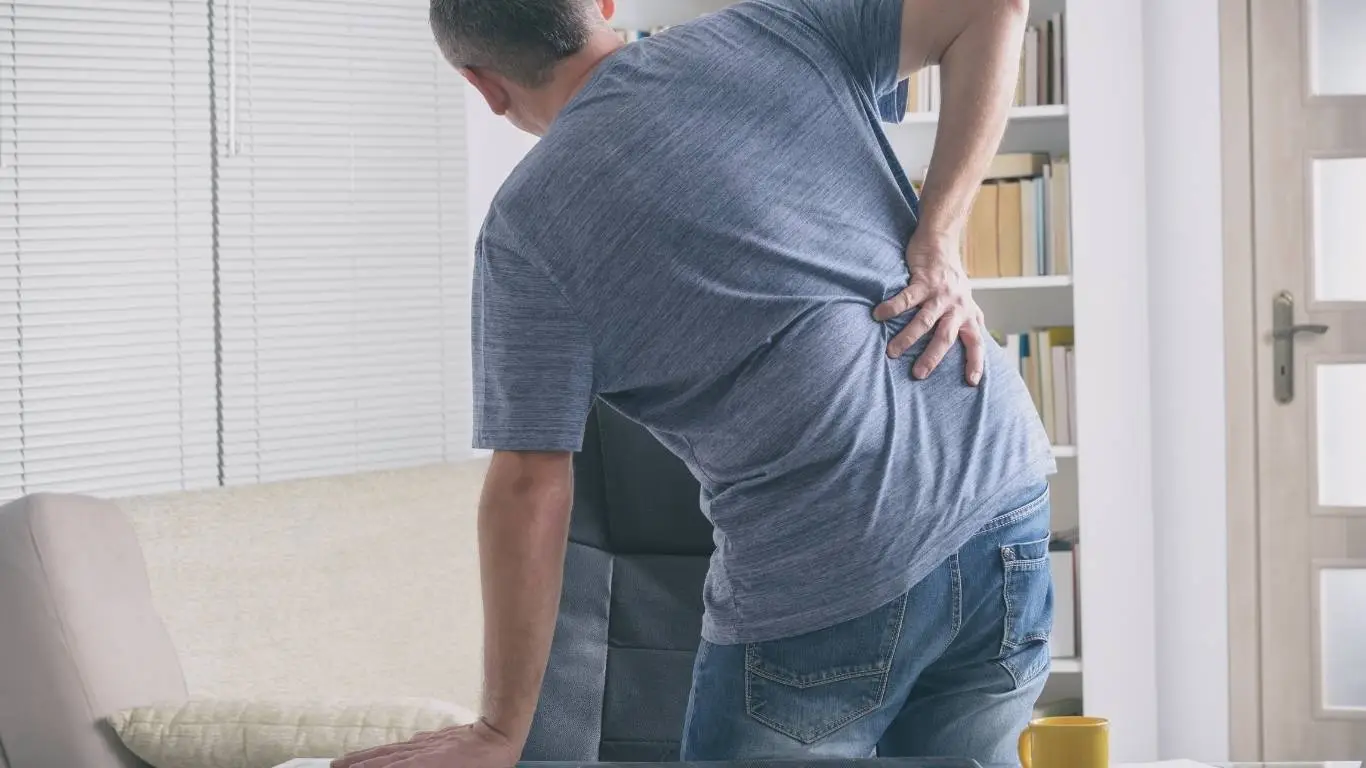
Let me tell you — a couple of years back, I kept wondering why my lower back constantly felt sore even though I wasn’t doing any heavy lifting. Turns out, the issue was nowhere near my back. It was my calves. Seriously. Most of us don’t even think twice about the backline of our body, especially the calves, when dealing with lumbar discomfort. But after dealing with it myself and digging deep into the science behind it, I realized how tight calves can really mess with your lumbar posture. It’s not just about muscle tightness — it’s about how everything is interconnected.
Why Tight Calves Could Be Undermining Your Posture

The calf muscles — particularly the gastrocnemius and soleus — are responsible for more than just moving your feet. When these muscles become tight, they can create a chain reaction throughout the posterior kinetic chain, especially impacting the lumbar spine. If your calves lack flexibility, your body starts to compensate by adjusting alignment elsewhere — usually at the knees, hips, and, yes, your lower back.
The Domino Effect: From Feet to Spine
Here’s what happens: tight calves restrict ankle dorsiflexion, meaning you can’t flex your foot upward effectively. This limitation affects how you walk, squat, and even stand. Your body starts to adjust by tilting your pelvis forward or arching your lower back more than necessary (anterior pelvic tilt). This overcompensation stresses your lumbar spine.
- Increased lumbar lordosis: Your spine may curve excessively, causing compression in the lower back.
- Altered gait mechanics: Tight calves can force unnatural walking patterns, increasing back strain.
- Disrupted shock absorption: When calves can’t do their job, the lumbar area takes on more impact than it should.
How to Tell If Your Calves Are the Culprit
You don’t need a physical therapist to figure this out (though it helps). Here are some red flags that your calves are contributing to poor lumbar posture:
- You struggle with deep squats without your heels lifting.
- Your feet point outward when you walk or stand.
- You frequently feel tension behind your knees or in your lower legs after standing for a while.
- You over-rely on your lower back during movement-based workouts.
Want to test it yourself? Try standing with your toes a few inches from the wall and attempt to bend your knee forward to touch the wall without lifting your heel. If that’s hard or impossible, your dorsiflexion is likely restricted — a big red flag for calf tightness.
Why Calf Mobility Matters More Than You Think
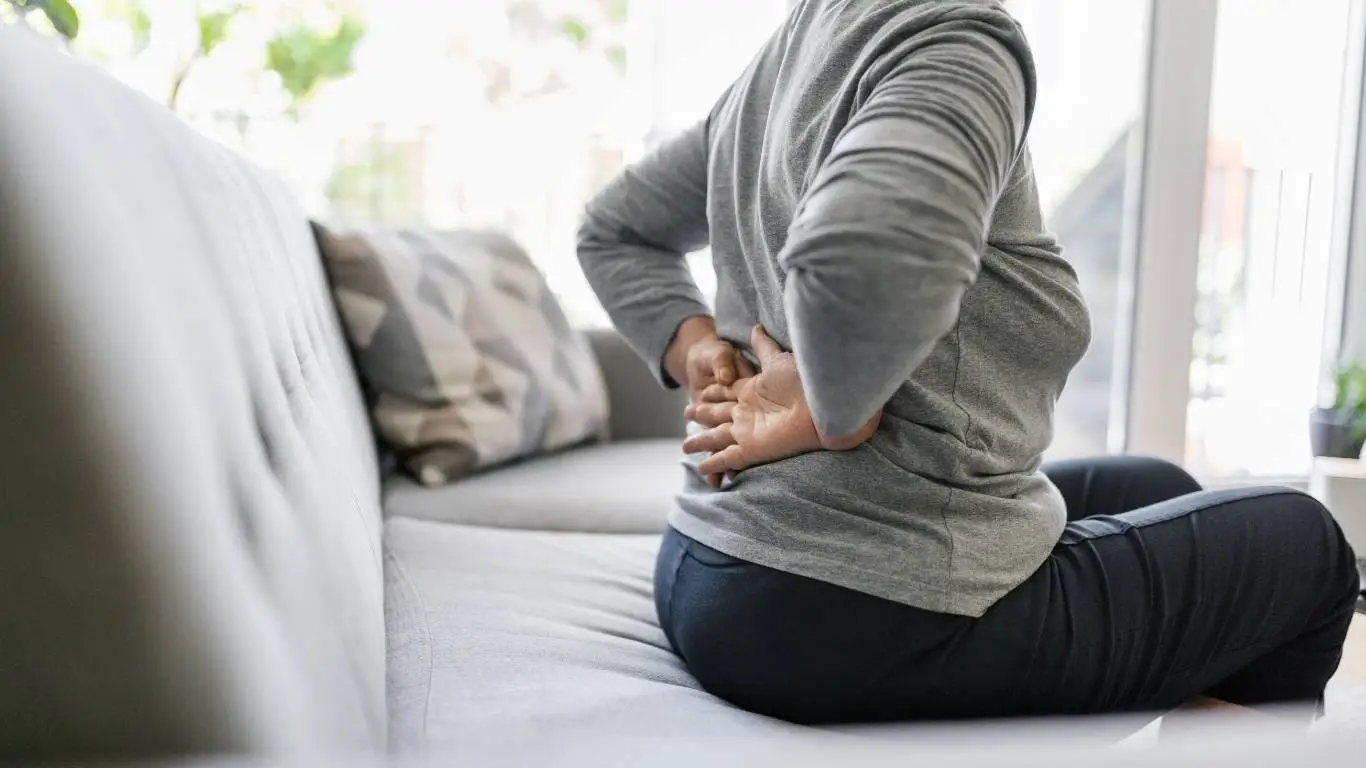
There’s a reason elite athletes, dancers, and physical therapists emphasize posterior chain mobility — it’s foundational. Calves are often the “silent limiter” that causes lumbar issues without obvious warning signs. Improving calf mobility not only restores proper ankle function but allows your hips and spine to operate in their natural alignment.
One overlooked benefit? Reduced muscle fatigue in your back after long periods of standing or walking. And for those working desk jobs or lifting at the gym, better calf mobility translates into safer movements and less compensation through your spine.
If this sounds like you, you may find these muscle imbalance solutions useful. The body thrives when its parts work together, not in isolation.
Smart Fixes: How I Released My Calves and Helped My Back
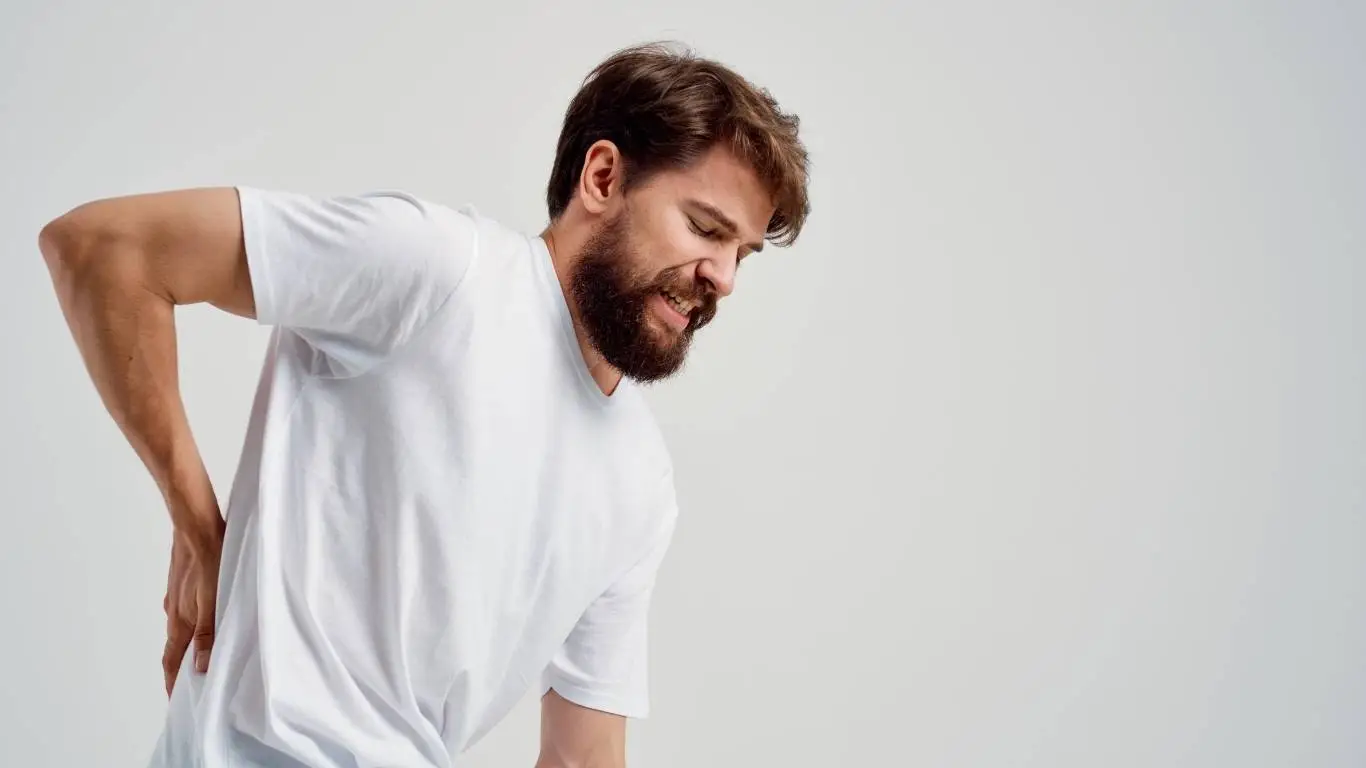
When I first figured out my calves were the problem, I started small. Here’s what worked for me and what I now suggest to friends and clients dealing with stubborn lower back pain:
1. Daily Foam Rolling
A basic foam roller changed everything. I rolled each calf for about 60 seconds before bed and first thing in the morning. It was painful at first — but I could literally feel tension releasing from my back days later.
2. Stretching with a Slant Board or Step
Try holding a calf stretch for at least 30 seconds on each leg, twice a day. A slant board gives a more consistent stretch, but even a stair or curb works. Hamstring flexibility also complements this, so add that in too.
3. Mobility Drills with Active Ankle Movement
Static stretching is just one part. I started incorporating ankle dorsiflexion drills — think wall ankle touches, slow calf raises, and banded ankle mobility drills.
4. Better Footwear
Sounds minor, but ditching overly cushioned sneakers and going for more supportive, flatter soles changed my posture game. Here’s a link that dives into how bad footwear affects your spine.
What Science Says About the Calf-Lumbar Link

Recent studies in musculoskeletal health have shown that restricted ankle dorsiflexion (often caused by tight calves) correlates with increased lumbar loading during both static and dynamic activities. A publication from ncbi.nlm.nih.gov supports this finding — stating that calf tightness can alter kinetic sequencing during squats and walking, leading to lumbar overload.
Additionally, posture experts from mayoclinic.org and clevelandclinic.org emphasize the impact of lower limb dysfunction on spine alignment and back health.
It’s not just theory — the science backs what many physical therapists and trainers already see: calf tension can cascade upward.
For a broader view of the role of posture and movement on back issues, check out this rehab-focused breakdown from the pillar content hub. Or go deeper with this full guide on back pain that ties in posture, pain, and long-term solutions holistically.
Why Just Stretching Isn’t Enough for Long-Term Postural Fixes

If you’re like I was, you probably think stretching alone will fix everything. Hate to break it to you — it won’t. Passive calf stretches help in the moment, but they don’t correct your movement habits or improve long-term lumbar alignment. I stretched for weeks and still had pain until I added active mobility work and neuromuscular retraining into my routine.
Here’s the catch: your brain and body need to learn how to move correctly with that new range of motion. That’s why mobility drills, strength work, and balance exercises are non-negotiable.
Movement Retraining Is the Secret Sauce
Calves might be the root cause, but fixing lumbar posture requires a full-body correction. I had to retrain my glutes, core, and even my foot positioning. That combo finally made my posture feel effortless — instead of forced.
- Single-leg balance drills to reconnect the foot-hip-core chain.
- Glute bridges and dead bugs to fire up stability muscles.
- Wall squats with a heel lift to gently retrain alignment without triggering back pain.
All these helped reinforce what calf mobility started. If you skip this phase, the improvements fade fast — trust me, I learned the hard way. This Pilates approach was also a game changer for integrating strength and mobility together.
Everyday Habits That Keep Calves Tight (and Back Pain Alive)
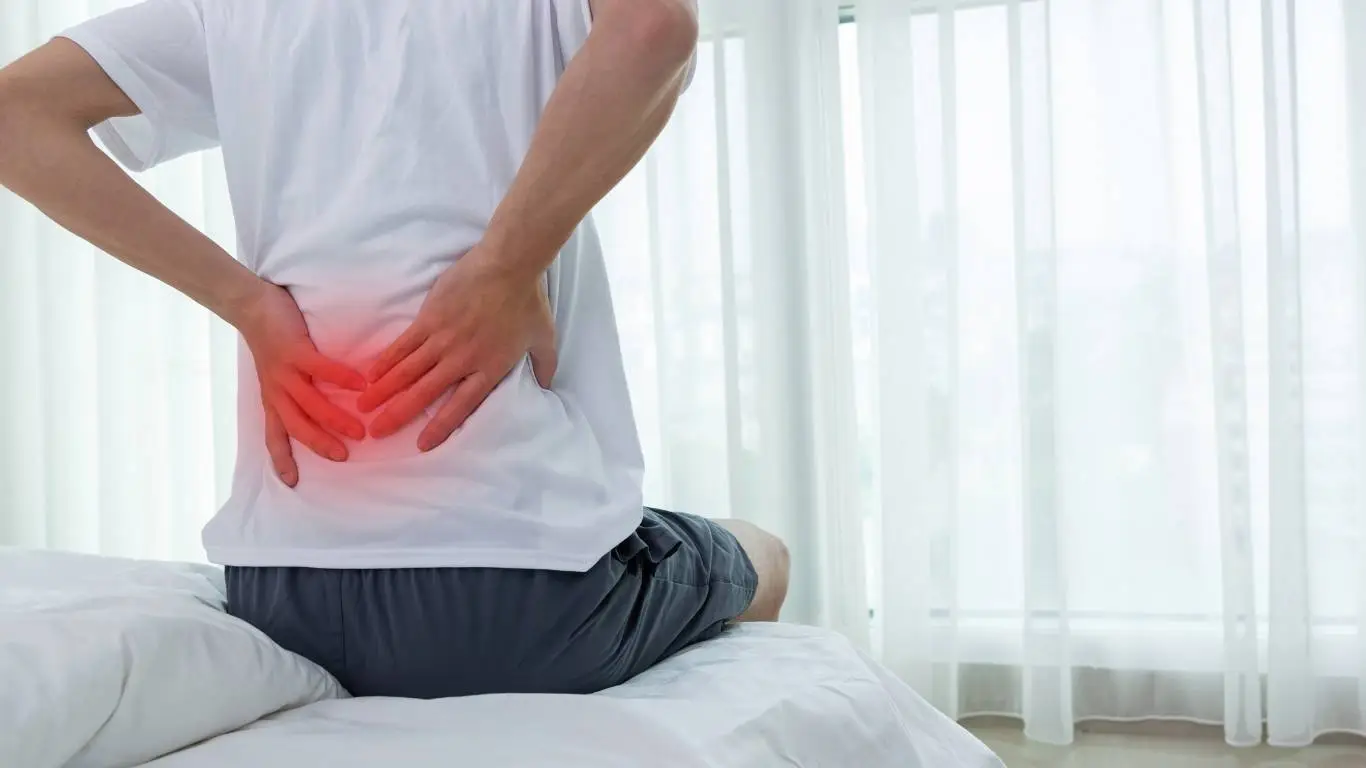
One of my biggest surprises? It wasn’t workouts that kept my calves tight — it was my daily life. Sitting too long, wearing high-drop running shoes, and even driving with poor foot position all contributed. I had to completely rethink how I moved through my day.
Here’s what made a difference:
- Shoe swaps: I moved to flatter shoes with better ankle freedom.
- Mid-day standing breaks: I started setting a timer to get up every 30-45 minutes.
- Driving position checks: I adjusted my car seat to avoid toe-pointing tension.
Also, poor sitting habits wreck your spine. Here’s how sitting really does a number on your back — especially when calf tightness is in the mix.
How to Bulletproof Your Posture Going Forward

After a few months of consistency, my lower back didn’t just stop hurting — it felt stable, strong, and supported. I wasn’t worried about tweaks after standing too long or walking uphill. Calves were the missing puzzle piece, but the real win came from making small, consistent changes in how I treated my whole kinetic chain.
My go-to weekly checklist looks like this:
- 3x/week calf and ankle mobility sessions
- Daily hip and glute activation (5-10 min)
- Standing breaks every 45 min (even while working from home)
- Weekly review of yoga poses for back support
- Wearing supportive, minimal footwear — no compromise
I even use a chair with proper lumbar support and place a slant board under my desk for passive calf stretching during Zoom calls. Sounds intense, but honestly, it just became part of the routine. And the payoff has been massive — I’m back to hiking, biking, and sleeping without waking up in pain.
When Tight Calves Are a Sign of Something Deeper

Here’s something most people don’t consider: persistent calf tightness might be more than just a mobility issue. Sometimes, it’s a red flag. Nerve tension, circulation issues, or even spinal problems can masquerade as muscular tightness. That’s why chronic lower back pain linked with tight calves should be evaluated holistically.
If your symptoms feel more neurological — numbness, tingling, or muscle weakness — it’s worth exploring whether there’s an underlying spinal root issue. You can dig deeper into these signs via lumbar radiculopathy explanations or learn why chronic vs. acute back pain distinctions matter for treatment.
Know When to Ask for Help

If I had just “toughed it out” instead of looking at the full picture, I’d still be in pain today. Seeing a physical therapist was eye-opening. They confirmed what I suspected — my lumbar discomfort had less to do with my back, and everything to do with the way my lower limbs moved (or didn’t).
So don’t wait. If your back feels off and your calves are constantly tight, talk to someone who knows movement. The sooner you catch the issue, the faster you’ll get back to doing what you love without constantly watching your back.
For more on evidence-based recovery methods, explore our detailed guide on conservative back pain treatments. Or get the bigger picture from our main overview at Back Pain Resource Hub.

Camellia Wulansari is a dedicated Medical Assistant at a local clinic and a passionate health writer at Healthusias.com. With years of hands-on experience in patient care and a deep interest in preventive medicine, she bridges the gap between clinical knowledge and accessible health information. Camellia specializes in writing about digestive health, chronic conditions like GERD and hypertension, respiratory issues, and autoimmune diseases, aiming to empower readers with practical, easy-to-understand insights. When she’s not assisting patients or writing, you’ll find her enjoying quiet mornings with coffee and a medical journal in hand—or jamming to her favorite metal band, Lamb of God.