How to Finally Relieve Back Pain from Endometriosis
If you’ve ever dealt with both back pain and endometriosis, you know how real the struggle is. I remember sitting at my desk one afternoon, thinking the pain in my lower back was just from bad posture. But it wasn’t. That deep, achy sensation had nothing to do with how I was sitting. It was endometriosis — sneaky, frustrating, and radiating pain that made everyday tasks feel like a marathon. If you’ve ever been there, you’re not alone. Let’s talk about why this connection matters, what to watch for, and how to get a handle on it without the fluff or guesswork.
Understanding the Link Between Endometriosis and Back Pain
It surprises many people that back pain can be one of the more prominent symptoms of endometriosis. When endometrial tissue grows outside the uterus — especially near the lower spine, pelvic nerves, or sacrum — it can trigger intense inflammation and irritation. That’s where the back pain creeps in. It’s not the dull kind you get from sitting too long — it’s more of a deep, radiating kind of pain that can travel from your pelvis to your lower back and even down your legs.
What Makes This Pain Different?
- Location: Often felt in the lower back, near the sacrum or tailbone.
- Timing: It tends to get worse before or during menstruation.
- Sensation: Can feel like nerve pain, sharp stabs, or a dull, dragging ache.
Sometimes, it feels like your back is giving out, even though nothing’s wrong with your spine. I’ve had mornings where I couldn’t stand up straight — I’d hunch over the kitchen counter, hoping the pain would pass. Spoiler: it didn’t until I addressed the root cause.
Why Traditional Back Pain Treatments Often Fail Here
The problem with treating back pain from endometriosis is that it doesn’t behave like muscular or postural back pain. So, popping ibuprofen or going for a chiropractic adjustment may offer only fleeting relief — if any. I learned that the hard way after wasting weeks on a physical therapy program meant for general lower back strain. No dice.
Common Missteps
- Assuming it’s sciatica or lumbar strain.
- Ignoring cyclical pain patterns (the pain often flares monthly).
- Using only mechanical or orthopedic approaches.
That’s why women with endometriosis-related back pain often go undiagnosed or misdiagnosed. The overlap in symptoms throws off even well-meaning professionals. One trusted medical source estimates that it takes around 7–10 years to get an accurate endometriosis diagnosis — that delay means many endure chronic back pain without answers.
How Endometriosis Triggers Back Pain Mechanically

When endometrial tissue implants on the uterosacral ligaments or near the lower spine, it can irritate surrounding nerves — especially the sciatic nerve or pelvic floor nerves. That’s when back pain goes from annoying to downright disruptive. The inflammation can cause your pelvic muscles to spasm, tightening everything from your lower abdomen to your spine.
Nerve Involvement
This isn’t just inflammation — we’re talking about direct nerve involvement. The sciatic nerve, which runs from your pelvis down your legs, can be affected, leading to symptoms like:
- Shooting pain down one or both legs
- Numbness or tingling sensations in the buttocks
- Weakness during walking or standing
Personally, I used to think I had a slipped disc. It was that intense. But the MRI came back clean. Eventually, a gynecologist found lesions near my sacral nerves. That discovery changed everything.
Diagnostic Clues: When to Suspect Endometriosis Is the Culprit

There are some key indicators that your back pain might be related to endometriosis, not just a stiff mattress or bad shoes:
Red Flags to Watch For
- Back pain that worsens around menstruation
- History of painful periods, even as a teen
- Digestive or bladder issues that cycle with your period
- Infertility or previous ovarian cysts
Many of these signs are overlooked in a typical orthopedic exam. If you’re dealing with cyclical back pain and have any of these symptoms, it’s time to look deeper. And no — this doesn’t mean you’re being “dramatic.” It means your body is waving a red flag. Recognizing the signs of chronic pain and diagnosing it correctly is essential for relief.
What Has Helped Me: Holistic and Medical Approaches That Actually Work
I’ll be honest — managing this kind of pain took a combo approach. For me, it wasn’t just one thing that worked, but layering several strategies. Surgery wasn’t off the table, but I wanted to explore all options first. Here’s what made a real difference:
Things That Actually Helped
- Pelvic floor physical therapy: It targets the exact muscles inflamed by endo.
- Heat therapy: Old-school heating pads still work wonders during flare-ups.
- Anti-inflammatory diet: Cutting out sugar and processed foods helped reduce flare severity.
- Expert guidance: I found relief after seeing a specialist who understood the unique pain patterns of endometriosis — not just a general gynecologist.
If you’re struggling, you’re not alone. Resources like non-surgical back pain management and overall back pain education can be game changers when used in tandem with endometriosis care. Also, the Cleveland Clinic has excellent insights on managing chronic pelvic pain with interdisciplinary support.
Medical Treatments: When You Need More Than Lifestyle Fixes

Let’s be real — no amount of yoga or herbal tea is going to eliminate endometrial lesions pinching your pelvic nerves. While natural remedies have their place, sometimes you’ve got to bring in the big guns. For me, after months of trying everything from turmeric shots to acupuncture, I finally scheduled a laparoscopy. That was a turning point.
Laparoscopy: The Gold Standard
This minimally invasive surgery allows doctors to actually see (and often remove) endometrial tissue. It’s not as scary as it sounds. I was home the same day and felt a level of relief I hadn’t experienced in years. Especially in my lower back. When the lesions were gone, the nerve irritation calmed — and for the first time in a long time, I could sit, sleep, and even walk without that constant tug of pain.
- Pros: Precise, targeted removal of problem tissue
- Cons: Recovery time, possible recurrence, cost
It’s not a cure, but if your pain is impacting your ability to work or care for yourself, it’s worth discussing with a specialist. The Mayo Clinic provides excellent information about surgical options and risks.
Hormonal Therapy: Balancing Relief and Side Effects
Hormones are a huge part of the endometriosis story. Since endometrial tissue responds to hormonal changes, suppressing estrogen can slow the growth of those rogue tissues. That’s where hormonal treatments come in.
Popular Hormonal Options
- Birth control pills
- Progestin-only therapies
- Gonadotropin-releasing hormone (GnRH) agonists
I tried a few different ones, and I’ll be honest — the side effects weren’t fun. Mood swings, hot flashes, weight gain. But the back pain subsided significantly during that time. It’s about weighing what you can live with and talking it out with a doctor who actually listens. Some hormonal therapies may be used in conjunction with surgical or less invasive treatment plans for a more comprehensive result.
Targeted Exercises for Endometriosis-Related Back Pain

Once you’ve ruled out acute surgical needs, movement becomes your best friend. But not just any workout. Certain stretches and strength training can ease tension on the pelvic floor and spine. I avoided traditional core workouts (planks, sit-ups) because they aggravated my symptoms. Instead, I focused on pelvic tilts, hip openers, and light resistance band work.
My Go-To Moves
- Child’s pose: Gentle spine decompression
- Supine twist: Releases low back tightness
- Bridge pose: Strengthens glutes without stressing the pelvis
And no, you don’t need to commit to a full gym routine. Ten to fifteen minutes a day can make a major difference. I found that consistency — even when I didn’t feel like it — gave me more control over my flare-ups. If you’re looking for an exercise framework, this rehab and movement guide for back pain sufferers is incredibly practical and grounded in real results.
Other Everyday Tools That Help Me Stay Ahead of Flare-Ups

Managing endometriosis back pain doesn’t stop with medications and surgery. It’s an all-day, every-day process. But it doesn’t have to be overwhelming. I’ve created a sort of “flare-up toolkit” that keeps me prepared. When the pain starts creeping in, I don’t panic anymore — I reach for the tools I’ve learned to trust.
My Daily Essentials
- Foam roller: For gentle back and glute tension release
- Heat pack: Immediate relief during cramping or nerve pain
- Magnesium supplements: Helps with muscle relaxation
- Anti-inflammatory meals: Lots of leafy greens, turmeric, berries, and hydration
I’ve also learned to pay attention to how my body responds to certain foods and stress. Tracking my symptoms — especially in relation to my cycle — gave me insight I never had before. There are periods where I know to avoid long drives, tight jeans, or certain chair setups.
The Emotional Side: Why This Pain Hits Deeper Than Just Physically
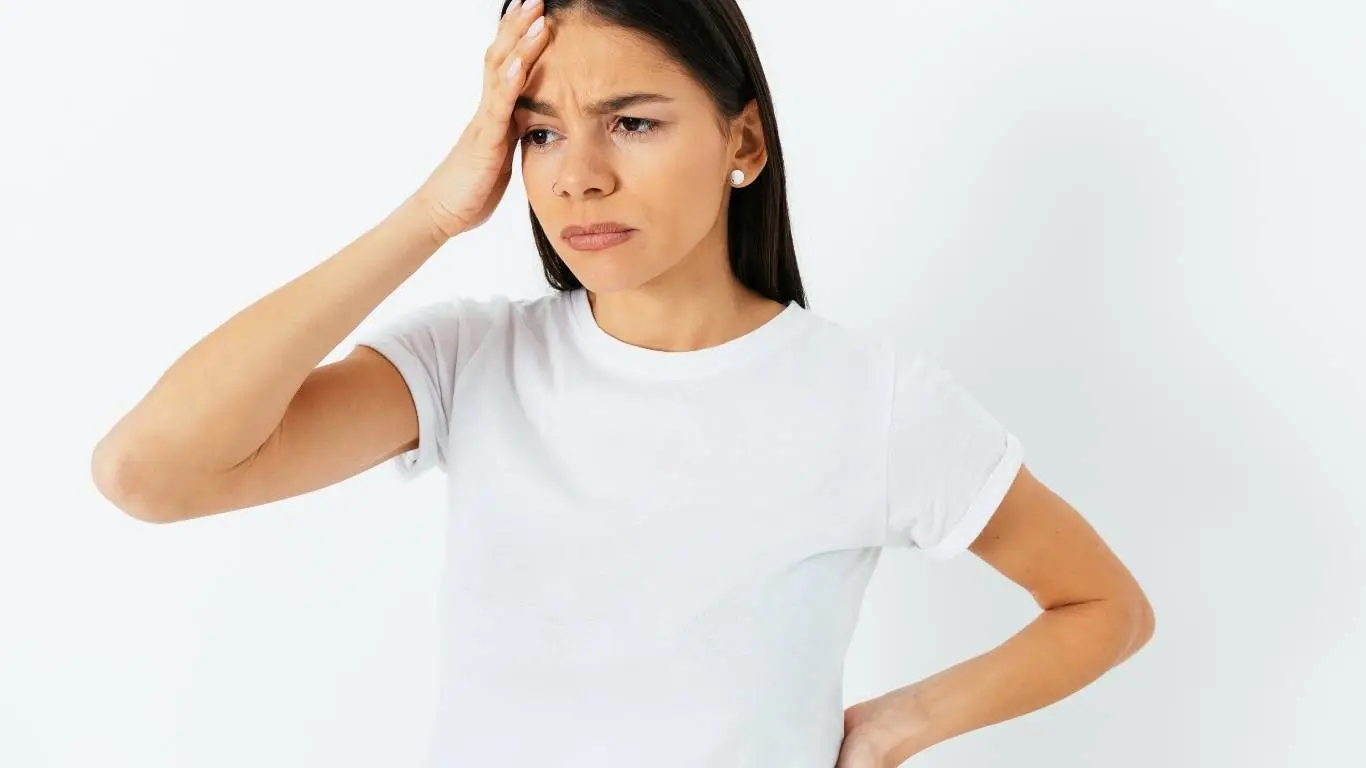
People often underestimate how much chronic pain wears you down mentally. I didn’t just hurt physically — I felt misunderstood, exhausted, even ashamed for not being able to “push through” like others. Back pain from endometriosis doesn’t just interrupt your day — it changes your entire pace of life.
Things That Helped My Mental Health
- Seeing a therapist who specializes in chronic illness
- Connecting with endo support groups online
- Giving myself permission to rest — guilt-free
There’s something powerful about naming your pain and being heard. I found that once I acknowledged how real the struggle was — instead of minimizing it — I could advocate for myself better. I started getting the care I needed. If this sounds like you, know that there are emotional tools and support available to help navigate this complex journey.
Where to Start If You’re Still Searching for Relief

If you’re still stuck in the cycle of monthly flare-ups, misdiagnoses, and ineffective treatment plans, start by tracking your symptoms. Bring that data to a provider who takes endometriosis seriously — ideally someone with pelvic pain expertise. And educate yourself. You’ll be amazed how much clarity comes when you can finally put the puzzle pieces together.
Explore this deeper guide on understanding the types and anatomy of back pain and how they might relate to endometriosis. Also, don’t skip over the comprehensive resource on the root causes and complete approach to back pain at Healthusias. You deserve answers — and real solutions — not just sympathy and painkillers.

Camellia Wulansari is a dedicated Medical Assistant at a local clinic and a passionate health writer at Healthusias.com. With years of hands-on experience in patient care and a deep interest in preventive medicine, she bridges the gap between clinical knowledge and accessible health information. Camellia specializes in writing about digestive health, chronic conditions like GERD and hypertension, respiratory issues, and autoimmune diseases, aiming to empower readers with practical, easy-to-understand insights. When she’s not assisting patients or writing, you’ll find her enjoying quiet mornings with coffee and a medical journal in hand—or jamming to her favorite metal band, Lamb of God.