How To Manage Anxiety About Getting Older Without Feeling Lost
Getting older used to feel like a distant worry—something for “later.” But lately, I’ve noticed it creeping into my mind more often than I’d like to admit. The fine lines on my face, the nagging thought about whether I’m where I’m “supposed” to be in life, and yeah… the occasional existential spiral at 3 AM. If you’re anything like me, you’re probably wondering how to manage anxiety about getting older without losing your mind. Let’s talk about it—no sugarcoating, no clichés, just what actually helps.
Understanding Where This Anxiety Really Comes From
Not Just a Midlife Thing
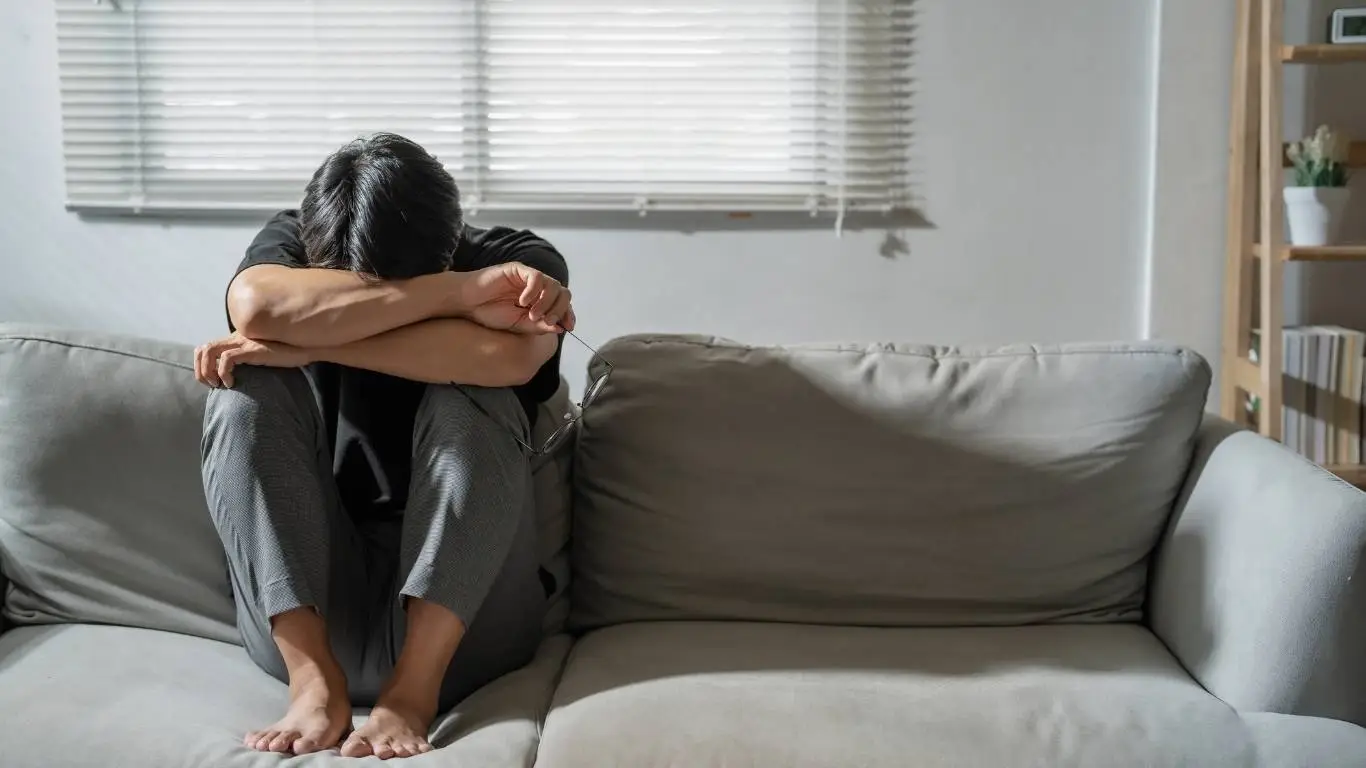
This type of anxiety isn’t reserved for midlife. I started feeling it in my late 20s. It often begins when milestones—career, relationships, health—don’t align with what society told us to expect. That quiet internal voice starts shouting: “Is it too late to start over?” or “Am I falling behind?” And let’s not forget the real fear of health decline or losing independence.
Biological & Social Triggers
Our brains are wired to perceive aging as a threat. It’s not just vanity—there’s neuroscience behind this. As ncbi.nlm.nih.gov and psychologytoday.com outline, changes in hormones, sleep cycles, and neuroplasticity contribute to a shift in how we handle stress as we age. Add social pressure to “look young,” and it’s no wonder our nervous system goes haywire.
How I Learned to Reframe the Fear of Aging

1. Stop Fighting the Clock
This one hit me hard. I was obsessed with anti-aging routines—serums, diets, supplements. Not because I wanted to be healthy, but because I was afraid of looking old. What helped? Acceptance. When I started looking at aging as a privilege (some people don’t get to grow old), my anxiety softened.
2. Rewrite the Narrative
We associate youth with potential and age with limitation. That’s a trap. The truth is, many people find their purpose later in life. I read an eye-opening piece on how trauma impacts adult anxiety—and realized that my younger self never had the emotional tools I have now. Aging gave me that.
3. Learn to Let Go (Literally)
I decluttered my home and noticed it decluttered my mind. Turns out, aging anxiety isn’t just mental—it’s physical. We attach meaning to things: photos, clothes, old journals. But sometimes, letting go of “stuff” creates space for peace. Marie Kondo might be onto something.
Smart, Practical Steps That Actually Help

Prioritize Mental Fitness
- Use cognitive tools like the GAD-7 questionnaire regularly.
- Practice guided breathing or try progressive muscle relaxation.
- Consider therapy modalities like EMDR or psychodynamic therapy that deal with deep-rooted fear.
Reclaim Health at Every Age
Your body doesn’t have to be perfect to be capable. I stopped focusing on weight and started focusing on stamina. Gentle yoga, walking after meals, adding omega-3s—these little changes made a big impact. According to mayoclinic.org, lifestyle tweaks can lower cortisol and reduce generalized anxiety symptoms in older adults.
Make Social Connections Non-Negotiable
Aging can isolate us. But did you know that loneliness is considered more dangerous than obesity in terms of long-term health risk? I found that joining a local creative group did wonders. It’s also why I recommend support spaces like anxiety support groups—you’ll quickly learn you’re not alone in this fear.
The Role of Self-Education and Personalized Strategies

1. Know What’s Normal
Understanding the difference between typical worry and something clinical is essential. Not every concern about aging means you have an anxiety disorder. But if those thoughts are persistent, disruptive, or affect your daily functioning—it’s time to explore options. This breakdown of anxiety diagnosis and assessment tools is a great place to begin.
2. Don’t Dismiss Alternative Tools
I used to think breathing exercises were a waste of time—until one literally stopped a spiral in its tracks. Now I keep a journal with writing prompts for anxiety by my nightstand. Magnesium-rich foods? Helped me sleep better. Even tried aromatherapy and was shocked it worked.
3. Stay Informed Without Overloading
One of the most empowering things I did was read this deep dive on hidden causes of anxiety. It gave me language for what I was feeling—and made the path forward clearer. For a broader look at how anxiety secretly affects daily routines, this main guide on anxiety breaks it down in a way that feels seen and human.
Making Peace with Time (Instead of Fighting It)
Getting Comfortable with Uncertainty
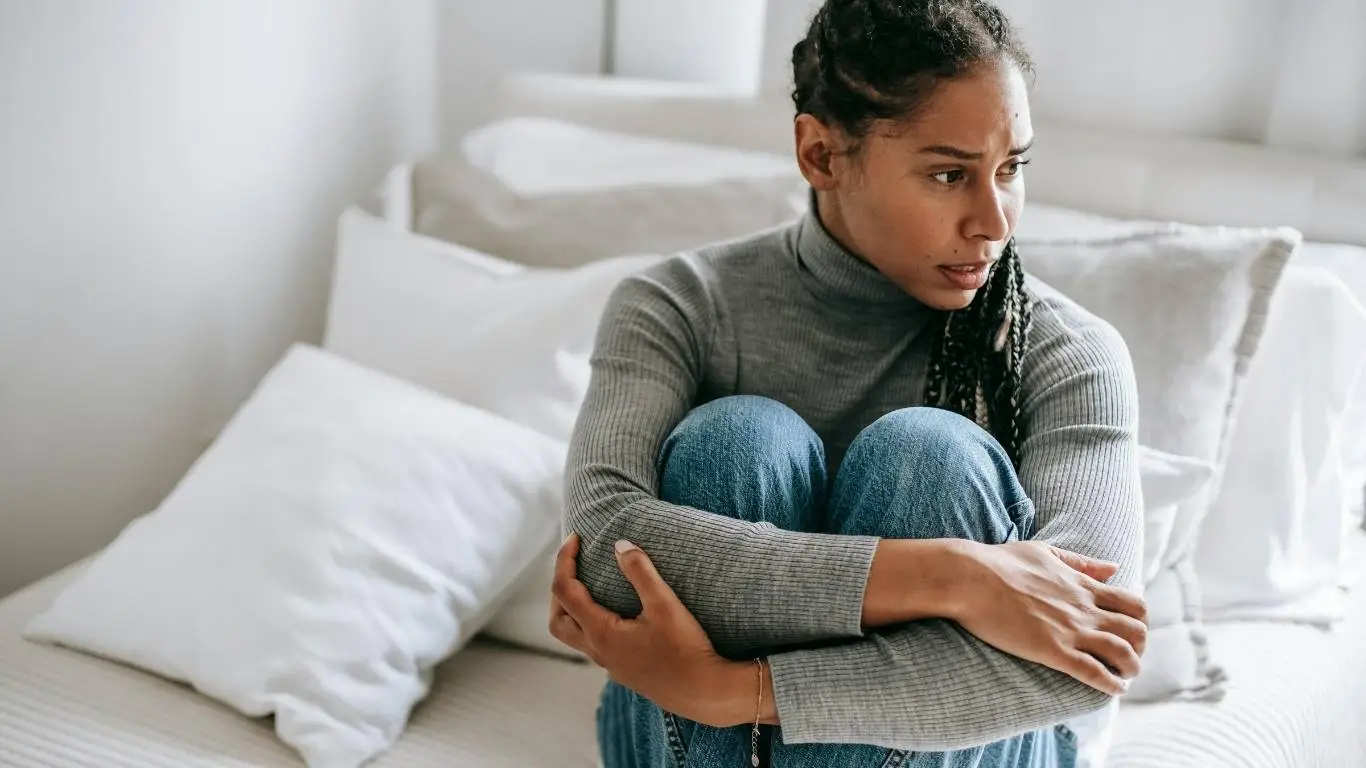
One of the hardest lessons I’ve had to learn is this: it’s okay not to have everything figured out. We spend so much energy trying to control outcomes—career, health, relationships—as if that’ll guarantee peace. But life’s never been about certainty. The moment I embraced the unknown, I stopped seeing aging as a countdown and started seeing it as a continuum.
Build Meaning, Not Just Milestones
I used to equate progress with big wins: promotions, moving to a new city, ticking off bucket list items. But aging has taught me that meaning lives in the quiet moments. It’s the Sunday morning coffee, the deep conversations with friends you’ve known for decades, or learning a new hobby not because it’s productive—but just because it’s fun. This shift in mindset helped me let go of constant pressure and focus on what genuinely brings joy.
Resilience Isn’t a Trait—It’s a Practice

Stacking Small Wins Daily
People often think you need a grand gesture to combat anxiety about aging. But honestly? It’s about stacking small wins. A 20-minute walk. Choosing water over soda. Turning your phone off an hour before bed. These don’t feel like much in the moment, but they build a kind of emotional armor over time. If you’re not sure where to begin, try the strategies from this helpful breakdown of how resilience reduces anxiety.
The Habit Loop That Calms Anxiety
My therapist once said: “Your brain is always trying to help you—even if it doesn’t feel like it.” Anxiety is often your brain misfiring a threat response. What changed the game for me was building a calming ritual. Here’s what mine looks like:
- Journaling for 10 minutes (often using these prompts)
- Light yoga or stretching
- Magnesium-rich herbal tea
- Putting on calming music—yes, the kind you hear in spas
This loop sends a signal to my nervous system that “we’re safe now.”
It’s Okay to Ask for Support

Professional Help Is Strength, Not Weakness
For the longest time, I told myself I didn’t “need” therapy. But here’s the truth: you don’t have to wait until you’re drowning to ask for a life jacket. Working with a professional gave me the tools I didn’t even know I lacked. I found CBT (Cognitive Behavioral Therapy) particularly effective—if you’re curious, this step-by-step guide to CBT for anxiety is gold.
Try Integrative Approaches Too
If traditional therapy feels intimidating or not quite right, that’s okay. Anxiety relief isn’t one-size-fits-all. Some people find EMDR transformative, others lean into daily yoga, or even mindfulness-based therapy. I even tried reiki once—wasn’t my thing, but hey, trying itself felt empowering.
The Role of Lifestyle and Nutrition
Yes, Food Impacts Mood
I underestimated the gut-brain connection for years. Once I started paying attention, I realized certain foods made me feel noticeably more anxious. Now I prioritize magnesium, omega-3s, and fermented foods. This isn’t just a wellness trend—there’s legit research behind it at healthline.com and nih.gov.
Be Mindful About What You Consume—Digitally Too
Sometimes I feel more anxious after scrolling social media for 15 minutes than I do during an actual workday. That comparison trap is real. If you haven’t read it yet, this breakdown on social media and anxiety is a must. Set boundaries. Curate what you consume—your mental diet matters just as much as your physical one.
Why This Journey Deserves Patience

You’re Not Broken—You’re Evolving
Managing anxiety about getting older isn’t about eliminating the fear entirely. It’s about reshaping your relationship with it. Some days I still feel that familiar ache of uncertainty. But now, I don’t spiral. I have a toolkit, I have perspective, and I have grace for myself. That’s not weakness. That’s growth.
Recommended Next Steps
- Explore how daily life habits influence anxiety here
- Dig into how aging anxiety disrupts routines more than we notice in this pillar guide
- Don’t skip the broader picture: why anxiety often hides in plain sight

Camellia Wulansari is a dedicated Medical Assistant at a local clinic and a passionate health writer at Healthusias.com. With years of hands-on experience in patient care and a deep interest in preventive medicine, she bridges the gap between clinical knowledge and accessible health information. Camellia specializes in writing about digestive health, chronic conditions like GERD and hypertension, respiratory issues, and autoimmune diseases, aiming to empower readers with practical, easy-to-understand insights. When she’s not assisting patients or writing, you’ll find her enjoying quiet mornings with coffee and a medical journal in hand—or jamming to her favorite metal band, Lamb of God.