How to Manage Anxiety Before a Job Interview Without Losing Confidence
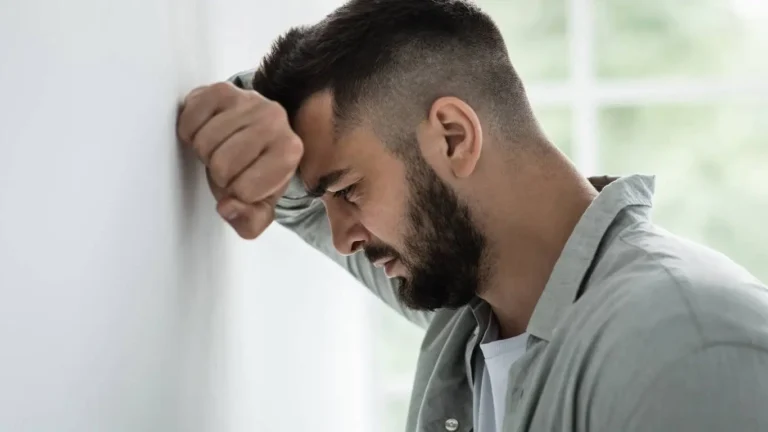
If there’s one thing that can make even the most confident person feel like their brain just forgot how words work, it’s a job interview. Trust me, I’ve been there—sitting in the waiting room with sweaty palms, mentally rehearsing my answers for the fiftieth time, wondering if they can hear my heart pounding from across the hall. Interview anxiety is real, but the good news? It’s absolutely manageable.
Understanding Why Job Interview Anxiety Hits So Hard

Anxiety before a job interview isn’t just nerves—it can feel like a full-blown internal meltdown. Your body responds as if you’re facing danger, not a recruiter in a conference room. Why? Because it’s not just about the job. It’s about self-worth, financial stability, and often, our sense of identity.
The Biology Behind the Stress
When you’re anxious, your brain triggers the fight-or-flight response, releasing cortisol and adrenaline. This ramps up your heart rate, tightens muscles, and clouds your thoughts—right when you need to think clearly.
- Heart pounding – Classic sign your body’s preparing for danger.
- Sweaty hands – Your body cooling itself down for a “fight.”
- Racing thoughts – Your brain trying to predict every possible outcome (and usually the worst).
Real-World Techniques That Helped Me Calm Down Before Interviews

Over the years, I’ve found a few go-to strategies that genuinely make a difference—not just fluff advice, but real stuff that helps when your mind starts to spiral.
1. Practice… But Don’t Rehearse Like a Robot
Yes, preparation matters. But over-rehearsing can backfire. I used to memorize my answers word-for-word, then panic if I forgot a single line. Now? I just bullet point key ideas. It keeps things natural and adaptable—way less pressure.
Consider using journaling to prep thoughts ahead of time—getting them out of your head and onto paper helps more than you’d think.
2. Controlled Breathing is a Game Changer
This one sounds simple, but it’s powerful. I do box breathing—inhale for 4, hold for 4, exhale for 4, hold for 4. I once did it in a parking lot before a big interview, and I swear my brain rebooted.
It’s similar to what’s recommended in this guide on breathwork. Grounding your body can anchor your mind.
3. Dress to Feel Good, Not Just to Impress
Sounds superficial? Maybe. But when I feel confident in what I’m wearing, I don’t second-guess myself as much. Comfort is underrated. Skip the itchy suit. Go with something sharp that doesn’t distract you.
What to Do an Hour Before the Interview

1. Avoid the Rabbit Hole of Overthinking
I used to Google “worst job interview answers” for hours. Bad idea. Instead, I take 15 minutes to review my notes, then stop. If I’ve prepped enough, I trust that I’ll be fine. Overthinking is just your brain trying to feel in control—don’t fall for it.
2. Skip the Double Espresso
I learned this one the hard way. Caffeine + anxiety = chaos. Opt for herbal tea or water. Caffeine’s link to anxiety is real, and it’s not worth risking a shaky voice or heart palpitations.
3. Do a Mock Interview With Someone Who Won’t Sugarcoat
Friends are great, but ask the honest one to help. Or even better, your brutally honest cousin. Feedback stings less before the actual interview. I once asked a friend who worked in HR to do a mock run with me—eye-opener!
The Night Before: Set Yourself Up for Calm, Not Chaos

1. Create a Buffer Zone Before Bed
Stop interview prep at least two hours before bedtime. I used to prep until midnight and wonder why I couldn’t sleep. Now, I watch something light, do a brain dump in a journal, and keep tech off. Huge difference.
2. Use a Mental Cue: “I’m Prepared Enough”
Repeating that phrase has helped me more than affirmations. Because it’s not blind positivity—it’s a reminder that I’ve done the work. This tip ties well with what’s discussed in this piece on therapy anxiety.
Why Managing Interview Anxiety Is More Than Just Getting the Job

Conquering interview anxiety isn’t just about impressing a hiring manager. It’s about proving to yourself that you can face discomfort, take a breath, and show up anyway. That kind of confidence sticks with you beyond the interview room.
If this resonates, you’ll want to explore the lifestyle self-help approaches that address anxiety from all angles—routine, diet, and habits.
And don’t miss this main article on how anxiety can quietly control your day-to-day. It’s eye-opening and helps reframe the issue from something random to something very manageable with the right tools.
What to Say to Yourself Right Before the Interview Starts
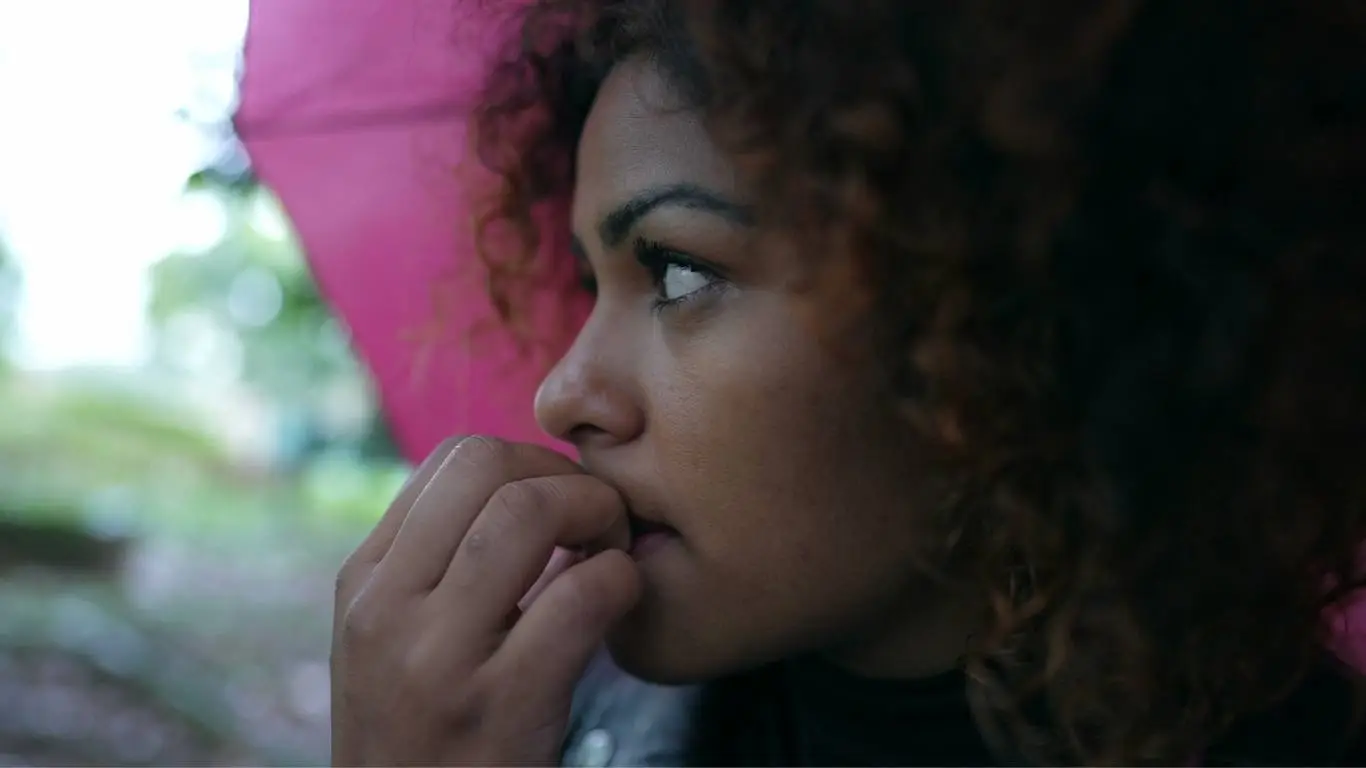
Here’s something I wish someone told me years ago: what you whisper to yourself before the interview matters. I used to tell myself, “Don’t mess up.”—which, of course, backfired. Now, I say things like:
- “I’m not here to be perfect. I’m here to be real.”
- “They already like me. That’s why I’m in the room.”
- “I don’t need all the answers. Just presence and honesty.”
It’s amazing how powerful a small mindset shift can be. You start walking into that room as a person, not a performance.
Don’t Fight the Nerves—Work With Them
Trying to “calm down” sometimes made me even more anxious. What works better? Accepting the nerves as excitement. That subtle shift helps your brain interpret the same physical signals differently.
This trick helped me big time during a panel interview I was terrified of. I leaned into the butterflies instead of battling them—and I actually cracked a natural smile during the opening question. Huge win.
Post-Interview Anxiety: When the Spiral Tries to Pull You Back

Ah yes, the mental replay. I used to analyze every sentence I said, wondering if I ruined my chances with one weird phrasing. That post-interview overthinking is sneaky—but you don’t have to let it take over.
1. Have a Post-Interview Routine
Now I plan something right after every interview—whether it’s grabbing lunch at my favorite place, taking a walk, or texting a friend about something non-work related. It helps my brain shift gears.
This tactic pairs well with techniques from managing wait-related anxiety, because both situations deal with uncertainty and overthinking.
2. Write Down What Went Well
Even if it felt awful, I force myself to write three things I did right. Did I smile? Maintain eye contact? Handle a tricky question with honesty? That list reminds me it’s never as bad as it felt in the moment.
3. Give It a Cutoff Time
This one’s big. I allow myself 15–20 minutes to process. After that, I shift. I might even revisit this guide on physical anxiety symptoms if I start feeling off—sometimes my body reminds me before my brain catches on.
When the Interview Is Virtual—Same Anxiety, New Triggers
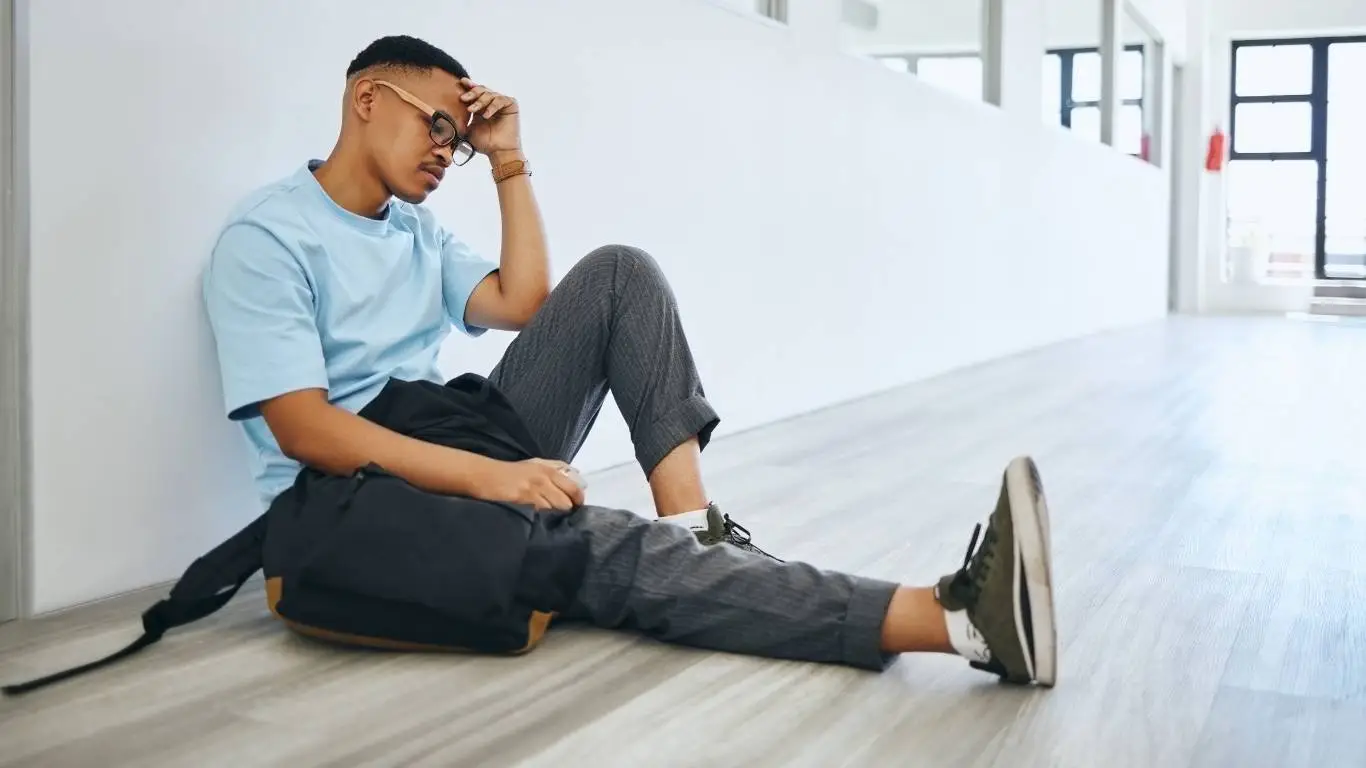
Virtual interviews are more common now, but they bring their own flavor of stress. From tech hiccups to staring at your own face on-screen, it’s a new type of mental game.
1. Double-Check the Tech… But Stop After One Final Check
I used to triple-check my mic, lighting, background—and still panic about a Zoom crash. Now, I test everything once the day before, again 30 minutes before, and then I leave it. No more obsessive checking. If something breaks, it’s not your fault.
2. Keep a Notepad Nearby
During virtual interviews, I keep a small note with bullet points in view—no full scripts, just reminders. One time I blanked on a project detail, glanced down, and saved myself with a quick recovery.
For more on how performance anxiety creeps into online situations, this article explains it perfectly.
3. Posture Matters More Than You Think
Even if they can’t see your whole body, sitting up straight affects your energy and tone. I tested this in mock interviews and noticed a difference in how clear and confident I sounded.
Preventing Future Anxiety With a Better Pre-Interview Routine

Over time, I’ve built a go-to interview day routine that helps take the edge off. It’s not about “hacking” anxiety—it’s about caring for myself in a way that leaves less room for panic.
- Wake up at least 2 hours early – Rushing makes my nerves 10x worse.
- Eat a slow, protein-heavy breakfast – Keeps me from crashing mid-interview.
- Move my body – Light stretching or walking grounds me fast.
- Prep questions for them – It shifts my mindset to “I’m interviewing them too.”
This ties well with strategies from our article on how nutrition affects anxiety—because let’s be real, the wrong breakfast has ruined more interviews than we care to admit.
Interview Anxiety Isn’t a Weakness—It’s a Window

Look, if you’re someone who gets anxious before interviews, you’re not broken. You’re human. And more importantly—you’re aware. That self-awareness gives you an edge most people overlook.
Instead of trying to shut the anxiety down, I’ve started listening to it. Not all of it’s useful, but some of it is. It’s pushed me to prep better, learn my triggers, and even understand how I want to be treated in a workplace.
For a broader approach to understanding anxiety’s deeper impact, I’d strongly recommend this in-depth look at the root causes of anxiety—it’s one of those articles that really reframes things.
And if this whole experience of pre-interview anxiety feels like it’s bleeding into your everyday life, you might also benefit from this core guide on how anxiety quietly disrupts your routine. It helps normalize what you’re feeling—and shows how to reclaim your calm, one situation at a time.

Camellia Wulansari is a dedicated Medical Assistant at a local clinic and a passionate health writer at Healthusias.com. With years of hands-on experience in patient care and a deep interest in preventive medicine, she bridges the gap between clinical knowledge and accessible health information. Camellia specializes in writing about digestive health, chronic conditions like GERD and hypertension, respiratory issues, and autoimmune diseases, aiming to empower readers with practical, easy-to-understand insights. When she’s not assisting patients or writing, you’ll find her enjoying quiet mornings with coffee and a medical journal in hand—or jamming to her favorite metal band, Lamb of God.