Why Insomnia Linked To Chronic Anxiety Feels So Draining
For the longest time, I thought my sleepless nights were just about bad habits—too much coffee, a mind that wouldn’t shut up, or maybe just stress from work. But I didn’t realize how deeply insomnia is linked to chronic anxiety. It wasn’t until a therapist casually asked about my sleep that I started connecting the dots. Turns out, my struggle to fall and stay asleep wasn’t just about restlessness—it was anxiety doing a number on my nervous system, night after night.
How Anxiety Silently Disrupts Sleep Patterns

Anxiety doesn’t come knocking loudly. It creeps in with small things—racing thoughts, muscle tension, heart palpitations just as you’re drifting off. Over time, this nervous energy rewires your sleep architecture. You might not even realize it’s anxiety keeping you up, especially if you’ve normalized your restlessness.
Physiological Triggers That Prevent Sleep
When you’re anxious, your body activates the sympathetic nervous system, the same system that kicks in during emergencies. That fight-or-flight mode is incompatible with deep rest. Cortisol spikes, adrenaline flows, and your body stays alert. Trying to sleep in this state is like asking your brain to take a nap during a fire drill.
- Racing heart rate
- Tight chest or shallow breathing
- Digestive discomfort or nausea
- Overthinking or fear of “what if” scenarios
One night, I remember staring at the ceiling with my heart pounding for no good reason. That was when I learned about why chest pain from anxiety feels so real. The body believes there’s danger even when you’re safe in bed.
The Vicious Cycle: Anxiety ➝ Insomnia ➝ More Anxiety
Missing a night of sleep isn’t just exhausting—it’s also emotionally destabilizing. The next day, you’re more reactive, foggy, and less capable of managing stress. This heightened reactivity increases your baseline anxiety, making it even harder to sleep the following night.
In my case, even a short nap became a battleground. I was afraid of the feelings that would come the moment I closed my eyes—like spiraling into a mental hole. According to Sleep Foundation, anxiety disorders are one of the top contributors to chronic insomnia. It’s not about poor sleep hygiene. It’s about untreated anxiety chipping away at your brain’s ability to rest.
Insomnia as a Red Flag for Generalized Anxiety Disorder (GAD)

One of the earliest symptoms of Generalized Anxiety Disorder (GAD) is persistent difficulty sleeping. People with GAD often lie in bed, mentally preparing for disasters that haven’t happened—and likely never will. That’s not overreacting; it’s a classic pattern in GAD.
Several studies from ncbi.nlm.nih.gov have shown that people with GAD have significant disruption in their REM cycles and lower overall sleep efficiency. Their brains don’t enter or stay in restorative sleep as easily as others.
If any of this resonates, you might want to look into how anxiety disorders are diagnosed. Self-assessment tools like the GAD-7 are a decent starting point, but a clinician can offer clarity that a quiz simply can’t.
Nighttime Anxiety Symptoms You Shouldn’t Ignore
- Feeling wired or jittery right before bedtime
- Grinding teeth or clenching jaw during sleep
- Waking up suddenly with dread or panic
- Recurring dreams with themes of helplessness or failure
There’s also the lesser-known phenomenon of sleep disturbances caused by anxiety that manifest subtly—like frequent bathroom trips, limb movements, or even sleep talking. It’s not always about nightmares or panic attacks.
Chronic Insomnia Worsens Emotional Resilience

I never realized how irritable and emotionally raw I had become until a friend pointed it out. Lack of sleep wasn’t just making me tired—it was making me a worse version of myself. Research shows that sleep deprivation makes it harder to regulate emotions, intensifying anxiety symptoms and lowering the threshold for stress.
The constant exhaustion was affecting my memory, focus, and even decision-making. It wasn’t just about needing coffee in the morning—it was my brain literally begging for rest. That’s when I found this post on how anxiety affects your daily routine. I felt like someone had written it just for me.
How Sleep Deprivation Fuels Anxiety Loops
Lack of sleep makes your prefrontal cortex—the brain’s reasoning center—less effective. That gives more power to your amygdala, the emotional alarm system. The result? Everything feels more urgent, scary, or out of control.
This is why many people experience racing hearts and panic attacks at night. It’s not random—it’s neurobiology misfiring because of exhaustion.
Practical Ways to Break the Anxiety-Insomnia Cycle

There’s no one-size-fits-all answer here, but I’ll share what helped me and what experts recommend. First, it’s crucial to stop trying to “fix” sleep directly. That’s the anxiety trap. The harder you try, the worse it gets. Instead, shift focus to calming the nervous system long before bedtime.
- Breathing exercises – Try box breathing or 4-7-8 methods before bed.
- Night journaling – Offload your thoughts instead of mentally juggling them.
- Gentle yoga – Slow, restorative poses help unwind tension in the body.
- Skip stimulants after 2 p.m. – That includes caffeine, nicotine, and even some pre-workout drinks.
I also started building a wind-down routine—not scrolling endlessly, but something intentional: dim lights, relaxing music, magnesium tea. It didn’t fix things overnight, but it signaled to my body that sleep was coming. It felt like taking back control, one night at a time.
For anyone going through this, I strongly recommend diving into this breakdown of anxiety symptoms—especially if you’re trying to understand what your body’s been trying to tell you at night.
Want a more comprehensive understanding of how anxiety disrupts your entire day-to-day life? Read the main pillar on hidden anxiety impacts to explore more. Or take a deeper look into the diagnostic process and what to expect.
When Insomnia Becomes a Chronic Mental Health Risk

For me, it wasn’t just about losing sleep anymore—it was about losing myself. After weeks of shallow rest, my anxiety symptoms began snowballing. I’d forget names, lose my train of thought mid-sentence, and worst of all, question my own judgment. That’s when I learned that chronic insomnia is a mental health condition on its own, not just a side effect of anxiety.
The emotional cost of never getting restorative sleep is heavy. It damages your ability to regulate thoughts and emotions, impairs cognitive functioning, and increases your risk for depression. According to psychiatry.org, untreated insomnia doubles the risk of developing an anxiety disorder, especially if you already have a genetic predisposition.
What Chronic Anxiety-Fueled Insomnia Looks Like
It’s not just a bad night here and there. It’s months of:
- Tossing and turning even when physically exhausted
- Feeling wired but tired—sleepy yet mentally overstimulated
- Frequent 3 a.m. wakeups with intrusive thoughts
- Fear of going to bed because of what might come
Those 3 a.m. awakenings became my new normal. I’d lie in the dark, hyper-analyzing things I had no control over. That’s also when I came across why racing thoughts at bedtime feel so overwhelming. It helped me realize I wasn’t alone—or broken.
The Role of Hyperarousal in Nighttime Anxiety
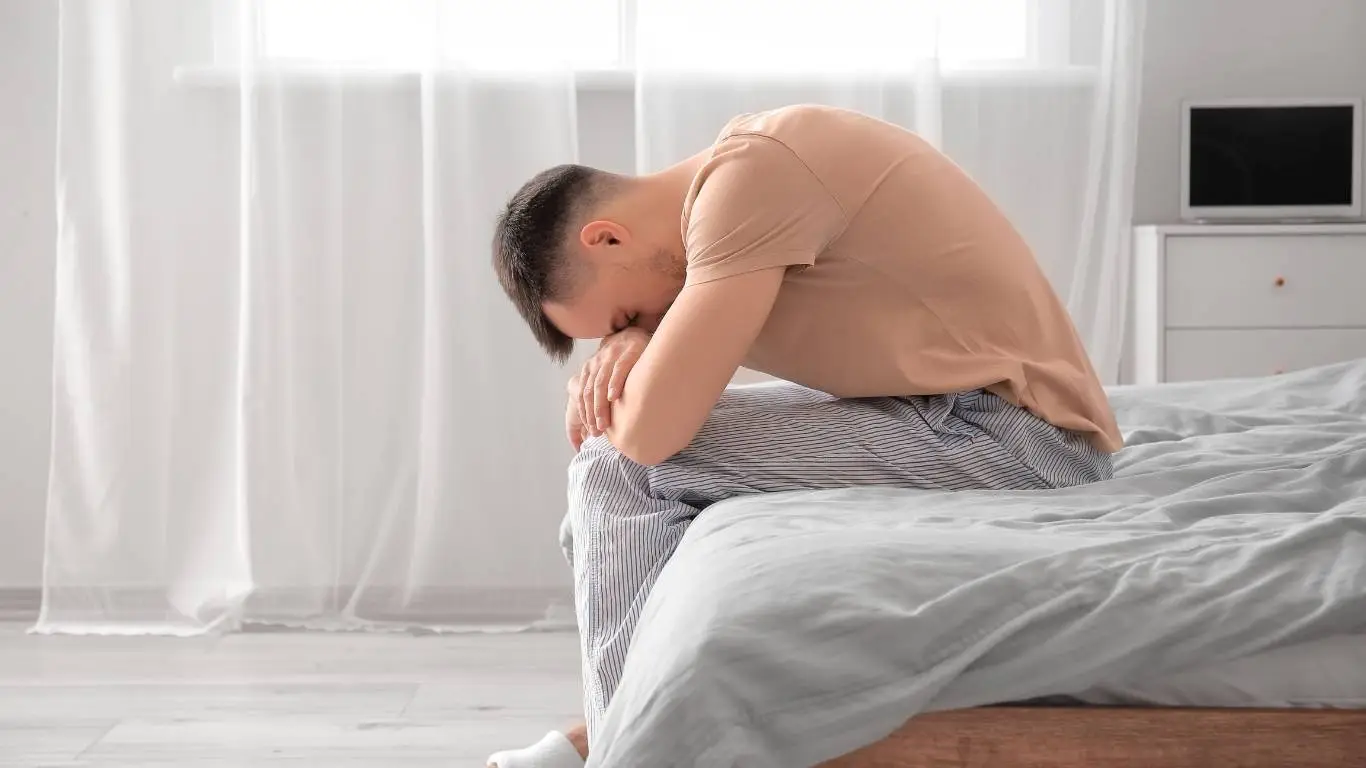
One of the lesser-known reasons insomnia persists during anxiety is a phenomenon called hyperarousal. Your brain gets locked in a heightened state of alertness and doesn’t know how to come down. It’s like your internal system forgot how to power down.
This state isn’t just mental—it’s physiological. Elevated cortisol, increased heart rate, and frequent micro-awakenings keep you in light stages of sleep instead of the deeper, restorative ones your body desperately needs. That explains why I often woke up more exhausted than when I went to bed.
Hyperarousal is a key element in GAD coping strategies, and recognizing it was a game changer for me. It made me more compassionate toward my struggle instead of blaming myself.
The Brain’s Response to No Sleep
- Heightened amygdala response (emotional reactivity)
- Decreased activity in the prefrontal cortex (rational thinking)
- Lower serotonin and dopamine levels
- Reduced ability to produce melatonin at night
That’s why even if you’re lying in bed for 8 hours, it may feel like you barely slept. Your brain never truly reached rest mode. If this sounds familiar, you’ll find this article helpful: how anxiety affects your performance, especially when sleep-deprived.
Effective Strategies That Helped Me Sleep Again

I tried a lot—some helped, others made it worse. Here are the ones that genuinely moved the needle for me, both recommended by experts and tested in my own nighttime chaos.
1. CBT-I (Cognitive Behavioral Therapy for Insomnia)
This therapy is designed specifically for people struggling with sleep. It helped me challenge thoughts like, “If I don’t sleep tonight, tomorrow will be ruined,” and replace them with more grounded alternatives. Check out this in-depth piece on CBT techniques for anxiety—they overlap beautifully with sleep therapy.
2. Sleep Restriction and Resetting Circadian Rhythm
Sounds harsh, but limiting time in bed actually increased my sleep drive. I stopped trying to “catch up” on rest and instead aimed for consistency. Going to bed and waking up at the same time every day—even on weekends—was a game changer.
3. Magnesium and Herbal Remedies
I’m always cautious about supplements, but magnesium glycinate and a calming blend of chamomile and lemon balm did wonders for relaxing my muscles and mind. For anyone considering natural aids, this guide on magnesium-rich foods helped me decide what was worth trying.
4. Reducing Evening Light and Tech Use
Blue light is a sleep killer. I started using amber glasses at night and kept my phone out of the bedroom. One small change that led to a surprisingly big shift in my sleep quality.
What to Do When Nothing Seems to Work

There were nights when even the most solid plan failed me. That’s when I started exploring less conventional methods—not as cures, but as tools. Progressive muscle relaxation was something I didn’t expect to like, but it worked. Same with soft binaural beats and even journaling mid-wake-up instead of doom scrolling.
If your insomnia feels connected to deeper anxiety patterns, don’t ignore it. Learn more about hidden causes of anxiety disorders that could be contributing. Sometimes it’s trauma, unresolved grief, or even gut health issues silently playing a role.
For a broader understanding of how anxiety may be impacting more than just your sleep, this main guide on anxiety disorders’ hidden control lays it all out clearly.
If you haven’t yet, also explore how psychotherapy for anxiety can gently unravel the tangle insomnia creates. I waited way too long, thinking I could outsmart my own brain. I couldn’t. But therapy helped me stop fighting sleep—and start inviting it back.

Camellia Wulansari is a dedicated Medical Assistant at a local clinic and a passionate health writer at Healthusias.com. With years of hands-on experience in patient care and a deep interest in preventive medicine, she bridges the gap between clinical knowledge and accessible health information. Camellia specializes in writing about digestive health, chronic conditions like GERD and hypertension, respiratory issues, and autoimmune diseases, aiming to empower readers with practical, easy-to-understand insights. When she’s not assisting patients or writing, you’ll find her enjoying quiet mornings with coffee and a medical journal in hand—or jamming to her favorite metal band, Lamb of God.