
Intercostal Muscle Strain vs Rib Pain: What Hurts More and Why
It started after a hard sneeze. I felt this sudden jolt along the side of my rib cage—like something had snapped. The pain didn’t feel like a broken rib, but it wasn’t quite a bruise either. Turns out, I had strained one of my intercostal muscles. Honestly, I didn’t even know we had muscles between our ribs until that day. If you’ve ever had a sharp or lingering ache around your chest or side and weren’t sure if it was a rib issue or a muscle strain, you’re not alone. Let’s dig into what really separates an intercostal muscle strain from rib pain—and how you can spot the difference.
Understanding Intercostal Muscle Strain

The intercostal muscles run between the ribs and help with breathing and trunk movement. These muscles don’t get a lot of attention—until they’re injured. An intercostal muscle strain usually happens when these muscles are overstretched or torn, often from sudden twisting, heavy lifting, or intense coughing or sneezing (yep, guilty).
What It Feels Like
The pain is typically sharp or stabbing, especially when you move, breathe deeply, laugh, or cough. It often feels like it’s coming from the muscles between the ribs rather than the bones themselves. You might even feel a bit of tightness or swelling in the area.
Common Triggers
- Sports that involve twisting (like tennis or golf)
- Excessive or intense coughing fits
- Sudden, awkward movements or lifting
- Repetitive torso movements without proper warm-up
Unlike bone injuries, muscle strains tend to improve gradually with rest, gentle movement, and time. According to PubMed, recovery may take anywhere from a few days to several weeks depending on the severity of the strain.
How Rib Pain Is Different

Rib pain can be trickier. It may stem from bruised ribs, rib fractures, joint dysfunction, or even inflammation in the cartilage (like costochondritis). The location and sensation of the pain tend to feel deeper, more structural, and sometimes persistent even with minimal movement.
When It’s More Than a Muscle Issue
With rib pain, you might feel:
- A deeper, aching sensation that doesn’t change much with breathing
- Local tenderness directly over the rib bone
- Pain that lingers even at rest or at night
If you’ve had a direct impact—like falling on your side or getting hit during a sport—there’s a chance it’s a bruised or even fractured rib. That kind of pain usually doesn’t respond well to stretching or mobility exercises. It’s wise to check this guide on warning signs in middle back pain if you’re not sure.
Key Differences You Shouldn’t Miss
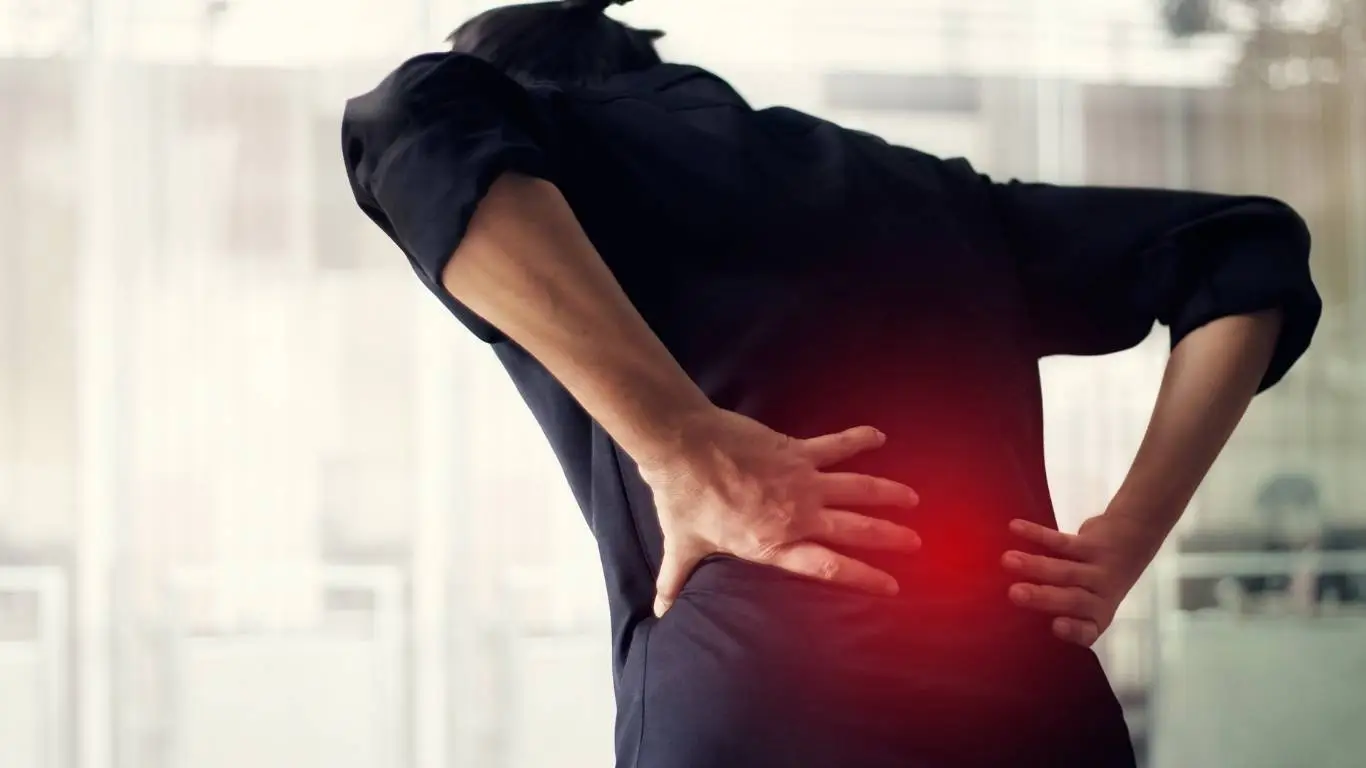
So, how can you actually tell whether you’ve got a muscle strain or something rib-related? Here’s a quick comparison:
| Feature | Intercostal Muscle Strain | Rib Pain |
|---|---|---|
| Onset | Sudden (twist, lift, sneeze) | Trauma or deep inflammation |
| Pain Type | Sharp, pulling, worsens with motion | Deep, achy, steady |
| Location | Between ribs, on the side or back | Over rib bones, possibly front chest |
| Breathing Impact | Worse with deep breaths | Sometimes painful, especially if fractured |
What You Can Do at Home

I’ve personally found that gentle heat packs and slow, controlled breathing exercises help a ton with intercostal strains. You don’t want to stay totally inactive—light mobility is good. But avoid any movement that aggravates the pain.
Simple Relief Tips
- Use a warm compress for 15–20 minutes at a time
- Try over-the-counter NSAIDs if your doctor approves
- Practice shallow breathing if deep breathing hurts
- Use pillows to support your side while sleeping
If you’re dealing with nagging rib discomfort after physical activity, this page on recurring pain after activity might offer deeper insights.
When to Seek Medical Help

Sometimes, it’s not something you can shake off at home. If your pain worsens, radiates into your back or chest, or you experience shortness of breath or dizziness, get medical attention immediately. These could signal a more serious issue like a fractured rib, pneumothorax, or even cardiac concerns (always rule those out early).
If you’re unsure whether your issue needs imaging or not, this resource on MRI evaluation for pain is worth a read. Also, it’s smart to familiarize yourself with symptoms and diagnosis techniques to navigate your options better.
More broadly, learning the difference between pain sources in your back and ribs is key. Start with this comprehensive overview of back pain and explore targeted topics as your symptoms evolve.
Effective Recovery Strategies That Actually Work

If you’re like me, you hate sitting still. But when it comes to healing an intercostal muscle strain or recovering from rib pain, pushing through is the last thing you want to do. Trust me, I tried to power through once, and it turned into a month-long ordeal. What actually helped was a mix of smart rest and strategic movement.
Intercostal Strain Recovery Tips
- Start with rest for the first 24–48 hours to calm inflammation.
- Incorporate gentle side bends or controlled torso twists once pain allows.
- Avoid overhead lifting or rapid twisting until full range of motion returns.
- Use hot-cold therapy cycles—here’s a breakdown of what works best and when.
You can’t stretch or foam-roll your way out of this too early. I found using a lumbar support cushion while sitting made a surprising difference. You might want to check these daily comfort tips if your job keeps you desk-bound.
Advanced Treatments for Persistent Rib Pain

If your rib pain lingers beyond 3–4 weeks or intensifies, it’s worth exploring imaging and more targeted care. Rib injuries can masquerade as minor but sometimes involve underlying joint dysfunction or even costochondritis, which often gets overlooked.
Diagnostics That Matter
- X-rays for fractures or dislocations
- MRI for soft tissue and cartilage detail
- CT scans when precision is critical — see why CT scans outperform X-rays in certain cases
In cases of rib dysfunction or recurring costal joint pain, physical therapy with a focus on thoracic mobility and posture correction is often prescribed. I had sessions where therapists used gentle mobilization and dry needling, and surprisingly, the relief was instant.
When Intercostal Muscle Pain Becomes Chronic

Not everyone recovers quickly. For some, muscle strain becomes a chronic trigger, especially if your posture or movement habits don’t change. This often overlaps with rib mechanics, creating a cycle of discomfort. You don’t want to live on painkillers or ice packs forever, right?
What Helps Long-Term
- Daily thoracic mobility drills (my go-to is thread-the-needle)
- Core strengthening via Pilates — here’s why it works
- Regular breathing exercises to reduce rib stiffness
- Mind-body techniques to manage sensitivity, especially after inflammation
If pain’s impacting your sleep or your ability to breathe fully, you’re not just dealing with soreness—you might be in a feedback loop. For that, check this deeper dive into how chronic pain links with mental stress.
Posture and Prevention: Where It All Starts

Honestly, I wish someone had told me earlier how much posture plays into intercostal strain. Hunched shoulders, rounded backs, and static seating are a recipe for disaster. If you work long hours at a desk or drive frequently, posture fixes aren’t optional—they’re survival.
My go-to changes that helped:
- Switching to a standing desk setup
- Using lumbar and thoracic support cushions
- Stretch breaks every 60 minutes — even 5 minutes helps
- Thoracic foam rolling before bed
If you’ve got tight hamstrings or weak glutes, you might be setting yourself up for chronic tension along your ribs and back. This resource on hamstring-back pain connection breaks it down nicely.
Rehabilitation Plans That Actually Stick

The key to staying pain-free? Build strength and mobility in the surrounding muscles. Don’t just focus on the pain point. A well-rounded rehab program might include:
- Thoracic mobility and rib glides
- Diaphragmatic breathing and rib cage expansion work
- Core endurance (not crunches—think bird-dogs and dead bugs)
- Postural re-education with a pro
You can even explore digital support. There are some solid mobile apps for guided exercises that helped me stay consistent without needing to visit a clinic every week.
And if you’re at the point where conservative methods just aren’t cutting it, there’s a growing list of minimally invasive treatments worth exploring. Procedures like nerve blocks or radiofrequency ablation (RFA) have helped many get back on track without major surgery.
Need a broader picture on how intercostal pain fits into the full back pain puzzle? The main types and anatomy of back pain guide is a solid resource to expand your understanding.
Also, for everything from diagnosis to tailored care, start with this reliable main back pain resource to navigate the options that fit your symptoms best.

Camellia Wulansari is a dedicated Medical Assistant at a local clinic and a passionate health writer at Healthusias.com. With years of hands-on experience in patient care and a deep interest in preventive medicine, she bridges the gap between clinical knowledge and accessible health information. Camellia specializes in writing about digestive health, chronic conditions like GERD and hypertension, respiratory issues, and autoimmune diseases, aiming to empower readers with practical, easy-to-understand insights. When she’s not assisting patients or writing, you’ll find her enjoying quiet mornings with coffee and a medical journal in hand—or jamming to her favorite metal band, Lamb of God.