Why Interstitial Cystitis Can Trigger Referred Back Pain
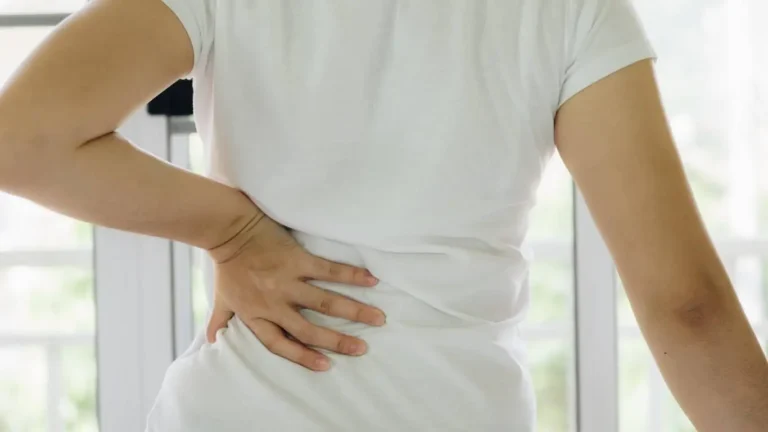
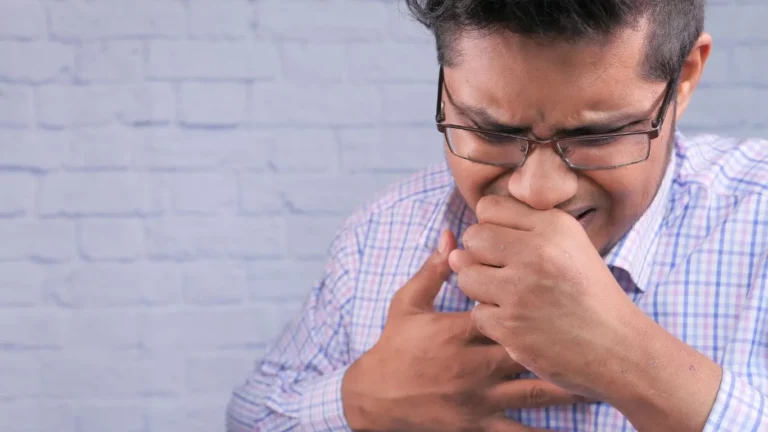
When I first started noticing this strange, dull ache in my lower back, I brushed it off as the usual desk-job fatigue. But the discomfort kept nagging me—persistent, weirdly deep, and not quite like the muscle soreness from a bad night’s sleep. Then came the frequent bathroom trips, the pressure, and a confusing sense of urgency with no clear UTI. That’s when I stumbled into the complicated world of interstitial cystitis and referred back pain. And trust me, the connection between the two can be frustratingly under-recognized—even by seasoned professionals.
What Is Interstitial Cystitis—and Why Your Back Might Be Screaming Too
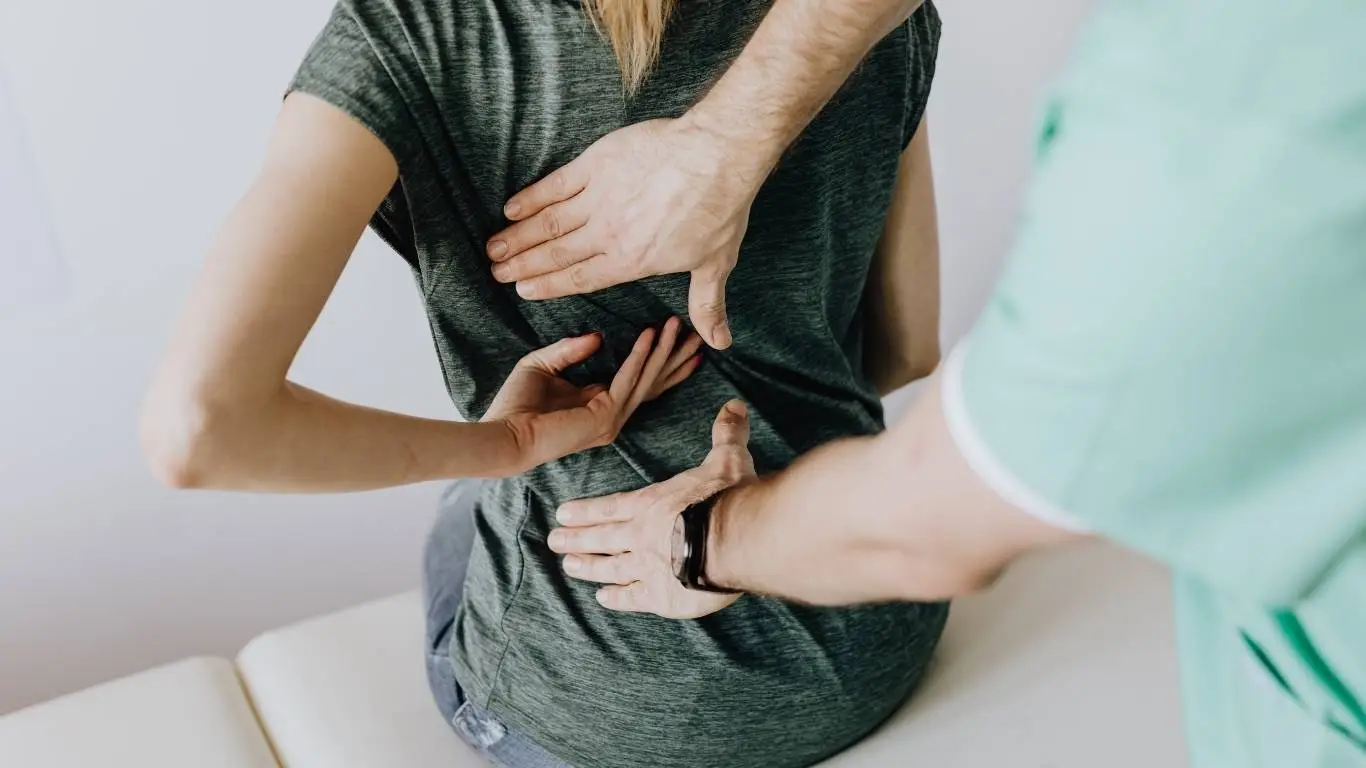
Interstitial cystitis (IC), also known as painful bladder syndrome, is a chronic condition marked by bladder pressure, bladder pain, and sometimes pelvic discomfort. It mimics a UTI—but without the bacteria. The symptoms linger. They flare up unpredictably. And the impact on your daily life? Huge.
But here’s the kicker: this isn’t always “just a bladder problem.” Many of us dealing with IC also report persistent lower back pain. At first, it seems like two different battles. But more often than not, that nagging ache in your back isn’t a coincidence—it’s referred pain.
How Referred Pain Works in IC
Referred pain happens when discomfort in one area radiates to another part of the body—due to shared nerve pathways. In the case of IC, the bladder and the lower back share communication lines via the spinal cord. So when your bladder’s inflamed or irritated, your back feels the heat, too.
- The bladder sends signals through pelvic nerves (especially the sacral region—S2 to S4)
- These nerves also link to lower back structures
- Brain gets confused and interprets bladder pain as back pain
I remember sitting in a meeting, struggling to focus not just because of the bladder urgency—but because my back felt like it had been through a minor car crash. Once I learned about referred pain, the dots connected. And more importantly, the treatment approach shifted.
Symptoms That Often Get Dismissed or Misdiagnosed

IC is notorious for being misdiagnosed, and its link with back pain is even more overlooked. Here’s what I—and many others—have experienced that often gets brushed off as “normal period pain” or “just posture”:
- Aching or throbbing lower back (especially near the sacrum)
- Pelvic heaviness or a dragging sensation
- Sharp twinges after urinating or during flare-ups
- Fatigue in the glutes or hips, even without physical exertion
These aren’t just side symptoms—they’re a sign that the body’s central pain processing system is on overdrive. For many, the pain intensifies when sitting for long hours or after sexual activity. The inflammation in the bladder can essentially ripple outward into the lower back, tailbone, and even thighs.
If you’re nodding along, you might want to take a deeper dive into how back pain is diagnosed and mapped—because chances are, your current care plan is missing the mark.
Understanding the Overlap with Pelvic Floor Dysfunction

Here’s where things get more tangled: pelvic floor dysfunction is common in both IC and chronic back pain sufferers. The pelvic floor muscles can spasm or weaken due to bladder pain, contributing to a cascade of misfiring muscle patterns and—you guessed it—back pain.
It becomes a vicious cycle. The bladder hurts → the pelvic floor tightens → posture changes → back takes the hit. And round we go.
Thankfully, there are ways to break the loop. One of the best moves I made was seeing a pelvic floor physical therapist who worked not only on the bladder region but also on my spine alignment and muscle balance. It was eye-opening and, honestly, more effective than any pill I’d been handed.
Startling Triggers That Worsen Both IC and Back Pain
- High-stress levels (nervous system is deeply involved in pain amplification)
- Poor posture at work—especially slouching, crossing legs, or sitting too long
- Inflammatory foods like caffeine, citrus, spicy meals
- Lack of movement—sedentary lifestyle leads to pelvic stiffness
Many people don’t realize that treating IC isn’t just about managing bladder symptoms—it’s about addressing lifestyle habits that worsen both the bladder and the spine. For me, shifting to an anti-inflammatory diet helped calm both systems. Less sugar = less inflammation. Simple as that.
When Imaging Fails to Show the Real Problem
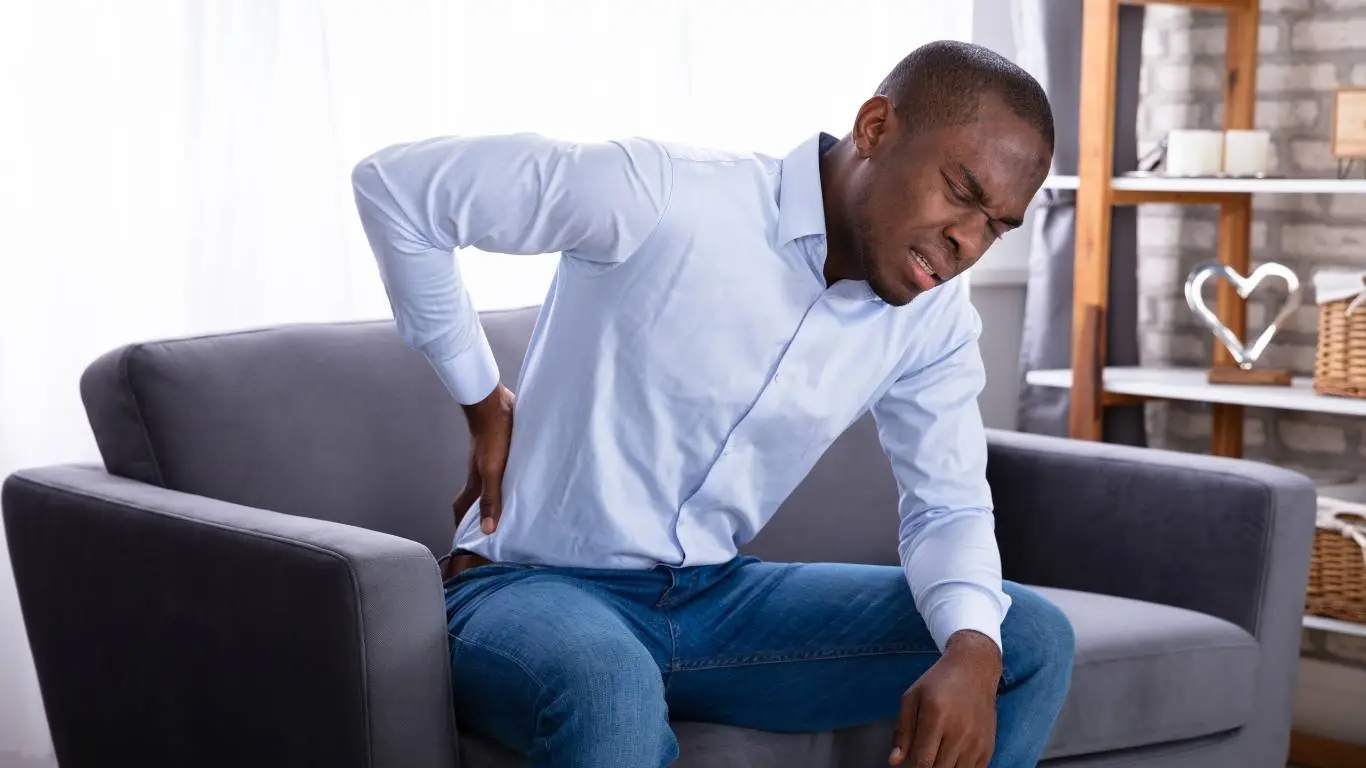
One of the most frustrating moments in this journey? Getting an MRI, having it come back clean, and hearing “everything looks normal.” Yet I was in pain every single day. What I learned is that MRIs can miss subtle nerve dysfunction or inflammatory cross-talk. Especially when the root isn’t structural damage—but a neuroinflammatory condition like IC.
This is where understanding the brain-body-pain connection is crucial. Pain isn’t always a signal of physical damage—it’s often the nervous system reacting to chronic threat signals, real or perceived.
For more thorough insight into the broader understanding of back pain causes, this resource dives deep into how even non-spinal conditions like IC can contribute to persistent discomfort.
What Helped Me Regain Control
Regaining comfort didn’t happen overnight, but here are a few strategies that truly shifted things:
- Mindfulness practices to lower the nervous system’s reactivity
- Breathing exercises to calm the pelvic floor and spine
- Switching to an ergonomic chair that supported my lower back during flare-ups
- Gentle stretching, particularly for the hips and piriformis muscles
Most importantly, understanding how my bladder and back pain were connected changed how I approached every flare-up. It wasn’t “just in my head.” It was neurochemical, musculoskeletal, and totally legitimate.
To explore comprehensive care for this condition, check the special populations section on managing back pain with bladder comorbidities and the broader overview at Healthusias’ main back pain hub.
Can Treating Interstitial Cystitis Actually Ease Back Pain?
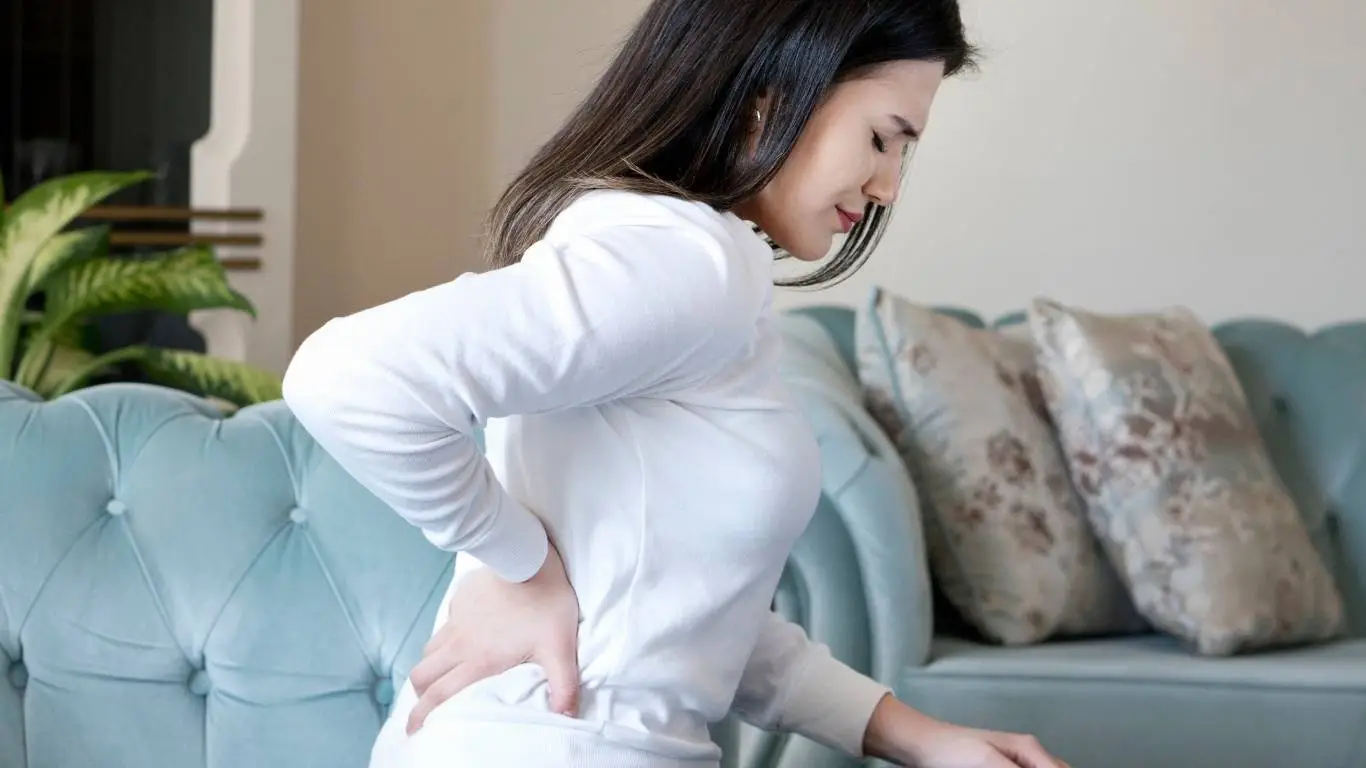
Surprisingly? Yes—managing interstitial cystitis effectively can significantly ease the referred pain that shows up in your back. It’s not always instant relief, but as the inflammation in the bladder calms, many people (myself included) notice the tension in their lower back also softens.
One thing I realized early was that injections and scans won’t fix back pain that’s neurologically tied to bladder dysfunction. You need a layered, whole-body approach—one that sees the back pain not as a spine problem, but as a response to an irritated pelvic system.
Targeted Treatments That Help Both Bladder and Back
- Pelvic floor physical therapy: Loosening tight muscles that compress pelvic nerves helps reduce pressure on both bladder and spine
- Bladder-friendly diet: Cutting caffeine, spicy foods, and citrus can reduce inflammation that radiates outward
- Gentle mobility work: Hip openers, hamstring stretches, and core activation ease spinal tension
- CBD oil and natural anti-inflammatories: Helpful for both pelvic burning and muscular soreness
Honestly, treating my IC wasn’t just about the bladder. It meant treating my whole system—my stress levels, my posture, my sleep, and my gut health. That’s what eventually turned the dial down on the back pain.
Watch Your Daily Habits: They’re Either Helping or Hurting

I can’t stress this enough: your daily habits have a huge say in whether your bladder flares also lead to a stiff, sore back.
- Do you sit in a deep couch with no lumbar support?
- Do you cross your legs constantly?
- Are you tensing your pelvic muscles without realizing it?
If the answer is yes, it’s time for some mindful upgrades. Personally, switching to a standing desk setup and using a firm cushion under my tailbone was a game-changer. It wasn’t about doing less—it was about sitting smarter.
And don’t underestimate how foot structure plays a role. My podiatrist pointed out that flat arches can tilt the pelvis forward, adding to both bladder pressure and spinal misalignment. Orthotics helped way more than I expected.
Simple Changes That Made a Big Impact
- Adding micro-breaks during work to stand and stretch
- Using heat packs near the sacrum when bladder flares hit
- Practicing diaphragmatic breathing (which helps both pelvic floor and lower back decompress)
- Changing sleep posture—a pillow under the knees helped relieve night pain
What Science Says About the IC and Spine Connection
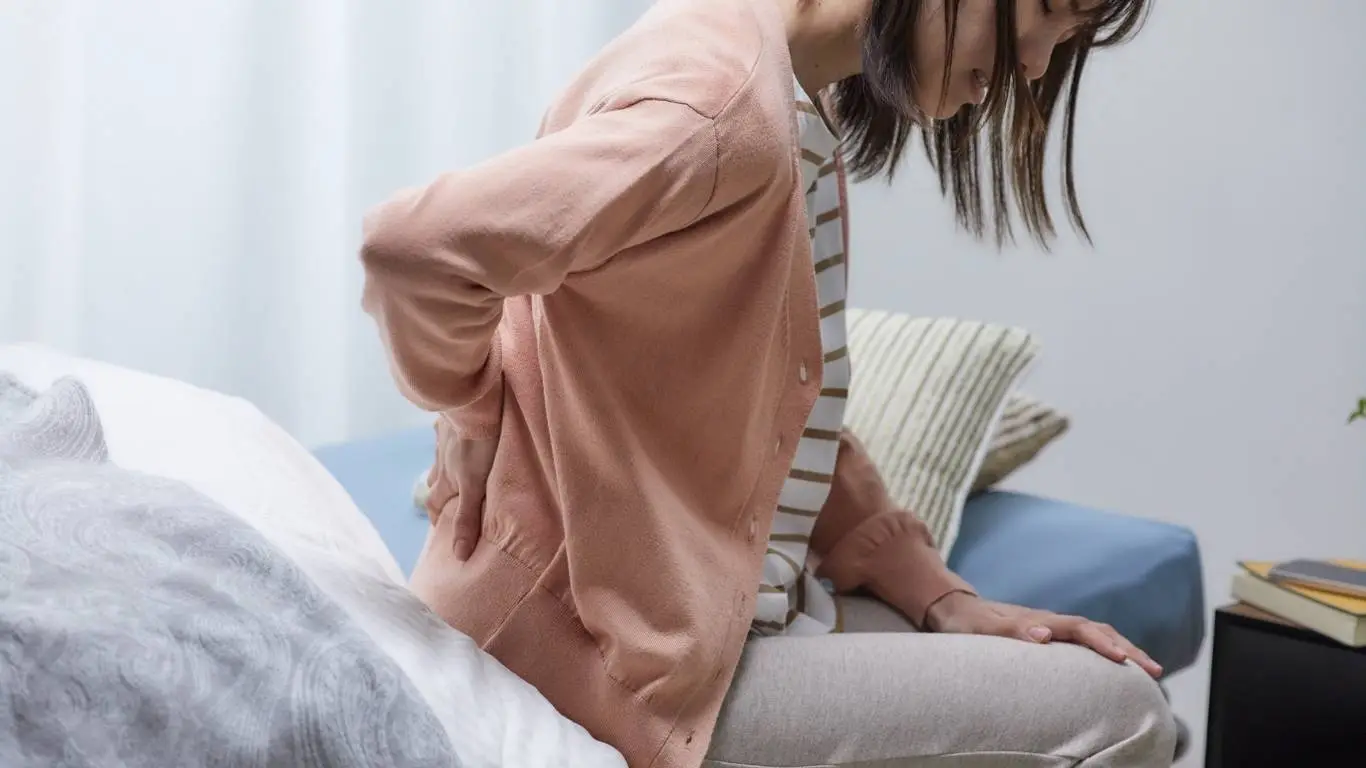
According to research published in ncbi.nlm.nih.gov, the nervous system plays a pivotal role in the overlap between bladder conditions and spinal pain. Specifically, cross-sensitization between pelvic organs and musculoskeletal structures can lead to chronic multisite pain—even in the absence of visible structural damage.
Translation? Your IC may very well be sensitizing your spinal nerves, even if nothing is technically “wrong” with your back. That’s why a normal MRI doesn’t mean you’re imagining things.
This kind of science reinforces the need for whole-person care—something I honestly didn’t get until I started seeing a multidisciplinary team: urogynecologist, physio, nutritionist, and therapist. It wasn’t overkill. It was the missing puzzle piece.
If you’re dealing with something similar, I’d highly recommend looking at the broader treatment options listed in this conservative management guide—many of them overlap with IC strategies too.
Tools That Actually Help When Flare-Ups Hit Hard
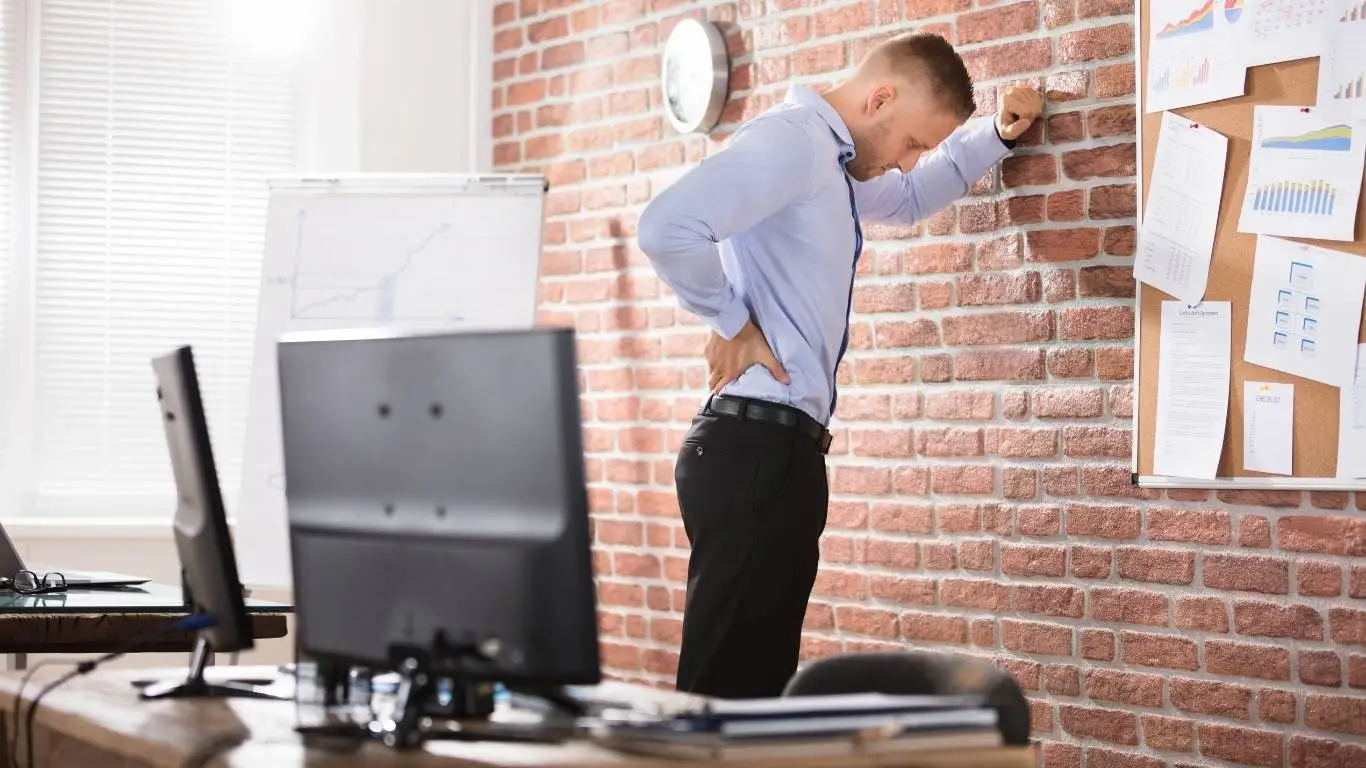
Let’s talk real life: when a flare hit, I wasn’t reaching for complicated protocols. I needed fast, at-home tools to survive the workday or at least get through the night.
- Percussion massage guns for back spasms (avoiding the sacral area, of course)
- Epsom salt baths that calm both bladder irritation and lower spine soreness
- Stretching apps like these mobile back pain guides
- Wearable heat pads for discreet relief during long meetings or flights
And when the bladder was angry? Breathing was my go-to. A few rounds of slow, low belly breaths had a real calming effect on both my bladder and the lower back.
The Emotional Toll: Don’t Downplay It
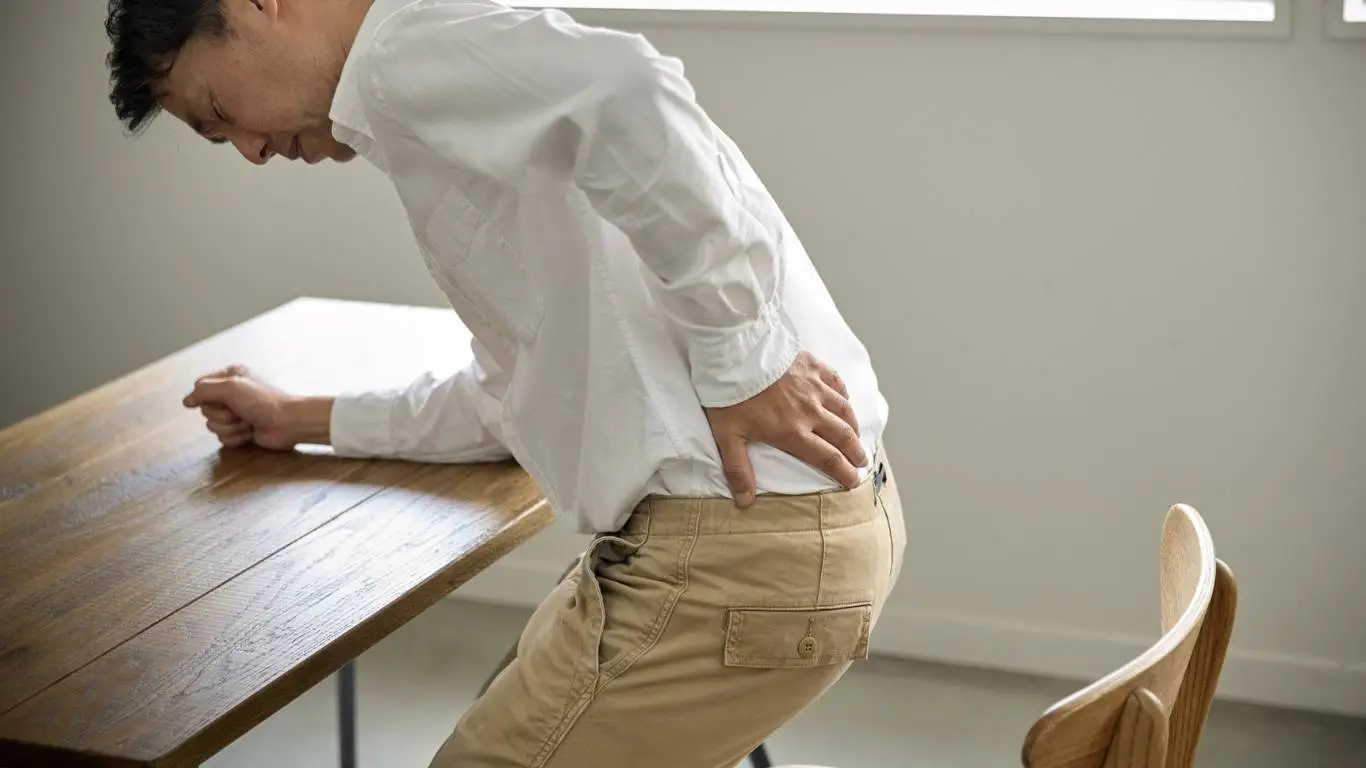
One thing nobody told me was how isolating this combo of bladder pain and back pain can feel. Not being able to sit comfortably at dinner, or worrying about bathroom proximity 24/7, takes a toll. And stress only makes the pain worse.
It’s why emotional care is non-negotiable. For me, journaling and CBT-style therapy helped me reclaim mental space that pain had occupied for way too long.
Don’t underestimate how emotional health and back pain are tied together. Pain is personal. And managing the mental load is just as essential as managing the physical triggers.
Should You See a Specialist?
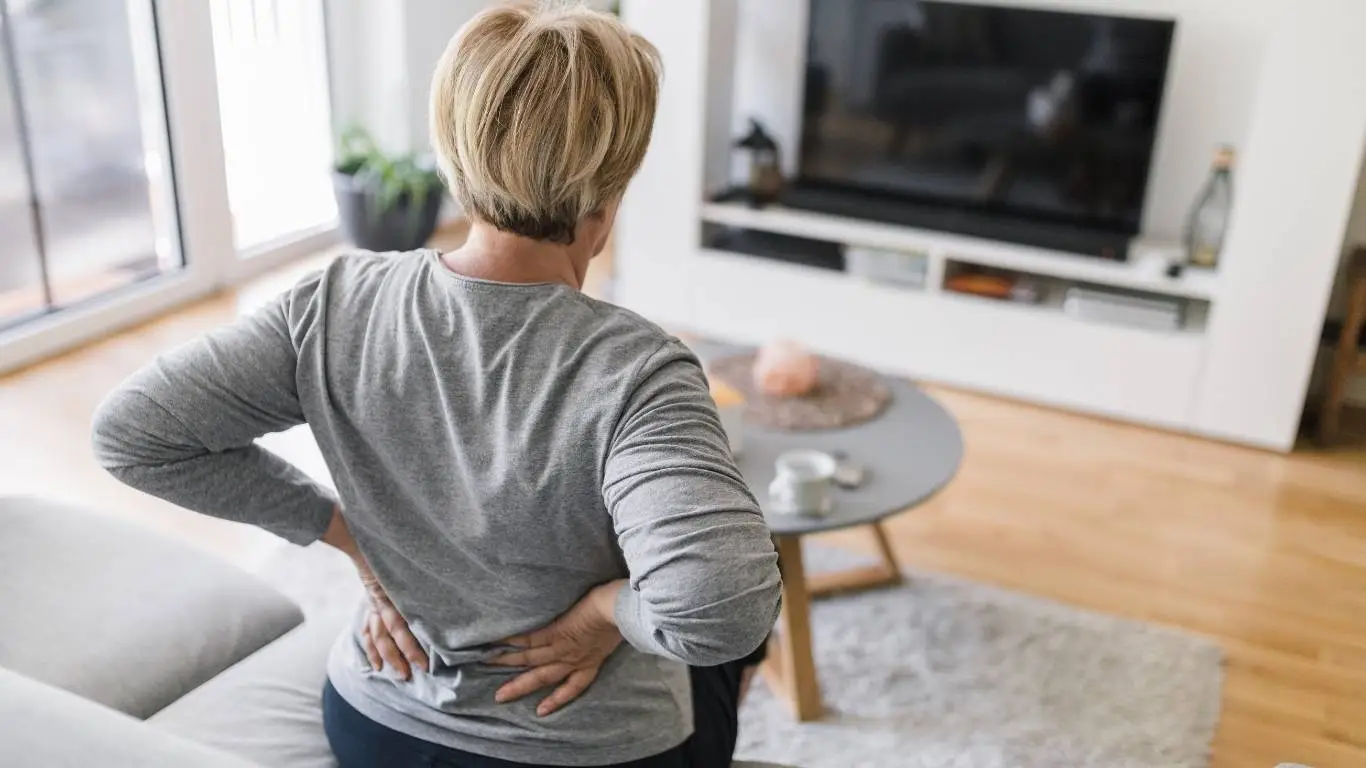
If you’ve made it this far and all of this is resonating—you’re not crazy, and you’re not alone. Pain from interstitial cystitis that radiates to your back is real, it’s legitimate, and it deserves the right kind of attention.
It might be time to talk to a urogynecologist or pain specialist who understands cross-sensitization and pelvic pain syndromes. And if they don’t? Bring the research. Advocate for yourself. That’s how I finally found the team who took me seriously.
If you’re navigating both bladder discomfort and back pain, this isn’t just a coincidence—it’s a pattern that’s finally getting the recognition it deserves.
And for anyone starting this journey, bookmark the Healthusias back pain hub and dive deeper into the symptoms and diagnosis pillar to take the next best step forward.

Camellia Wulansari is a dedicated Medical Assistant at a local clinic and a passionate health writer at Healthusias.com. With years of hands-on experience in patient care and a deep interest in preventive medicine, she bridges the gap between clinical knowledge and accessible health information. Camellia specializes in writing about digestive health, chronic conditions like GERD and hypertension, respiratory issues, and autoimmune diseases, aiming to empower readers with practical, easy-to-understand insights. When she’s not assisting patients or writing, you’ll find her enjoying quiet mornings with coffee and a medical journal in hand—or jamming to her favorite metal band, Lamb of God.